


The Social Night Out Is Getting a Makeover
Something is shifting in how city dwellers choose to spend their evenings. Across major metros – London, New York, Berlin, Stockholm, Los Angeles – a growing number of venues built around heat, cold plunges, and communal wellness are filling the gap that cocktail bars once monopolized. The sauna club has arrived, and it is pulling serious crowds.
Why the Sauna Club Format Works as a Social Venue
The appeal is more intuitive than it sounds. Cocktail bars sell an atmosphere: low lighting, curated music, the social lubricant of alcohol. Sauna clubs sell a physical experience that produces many of the same outcomes – relaxation, lowered inhibitions, extended conversation – without requiring anyone to drink. For a generation that drinks less than its predecessors but still craves communal ritual, the format slots in almost perfectly.
The structure of a sauna session also forces a kind of social intimacy that a bar stool rarely does. You sit close to strangers. You move through temperature cycles together. There is a natural rhythm – heat room, cold plunge, rest, repeat – that gives a two or three hour visit an internal arc. People linger not because they ordered another round, but because the experience itself keeps pulling them back in. The result is longer, deeper conversation rather than the transactional small talk that tends to define bar interactions.
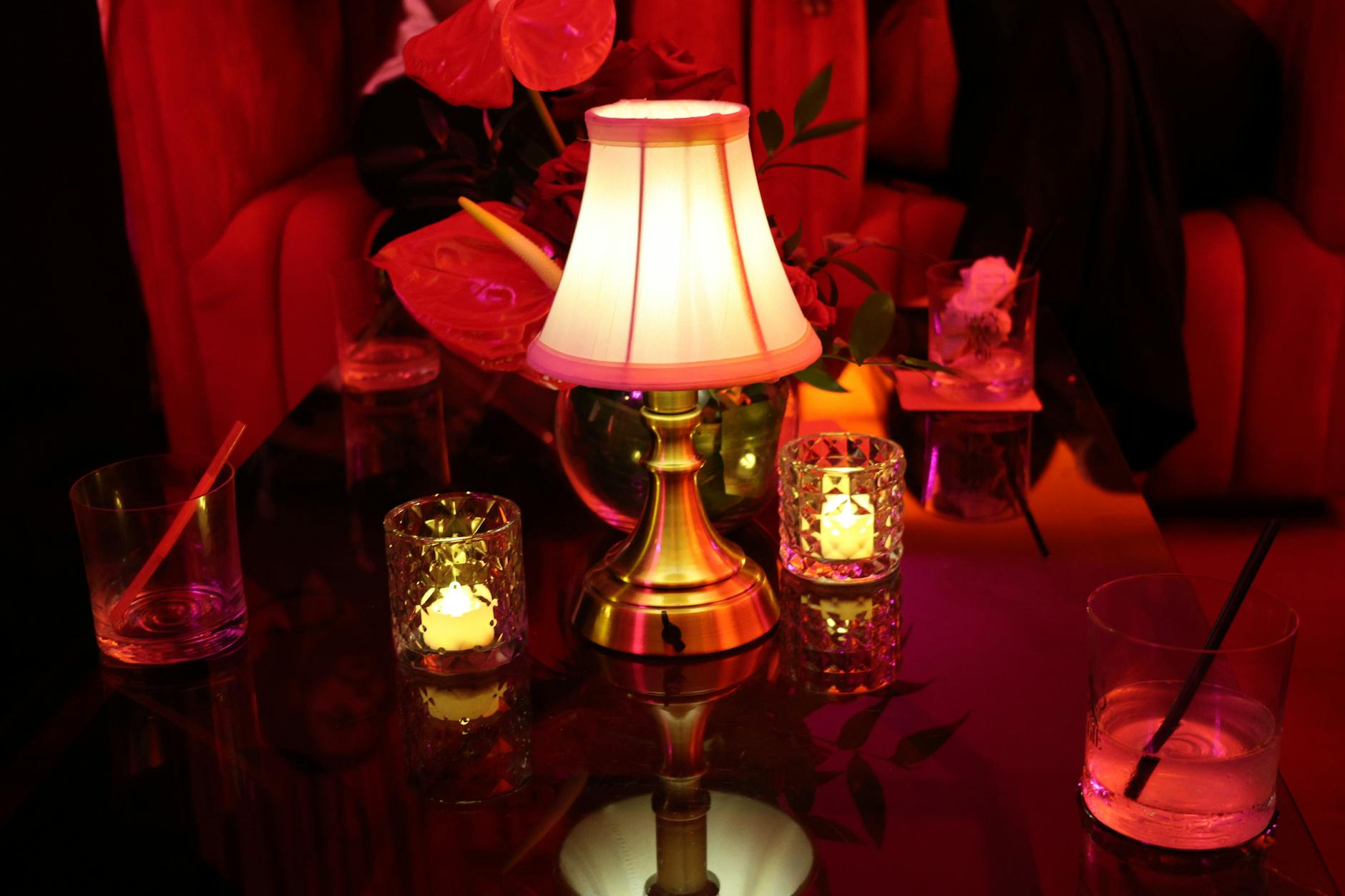
Venues operating in this space are investing heavily in design to match the social ambitions of the format. Many feature communal lounges with low lighting and curated playlists that would feel at home in a boutique hotel bar. Some offer natural wine and non-alcoholic cocktails alongside the wellness programming. The idea is not to replace drinking entirely but to make sobriety feel equally premium – which, for operators, means they are not dependent on alcohol margins to run a profitable night.
The Scandinavian and Finnish origins of sauna culture have always been social, not spa-like. Traditional Finnish saunas were community spaces where people gathered to talk, make decisions, and mark occasions. What the current wave of urban sauna clubs is doing is essentially restoring that original social function, stripped of the formality that attached itself to wellness culture during the luxury spa boom of the 2000s. The aesthetic is warmer, more approachable, and deliberately less precious.

The Economics That Are Driving the Switch
Running a cocktail bar in a major city has become genuinely difficult. Rent in high-footfall neighborhoods has climbed steadily, while alcohol margins, once the reliable backbone of hospitality revenue, face pressure from licensing costs, staffing requirements, and the practical reality that a sober customer who nurses a sparkling water generates almost nothing. Sauna clubs solve several of these problems at once by charging entry fees upfront – typically anywhere from $30 to $80 per session depending on the market and the level of the venue.
That entry fee model changes the entire financial logic of an evening out. A bar depends on volume of orders placed across a night; a sauna club locks in revenue per head before anyone walks through the door. It also spreads spend across add-ons – towel rental, locker upgrades, body scrub bookings, cold brew coffee, light food – in a way that feels optional rather than pressured. Guests tend to report higher satisfaction even when their total spend is comparable to a bar night, because the experience feels curated rather than transactional.
The staffing picture is also different. Bartenders in major cities command significant wages and tips, and alcohol service requires layers of training and compliance. Sauna attendants, heat masters, and cold plunge guides require different and often more specialized knowledge, but the overall staffing footprint per revenue dollar can be leaner. Several operators have noted that their venues run efficiently on smaller teams during off-peak hours because the experience is self-guided once guests are oriented to the flow.
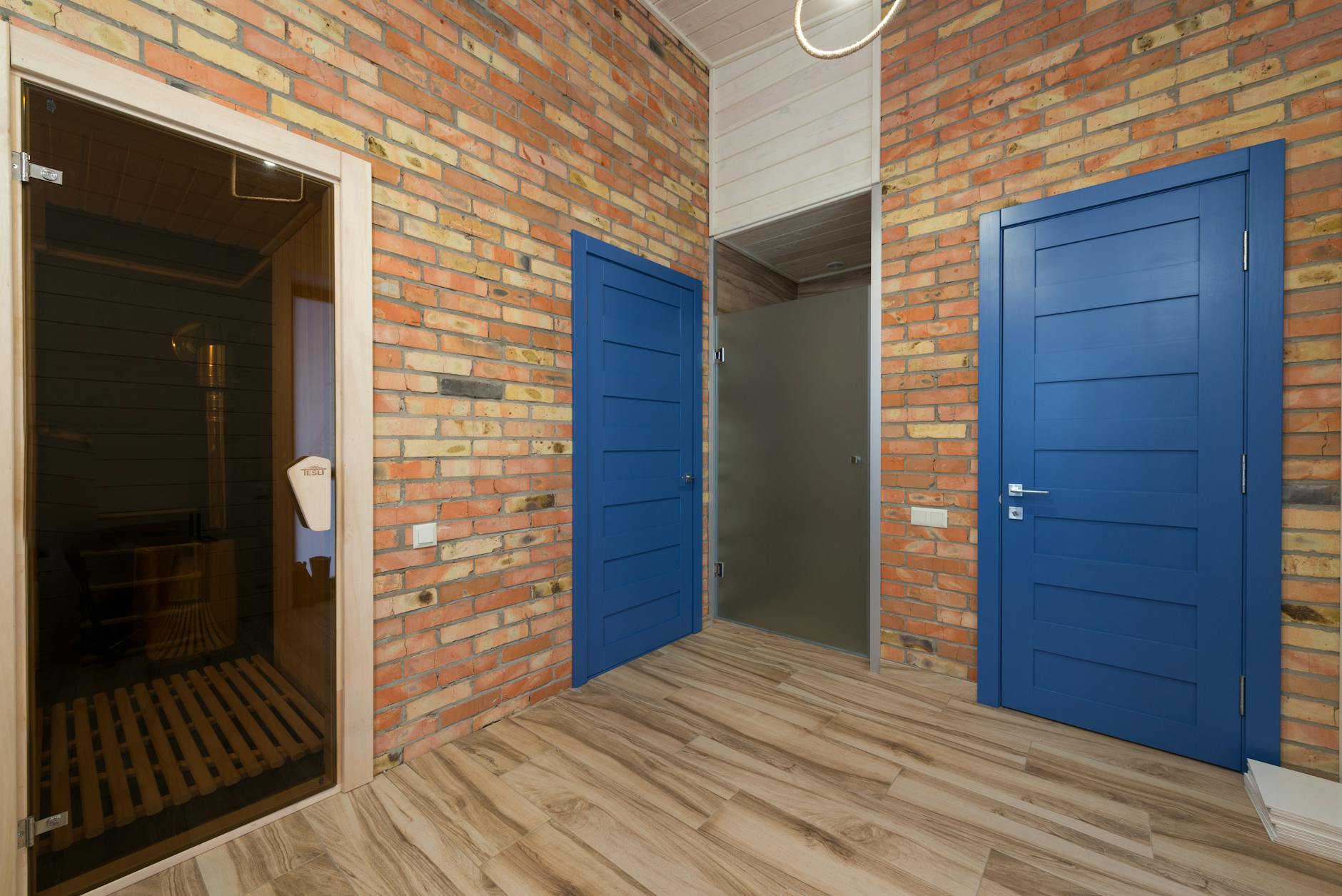
Real estate choices have also given sauna clubs an edge. Basement spaces and converted industrial units that struggle to attract traditional hospitality tenants work well for sauna formats – they are naturally insulated, easier to ventilate for high-heat environments, and cheaper per square foot than street-level bar locations. Some of the most talked-about venues in cities like Berlin and London occupy exactly these kinds of spaces, and the raw aesthetic has become part of their identity rather than a compromise.
There is also a membership angle that most cocktail bars can’t credibly pursue. A growing number of sauna clubs offer monthly or annual memberships that generate predictable recurring revenue – something the bar industry has never cracked at scale. A member who visits twice a week becomes a reliable income stream rather than a variable one. That stability is genuinely attractive to operators who watched the hospitality sector’s fragility exposed so starkly in recent years.
Who Is Actually Showing Up
The demographic skews younger than the wellness industry’s traditional spa customer, and more mixed than a boutique gym’s membership. Early adopters at urban sauna clubs tend to be people already experimenting with health routines – cold exposure, breathwork, low-alcohol lifestyles – who have been looking for a social context that fits those interests. But the format is drawing in a broader crowd too: groups of friends who want a Friday night activity that doesn’t end in a hangover, couples looking for something outside the dinner-and-drinks loop, colleagues who find that the informal setting produces better conversation than a work drinks event ever did.
What sauna clubs have that wellness studios generally lack is a genuine sense of occasion. You don’t “drop in” to a sauna club the way you might grab a yoga class. The visit has weight – you plan for it, you budget time, you often go with people. That occasion quality is exactly what cocktail bars built their cultural position on for decades, and it is the thing that a spin class or a cold plunge subscription app cannot replicate on its own. The question for sauna club operators is whether they can hold onto that sense of occasion as the format scales – because once every neighborhood has one, the specialness starts to erode.
Frequently Asked Questions
What is a sauna club and how is it different from a traditional spa?
A sauna club is a social venue built around communal heat and cold plunge experiences, designed for extended group visits rather than individual relaxation appointments. The atmosphere is closer to a bar or lounge than a day spa.
How much does it typically cost to visit a sauna club?
Entry fees generally range from $30 to $80 per session depending on the city and venue tier, with optional add-ons like towel rental, body treatments, and food or drink available separately.