


The Gym Floor Is Getting Quieter
Walk past a boutique reformer Pilates studio on a Tuesday morning in Manhattan, Austin, or West Hollywood, and you will likely see a waitlist on the booking app and a full class visible through the floor-to-ceiling windows. Walk past the big-box gym two blocks away, and the picture is different – rows of unused cardio machines, a few regulars at the free weights, and a front desk staff member who looks like they have time to spare. The contrast has become hard to ignore.
Reformer Pilates – the equipment-based version of the practice that uses a sliding carriage, springs, and straps to create resistance – has moved well beyond its reputation as a celebrity recovery method. It is now the preferred fitness format for a growing segment of urban professionals, and the studios that offer it are taking up real estate, real attention, and real monthly spend that traditional gyms are losing ground to absorb.
Why Reformer Studios Are Winning on Retention
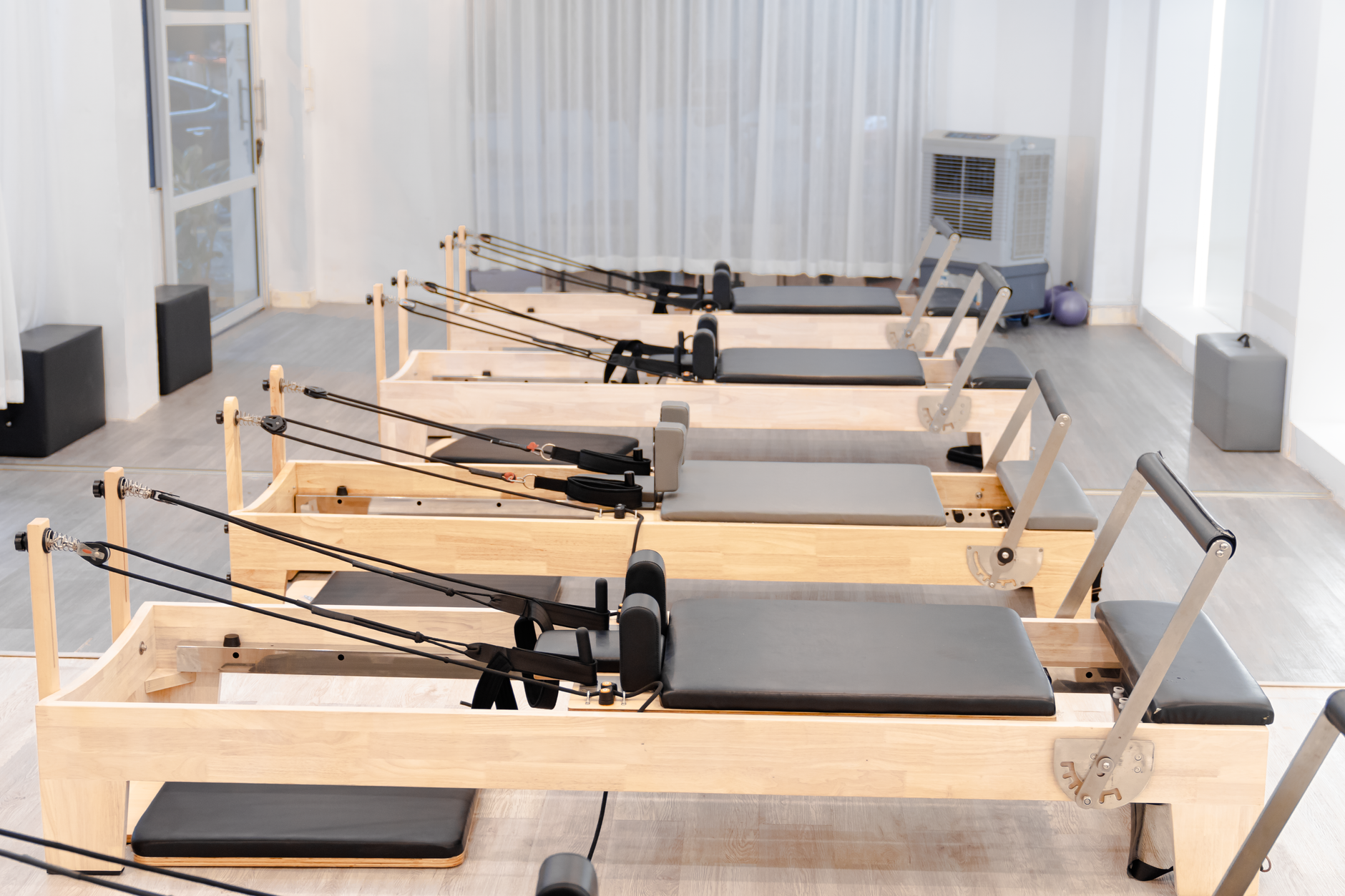
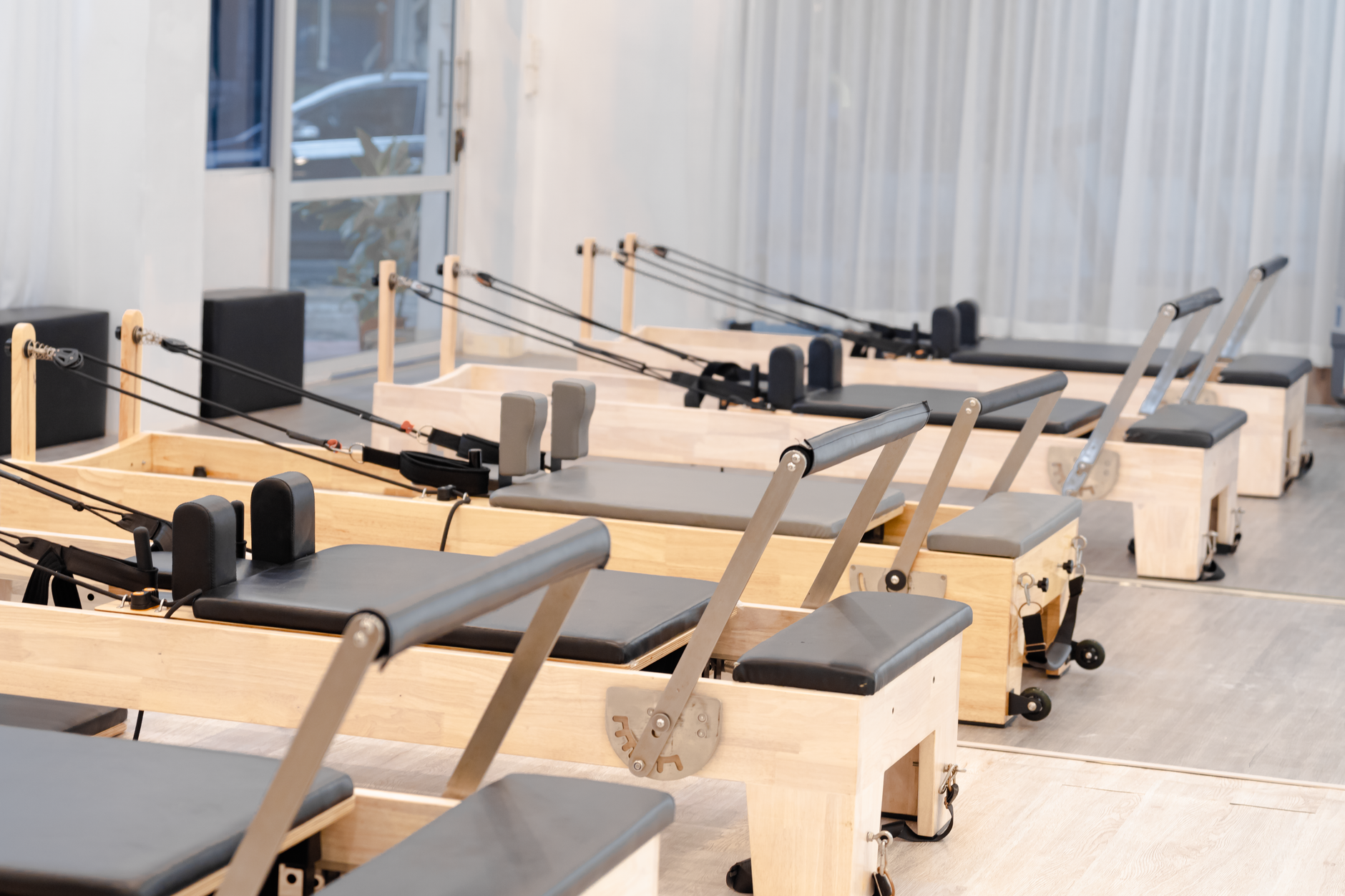
Traditional gym memberships are notorious for their attrition rates. Someone signs up in January, goes twice, and pays the monthly fee in quiet guilt for the next eleven months. The business model has historically depended on that dynamic – far more members enrolled than could physically fit in the building at once. Reformer Pilates studios operate on a completely different logic. Class sizes are small, typically between eight and twelve reformers per room, and each session is booked individually. That structure forces intentionality. You reserved the 7 a.m. slot, your name is on the roster, and there is a late cancellation fee if you bail.
That friction, counterintuitively, drives better habits. When attendance requires a conscious booking decision rather than a vague intention to “go to the gym sometime,” people actually show up. Studios report repeat client numbers that far outpace what a standard gym sees from its active user base. The small class format also means instructors learn names, correct form in real time, and notice when someone has been absent. That level of personal attention is something a gym floor staffed by one or two employees for hundreds of members cannot replicate.
The Price Point Is High – and That Is Partly the Point
A single reformer Pilates class in a major American city typically runs between $30 and $50. Monthly memberships at dedicated studios often land between $200 and $350. Compared to a gym membership at $30 to $60 per month, the math looks absurd at first glance. But the people signing up are not comparing the two options as functional equivalents. They are making a different calculation entirely.
The cost signals seriousness – to the client themselves and to the people around them. There is a social dimension to boutique fitness that flat-rate gyms have never quite cracked. Reformer studios in cities like Los Angeles, Chicago, and Miami have built communities that look less like a fitness facility and more like a social infrastructure. The lobby conversation before class, the instructor who remembers your injury history, the group text among regulars – these are retention tools that no amount of new treadmill models can match.
It also helps that reformer Pilates sits at an interesting intersection of aesthetics and function. The results it delivers – longer muscle tone, improved posture, core stability, injury rehabilitation – appeal across a wide range of demographics. It attracts the 28-year-old trying to fix lower back pain from sitting at a desk all day and the 55-year-old recovering from a knee replacement with equal effectiveness. That broad appeal gives studios a stable client base that does not age out the way some high-impact fitness trends do.
The format has also benefited enormously from social media, where the reformer itself – the sleek, architectural machine – photographs well. Videos of controlled, deliberate movements on the carriage perform consistently on platforms where gym footage of someone grinding through a barbell set rarely attracts the same engagement. Aesthetics drive discovery, and discovery drives bookings.
Real Estate Tells the Story
Commercial landlords in high-foot-traffic urban corridors have noticed the shift. Boutique fitness studios, and reformer Pilates specifically, have become desirable tenants in the same way that coffee shops and fast-casual restaurants are – they generate daily foot traffic, attract a specific income demographic, and tend to anchor blocks rather than drain them. Several traditional gym chains have either closed underperforming locations or significantly downsized their square footage requirements as lease renewals come up.
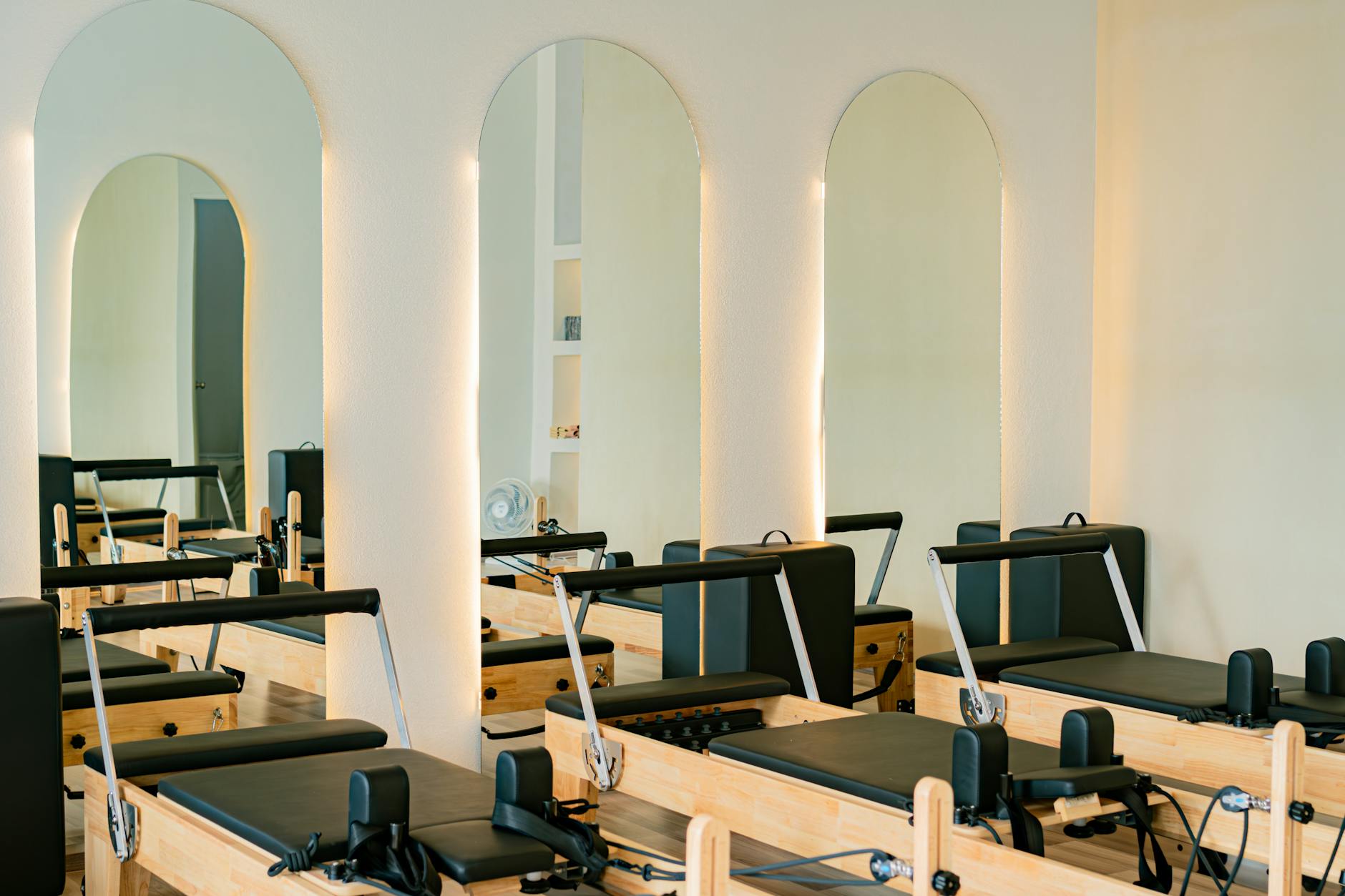
Meanwhile, reformer studios are opening in spaces that would have once been considered too small for a fitness business. A room with twelve machines and a front desk can operate profitably on a fraction of the floor space a legacy gym requires. That lower overhead makes the unit economics work even in neighborhoods where rent is prohibitive for large operators. The studio model scales outward through new locations, not upward through bigger buildings.
What Traditional Gyms Are Doing in Response
Some larger gym operators have started embedding boutique-style studios within their existing locations – dedicated Pilates rooms, small group reformer classes added to the schedule, premium tiers that charge per session rather than per month. It is a direct acknowledgment that the all-you-can-use model is struggling to hold attention against the focused, high-touch alternative. Whether bolt-on offerings can recreate the atmosphere of a standalone studio is a different question.
The challenge for traditional gyms is not the equipment or even the programming. It is the culture. A reformer Pilates studio that has been operating in the same neighborhood for three years has built something that a gym cannot manufacture by adding a reformer room to its second floor – a specific regulars crowd, a set of instructors with loyal followings, a booking rhythm that makes the studio feel like an appointment rather than an option. That is slow to build and nearly impossible to copy quickly.
Franchise reformer concepts are also accelerating the studio’s reach beyond the major coastal cities where boutique fitness first took hold. Markets in the South, the Midwest, and suburban metro areas are seeing new studio openings at a pace that would have seemed unlikely three years ago. The question those markets will answer is whether the price tolerance and cultural appetite for the boutique model hold when the client base extends beyond the urban professional demographic that originally drove the trend – or whether the studios that open in those markets will need to adjust the experience to survive.
Frequently Asked Questions
Why is reformer Pilates more expensive than a regular gym?
Reformer studios offer small-group classes with personalized instruction and equipment-based sessions, which require more overhead and deliver a higher-touch experience than a standard gym membership.
Are traditional gyms actually losing members to Pilates studios?
Gym operators have noted declining active usage and are increasingly adding boutique-style Pilates offerings, which points to direct competition for the same urban fitness consumer.