


The belt has always been a loaded accessory. It cinches, it defines, it makes a statement without saying a word. But over the past several years, fashion moved steadily away from anything that drew attention to the waist – oversized silhouettes took over, shapeless layers became aspirational, and the very idea of defining the body felt somehow unfashionable. The slim belt quietly disappeared from the style conversation.
Now it’s back.
Not with a loud runway announcement or a celebrity campaign, but through the kind of slow, steady reappearance that signals a genuine shift in taste rather than a moment of trend marketing. Thin leather belts – the kind that sit at the natural waist, that tuck through trouser loops or wrap over a blazer – are showing up again on the kind of women who don’t dress reactively. They’re buying them in cognac tan, in black, in rich burgundy, threading them through everything from tailored trousers to oversized linen shirts. The waist, it turns out, hasn’t gone anywhere. Fashion just forgot to look for it.
Why Minimalism Left the Waist Behind
The dominance of the oversized silhouette was never really about ignoring the body – it was about releasing it from obligation. The post-athleisure wave and the broader cultural embrace of comfort dressing made structured dressing feel prescriptive, even regressive. Defining the waist carried aesthetic baggage, tied to ideas about body presentation that a more inclusive fashion conversation was actively trying to move away from. The belt, in that context, felt like a relic.
Minimalist dressing filled the space. Clean lines, uninterrupted fabric, nothing to break the visual flow from shoulder to hem. That aesthetic had genuine merit – it was easy, modern, and deeply wearable. But it also had a ceiling. Once you’ve mastered the art of the column silhouette, there’s only so many directions to go. The next movement, almost by logic, would find interest in proportion again. That’s where the slim belt re-enters.
There’s a specific type of polish that only a belt can create. A well-placed slim leather belt turns a linen blazer worn open over wide trousers into something with intention rather than accident. It takes a relaxed shirt dress and makes it feel considered. It doesn’t fight the relaxed shapes that defined the last several years – it organizes them. That’s the reason the belt’s return doesn’t feel like a rejection of minimalism so much as a correction to its blankest tendencies.

How the Slim Belt Is Being Worn Now
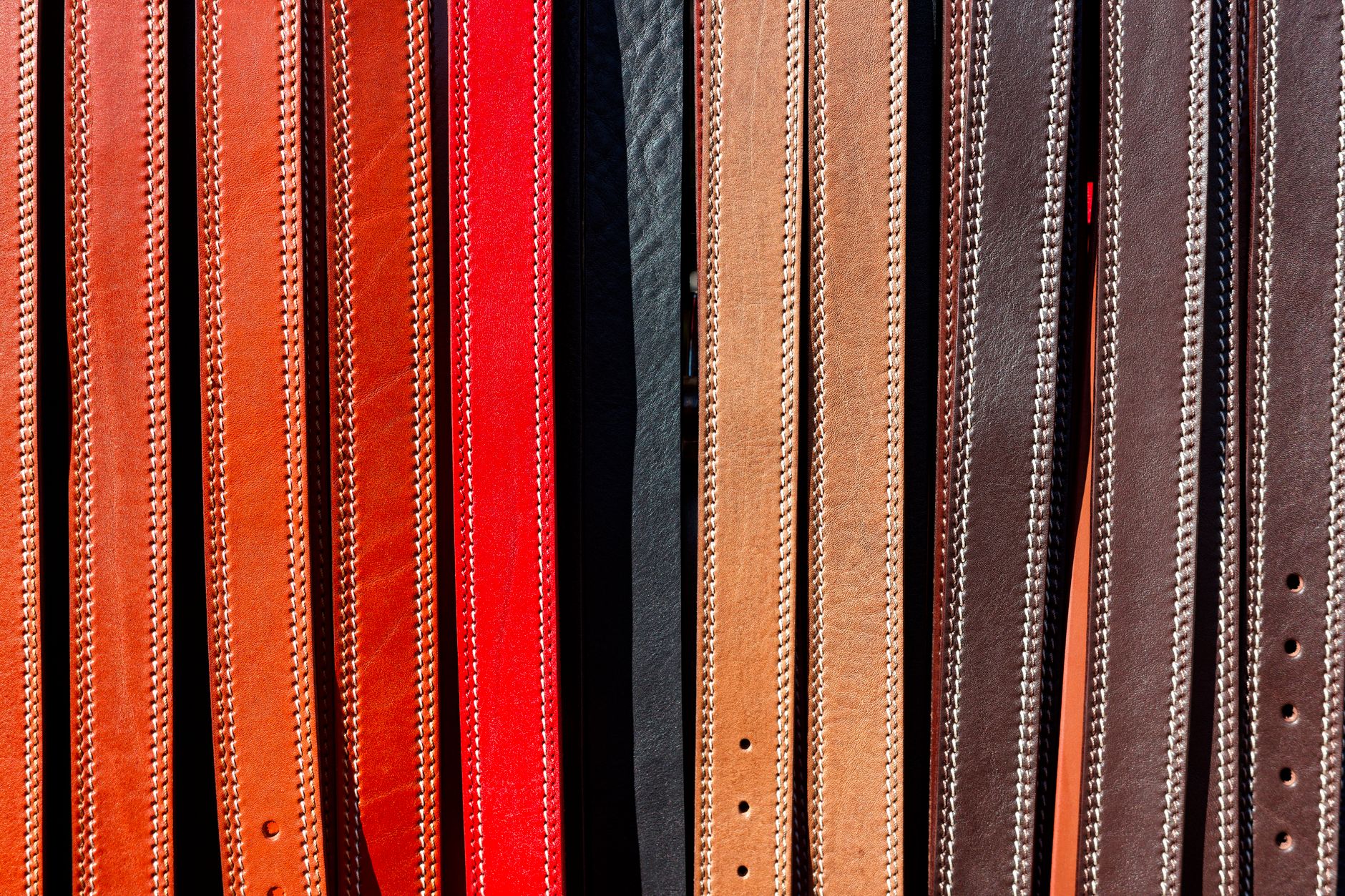
The styling logic around the slim belt has evolved from its earlier incarnations. Gone is the rigid, overtly cinched look of earlier decades – the goal now is ease, not architecture. The belts showing up in current wardrobes tend to be thin, between one and two centimeters wide, in soft leather with simple hardware. They’re worn loosely enough to suggest definition rather than enforce it. That distinction matters: this version is about proportion, not correction.
One of the most consistent pairings is the slim belt over a long blazer or structured coat. Threading a narrow belt through coat loops or simply wrapping it over a mid-length blazer creates a vertical line that gives the whole outfit a waist without constricting anything. It works over cashmere, over tailoring, over the kind of straight-cut coats that have replaced draped styles in many wardrobes. The silhouette stays relaxed; the belt simply tells you where the body is.
Trouser styling is the other major frontier. High-waisted wide-leg trousers worn with a slim belt threaded through every loop creates a look that’s both structured and easy. It replaces the need for a tucked-in top – the belt does the work of drawing the eye and establishing proportion on its own. Color matters here: a tonal belt that matches the trouser reads as subtle and editorial, while a contrast belt in tan against navy or ivory against black makes the waist the visual anchor of the entire outfit.
The Hardware Question and What It Says About Taste
Buckle choice has become one of the more telling indicators of where someone falls on the style spectrum. The slim belts gaining traction now largely feature simple, understated hardware – small rectangular buckles, flat brass fittings, minimal engraving. The logoed buckle, a dominant accessory signal in certain cycles of luxury fashion, isn’t leading this particular revival. The appeal here is in the leather itself, in the stitching, in the way the material softens with wear.
That preference for quiet hardware connects to a broader appetite for accessories that read as personal rather than branded. The goal isn’t to telegraph a house – it’s to demonstrate that you understand proportion and finishing. A slim cognac belt with an aged brass buckle communicates exactly that. It suggests a wardrobe assembled with patience rather than purchased in a single enthusiastic season.
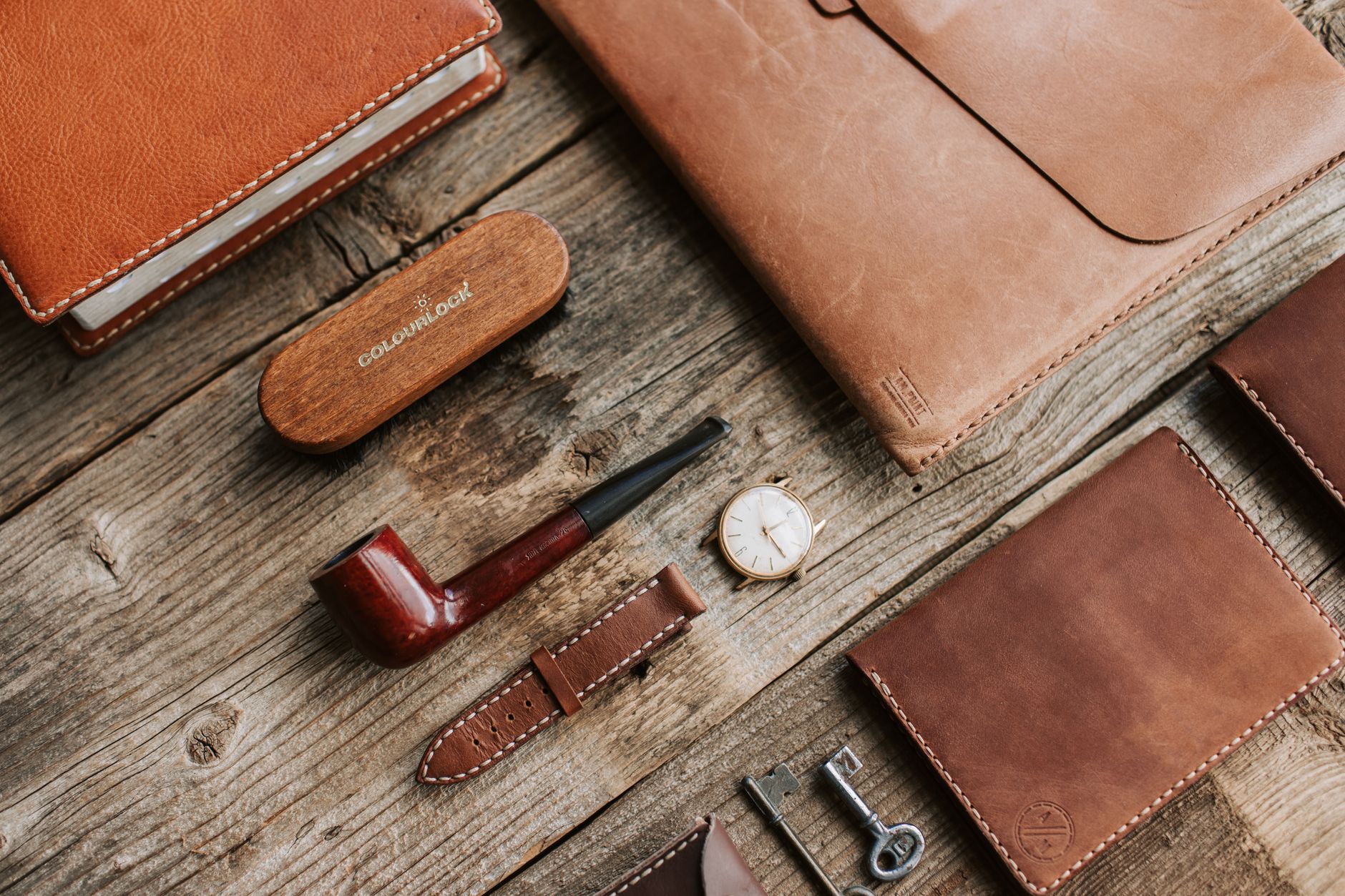
Vintage and secondhand markets have become a primary source for this specific type of belt. The slim leather belts produced by Italian manufacturers in the 1980s and 1990s – before fashion moved toward wider statement styles – are exactly what current dressers are seeking. They’re thin, well-made, and carry the kind of patina that can’t be manufactured. That’s a problem for the new retail market trying to capitalize on the trend: the best versions of this belt have already been worn by someone else.
Where This Leads
The slim belt revival isn’t a dramatic overcorrection – no one is advocating for waist-cinching as a moral position. What’s happening is more pragmatic than that. Dressers who spent years in unstructured silhouettes are discovering that a single slim belt can do more for an outfit’s visual logic than almost any other single piece. It costs less than a new coat. It doesn’t require a wardrobe overhaul. And it works on the clothes already hanging in the closet – which, for the increasingly edited, buy-less approach to dressing, is precisely the point. The real question is whether the slim belt stays in the quiet register where it’s most powerful, or whether fashion finds a way to overcomplicate it before the moment fully lands.