


The straw basket had a good run. Woven from seagrass or rattan, it carried everything from market bread to beach towels and became the unofficial prop of a certain aspirational summer aesthetic. But something quieter, more structured, and arguably more wearable has been moving in on its territory: the raffia tote. Not loudly, not through a single viral moment, but through a steady accumulation of editorial appearances, designer collections, and the kind of organic street-style adoption that signals a real shift rather than a seasonal blip.
Raffia is not new. The palm-derived fiber has been used in craft and fashion for decades, appearing in everything from 1970s resort wear to artisan market stalls. What is new is how it is being cut, structured, and positioned. The raffia tote specifically – as distinct from the floppy basket or the beachy bucket – is arriving with clean lines, reinforced handles, and a silhouette that reads less “farmer’s market” and more “considered wardrobe addition.” That distinction is doing a lot of work right now.
What the Straw Basket Got Right – and Wrong
The straw basket’s appeal was always partly about what it was not: not plastic, not logo-heavy, not trying too hard. It arrived as a natural-material antidote to the structured leather handbag and the nylon mini. It photographed beautifully in sunlight. It suggested a life of farmer’s markets, coastal holidays, and effortless dressing. Brands from Saint Laurent to smaller Etsy sellers leaned into it, and for several seasons it sat comfortably at the center of a particular vision of relaxed, natural-world dressing.
The problem is that the straw basket never quite escaped its own associations. It remains fundamentally seasonal, tied to warmth and leisure in a way that limits how far it can travel through a wardrobe. Put it with a tailored blazer in November and something feels off. The visual grammar of straw is too wedded to sand and sun to migrate convincingly into the rest of the year. That seasonal ceiling is exactly where the raffia tote finds its opening.
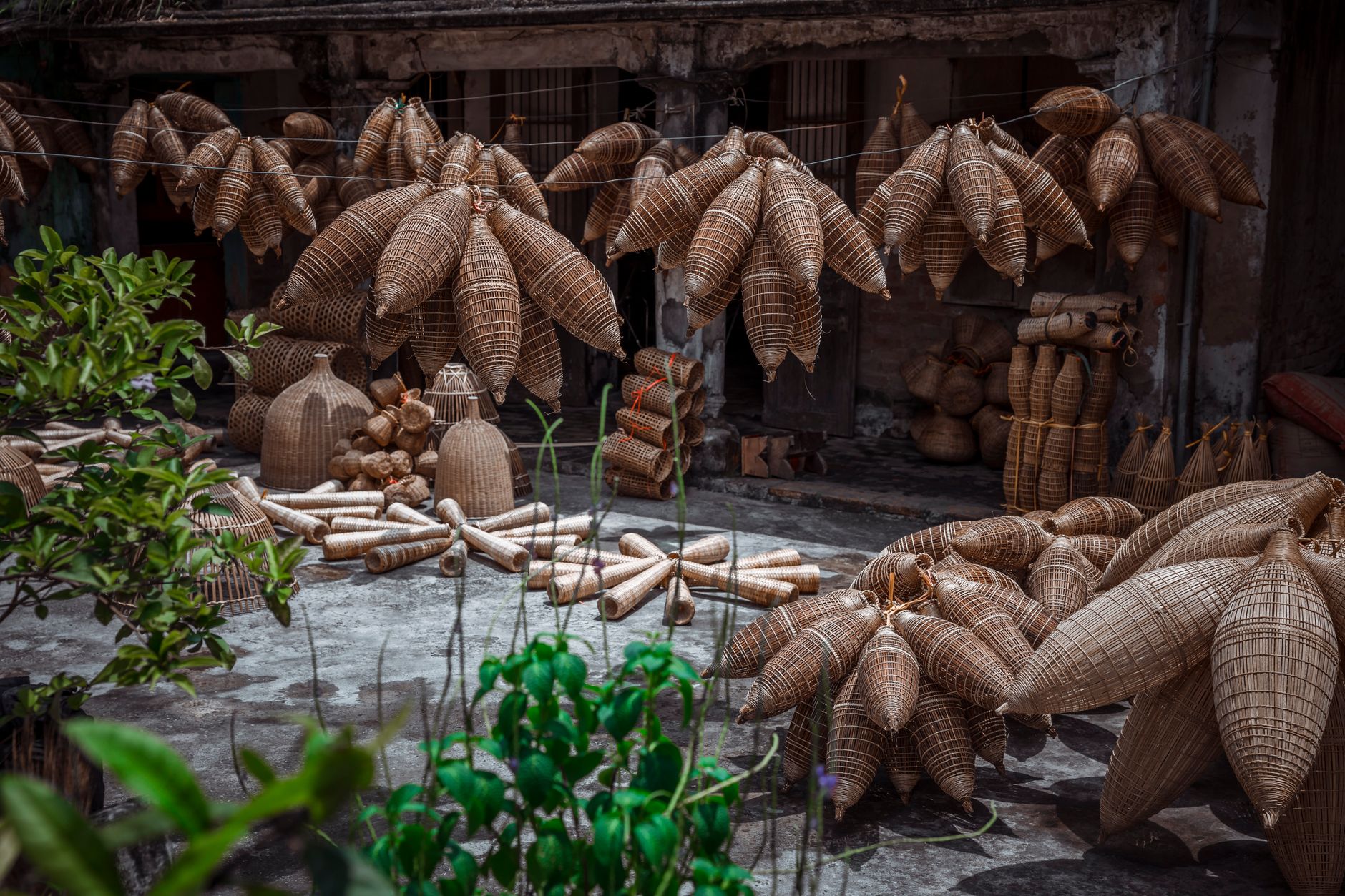
Raffia has a different texture – more matte, less rustic, with a tighter weave that allows for cleaner construction. Totes made from it can hold a shape closer to a structured leather bag than to a picnic basket. That physical difference translates directly into outfit flexibility. The raffia tote can sit beside a linen blazer, a cashmere knit, or a silk slip dress without creating the cognitive dissonance that a rattan basket sometimes does when pulled out of strictly warm-weather context.
The Role of Construction and Scale
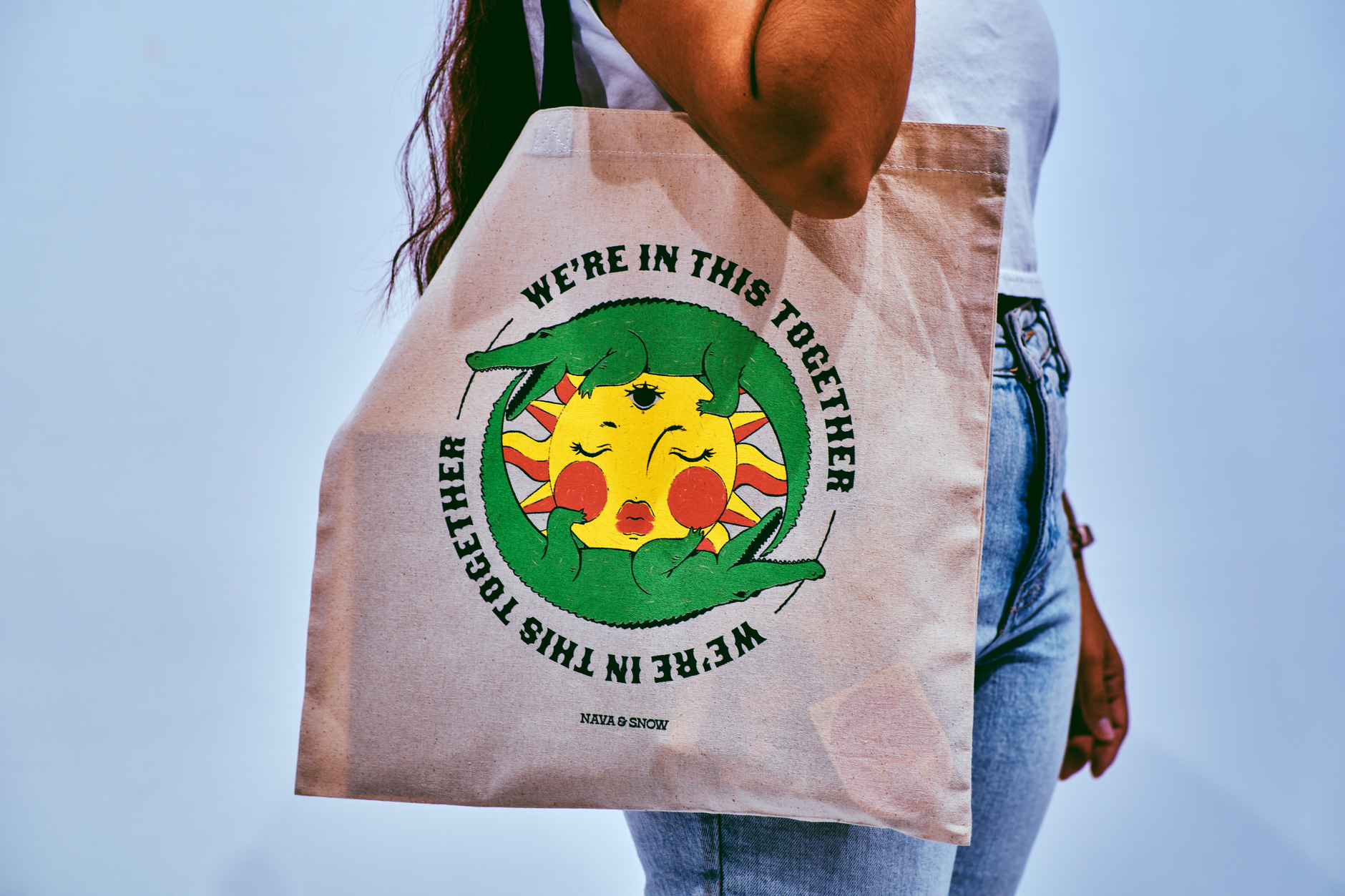
Scale matters here more than the material alone. The current raffia tote tends to run larger and more rectangular than the classic straw basket, built to function as an actual everyday bag rather than a charming accessory. Interior capacity, flat bottoms that allow the bag to stand on its own, and handles long enough to sit on a shoulder – these functional details reframe the object entirely. It stops being decorative and starts being useful, which is the threshold a bag needs to cross to earn daily rotation.
Some versions now include leather trim, interior pockets, or zip closures. These additions are not always necessary, but they signal something about intent: the raffia tote is being designed for people who want natural materials without sacrificing practicality. The bag’s construction is making the case that craft and function are not in opposition.
Why This Moment Specifically
Fashion’s current appetite for natural materials has not cooled, but it has matured. The first wave of that interest was largely about aesthetics – linen, jute, rattan, all chosen for how they looked. The current iteration is more demanding. Buyers want natural materials that also perform: that age well, that hold their structure, that work across more than one season or context. Raffia, properly constructed, checks more of those boxes than straw does.
There is also a craft dimension that carries weight right now. Raffia totes are frequently handwoven, and that production process – visible in the texture of the finished bag – connects to a broader interest in artisan goods and slow fashion. The bag looks like someone made it, because someone did. In a market where consumers have grown skeptical of mass-produced “artisan aesthetic” branding, a material whose hand-woven origins are actually legible in the finished object holds a different kind of credibility.
The price point plays into this too. Quality raffia totes sit in a range that feels accessible relative to leather designer bags but still signals deliberate purchase rather than fast fashion impulse buy. That positioning – between the disposable and the investment piece – is a comfortable place to land for a consumer who cares about what they carry but is not ready to commit four figures to a handbag. It is also a range where independent designers and small brands can compete, which explains why so much of the raffia tote momentum is coming from outside the traditional luxury houses.
Proenza Schouler’s ongoing conversation around the shoulder bag points to a broader dynamic: when a bag category gets redefined structurally – not just aesthetically – it tends to stick. The raffia tote is doing something similar. It is not replacing the straw basket in the same product category so much as making a case that natural-material bags can live in your closet year-round. If it succeeds at that, the straw basket does not disappear, it just gets reassigned to the role it always played best: the bag you grab specifically because you are going somewhere sandy.
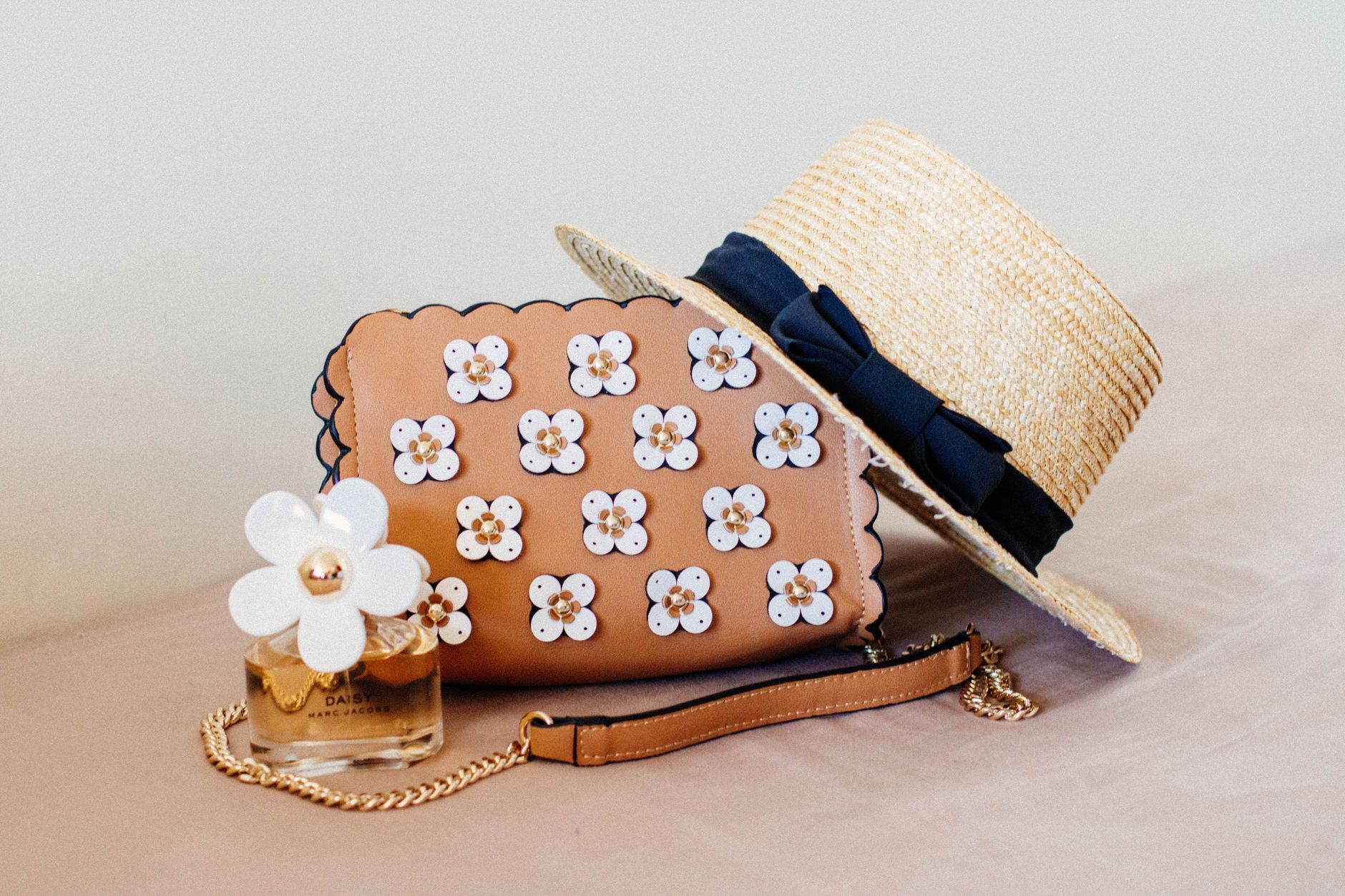
The real test will come when autumn dressing starts in earnest. Raffia has to prove it can hold up visually against the heavier textures – wool, corduroy, leather – that dominate wardrobes once temperatures drop. Some versions are already showing up in darker, more muted tones: deep olive, cognac, near-black. Whether those colorways are enough to extend the season, or whether buyers still reach for leather when the light changes, is the question the tote has not answered yet.