


The Ritual Economy of Cold Water
Walk past any wellness studio in a major city on a Tuesday morning and you will likely see a line of people waiting – not for a spin class or a yoga session, but for the chance to lower themselves into a tub of near-freezing water for three minutes. Cold plunge memberships, once reserved for elite athletic recovery centers and biohacker meetups, have gone thoroughly mainstream. The price points are real, the waitlists are real, and for a growing number of people, the monthly cold plunge subscription has become the line item that replaces, rather than supplements, a traditional gym membership.
This is not simply a fitness trend cycling through. The shift points to something more specific: a change in what people are actually buying when they pay for a wellness membership. The gym sold fitness. Cold plunge studios are selling a feeling – specifically, the acute mental clarity and mood reset that comes from repeated cold water immersion. That distinction is driving real business decisions and real spending changes.
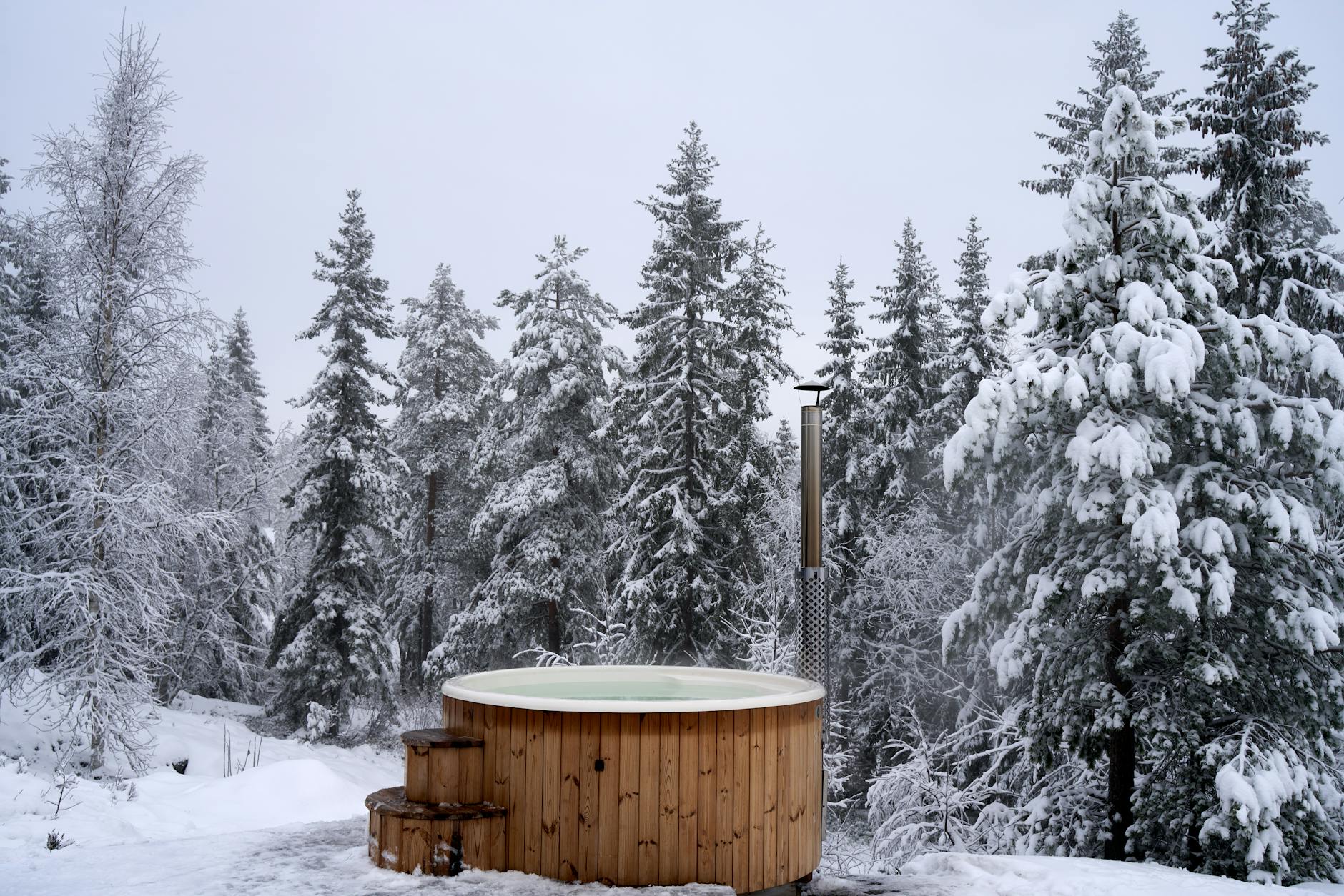
What Cold Plunge Studios Are Actually Selling
The physiological case for cold water immersion is not new. Athletes have used ice baths for muscle recovery for decades. What changed is the framing. Modern cold plunge studios have repackaged the experience as a mental health and stress-management tool rather than a sports recovery method. Sessions are short, typically three to five minutes, and the acute hormonal response – a spike in norepinephrine followed by a sustained elevation in mood – is repeatable and fast-acting. For someone dealing with low-grade anxiety or the mental fog of desk work, that response is genuinely useful in a way that a forty-five-minute treadmill session often is not.
Studios have built entire membership models around that repeatability. A standard cold plunge membership at a dedicated facility typically runs anywhere from $80 to $200 per month, depending on visit frequency and whether infrared sauna or contrast therapy is included. That pricing sits directly in the range of a mid-tier gym membership. The difference is that members are often visiting more frequently and with more consistency – because the sessions are short enough to fit into a lunch break and the payoff is immediate rather than deferred over weeks of training.
The social architecture of these spaces also matters. Cold plunge studios have borrowed heavily from the boutique fitness playbook – carefully designed interiors, towel service, ambient lighting, optional guided breathwork – but the communal element around the plunge tanks creates a different kind of bonding. Suffering briefly alongside strangers has a way of accelerating conversation. Several operators have deliberately leaned into this, hosting early-morning sessions that function more like a recurring social ritual than a solo workout.
Why Traditional Gyms Are Feeling the Pressure
Legacy gym operators are not ignoring this. A number of large fitness chains have started installing cold plunge and contrast therapy amenities as add-on features, attempting to absorb the trend rather than compete with it head-on. The problem is that a plunge tub in the corner of a crowded gym floor is a different product from a dedicated facility built around the ritual entirely. Members who have experienced both tend to notice the difference immediately.
There is also a demographic element worth watching. The members quietly canceling gym subscriptions in favor of cold plunge studios skew toward people in their late twenties through mid-forties who are explicitly prioritizing mental and nervous system recovery over aesthetic fitness goals. This is not a universal shift, but it is concentrated enough in high-spending urban demographics that it is showing up in membership attrition conversations inside the traditional fitness industry.
The Membership Logic Behind the Switch
For anyone doing the math on wellness spending, the replacement logic makes more sense than it might initially appear. A gym membership assumes the member will show up consistently enough to justify the cost – a notoriously difficult habit to sustain. Cold plunge memberships carry a higher show-up rate partly because the sessions require so little time commitment and partly because the benefit is noticeable enough after a single visit that members are motivated to return. When a $120-per-month cold plunge membership is delivering three to four visits per week and a $60-per-month gym membership is being visited twice in a calendar month, the per-experience value calculation flips entirely.
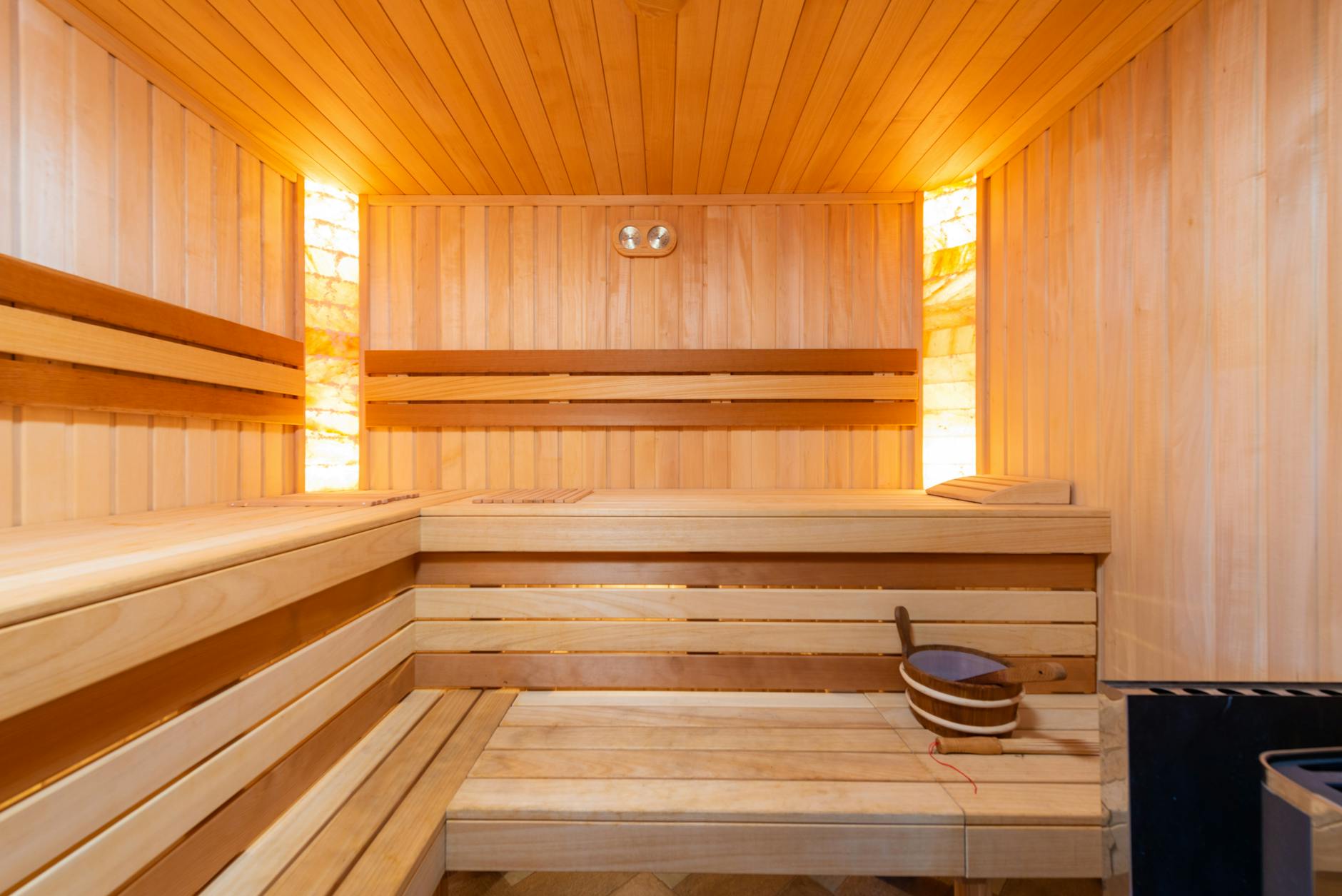
The contrast therapy model – pairing cold plunge with sauna in alternating cycles – has expanded the appeal further by capturing the social and decompression functions that gyms used to own. People who previously met friends for a gym session or used a sauna to unwind after work are finding that dedicated contrast therapy studios serve both purposes more directly. The gym’s function as a third place, somewhere between home and the office, is being contested by spaces that offer a more deliberate, compressed version of that experience.
Pricing strategy has also played a role in accelerating adoption. A number of cold plunge operators have introduced introductory memberships and first-visit pricing that dramatically lower the barrier to entry, using the same tactics boutique fitness studios perfected ten years ago. Once a member experiences the post-plunge state – the specific combination of physical calm and mental sharpness that regular practitioners describe – the renewal rate tends to be high. The product sells itself on the second visit in a way that most gym equipment never does.
What the traditional fitness industry built over decades was a model dependent on members paying for access they rarely used. Cold plunge studios are operating on a different assumption: that their members will actually show up, and that the business should be built around that reality rather than against it. Whether that model holds as the market becomes more crowded – with new studios opening in nearly every mid-size city and home cold plunge units becoming more affordable – is the question operators are quietly trying to answer right now.
Frequently Asked Questions
How much does a cold plunge membership typically cost?
Most dedicated cold plunge studios charge between $80 and $200 per month, depending on visit frequency and whether sauna or contrast therapy is included.
Why are people choosing cold plunge over traditional gym memberships?
Cold plunge sessions are short, the mental and mood benefits are immediate after each visit, and members tend to attend far more consistently than they do with conventional gym access.