

When a Weave Becomes a Signature
Bottega Veneta’s Intrecciato – the hand-woven leather technique the Venetian house has used since the 1960s – was for decades almost exclusively the domain of the Pouch, the Cassette, and the Arco bag. The weave itself, a tight over-under lattice of leather strips, became so associated with a particular kind of quiet luxury that the bag almost became the brand and the brand almost became the bag. That era is closing, or rather, expanding.
Under creative director Matthieu Blazy, Intrecciato has been steadily migrating out of the accessories department and into full look territory. What began as an occasional experiment – a woven shoe here, a jacket there – has now become a consistent design language running through entire runway presentations. The weave is no longer a finishing detail. It is the structure itself.
From Accessories to Architecture
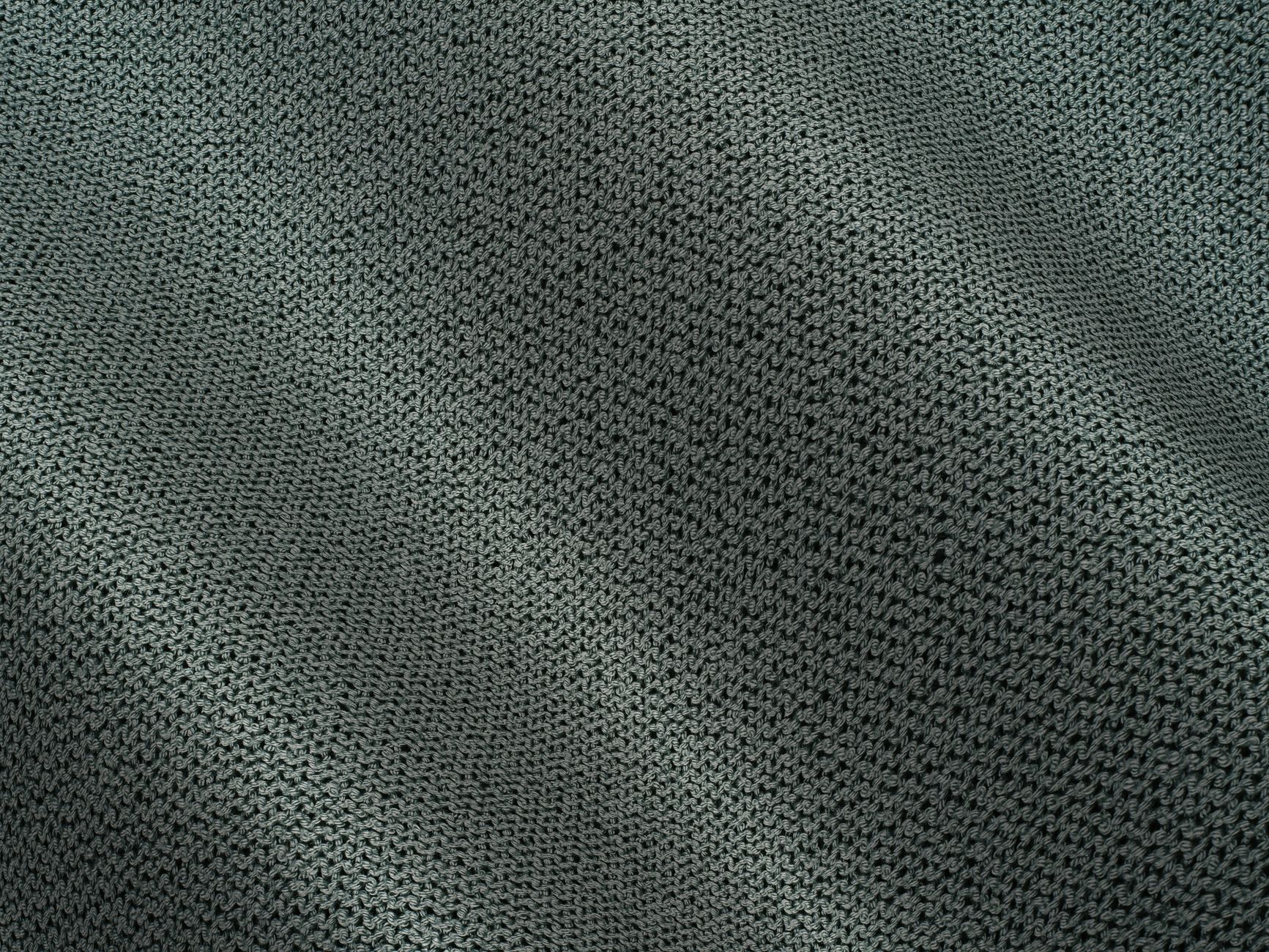
Blazy’s approach to Intrecciato reads less like a branding exercise and more like a material study. His collections have introduced the weave in contexts that feel almost architectural: floor-length woven leather coats where the interlacing creates visible depth and shadow, trousers where the lattice runs horizontally across the leg, and boots where the woven upper extends seamlessly from ankle to knee without any visible seam break. These are not pieces that nod to the technique. They are built from it.
What makes this expansion feel considered rather than gimmicky is the way Blazy treats Intrecciato as a structural solution, not a surface pattern. Woven leather has inherent give and flex that solid leather does not. A coat cut from Intrecciato moves differently on the body, drapes with more fluidity, and holds less rigidity at the shoulder. The technique that was once chosen for bags because it eliminated the need for lining is now chosen for garments because it produces a specific kind of drape that no other method replicates.
Footwear has been one of the clearest testing grounds. Woven leather loafers and mules have appeared across multiple seasons, priced significantly above the house’s standard smooth leather silhouettes – not because the materials are more expensive, but because the construction time is substantially longer. Each strip is cut, stretched, and woven by hand. A single boot can take hours before it ever meets a last.
The Craft Argument in a Fast Market
There is a commercial logic embedded in this expansion that goes beyond aesthetics. Luxury fashion is under increasing pressure to justify price points that keep climbing while product categories keep multiplying. Intrecciato, because it is genuinely labor-intensive, provides a visible and verifiable answer to the question of why something costs what it costs. You can see the work. You can count the strips.
This visibility of craft is something a growing number of heritage houses are trying to recapture through their runway narratives, but few have a technique as immediately recognizable as Intrecciato. The weave functions as both a quality signal and an instant brand identifier – a rare combination that most labels spend decades trying to manufacture through logo hardware or signature prints.

The Texture Economy
The spread of Intrecciato across product categories also reflects a broader consumer shift away from logo-heavy identification toward what might be called texture literacy – the ability to recognize a house by how a material behaves rather than by what is printed on it. Bottega Veneta built its modern identity on exactly this premise when Daniel Lee stripped back the branding in his tenure, and Blazy has deepened it rather than reversed it. The weave is the logo, except it requires knowledge rather than just recognition.
This has practical consequences for how the brand reaches new audiences. Someone who buys a woven leather boot is buying into the same visual vocabulary as someone who carries the Jodie, but through a different entry point and a different relationship to the body. Bags are carried and displayed. Shoes and clothing are worn and inhabited. The Intrecciato language in clothing asks for a different kind of commitment from the customer – one that extends beyond accessory to identity.
Blazy has also begun introducing the technique in unexpected materials beyond leather. Woven raffia, woven suede, and in some runway looks, woven fabric panels that mimic the Intrecciato structure without using leather at all. This is where the technique starts functioning less as a house signature and more as a design philosophy – the idea that structure should be visible, that the making should be readable in the finished object. Whether the market outside of the runway and the flagship stores absorbs this fully is the unresolved part of the story.
The Intrecciato boot retailing at several thousand dollars is not competing with a smooth leather boot at the same price. It is competing with the idea that what you wear should be as considered as what you carry – and that question has no settled answer in a wardrobe context the way it does when you set a bag on a table.