



The bouclé jacket had its moment – a very loud, very visible moment. Now, quietly and without fanfare, the merino knit is taking its place as the wardrobe investment that actually holds up season after season.
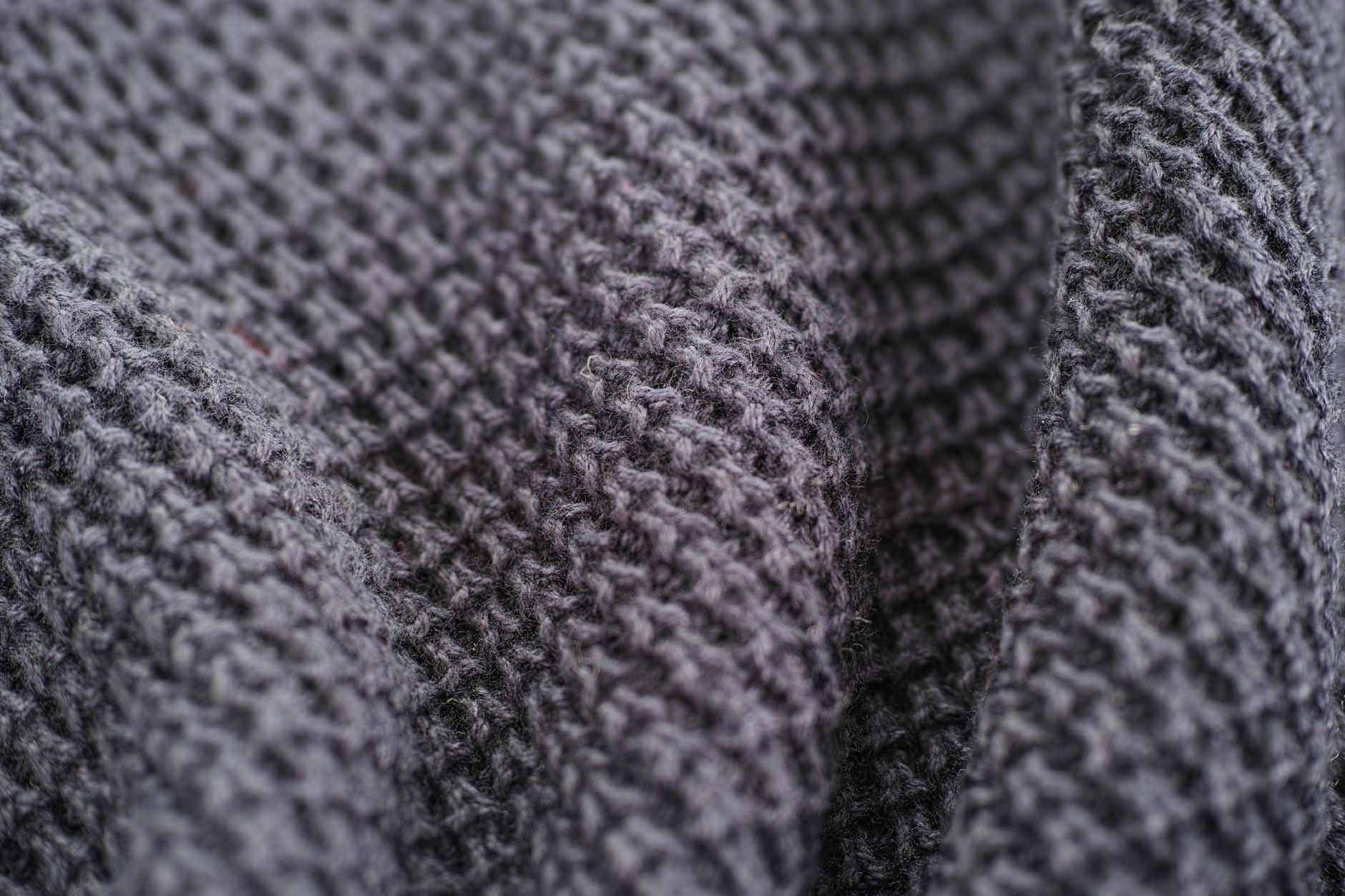
Why Merino Is Winning the Long Game
Gabriela Hearst built her brand on a specific premise: that beautiful clothes should also be responsible ones. Her merino knitwear sits at the center of that philosophy, designed with traceable wool sourced from farms with verified animal welfare standards. This is not marketing language bolted onto a product after the fact – it is the architecture of the garment itself, starting at the supply chain before a single stitch is placed.
Merino wool has a particular quality that bouclé, for all its visual appeal, cannot match: it performs. The fiber regulates temperature naturally, resists odor, and maintains its structure through repeated wear without pilling the way cheaper knits do. A Hearst merino piece worn in October will look largely the same in March, which is not something that can be said for the heavily textured bouclé styles that dominated editorial pages two winters running. Bouclé catches on everything – bags, coat linings, upholstery – and it shows the wear quickly.
The shift away from bouclé is not about bouclé being bad. The Chanel-coded texture had genuine appeal, and it photographed beautifully. The problem is that it photographed better than it lived. In practice, bouclé is high-maintenance in proportion to its price point, and enough women have now owned one to know the difference between a jacket that looks good in a fitting room and one that survives a full year of actual use.
Hearst’s merino pieces do not announce themselves the way bouclé does. They are quiet in silhouette, often arriving in undyed or naturally toned shades that absorb into an outfit rather than leading it. That restraint is exactly what gives them staying power. A garment that does not rely on a specific texture trend to justify its existence has a much longer life in a wardrobe than one that reads as directly tied to a single seasonal mood.
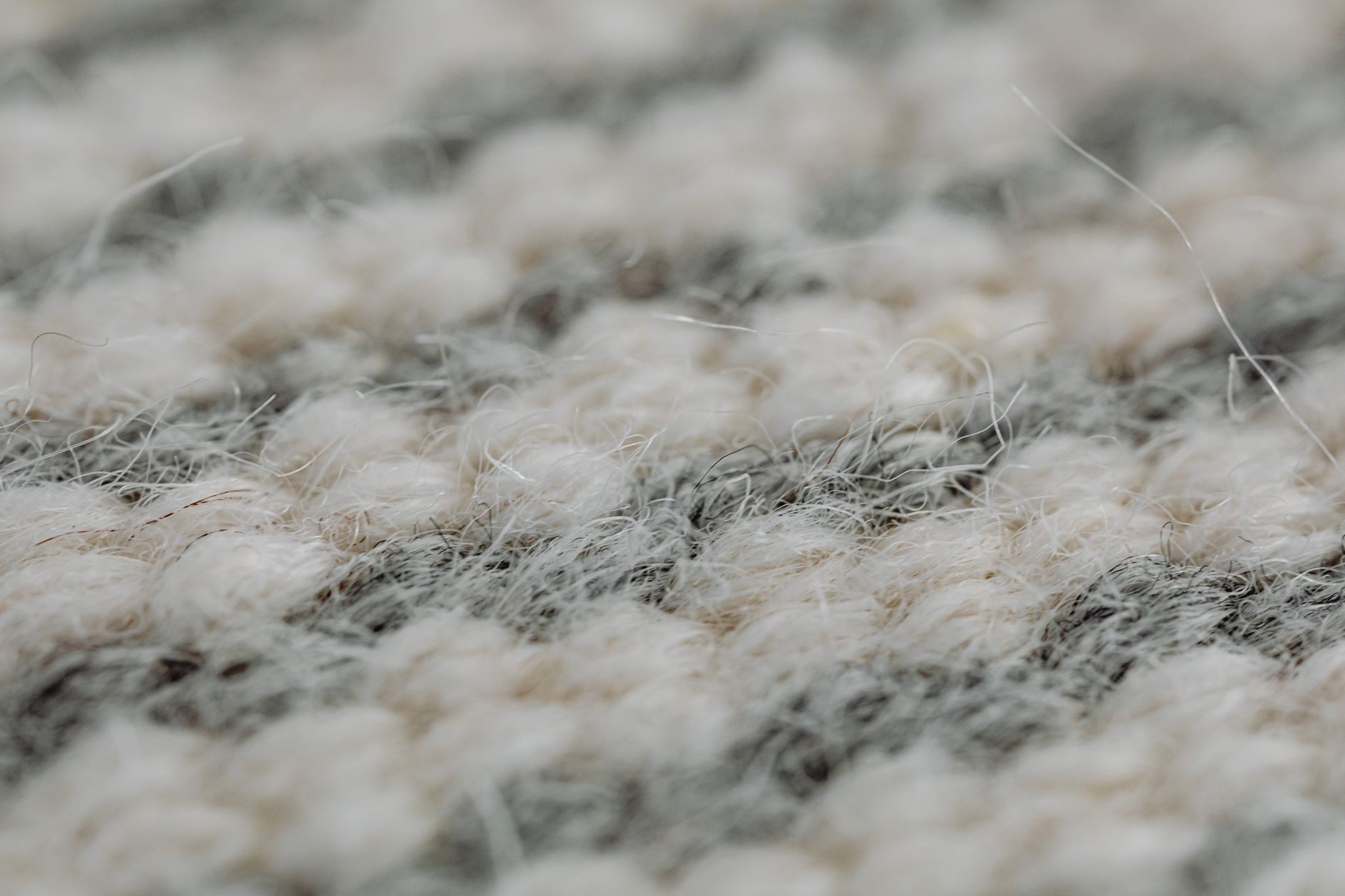
The Cashmere Comparison and the Real Value Calculation
For years, cashmere held the top position in the luxury knit hierarchy, and it still carries significant prestige. But merino has started to challenge that ranking on practical grounds. Cashmere is softer on first contact, no argument there. The issue is longevity. Quality merino – particularly the superfine grades Hearst uses – holds its shape and resists pilling in a way that many mid-tier cashmere pieces simply do not. The comparison that matters is not how a sweater feels on day one, but how it looks on day three hundred.
Price is also part of this conversation. Hearst’s merino knits are not inexpensive by any standard – her brand operates firmly in the upper tier of the contemporary luxury market. But they are positioned below the ceiling of bespoke cashmere, which puts them in an interesting middle zone: expensive enough that the purchase demands thought, but not so expensive that the buyer cannot also afford to actually wear it regularly. The garments that get worn are the garments that justify their cost. A piece left on a hanger because it feels too precious defeats the entire logic of investment dressing.
The sustainability angle reinforces the value calculation in a concrete way. Hearst is a brand that publishes supply chain information, uses deadstock fabrics where possible, and has committed to reducing the carbon footprint of production over time. Buying into that system – when the product itself is genuinely well-made – means the garment is not contributing to the cycle of purchase, mild disappointment, and early disposal that defines fast fashion at every price point, including the elevated one. This is the same logic driving interest in Loro Piana’s cashmere pieces, where the material quality and production standards make the initial outlay feel like a reasonable long-term trade.
There is also the question of dressing context. The bouclé jacket coded as office wear, or at least the aspirational version of office wear – structured, intentional, a little dressed up. As hybrid working patterns have made that specific register less relevant for many buyers, the merino knit has stepped in as something that translates across settings without requiring a contextual shift. It works under a coat on a commute and it works at a dinner. Bouclé does not have the same range.
Hearst has also been consistent in her color direction for knitwear, avoiding the trend-driven palette swings that make some pieces feel dated within two seasons. A cream merino turtleneck from three years ago does not read as old. That consistency is a design choice, not an accident, and it is part of why the pieces accumulate rather than rotate out.
What This Means for How We Buy Now
The appetite for pieces that justify their price through actual performance rather than status signaling has been building for some time, and Hearst’s merino knits are well-positioned to benefit from it. Buyers who have spent money on trend-specific items and watched them lose relevance within a year are increasingly approaching the luxury market with a different question: not “is this beautiful” but “will I still want this in four years.” Merino answers that question more reliably than most.

The bouclé jacket will not disappear entirely – it is too embedded in the visual vocabulary of classic dressing to vanish. But its dominance as the default luxury outerwear layer is receding, and what is replacing it is less about a single competing style than a general preference for texture and material that earns attention through quality rather than statement. Hearst’s merino occupies that space without trying to fill every room it enters, which right now is exactly the right approach – and a harder thing to manufacture than it looks.
Frequently Asked Questions
Why is Gabriela Hearst merino knitwear considered a good investment?
The pieces use traceable superfine merino wool that resists pilling, holds its shape over hundreds of wears, and avoids trend-specific styling that dates quickly.
How does merino compare to cashmere for long-term wear?
Quality merino often outperforms mid-tier cashmere in durability and shape retention, making it a more practical choice for garments worn regularly across seasons.