


The Return of Structure
The Céline Phantom has been around long enough to have gone out of fashion and come back again – which is exactly what makes its current moment so telling. Originally introduced under Phoebe Philo’s tenure, the Phantom sat at the intersection of minimalist sculpture and everyday utility: a bag that looked like it meant something without announcing itself too loudly. It was never trying to be the loudest thing in the room. Now, in a market flooded with micro bags, logo saturation, and chain-strap everything, that restraint reads as a statement.
What’s happening with the Phantom is less about nostalgia and more about correction. The tote – that workhorse category that dominated wardrobes for years – got dismissed as too casual, too unstructured, too shapeless for a moment that wanted drama. The Phantom never fully left, but it’s now finding renewed traction among buyers who want something that functions like a tote but carries itself like an investment piece. The structured silhouette does what a canvas carryall cannot: it holds its shape, ages with intention, and photographs cleanly from every angle.
Why the Phantom Works Now
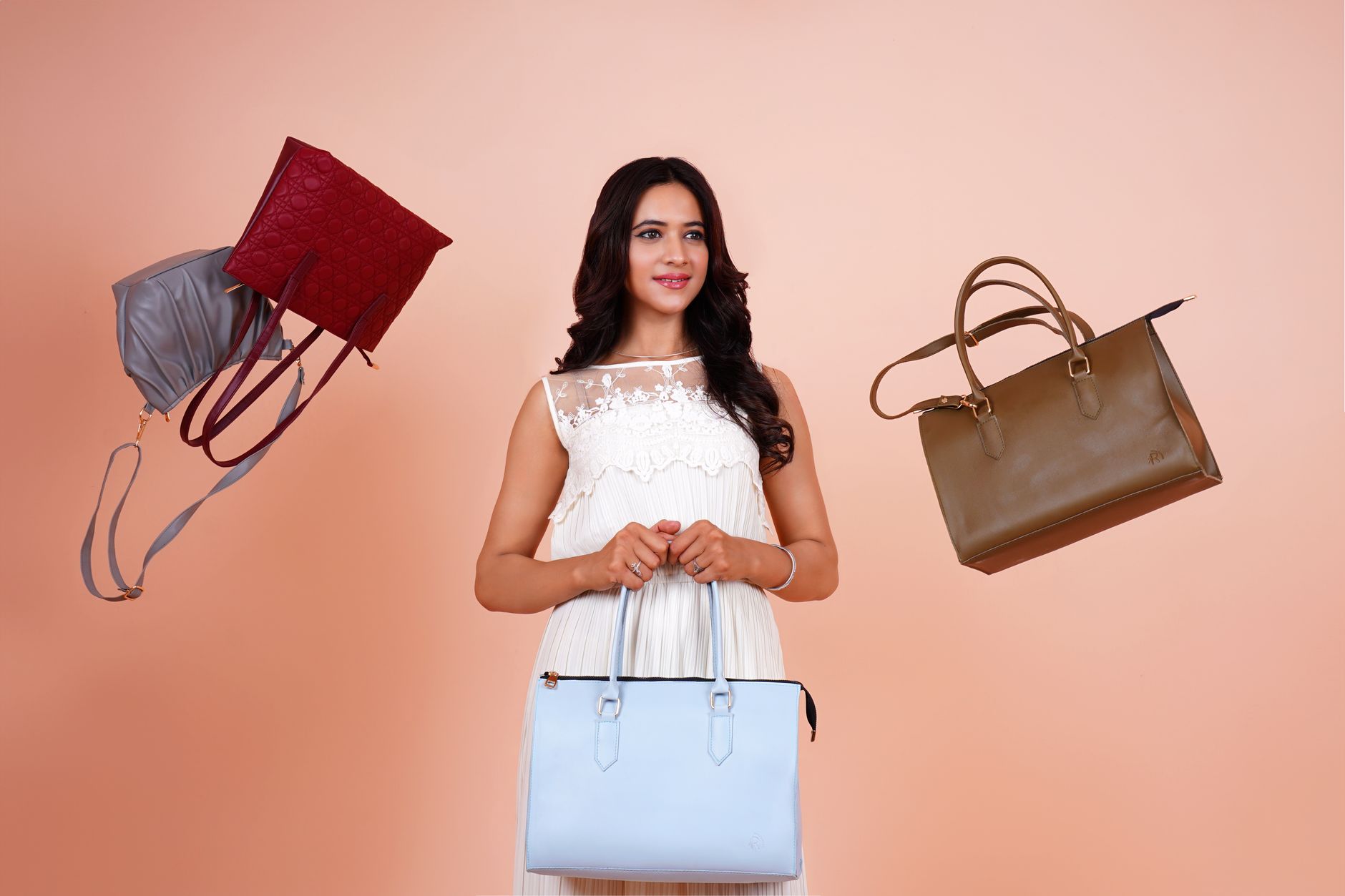
The tote’s decline wasn’t really about the tote itself – it was about excess. When every brand launched an oversized leather carryall with a visible logo and a four-figure price tag, the category started to feel interchangeable. Shoppers began reaching for bags with more defined personalities. The Phantom has always had one. Its slightly trapezoid body, flat handles, and snap-button closure give it enough geometry to feel intentional without veering into avant-garde territory that alienates daily wear.
There’s also a material argument. The Phantom’s signature supple leather – often in a grained or smooth calfskin – holds up differently than the coated canvas or nylon that became shorthand for “practical luxury” over the past few years. Leather bags that develop a patina reward long-term ownership in a way that trend-specific materials don’t. That durability narrative is resonating right now, especially as the broader conversation around wardrobe investment has shifted from quantity toward longevity.
Hedi Slimane’s Céline has kept the Phantom in the lineup while steering the house toward a rockier, more Parisian-youth aesthetic. That context matters. A bag that survives a complete creative overhaul – and continues to sell – isn’t riding a trend. It’s filling a need that trend cycles don’t touch. The Phantom sits in that rare space where the design is old enough to carry heritage credibility but not so dated that it reads as vintage-only territory.
Size also plays a role. The Phantom comes in configurations that actually accommodate a real day’s worth of carrying – laptop, water bottle, miscellaneous life – without collapsing into a shapeless heap by 3pm. That sounds functional rather than fashionable, but function is exactly what a growing number of buyers are requiring from bags at this price point. The days of a beautiful object that can’t hold anything are numbered.
The Tote’s Problem (And the Phantom’s Answer)
Structured bags have historically been positioned as the sophisticated alternative to the tote, not the replacement for it. The Phantom is muddying that distinction in the most useful way: it borrows the tote’s capacity logic while refusing the tote’s visual casualness. You can carry everything you need and still look like you edited your day down to its essentials. That combination – volume without visual clutter – is the sweet spot the bag occupies.
The category of “bags that work” is narrower than it seems. Most bags either look polished but hold nothing, or hold everything but look like a storage solution. The Phantom threads that needle cleanly enough that it functions across dress codes. It works with tailored trousers and a blazer. It works with straight-leg jeans and a tucked shirt. It doesn’t demand a specific outfit register, which is what separates a useful wardrobe piece from a statement accessory that needs to be dressed around.
What It Signals About the Market
The Phantom’s quiet momentum is a reasonable indicator that the accessories market is correcting away from novelty. For a stretch, the dominant logic was that a bag needed to be immediately recognizable – by silhouette, by hardware, by logo – to justify its price tag. That visibility premium inflated values on certain shapes while making anything understated feel like a compromise. The Phantom never played by those rules, which now works in its favor.
Resale data tells part of this story without needing to be specific about numbers: Phantom listings retain strong secondary market value in part because the bag never had a single “moment” that would date it. Bags tied to a specific season or a particular cultural flash point tend to peak and drop. Bags that accumulate desirability slowly, without a PR push behind them, hold differently. The Phantom falls into the second category.

The comparison to other quietly dominant accessories is worth making directly. The same logic driving the Phantom’s current appeal applies to certain footwear and outerwear categories where clean design has outlasted trendier alternatives – the kind of pieces that don’t announce a season and don’t need to. A bag that doesn’t require justification every time you carry it is increasingly the thing people are willing to pay for. The question is whether Céline will push the Phantom harder now that it’s finding this second wave of attention, or whether its appeal depends precisely on the house leaving it alone.