
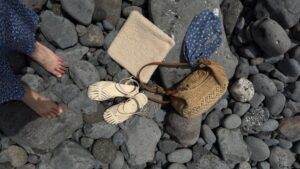

The ribbon mule had a good run. For the better part of three seasons, its silky ties and backless ease dominated the warm-weather shoe conversation – stacked on editorial pages, spotted on cobblestones, and deployed as the finishing touch on every flowy midi dress from here to the Amalfi Coast. But something has shifted on the shelves and the street level this spring, and the shoe quietly claiming that territory is the bow sandal.
The difference sounds subtle on paper. Both styles lean into femininity, both work with the same wardrobe references, and both register as dressed-up alternatives to a flat slide. But the bow sandal has something the mule never quite managed: it stays on. That practical reality – a secured heel strap or ankle fastening that keeps the shoe in place – turns out to matter more than expected when consumers are choosing between aesthetics that feel this close together.
Why the Bow Sandal Is Winning the Moment
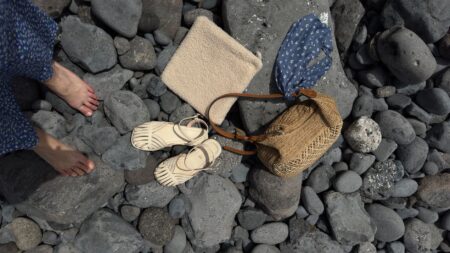
The bow sandal scores because it resolves a long-standing tension in warm-weather dressing: the desire for something that looks delicate without feeling precarious. Mules, by design, require a particular kind of shuffling gait to keep them on the foot, which limits where and how confidently a woman can actually move in them. A sandal with a bow detail at the ankle or toe strap keeps everything locked in, so the look reads just as soft and considered without the physical negotiation.
Silhouette also plays a role. The bow sandal tends to sit lower on the foot, distributing the decorative detail across the toe box or ankle rather than concentrating it at the vamp. That spread creates a more proportional visual finish with wide-leg trousers and full skirts – the exact pairings currently dominating warm-weather style. The ribbon mule, by contrast, ties its statement higher up the foot, which can read as disconnected from the leg when hemlines drop below the knee.
There is also the comfort conversation to consider. A growing number of brands are rethinking how much architectural support lives inside a feminine-looking shoe. The bow sandal format accommodates a padded footbed and a modest heel more naturally than the mule, where the backless construction limits what the shoe can structurally offer. Brands producing sandals with grosgrain or satin bow details are quietly pairing those ornamental touches with contoured soles that deliver real wearability across a full day.
The Style Codes Each Shoe Carries
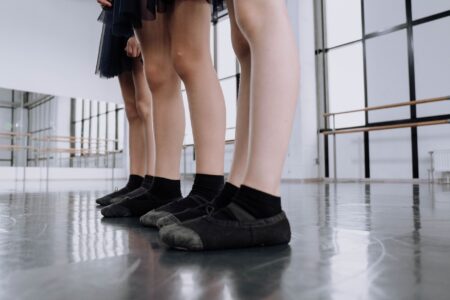
The ribbon mule carries a specific aesthetic load – boudoir dressing translated outward, nightgown fabrics worn in daylight, the deliberately undone. That coding works brilliantly within a certain fashion mood, but it is a mood with a narrower shelf life than the bow sandal’s referencing. The bow sandal draws from ballet, from garden party tradition, from classic Mediterranean summer style – all of which have stronger staying power because they are not locked to a single trend cycle.
What the ribbon mule did well was give shoppers an easy entry point into the femme dressing revival that accelerated over the last few seasons. The bow sandal is now positioned to carry that same energy forward without depending on trend momentum to justify it. It reads as a wardrobe staple in a way the mule – always slightly editorial, always slightly occasion-specific – never quite achieved.
What This Means for the Summer 2025 Shoe Market
Retailers ordering for summer have noticed that bow sandal styles are pulling stronger numbers in pre-season buys, while the mule category has seen quieter reorder activity. That pattern typically signals that buyers expect the new style to sustain demand across the full season rather than spike in a short window. It also suggests the bow sandal is being treated less as a fashion-forward statement piece and more as a category staple – which is exactly how footwear transitions from trend to mainstay.
The color conversation reinforces this. While ribbon mules lived in the fashion-week palette of ivory, champagne, and dusty rose, bow sandals are moving freely into navy, tan, black, and earthy red – neutrals that extend across a much wider range of existing wardrobes. A shoe that works with more of what someone already owns sells with less hesitation and gets replaced more loyally.
The styling versatility also shows up in how fashion editors are reaching for the bow sandal across different story types. It appears in beach edits and in office-summer features, in bridal coverage and in street style roundups. The mule concentrated its strongest placement in evening and event content, which capped its exposure. A shoe that crosses editorial categories that cleanly rarely stays a trend for long – it becomes a fixture.
At a retail price point, bow sandals tend to sit in accessible mid-market ranges alongside a healthy luxury offering, meaning the silhouette is available to a wider consumer base than the mule, which skewed toward higher price points when done well. The volume of production across more price tiers accelerates adoption and cements the style before the season is even fully underway. The ribbon mule will not disappear – it will migrate to the sale rack and resurface when the aesthetic conditions are right again. But the bow sandal is not waiting for that to happen.
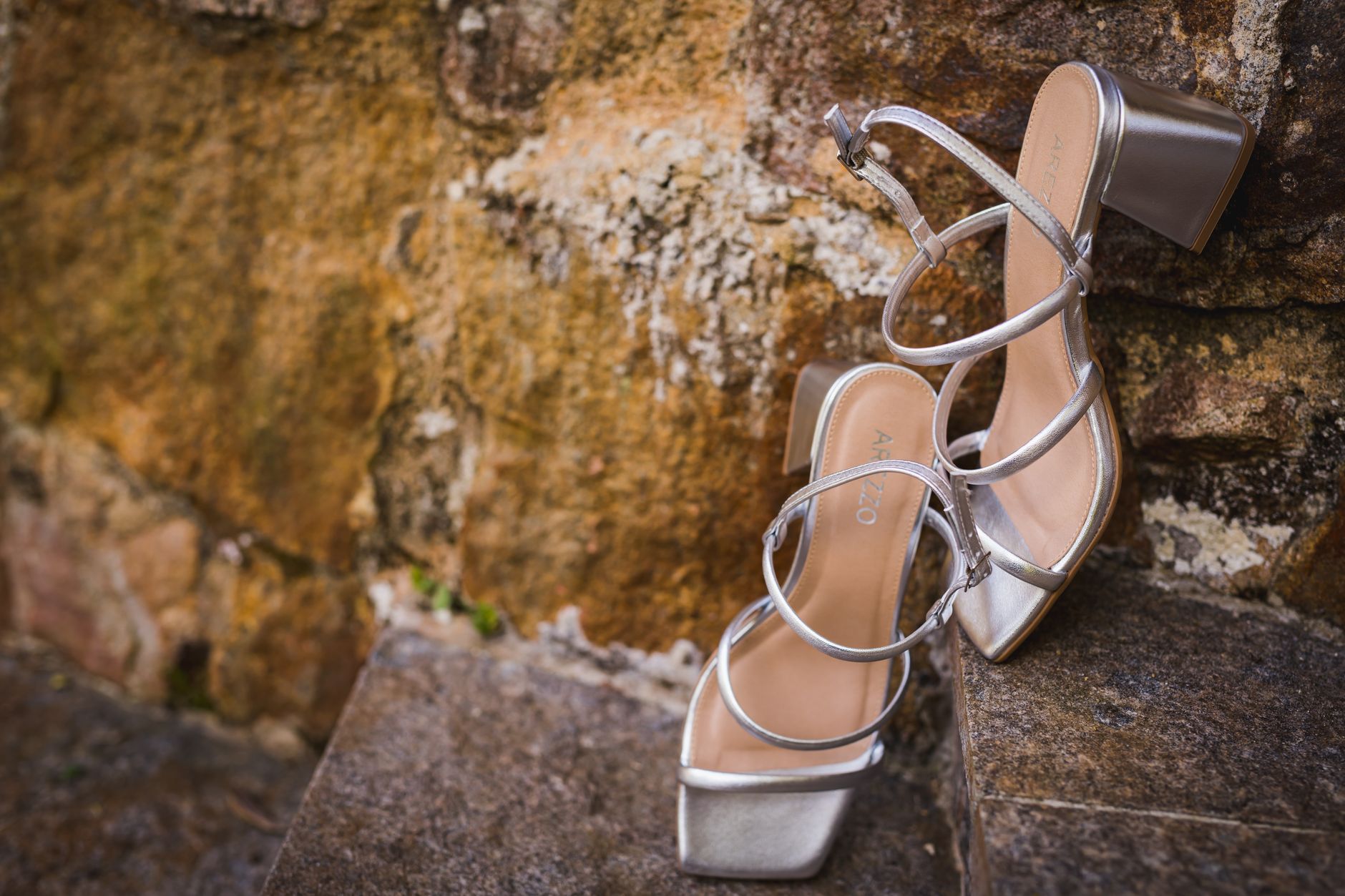
The real question heading into autumn buying is whether the bow detail itself remains the point, or whether the sandal format underneath it gets pushed into new directions – chunkier soles, darker materials, less obviously pretty hardware. A decorative motif that works this well across seasons tends to get tested at its edges once the mainstream catches up. Whether the bow survives that stretch into harder, cooler territory will determine how long it holds the position it is taking from the mule right now.