

The Heel That Won’t Quit
The kitten heel had its moment. It came back, got photographed on every influencer from Copenhagen to SoHo, landed on runway recap roundups, and was declared the rational woman’s answer to stilettos. And yet, quietly and without ceremony, the Manolo Blahnik BB pump has continued to sell. Not in the way a trend sells – with urgency and panic-buying – but in the way a staple sells: steadily, year after year, to women who already own one and want another color.
The BB pump has been in continuous production since the 1990s. That’s not a marketing claim – it’s just a fact that becomes more interesting when you measure it against how many shoe styles have cycled through “comeback” status in the same window.
What’s happening right now is less about fashion and more about calcification. The BB is becoming one of those objects that quietly stops being a choice and starts being the default – the thing you reach for when you need shoes that work and don’t require an explanation.
Why the BB Pump Holds Its Ground
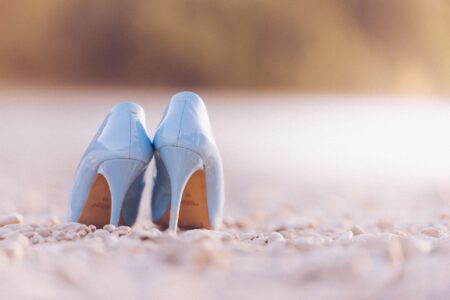
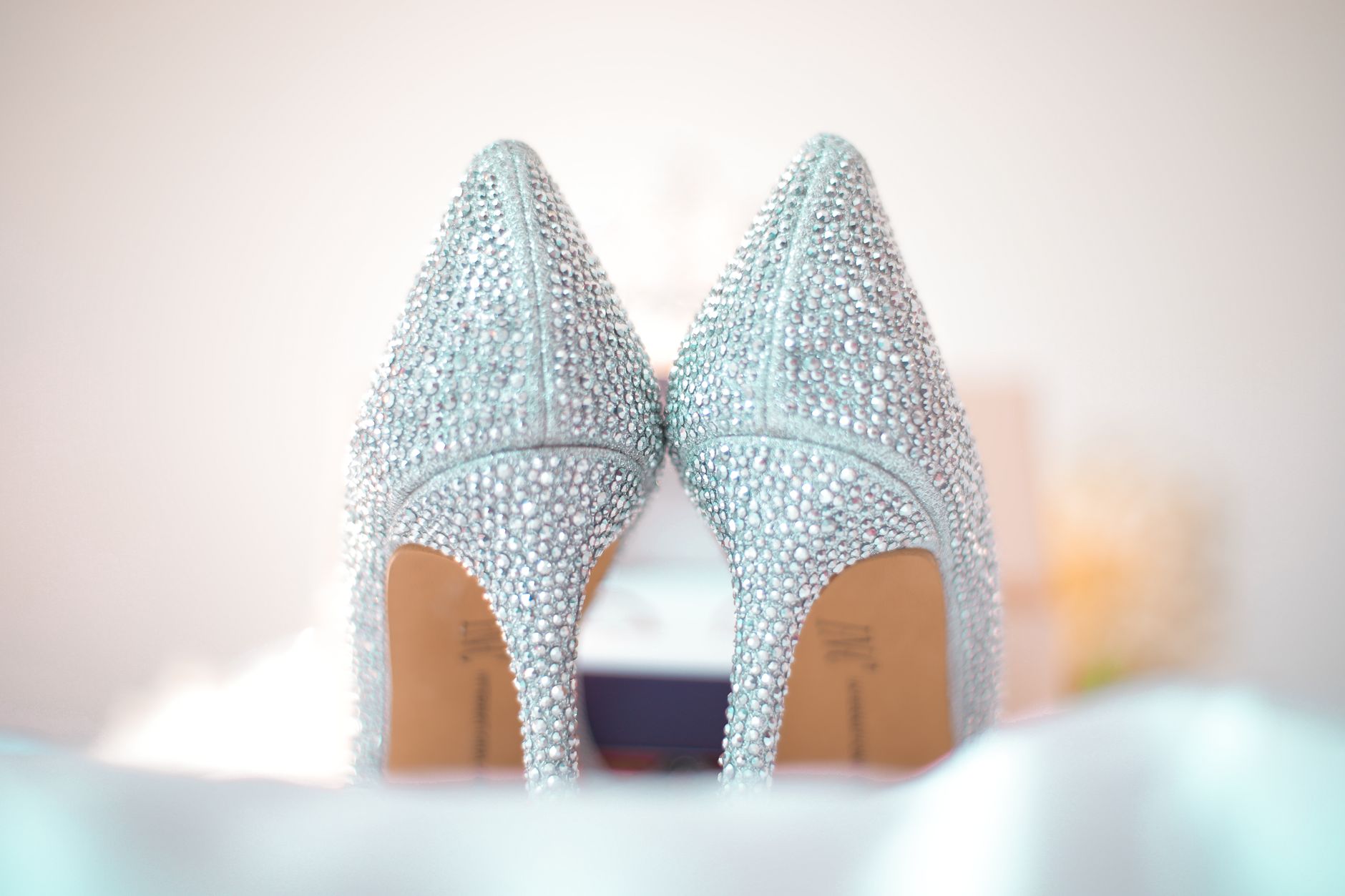
The BB’s construction is deceptively simple: a pointed toe, a mid-height heel (typically around 90mm), and an almond-shaped vamp that cuts low across the foot. Nothing about it is trendy, which is precisely the point. The silhouette reads as formal without being severe, which gives it a kind of social flexibility that most shoes simply don’t have. It goes with wide-leg trousers without looking retro. It works with a midi skirt without looking dated. It survives outfit changes that would break a more statement-forward heel.
The kitten heel, by contrast, carries historical baggage that keeps resurfacing. Every revival comes loaded with the same cultural conversation about femininity, practicality, and the politics of who wears what height. That conversation is interesting, but it’s exhausting to repeat every two years, and it’s part of why the kitten heel never quite settles into neutrality. It’s always being interpreted. The BB just gets worn.
There’s also the question of proportions. The BB’s heel height sits in a range – roughly 3 to 3.5 inches – that elongates the leg without destabilizing the stride. Kitten heels, at under two inches, can visually interrupt the line of the leg depending on how they’re styled, a problem that doesn’t disappear just because the heel is more wearable. The BB solves the aesthetic problem and the comfort problem simultaneously, which is a harder balance to strike than it sounds.
The Quiet Luxury Connection
The BB pump’s current persistence makes more sense when you look at where fashion’s appetite has been sitting for the past several seasons. The preference for investment pieces over trend pieces – quality over novelty – has pushed consumers toward things that don’t need defending. The BB fits that framework almost too perfectly. It’s expensive enough to feel like a decision, classic enough to feel like an investment, and recognizable enough to signal taste without announcing it loudly. This is the same logic driving interest in pieces like Carel Paris’s Mary Jane, another silhouette that’s outperforming trend-driven alternatives by offering longevity over novelty.
Manolo Blahnik himself has never chased trend cycles aggressively. The brand’s communication strategy has always leaned on heritage – archival imagery, the founder’s hand-drawn sketches, the history of the house. That approach looks smarter now than it did during peak logomania or the height of streetwear’s incursion into luxury fashion. When the market rewarded maximalism, Manolo’s restraint read as out of step. Now it reads as integrity.
Department store buyers have reportedly noted that the BB moves differently from other heels in its price range. It doesn’t spike after editorial coverage and flatten out six months later. It maintains a baseline that dips slightly in summer and recovers in fall – the same seasonal rhythm you’d expect from a coat or a tailored blazer. That pattern suggests it’s functioning less as a fashion item and more as a wardrobe infrastructure piece.
What the Kitten Heel Gets Wrong
The kitten heel isn’t a bad shoe. The issue is that it keeps getting positioned as a solution to a problem – specifically, the problem of heels being uncomfortable – and that positioning creates expectations it can’t always meet. A kitten heel is still a heel. It still requires a certain gait, still creates pressure at specific points, and still limits how far you can walk comfortably. Framing it as the sensible option sets it up to disappoint.
The BB doesn’t market itself as comfortable. It markets itself as beautiful, and on that point it delivers consistently. The heel height is enough to require intention – you dress for it, you plan for it – which paradoxically makes the wearing experience feel more deliberate and satisfying. There’s a kind of honesty in a shoe that asks something of you.
Kitten heels also tend to read as transitional – a shoe for someone who wants heels but not too much heel, which can come across as apologetic in contexts that reward commitment. That reading isn’t fair, but fashion isn’t always fair, and it explains why the kitten heel keeps cycling back rather than settling in. It occupies a middle ground that’s hard to own with conviction.
The BB pump doesn’t try to be everything. It’s a narrow, specific, high-maintenance object that happens to photograph beautifully, age into classics, and show up in the closets of women who have long since stopped buying shoes they’ll need to justify – and that combination, more than any trend endorsement, is what’s keeping it on shelves while the kitten heel runs another lap of the revival circuit.