


The ballet flat never really went away, but the version dominating shoe racks and street style edits right now is a sharper, more layered proposition than the smooth leather styles that defined the silhouette for decades. The fishnet ballet flat – constructed with an open, net-patterned upper over a sock or bare skin – is pulling ahead of its close cousin, the mesh flat, and the reasons why are worth unpacking.
What Separates Fishnet From Mesh
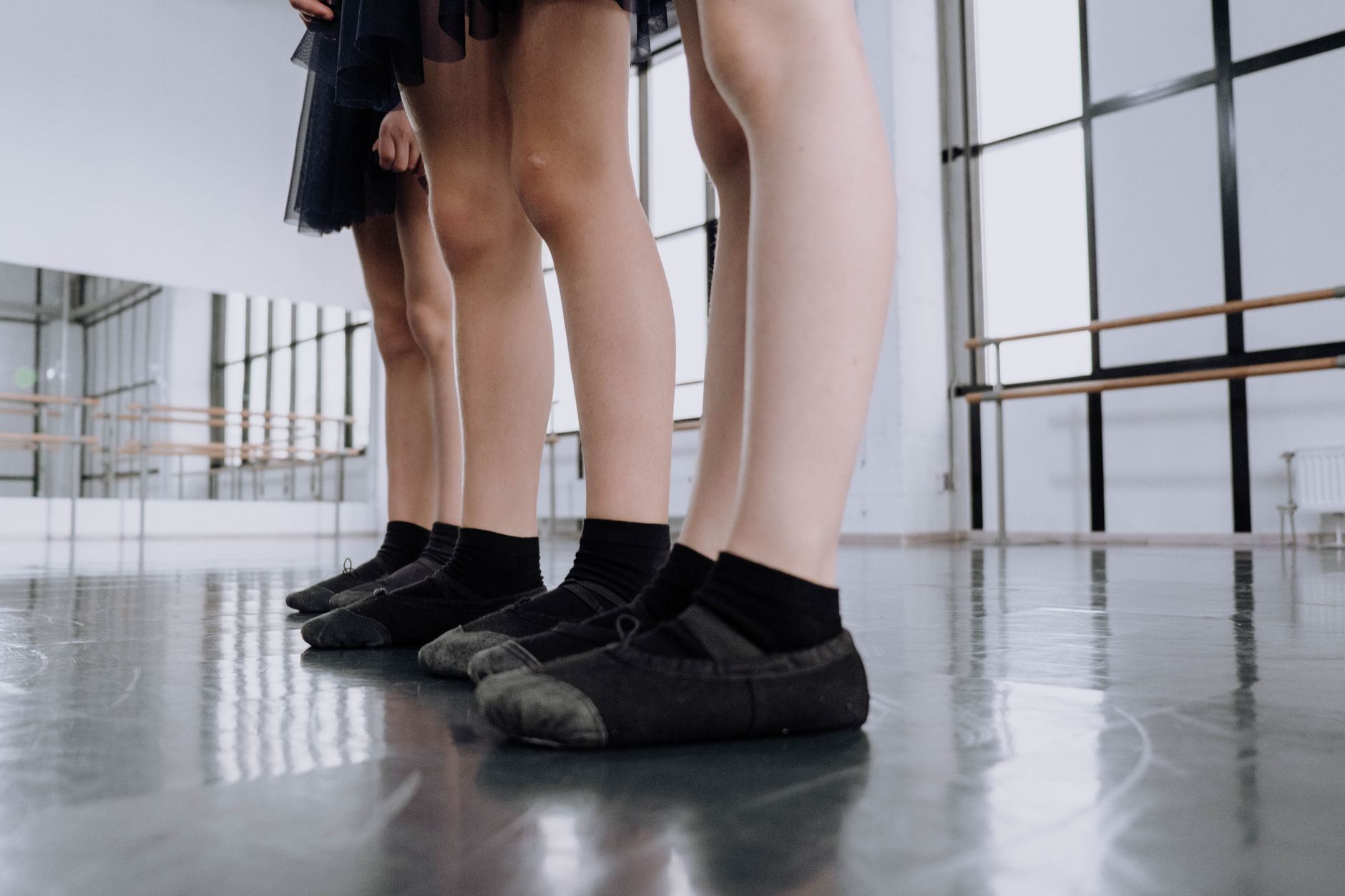
On the surface, fishnet and mesh look like two words for the same thing. Both involve an open-weave upper, both let skin show through, and both deliver the barely-there aesthetic that has made sheer footwear a dominant story across multiple seasons. The difference lies in the construction and the visual weight. Mesh is typically a fine, uniform grid – subtle, almost invisible, lending shoes a sport-inflected lightness. Fishnet is bolder: a diamond-pattern weave with visible knots at the intersections, a texture that reads as deliberately fashion-forward rather than quietly athletic.
That distinction matters to how each shoe performs as a style statement. Mesh flats sit closer to the sneaker and activewear conversation, which made them natural for the peak athleisure moment. Fishnet flats, by contrast, carry an unmistakably dressier, more provocative charge. The diamond weave references hosiery and lingerie-inspired dressing, which is exactly where fashion’s appetite currently sits. The wider cultural lean toward sheer fabrics, visible undergarments, and texture-over-coverage has created a direct runway for the fishnet flat to feel like the more relevant choice.
Construction also varies in practical ways. Mesh uppers are usually bonded or knitted synthetics, often seamless and slightly stretchy. Fishnet uppers – whether real knitted fabric or a molded rubber or PVC approximation of the pattern – have more dimension, more shadow play on the foot, and more grip on the eye. Photographed for editorial content or worn against a plain outfit, the fishnet version simply reads better at distance. That visual clarity is not trivial in an era where clothes are routinely assessed first on a phone screen.
The styling range is also wider. A mesh flat tends to look right with tailored trousers or minimalist dresses – it quietly disappears into the outfit. A fishnet flat has enough personality to carry an otherwise simple look, which is a more useful quality for the kind of outfit-building that gets traction on social media. Worn with a white ankle sock visible through the weave, or bare against a summer tan, it generates its own visual interest without requiring much else from the rest of the ensemble.
Why the Fishnet Flat Is Winning the Moment
The current fashion appetite for texture is not accidental. After several seasons dominated by quiet luxury – smooth leathers, muted palettes, deliberately understated everything – there is a visible counter-movement building around surface interest. Crochet, broderie anglaise, lace, and open weaves are all picking up momentum across categories from tops to footwear. The fishnet flat lands at the intersection of several of those threads simultaneously.
Footwear tends to follow clothing trends by one to two seasons, absorbing the visual language of what is already working in ready-to-wear. The crochet ballet flat has already made that argument successfully, translating the artisanal open-weave moment from knitwear to shoes. The fishnet flat is the slightly edgier, more urban version of that same movement – less handcraft, more directional.
The pricing landscape also works in the fishnet flat’s favor. Many of the most-discussed versions are appearing at accessible price points from brands that operate in the fast-fashion and contemporary spaces, which accelerates adoption. When a trend is available at multiple price tiers simultaneously, it moves from niche to mainstream considerably faster. The fishnet flat is already visible across that full spectrum, from high-end iterations with leather-trimmed edges and insole cushioning to stripped-back versions under fifty dollars that still deliver the core aesthetic.
Seasonality is another advantage. Mesh flats, partly because of their sport-adjacent design language, tend to read as warm-weather shoes. The fishnet flat – particularly when styled with sheer or opaque ankle socks – works convincingly from spring through autumn, and in milder climates well into winter. That extended wearing window matters to how consumers justify the purchase and, in turn, how buyers and buyers’ editors weight their orders.
The sock-shoe pairing is doing significant work in keeping this style alive across temperature changes. Wearing a fishnet flat with a thin white crew sock or a sheer knee-high turns a bare-foot summer shoe into a fully transitional piece. The contrast between the weave pattern and the sock beneath it adds another layer of deliberate styling that feels considered rather than thrown together – exactly the kind of dressed-up-casual tension that current fashion gravitas rewards.
How to Wear It Now
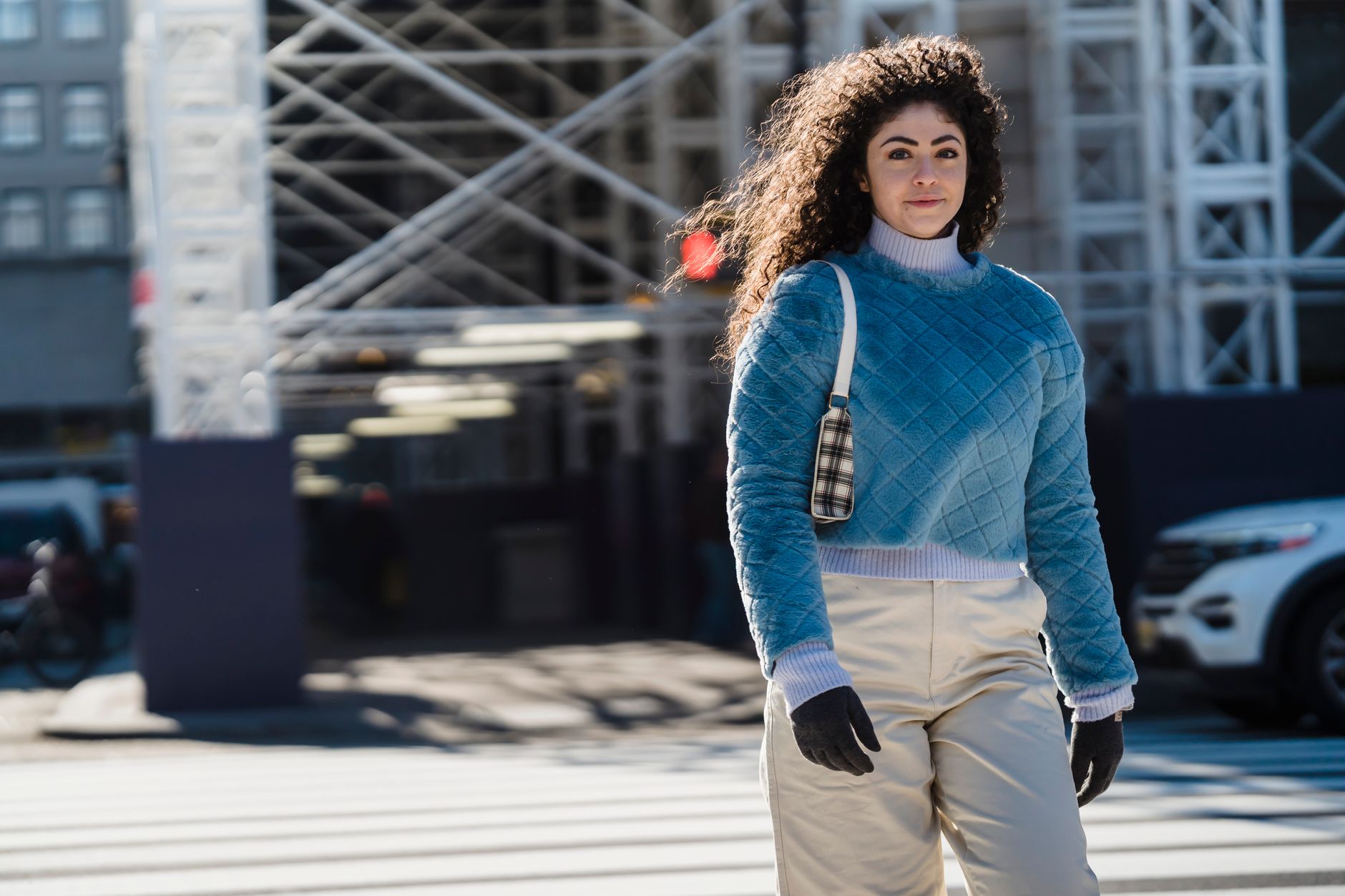
The most wearable entry point is a neutral fishnet flat in black or ecru paired with wide-leg trousers that break just above the ankle. The gap between trouser hem and shoe is where the fishnet texture gets its moment, and keeping everything else simple ensures the shoe reads as an intentional focal point rather than a competing element. For summer dressing, the same flat under a slip dress or a bias-cut midi delivers that lingerie-inflected dressing note without committing to anything overtly costume-y.
Fit is the one area that rewards care. Because the open weave has no structural give, sizing up even a half size can result in the foot shifting inside the shoe and the knot pattern pressing uncomfortably into skin after an hour of walking. Most wearers find that a snug, true-to-size fit works better for fishnet construction than for leather or canvas flats – the weave feels more secure when it sits close to the foot rather than floating over it.