


The Quiet Takeover Nobody Saw Coming
The belt bag had a long run. Worn across the chest, clipped at the waist, dangled from a shoulder – it became the defining silhouette accessory of a certain kind of effortless dressing. Leather, logo-heavy, or stripped-back minimal, it signaled practicality dressed up as style. But something has been shifting on the runway and in the street-style orbit alike, and the accessory doing the displacing is not sleek or sporty. It is textured, structured, and very, very tweed.
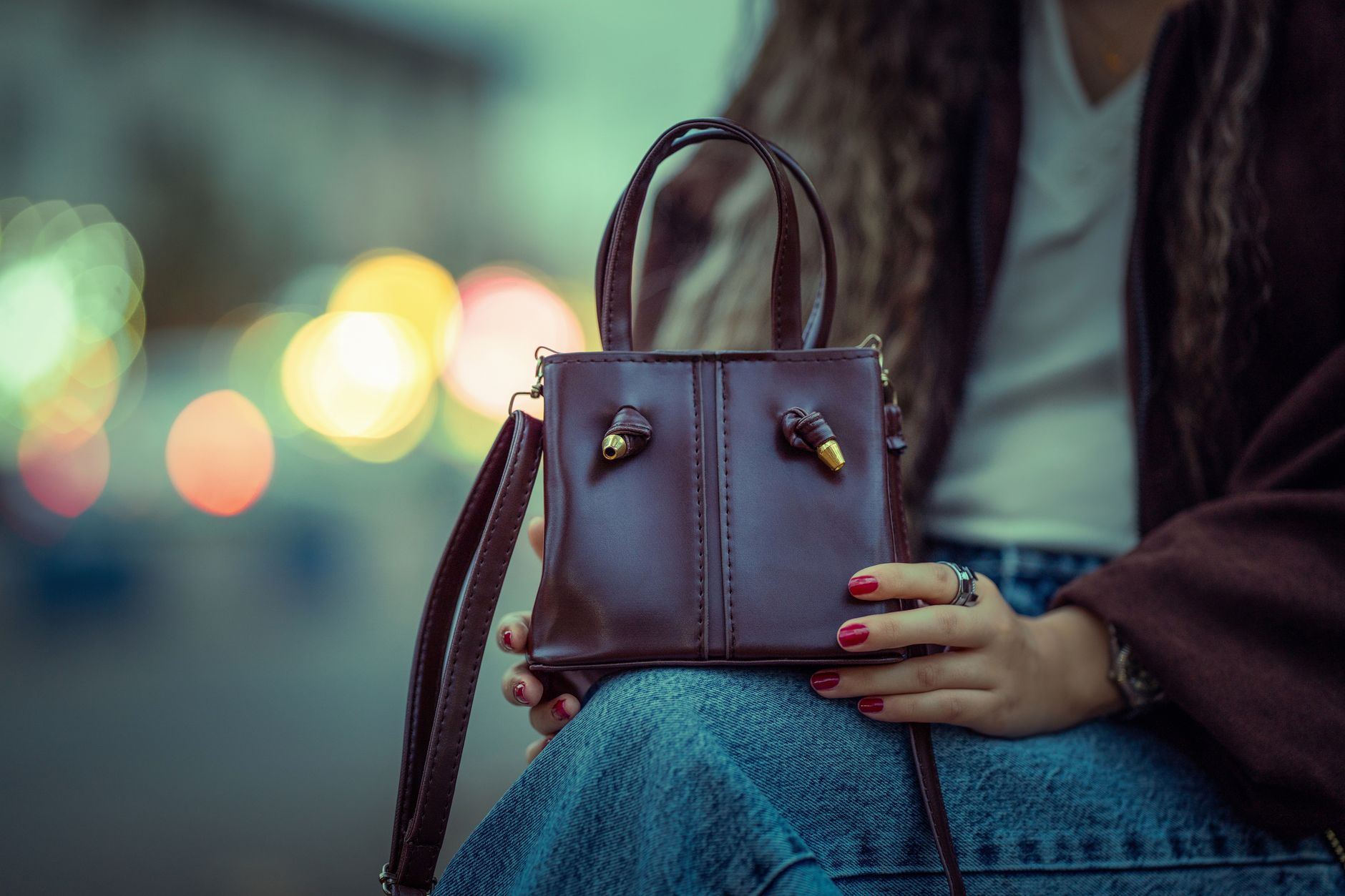
The tweed micro-bag is gaining serious ground.
What makes this shift interesting is not simply that tweed is back – fabric cycles are as old as fashion itself. It is that the micro-bag format, once dominated entirely by polished leather and chain-strap minimalism, is now being claimed by a material that reads as heritage, craft, and occasion all at once. That combination is proving to be exactly what a certain audience is looking for right now.
Why Tweed Works in a Small Format
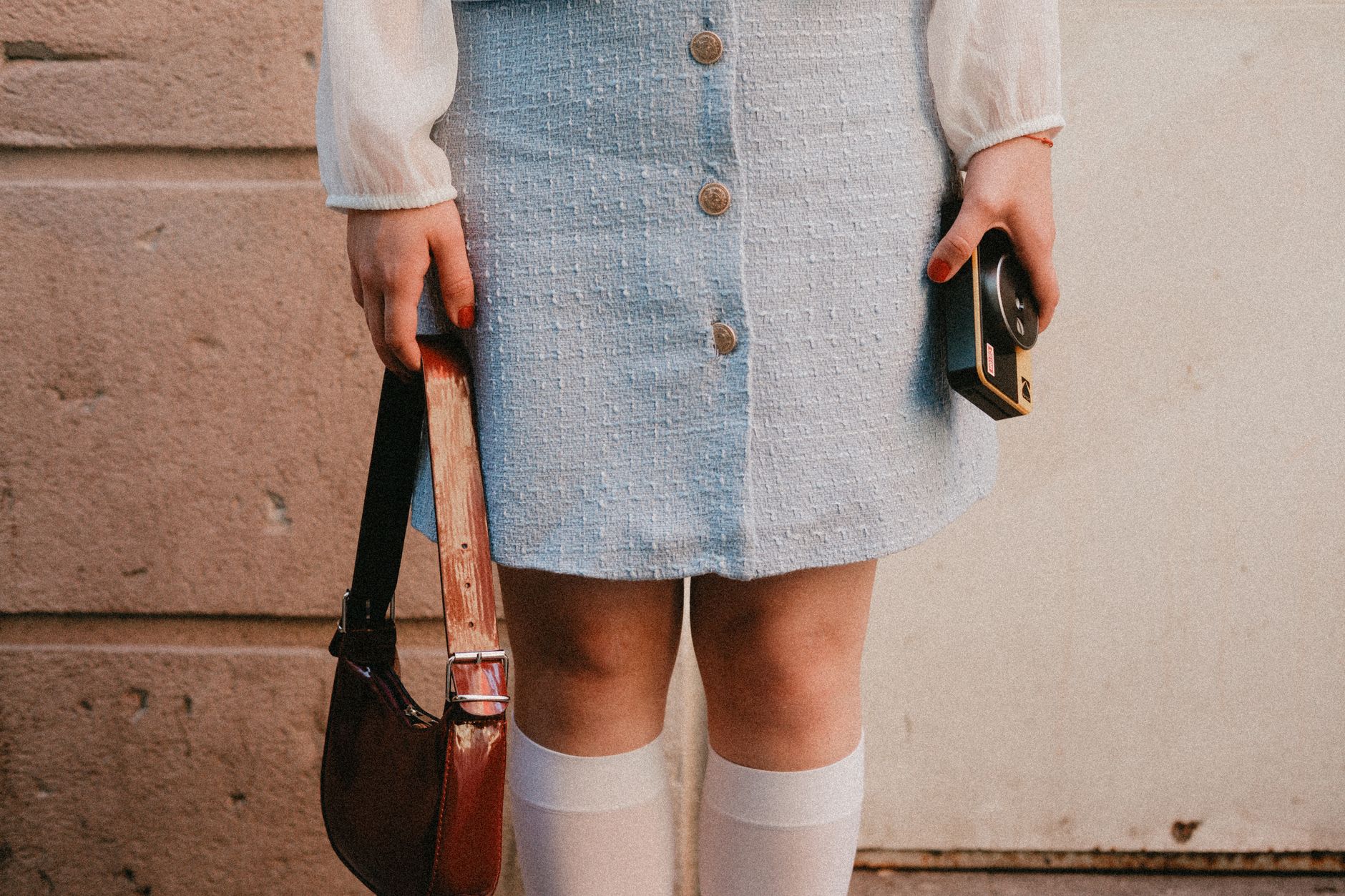
Tweed has historically belonged to larger shapes – the blazer, the coat, the skirt suit. Its weight and texture demand scale to read properly. The micro-bag format breaks that rule, and the result is something that feels genuinely fresh rather than nostalgic. A small tweed bag does not look like a shrunken Chanel reference. It looks intentional in a way that takes the material somewhere new. The weave becomes a focal point rather than background noise, and the structural stiffness of tweed gives a micro-bag natural body without requiring interior framing or padding.
The leather belt bag works by disappearing into an outfit. Neutral, smooth, it complements rather than competes. The tweed micro-bag does the opposite – it arrives as a statement. It adds texture to a clean column dress, breaks up a monochrome coat, or reads as deliberate contrast against a silk blouse. That visual purpose is part of why it is winning converts among shoppers who found the belt bag format convenient but never fully satisfying as an aesthetic choice.
Practicality is another quiet argument in tweed’s favor. Because tweed micro-bags are typically structured with a top handle or a short shoulder chain, they read as more dressed-up than the clip-and-go nature of a belt bag. That means they move between settings – a work meeting, a gallery opening, a lunch – without requiring a bag change. The belt bag, despite its convenience, has always carried a slight athleticwear adjacency that can work against it in more formal contexts.
How the Accessory Market Is Responding
Luxury houses have been quiet early movers here. Small structured bags in bouclé and tweed weaves have been appearing in collection accessories edits without significant fanfare, positioned alongside their leather counterparts rather than as replacements. That low-key placement is exactly how a trend builds credibility before it tips into mainstream recognition. By the time a silhouette or material shows up in high street interpretations, the luxury version has already been circulating for at least two seasons.
Independent designers and smaller accessories labels are arguably moving faster. A growing number of emerging bag labels are launching tweed options as their debut or signature pieces, betting that the appetite for textured, non-leather alternatives is strong enough to sustain a business built around it. The appeal is layered – tweed reads as sustainable-adjacent (a natural fiber, a durable construction), artisan-adjacent (visible weave, handmade associations), and classic-adjacent (a material with genuine fashion lineage). That is a lot of cultural work for a small bag to do.
The belt bag is not disappearing. It is settling into a different role – the gym bag’s smarter sibling, the travel companion, the hands-free option for events where practicality outranks polish. But as a primary fashion accessory, the kind you build an outfit around or reach for when you want the bag to do aesthetic heavy lifting, it is ceding territory. Tweed, with its texture and its old-world associations reframed for a new context, is stepping into that space.
What This Means for How You Shop Now
If you are currently attached to a leather belt bag, the honest question is whether you are wearing it for convenience or for style – because the tweed micro-bag answers the style question in a way the belt bag has never quite managed, and that distinction is becoming harder to ignore when the two sit side by side on an accessories wall.
Frequently Asked Questions
What is a tweed micro-bag?
A tweed micro-bag is a small structured handbag made from woven tweed or bouclé fabric, typically featuring a top handle or short chain strap. It prioritizes texture and visual impact over the minimalism of leather alternatives.
Is the tweed micro-bag replacing the leather belt bag entirely?
Not entirely. The leather belt bag retains its practicality for travel and hands-free occasions, but the tweed micro-bag is increasingly preferred when the accessory needs to carry aesthetic weight in an outfit.