


The Quiet Threat to Designer Basics
There is a specific kind of garment that used to belong exclusively to luxury – the perfectly weighted white shirt, the structured trouser that breaks just right at the ankle, the ribbed tank that drapes without clinging. These are not statement pieces. They are the foundation of every aspirational wardrobe, the items that make everything else work. For decades, getting them right meant spending serious money at Toteme, The Row, or Loro Piana. That calculus is shifting.
Zara’s Archetypes line entered the conversation without fanfare, which is precisely why it caught people off guard. No celebrity campaign. No runway moment. Just garments appearing in wardrobes and on feeds, quietly holding their own next to pieces that cost five or ten times as much.
This is not fast fashion doing an impression of luxury. It is something more considered than that.
What Archetypes Actually Gets Right
The line focuses on construction details that most Zara shoppers never expected from the brand – heavier fabrics, cleaner seam finishes, and silhouettes that do not collapse after a few wears. A linen trouser from Archetypes holds its shape through a full day. The poplin shirting has enough body to stay tucked. These are not small things. They are exactly the details that have historically justified the price gap between mass-market and designer basics.
Fabric weight is where Archetypes makes its most obvious argument. Thin, drapey fabrics read as cheap immediately, and Zara’s mainline has always struggled with this. Archetypes addresses it directly, selecting materials with more substance – cotton that does not go translucent in daylight, knitwear that actually holds its structure after washing. The result is a garment that photographs well and, more importantly, wears well.
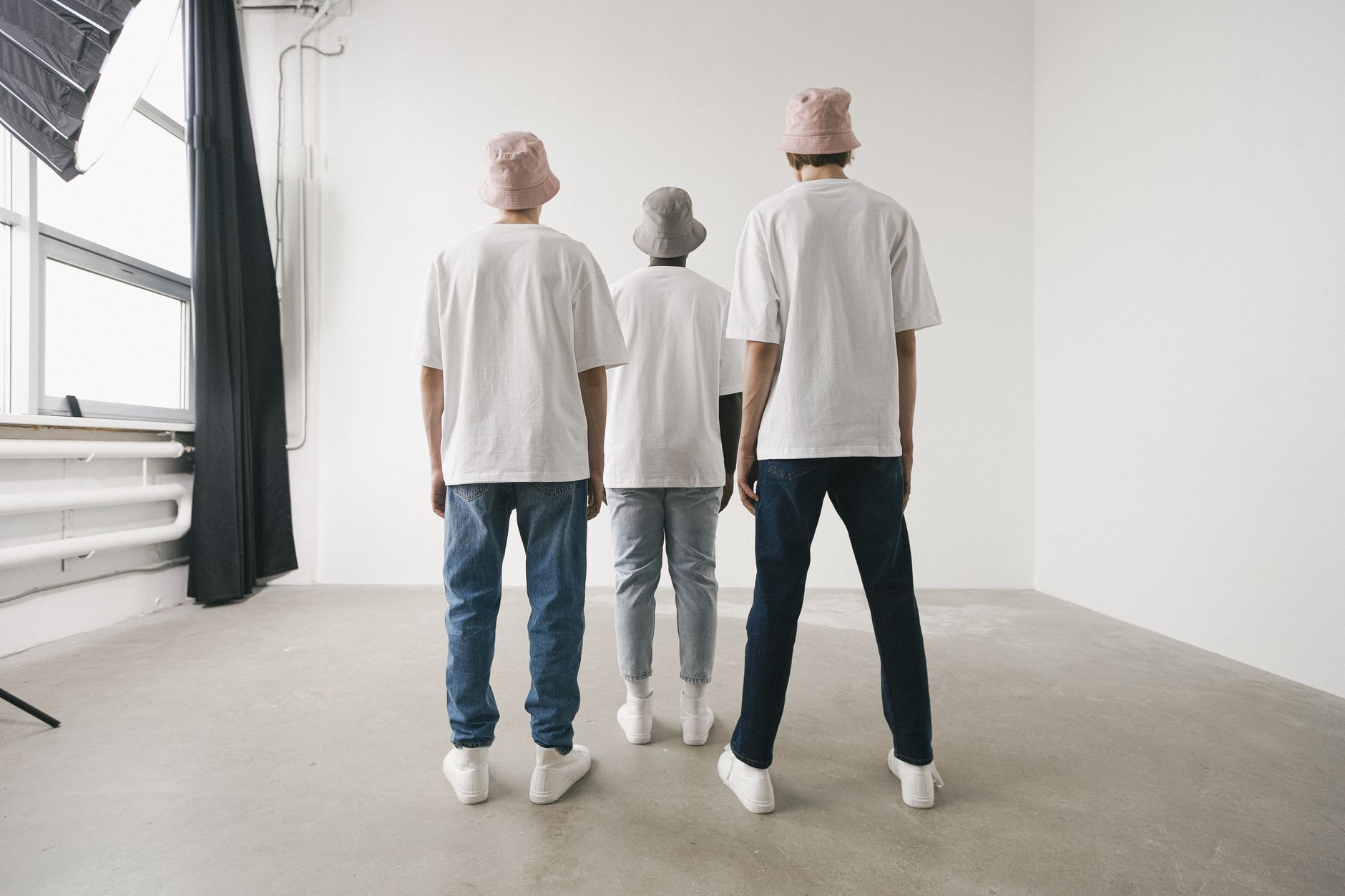
The color palette is equally disciplined. Ivory, stone, slate, navy, black. Nothing that dates a collection within a season, nothing that requires a specific trend cycle to make sense. Designer basics command loyalty partly because they can be worn for years without looking out of step. Archetypes is playing directly into that logic, building pieces that do not announce when they were bought.
Why the Gap Has Narrowed – and Where It Has Not
The case against designer basics has always been simple: you are paying for a name. The case for them has always been equally simple: quality is quality, and it shows. What Archetypes has done is complicate that second argument. When a Zara trouser sits next to a Toteme trouser in a flat lay and genuinely holds the comparison, the name on the label carries less weight for the person deciding how to spend their money.
That said, there are real differences that a photograph does not capture. Designer brands use natural fibers at higher thread counts, source fabrics from mills with decades of specialization, and apply finishing processes that affect how a garment moves and ages over years rather than seasons. A Loro Piana piece does not just look better at purchase – it tends to look better at year three. Archetypes is making pieces that survive a year well. Whether they survive three is still an open question, because the line has not existed long enough to answer it.
There is also the question of what you are actually buying when you spend on designer basics. A white shirt from The Row carries a kind of wardrobe authority that functions socially – at a certain level of fashion conversation, what you own and where it comes from signals taste and knowledge. Archetypes cannot buy you that. What it can do is give you the look while you are building toward it, or, for someone who simply does not care about that layer of fashion culture, give you everything you actually need at a fraction of the price.
The Shopper Who Is Actually Buying This
The Archetypes customer is not the teenager shopping Zara’s mainline sale rack, and she is not the Toteme loyalist who already has a full wardrobe of considered basics. She is somewhere in between – someone who has graduated from fast fashion aesthetics, who understands what a well-cut trouser is supposed to do, who is building a wardrobe with intention but is not ready or willing to spend designer prices on every foundational piece. She might pair an Archetypes shirt with a vintage Chanel bag. She might be saving toward a Loro Piana overshirt while filling in her wardrobe gaps with things that look the part in the meantime. She is a sophisticated consumer, not a casual one.
Zara has clearly studied what this shopper wants. The campaign imagery for Archetypes – minimal, editorial, free of trend noise – mirrors the visual language that designer basics brands have spent years cultivating. Even the way the garments are named and described on the website feels calibrated for someone who reads fashion rather than just shops it.
The real pressure on designer basics brands is not that Archetypes is identical to what they make – it is not. The pressure is that Archetypes is close enough, at a quarter of the price, for a growing number of shoppers who are increasingly willing to ask whether the remaining gap is worth it. That question did not used to be on the table. Now it is, and the brands on the other side of it do not have an easy answer.
Frequently Asked Questions
What is Zara’s Archetypes line?
Archetypes is a Zara sub-line focused on elevated wardrobe basics with heavier fabrics, cleaner construction, and a minimal color palette designed to compete with designer staples.
Is Zara Archetypes worth buying over designer basics?
For shoppers who want the look of designer basics without the price, Archetypes delivers at purchase – though how pieces hold up over several years is still unclear given the line’s short track record.