



The Quiet Bag That Won’t Go Away
The logo bag boom of the early 2020s was loud, deliberate, and everywhere. Monograms stretched across shoulders at airport gates and restaurant tables alike, and the message was clear: visible branding was the whole point. Then something shifted. The bags getting the most careful attention now aren’t the loudest ones – they’re the ones that almost don’t announce themselves at all.
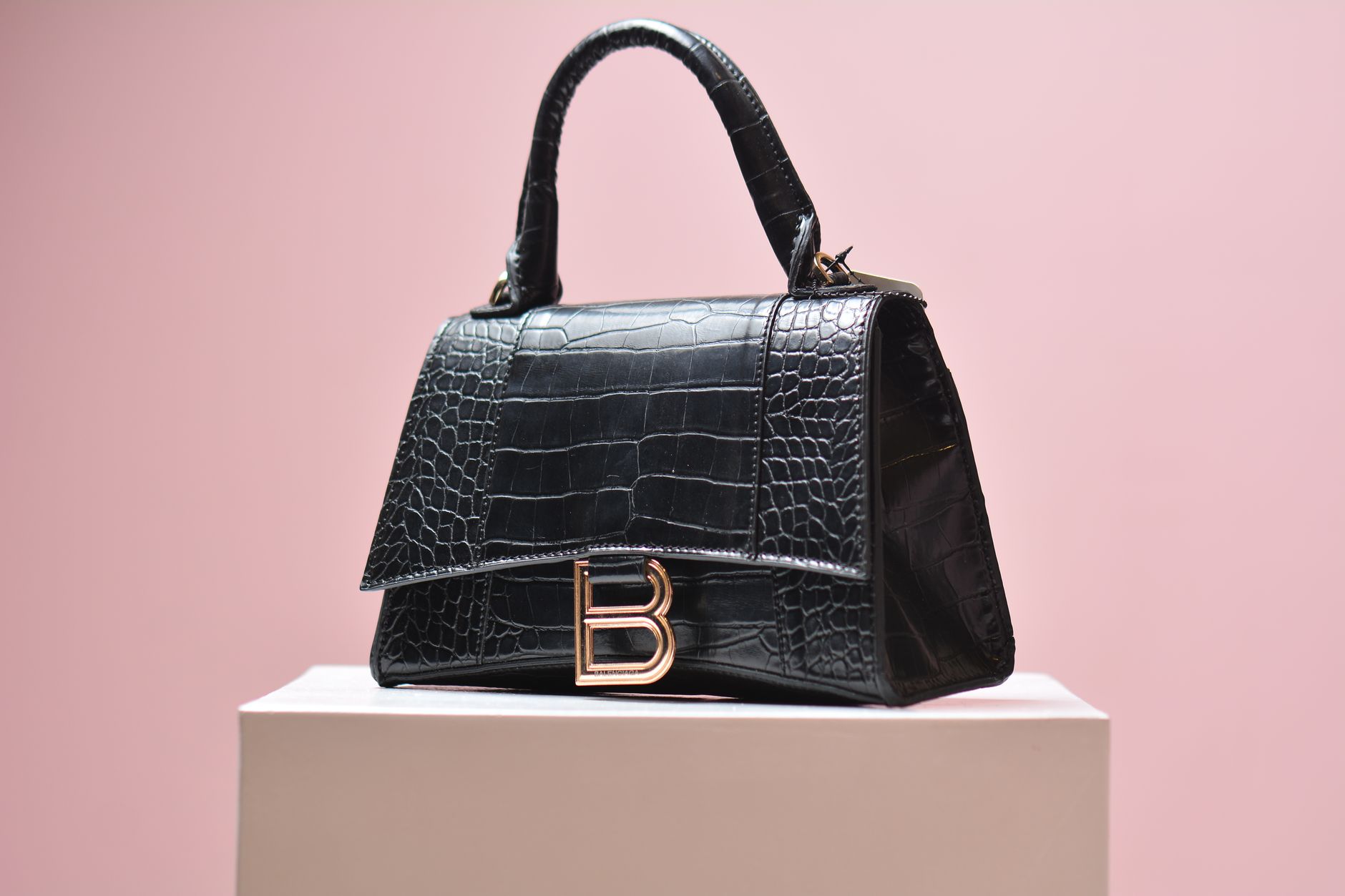
Celine’s Triomphe Canvas sits at the center of that shift. Introduced under Hedi Slimane’s creative direction, the print – a repeating interlocked C motif on a beige or black ground – reads as pattern before it reads as branding. At a distance, it could be geometric. Up close, it’s unmistakably Celine. That ambiguity is exactly what’s driving its staying power.
While other logo-heavy designs cycle through peaks and corrections, the Triomphe Canvas has maintained consistent visibility across multiple fashion seasons without the overexposure that typically dulls a bag’s cultural appeal.
Why This Particular Canvas Works
The Triomphe motif has roots in Celine’s archival history, and Slimane leaned hard into that lineage when he relaunched the house’s identity in 2018. What could have felt like a nostalgic exercise instead landed as something with genuine visual logic. The canvas texture itself plays a role – it’s neither the glossy coated finish of Louis Vuitton’s monogram nor the deliberately rough look of streetwear-adjacent branding. It occupies a middle register that reads as considered rather than commercial.
The silhouettes carrying the canvas matter just as much as the print. The Classique bag, the Cabas, the wallet-on-chain – these are all restrained shapes. Nothing with oversized hardware or architectural exaggeration. The canvas wraps simple forms, which lets the pattern work as texture rather than statement. The result is a bag that functions as a wardrobe piece rather than a focal point, and wardrobe pieces tend to have longer lives than focal points.
There’s also a deliberate price architecture at work. Entry-level Triomphe pieces – card holders, small pouches, compact wallet styles – sit at accessible luxury price points relative to Celine’s leather goods. That structure gives the print broad reach without diluting the appeal of the larger bags. Someone carrying the mini wallet and someone carrying the full Cabas are reading from the same visual language, which creates category coherence across very different spending levels.
The Logo Fatigue That Made Space for This
Logo fatigue is a real and recurring pattern in fashion. The Gucci logomania moment of the mid-2010s eventually receded. Supreme’s box logo went from street credibility to parody. Even Louis Vuitton, the most durable monogram brand in existence, has had to constantly rotate its collaborations and limited drops to keep the core LV print from feeling stale. Visibility at scale almost always triggers a counter-pull toward restraint.
That counter-pull is where the Triomphe Canvas has been quietly collecting converts. The shoppers who bought aggressively branded bags five years ago and now feel self-conscious about wearing them aren’t abandoning luxury – they’re refining it. A bag that requires some knowledge to identify carries a different social signal than one that announces its price tag to anyone walking past. Celine has always courted that particular kind of customer, and the Triomphe Canvas is currently its best recruitment tool. The same instinct drives interest in Loro Piana’s understated approach to luxury dressing, where the absence of visible branding has become its own form of status.
What makes this moment different from previous swings toward minimalism is that the Triomphe Canvas isn’t truly minimal – it’s legible to the right audience while remaining quiet to everyone else. That dual function is harder to engineer than it looks. Brands that overcorrect into logoless anonymity often lose cultural traction entirely. Celine has found a bandwidth where the print communicates without broadcasting.
Who’s Actually Buying It Now
The customer profile for the Triomphe Canvas has broadened noticeably. Early adopters tended to be deep fashion followers who tracked Slimane’s rebranding closely and responded to the house’s sharper, more rock-influenced aesthetic. The current buyer pool includes that group but extends into professional women in their thirties and forties who want something with clear provenance that doesn’t read as trend-dependent, younger buyers who see it as a quieter alternative to the maximalism that dominated their early social feeds, and resale market participants who’ve watched Triomphe Canvas pieces hold value more steadily than some noisier logo goods. The Triomphe isn’t having a single moment. It’s been accumulating relevance across overlapping audiences for several years, and that kind of slow build tends to be more durable than a single viral spike.

The real test for the Triomphe Canvas is what happens when Celine’s creative direction eventually changes again – because it will. Slimane’s vision has defined the print’s current cultural context, and house transitions have a history of resetting which archive pieces get championed and which get quietly retired. But a canvas that’s already built a resale market, a recognizable visual identity, and genuine cross-demographic appeal doesn’t disappear when leadership turns over. It becomes a house code. Whether Celine treats it that way is the more interesting question.