


The pump has ruled formal footwear for decades – a reliable silhouette that required no explanation and collected no controversy. Heel height varied, toe shape came and went, but the closed-back construction stayed fixed. Now, quietly and without a single major campaign announcement, the slingback is eating into that territory with a conviction that feels less like a trend and more like a correction.
What makes the shift interesting is how it happened. No single runway moment triggered it. Instead, slingbacks have been accumulating presence across collections, street style, and the kind of low-key celebrity dressing that gets photographed outside restaurants rather than on red carpets. The result is a shoe that suddenly feels more current than the closed pump it closely resembles – sharing almost identical lines, but with one strap making all the difference.
Why the Silhouette Works Now
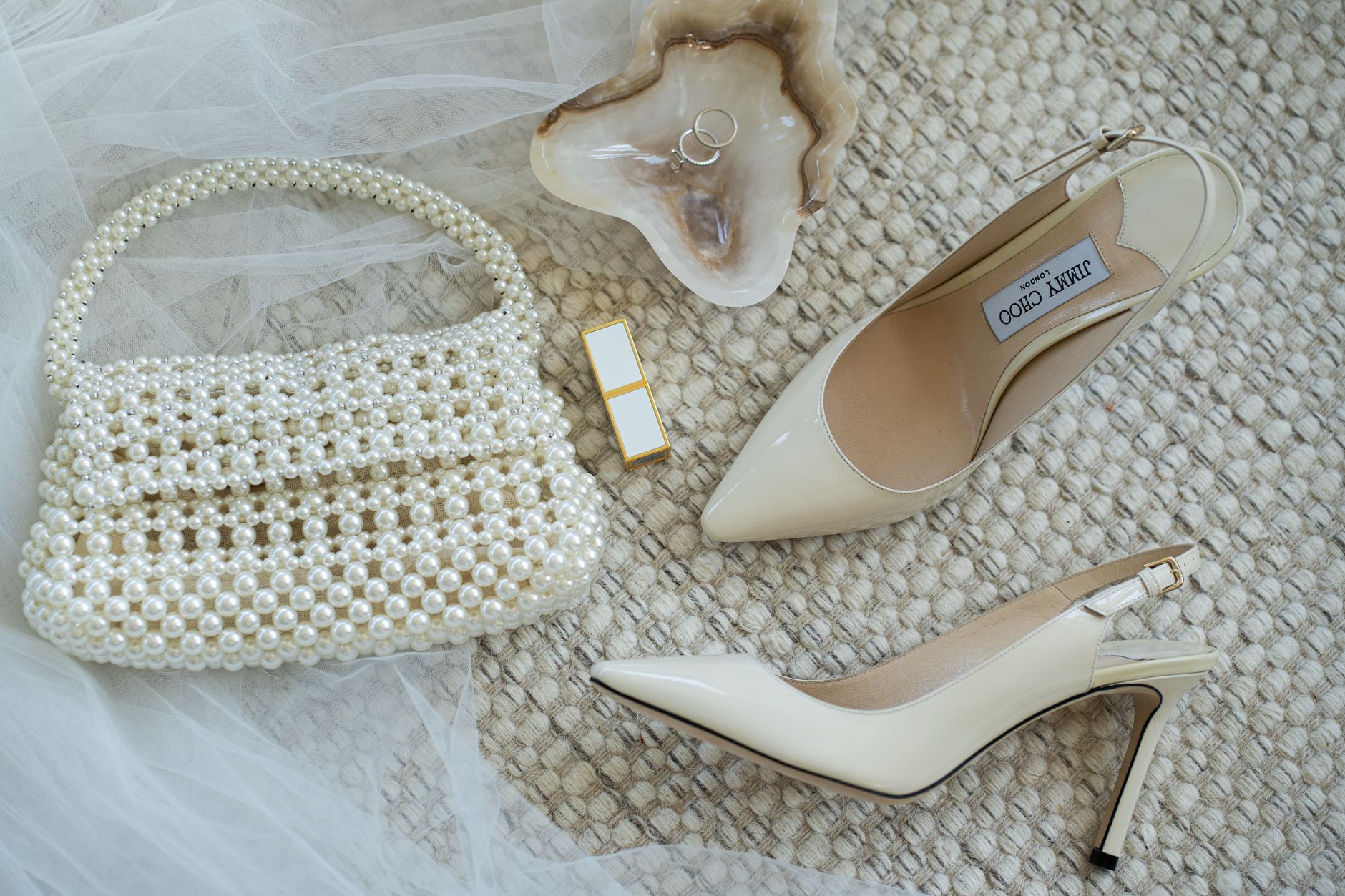
The slingback occupies a specific psychological space in the wardrobe. It reads as polished without demanding the full commitment of a traditional pump. The open back introduces just enough ease to make it feel deliberate rather than obligatory – which matters in a moment when women are increasingly resistant to footwear that signals effort as performance.
The construction also happens to flatter in ways that have renewed relevance. The strap draws the eye to the ankle, the silhouette elongates the leg, and the exposed heel skin reads as lighter and less formal than an enclosed shoe at the same heel height. For occasions that sit somewhere between smart-casual and genuinely dressed up, the slingback solves a problem the pump tends to over-correct for.
The Luxury Market Moves First
The category first regained serious traction through the kind of houses that rarely rush. Chanel’s slingback kitten heel – a design that has existed in the brand’s archive for decades – quietly became one of the most photographed shoes in street style circles over the past two seasons. It wasn’t new. It was simply everywhere again, worn with tailoring, with denim, with midi skirts, in a way that suggested the look had been waiting for the right cultural moment to click back into place.
Other houses followed by introducing or expanding their own slingback offerings. The silhouette appeared at different heel heights, in materials ranging from patent leather to woven raffia, testing how far the shape could stretch across aesthetics. The range of interpretations signals something beyond seasonal novelty – when a silhouette travels across price points and style categories simultaneously, it’s usually because the demand is already there.
High-heeled versions with pointed toes are driving the more formal end of the trend, while block-heeled and kitten-heeled iterations are pulling in a broader audience. The kitten heel specifically has benefited from a wider cultural reappraisal – no longer dismissed as a compromise between flats and heels, it’s now read as a considered choice. That shift in perception has lifted the entire slingback category with it.
The pricing architecture also tells a story. Slingbacks are appearing prominently in the mid-luxury range – the space where investment dressing decisions are made most carefully. When a shoe sells consistently at the $500 to $900 price point across multiple brands, it tends to indicate that buyers view it as a wardrobe staple rather than an impulse purchase. The slingback is increasingly being treated that way.
How Celebrities Are Actually Wearing It
The celebrity styling around slingbacks has stayed notably restrained. There are no obvious brand partnerships pushing the look, no coordinated press moments. Instead, the shoe keeps appearing in the kind of candid dressing that reads as personal choice – worn with wide-leg trousers, with relaxed suiting, with the kind of outfit that suggests someone got dressed for themselves rather than for a camera.
That restraint is doing more work than a campaign would. When a shoe shows up repeatedly in paparazzi shots and street style photography without obvious coordination, the audience reads it as genuine preference. The slingback’s current momentum is built almost entirely on that kind of quiet accumulation rather than on any single high-visibility moment.
What This Means for the Classic Pump
The pump isn’t disappearing. It remains the default choice for certain formal contexts – job interviews, black-tie adjacent events, professional settings where closed and conservative still carries meaning. But its position as the obvious choice for everything slightly elevated has weakened. The slingback has taken that middle ground, which was always where the pump did most of its work.
Shoe departments at major retailers have already begun adjusting floor placement and buying ratios in response. When buyers shift budget toward a silhouette, it usually trails consumer behavior by about two seasons – meaning the interest in slingbacks was registering strongly before the inventory changes became visible. The category is now getting shelf space and editorial placement that would have gone to pumps as recently as two years ago.
The more uncomfortable question for the classic pump is whether the slingback will hold its position or continue moving. Fashion silhouettes rarely plateau – they either recede back into the archive or push further until they become the new default. Given that the slingback is currently winning on both the formal and the casual end of dressed-up dressing, the closed pump may find itself squeezed into a narrower and narrower set of occasions where the strap simply isn’t appropriate. And those occasions are getting harder to name.
Frequently Asked Questions
Why are slingbacks more popular than pumps right now?
Slingbacks offer the same polished look as a pump but with a lighter, less formal feel – making them more versatile across dressed-up and smart-casual occasions.
What heel height is trending for slingbacks?
Both kitten heels and pointed-toe high heels are driving the trend, with kitten heel slingbacks in particular gaining traction as a considered, stylish choice rather than a compromise.