

The Shoe Shift Nobody Announced
The ankle boot had a long run. For the better part of a decade, it anchored outfits across every season – tucked under straight-leg trousers, peeking out beneath midi skirts, doing quiet heavy lifting for anyone who needed a single shoe that worked everywhere. But something has been shifting on the runways, in street style photography, and in the shopping carts of women who used to reach for a Chelsea boot without thinking. The padded loafer is taking that space, and it is not asking permission.
This is not a sudden trend drop or a single viral moment. The migration from block-heeled boot to cushioned loafer has been building steadily, driven by a combination of silhouette changes, comfort culture, and a specific kind of aesthetic exhaustion with footwear that reads as effortful. The padded loafer offers something the ankle boot stopped offering: the appearance of not trying too hard, while still signaling taste.
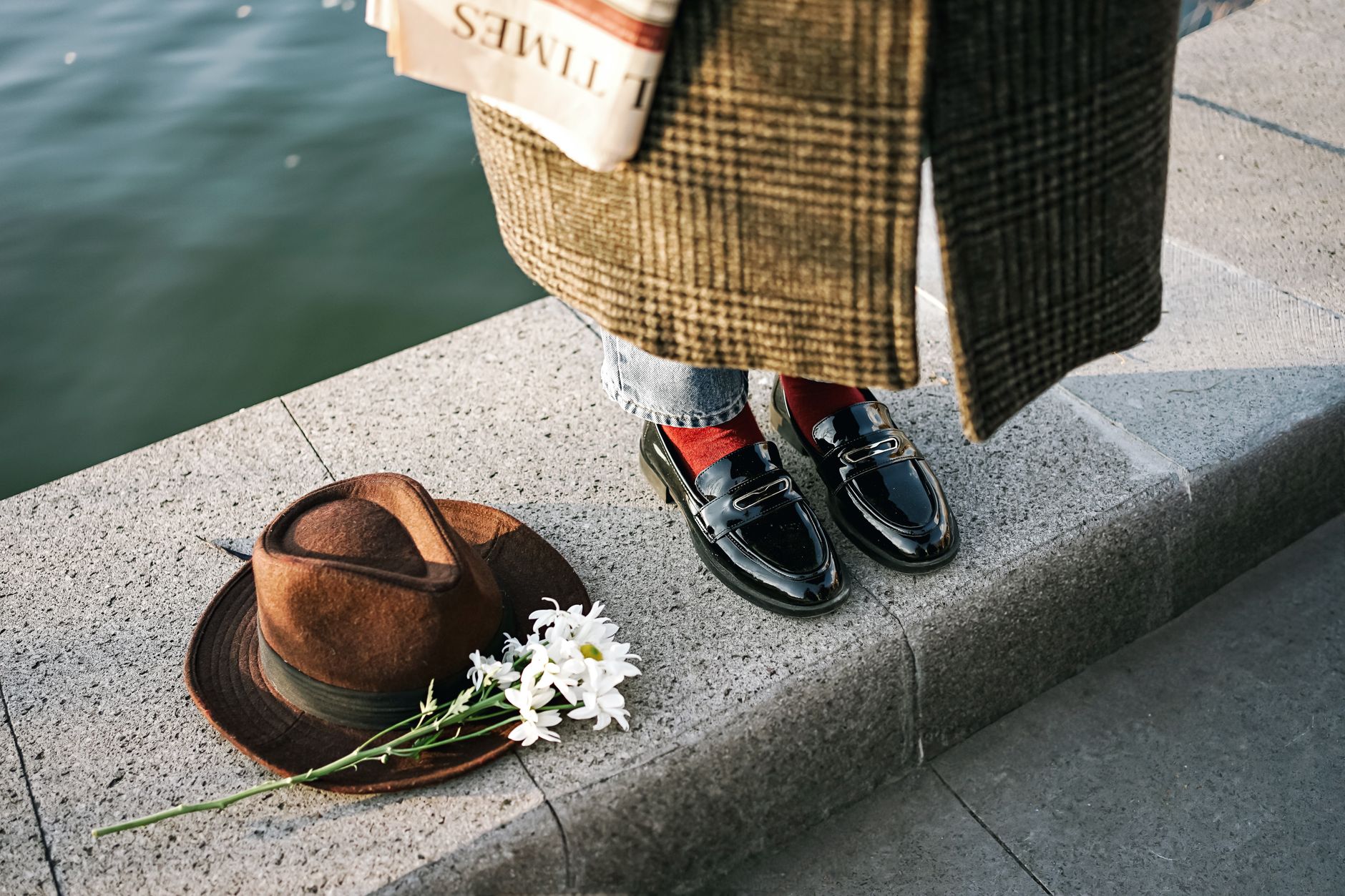
Why the Ankle Boot Lost Its Edge
The ankle boot’s dominance made sense for as long as the trouser silhouette stayed narrow or cropped. A fitted jean with a block-heeled boot created a clean vertical line – the shoe finished the leg and added a small lift without demanding attention. That logic held for years. The problem is that trouser shapes have widened considerably, and the ankle boot does not negotiate well with a wider leg. It gets swallowed, or it creates an awkward visual break right at the ankle that reads more stumpy than sleek.
There is also a mood issue. The ankle boot, especially in its heeled iterations, carries a particular kind of energy – dressed-up, city-ready, slightly stiff. That energy has aged in a way that feels hard to ignore. The current appetite is for footwear that looks relaxed even when worn with something tailored. The ankle boot, at this particular cultural moment, struggles to deliver that. It reads as a shoe with an agenda.
The Padded Loafer’s Actual Appeal
The padded loafer, for anyone who has not yet paid attention, is exactly what it sounds like: a loafer built on a noticeably thick, often marshmallow-like sole, sometimes with exaggerated topstitching or a slightly inflated upper. The effect is somewhere between high-fashion and sporty, which is exactly where a lot of dressing lives right now. It works with wide trousers in a way the ankle boot never could, because the chunky base creates visual weight that grounds the silhouette rather than interrupting it.
Comfort is a factor, but it is not the whole story. The padded loafer is not selling itself primarily on ergonomics – it is selling itself on proportion. Worn with a straight-leg trouser, it reads as intentional and considered. Worn with a long skirt, it anchors the hem without breaking the flow. It also happens to feel significantly better on pavement than a heeled boot, but the women adopting it are not talking about that part out loud. They are talking about how it looks.
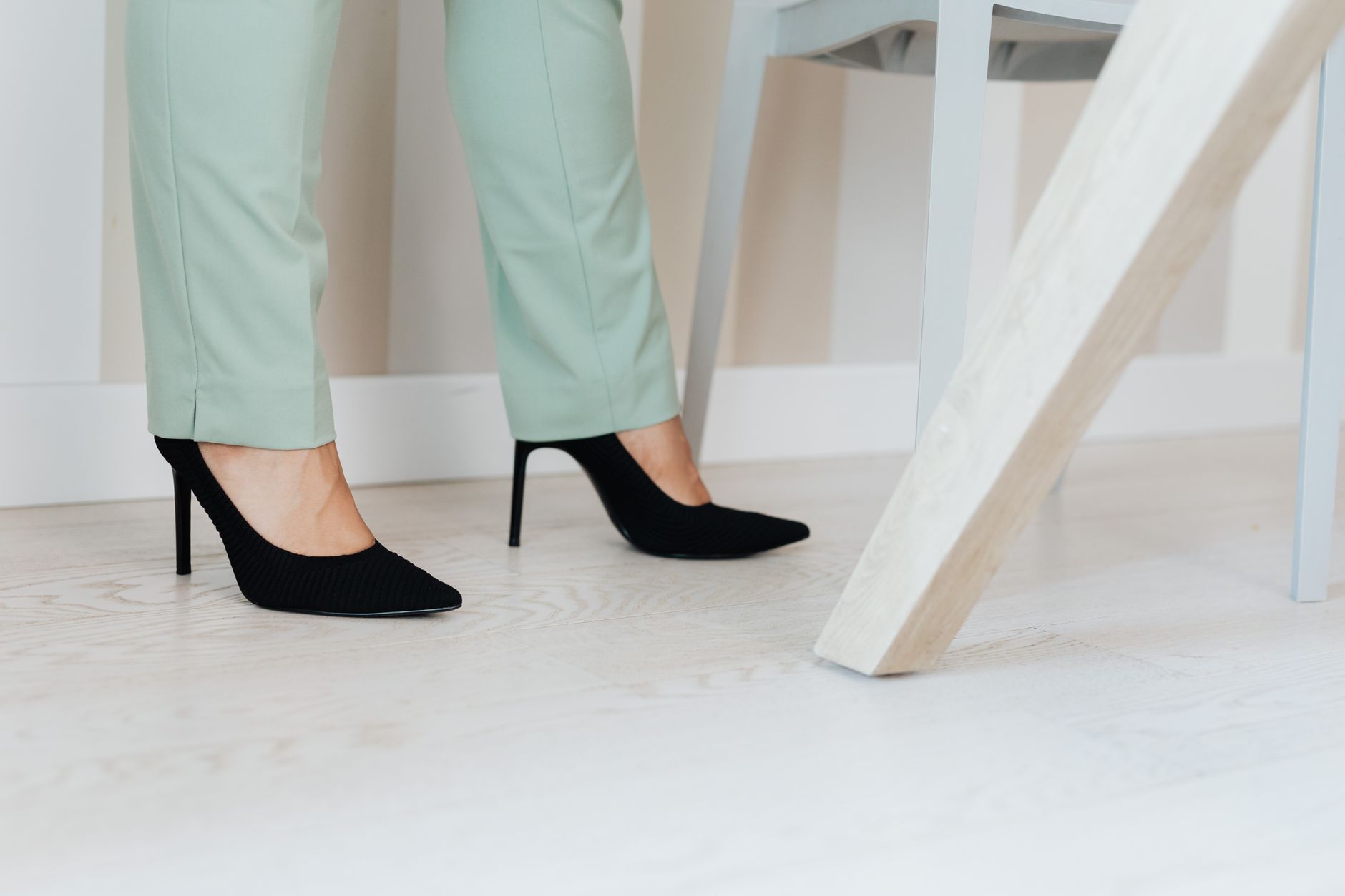
The silhouette the padded loafer creates is also inherently nostalgic without being retro. It recalls the chunky-soled shoes of the mid-1990s and early 2000s – the kind of footwear that appeared in Tokyo street style magazines and on Scandinavian design students – but filtered through a much more refined material and construction vocabulary. That tension between utilitarian shape and elevated execution is where a lot of interesting fashion lives right now.
Multiple luxury houses and contemporary brands have committed to the shape in a way that signals this is not a single-season experiment. The loafer, historically a shoe associated with prep and polish, has been reworked with exaggerated soles and softer leathers that read as anything but stiff. Some versions lean masculine and minimal, others go deliberately clunky and bold. The range of interpretations keeps the category feeling alive rather than prescriptive.
What This Means for the Ankle Boot
The ankle boot is not disappearing. Flat versions in suede or leather will continue to work in fall and winter wardrobes, especially for anyone who has not moved toward wider trousers. The issue is that the boot’s cultural moment as the default shoe – the thing you reach for when you want to look pulled together without overthinking it – seems to be ending. That role is being filled by a shoe that offers a different visual logic.
What tends to happen when a dominant wardrobe piece loses its automatic status is that it becomes specific rather than universal. The ankle boot will likely follow that path – worn when the outfit genuinely calls for it, rather than worn as a shorthand for “I know what I’m doing.” That is a different relationship than the one most women have had with it for the last ten years.
Who Is Wearing It Now
The early adopters of the padded loafer skew toward the same woman who moved into quiet tailoring a few years ago – someone who wants her clothes to read as deliberate but not decorative. The shoe pairs naturally with the kind of wardrobe that favors clean lines, good fabric, and minimal color contrast. It also works with slightly dressier pieces, which makes it more versatile in practice than the sneaker, which still struggles to cross into formal territory without making a statement about the crossing.
Street style coverage from recent European fashion weeks showed the padded loafer appearing repeatedly with wide-leg trousers, below-the-knee skirts, and even suiting – contexts where an ankle boot would have previously been the obvious answer. The styling in those contexts was notably unfussy. The shoe was doing the proportion work, and nothing else was being asked of it.
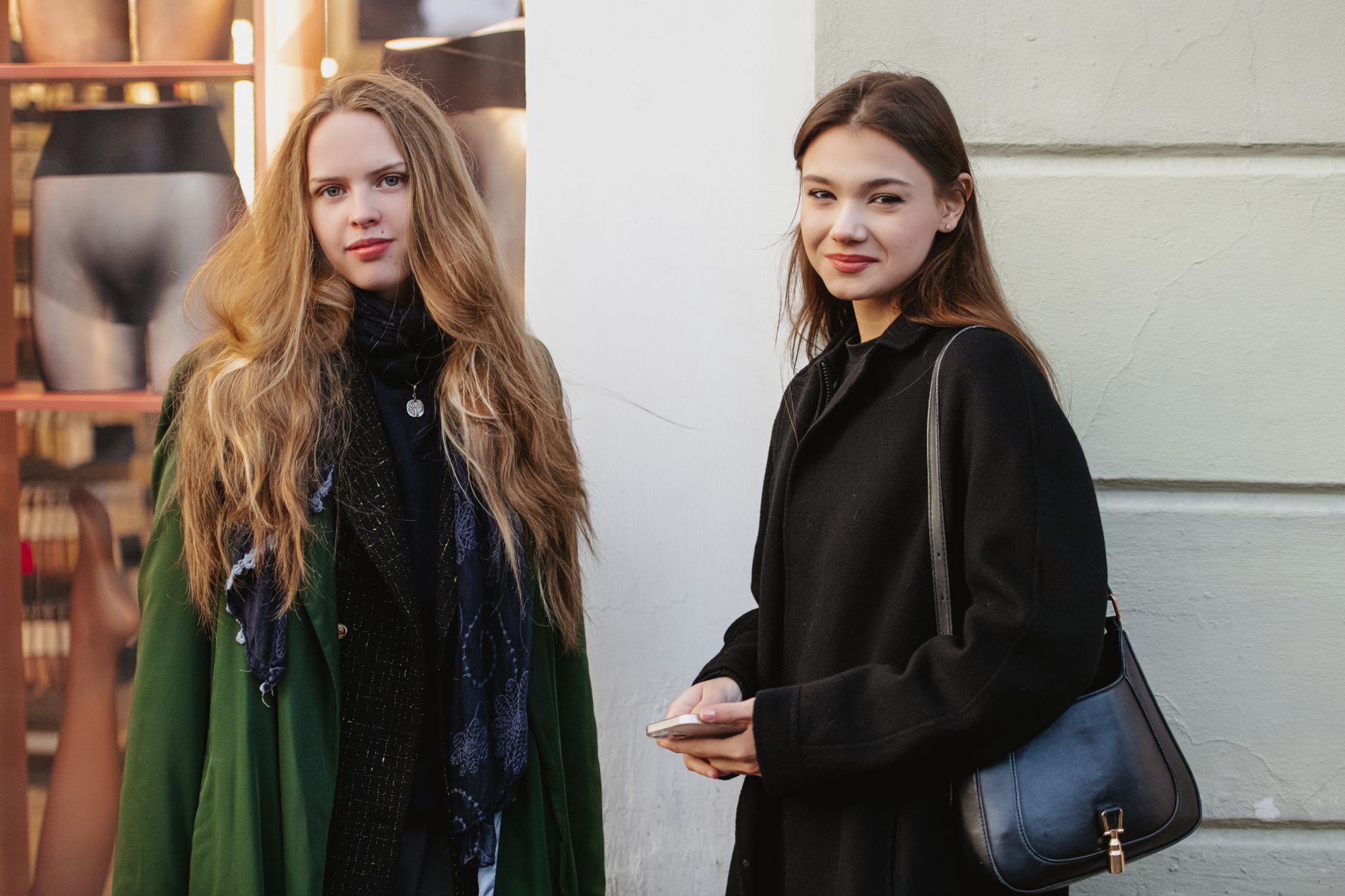
The pricing range for the style is genuinely wide, which matters for how quickly a shoe trend can move through a wardrobe. Entry-level versions are available at mass-market retailers. Mid-range interpretations from contemporary brands are landing in the two-hundred to four-hundred dollar range. And at the luxury end, the prices reflect the craftsmanship involved in building a sole that looks inflated without feeling clumsy. That distribution across price points means the trend is not locked inside a single consumer bracket – it is moving across the market in a way that tends to signal staying power rather than flash-in-the-pan momentum.
The real test for the padded loafer will be whether it holds its ground once the wide-trouser wave eventually recedes – because the two have become so visually linked that a silhouette shift could expose whether the shoe has genuine staying power or has simply been benefiting from a favorable moment in suiting. That question has no clean answer yet.