


The Shoe That Doesn’t Announce Itself
There is a particular kind of shoe authority that requires no laces, no brogue detailing, no cap-toe stitching. The Row’s Andres loafer operates in exactly that register – a single-piece slip-on built from one uninterrupted sheet of leather, shaped into a silhouette so stripped of ornament that it reads almost like a provocation. No hardware. No tassel. No heel tab. Just the leather, the form, and whatever it says about the person wearing it.
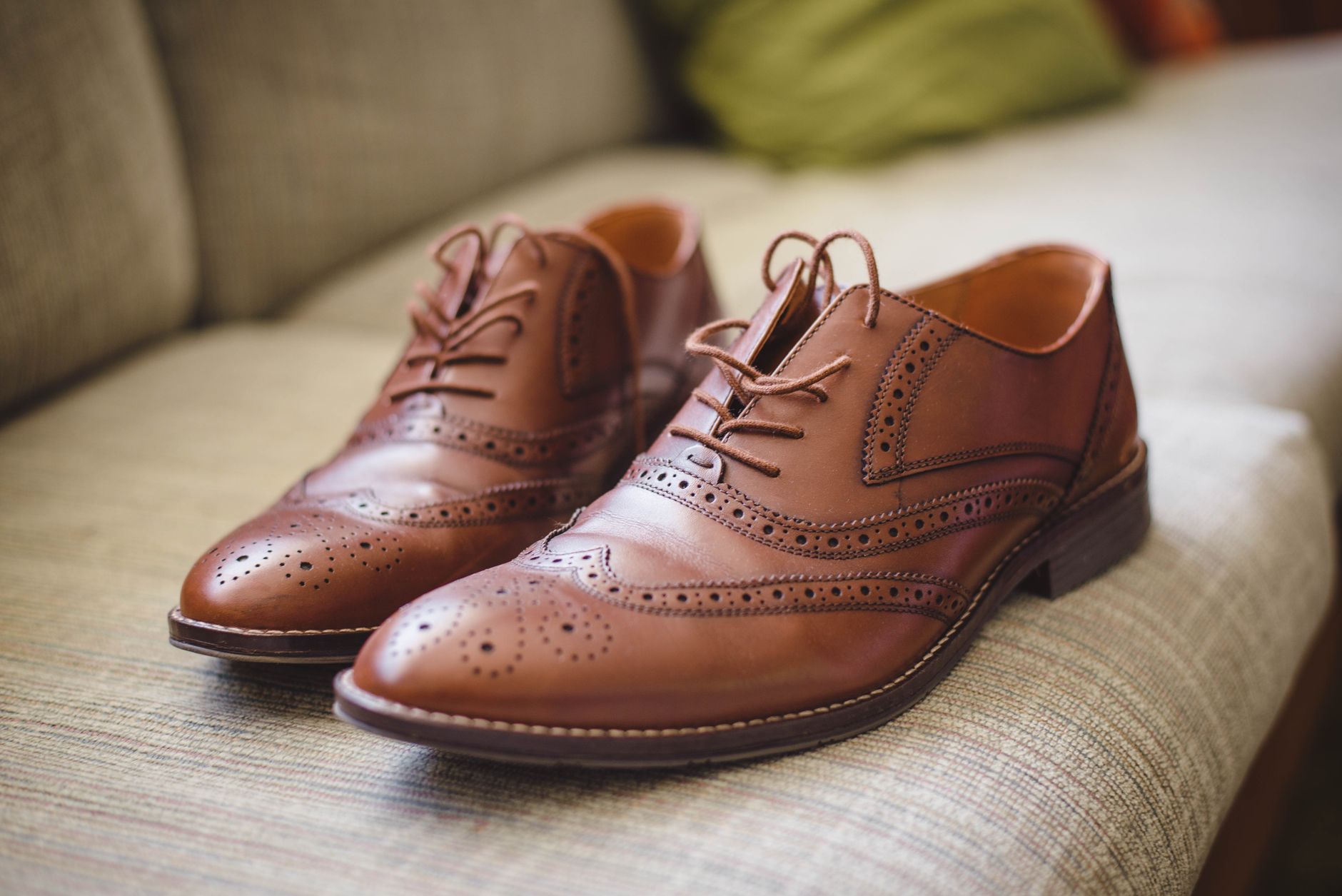
The Oxford has held the top position in formal footwear for the better part of a century.
What’s shifting now isn’t a rejection of formality – it’s a renegotiation of what formality looks like. The Andres, quietly favored among the same demographic that built its wardrobe around Bottega Veneta intrecciato and Loro Piana suede, has become the shoe that signals you’ve moved past needing to signal anything. And that is a very specific, very deliberate kind of status.
Why the Oxford Is Losing Ground
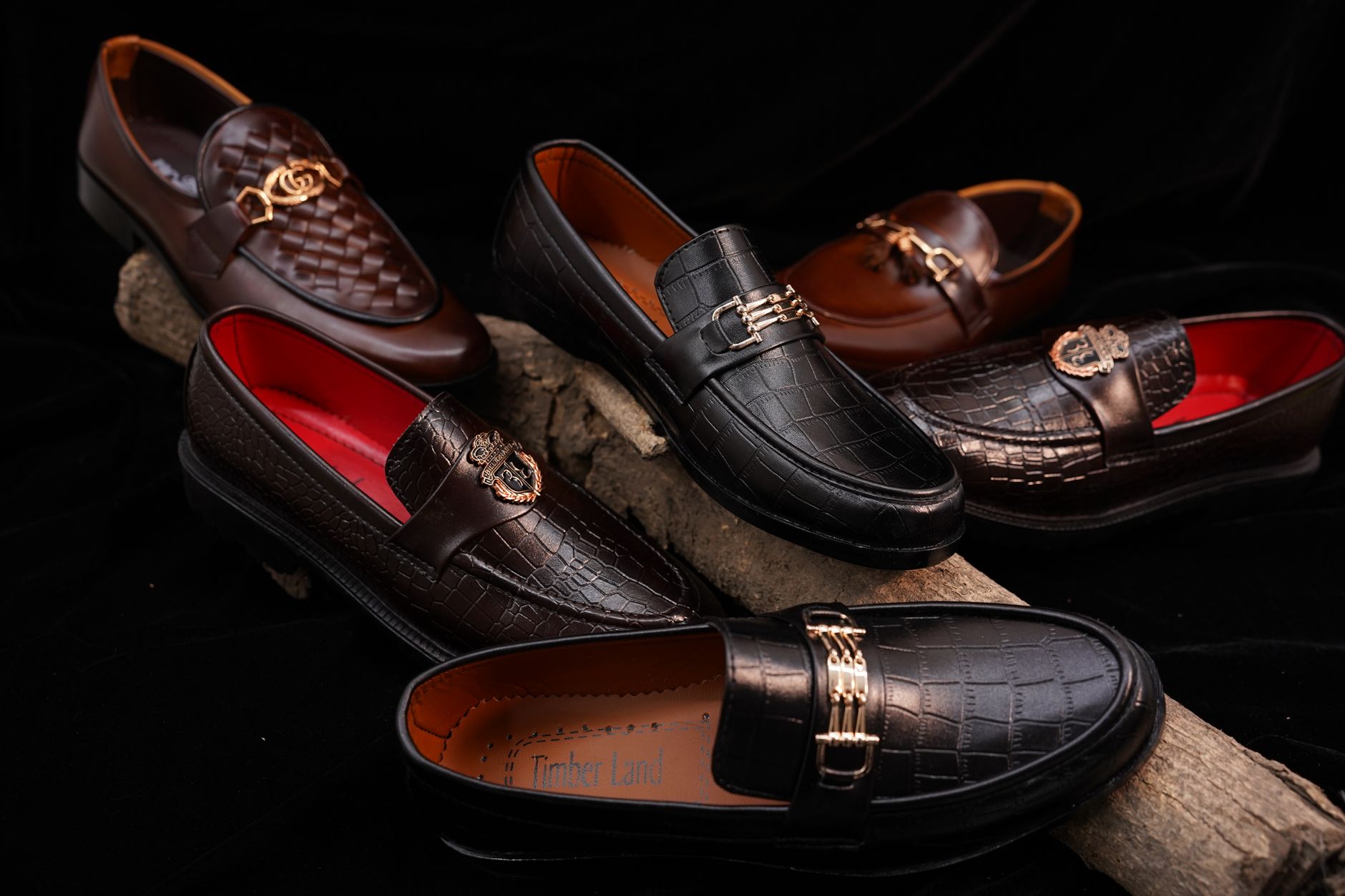
The Oxford’s authority was always tied to its construction. Closed lacing, structured toe box, the implicit promise of a shoe that means business. For decades, that construction was shorthand for seriousness – the shoe of boardrooms, of British tailoring, of men who owned things. The problem is that those associations have aged into cliche. Wearing a cap-toe Oxford in 2025 reads less like confidence and more like costume, a performance of establishment credibility that feels increasingly hollow next to a generation of dressers who find their authority in restraint rather than reference.
The Andres sidesteps all of that. Its construction – a single piece of leather folded and stitched with almost architectural precision – requires no cultural scaffolding to make its point. It doesn’t gesture toward a tradition. It doesn’t ask you to know anything about Northampton or hand-welting or the correct sock height. It is simply an extremely well-made shoe that fits a certain quality of attention. That self-sufficiency is exactly what makes it so difficult to dismiss.
There’s also the question of versatility, which the Oxford has always struggled with at the margins. A beautiful Oxford looks right with tailored trousers and looks awkward with wide-leg denim or an unstructured blazer – the contexts where dressing well now actually happens. The Andres moves between those registers without friction. It works equally with a fluid Toteme trouser and a sharp Brioni suit, which means it doesn’t require you to dress around it. The shoe accommodates the wardrobe instead of commanding it.
The Row’s Specific Kind of Influence
The Row has never operated through traditional fashion influence mechanics. No runway spectacle, no celebrity placement strategy, no seasonal color story engineered for social media. The brand’s presence in wardrobes happens the way good furniture happens – slowly, by recommendation, by handling the thing yourself and understanding why it costs what it costs. The Andres is priced at a level that puts it firmly in considered-purchase territory, which is also part of the point. This is not a shoe you buy impulsively.
That price threshold functions as its own filter. The people who own the Andres have, almost by definition, thought carefully about their shoes. They’ve likely cycled through the Gucci Horsebit phase and the Church’s English Shoe phase and arrived somewhere quieter. The shoe attracts the kind of dresser who has already finished asking questions about what to wear and is now asking better questions – about construction, about longevity, about whether something will look as right in ten years as it does today. The answer, for the Andres, is almost certainly yes.
The broader pattern here tracks with what’s happened across luxury footwear – the slingback’s return over the pump followed the same logic, a cleaner silhouette asserting itself over one weighted with associations. With The Row specifically, the influence moves slowly enough that by the time something becomes widely visible, the early adopters have already worn theirs soft. That delayed visibility is by design. It’s what keeps the brand from becoming a trend.
What the Andres Actually Looks Like in Practice
Worn with the heel flat on the ground, the Andres has a length and flatness that photographs almost like a ballet flat – until you see it in person and understand that the leather has a structure and weight that no ballet flat achieves. It sits close to the foot without gripping it. The toe is neither round nor pointed but occupies a middle territory that reads as contemporary without dating itself to a particular season. The sole is thin enough to give the shoe an elegant profile but substantial enough to survive actual wear. These are the details that justify the price and also the reason the shoe keeps appearing in the same editorial contexts year after year, regardless of what else is happening in fashion.
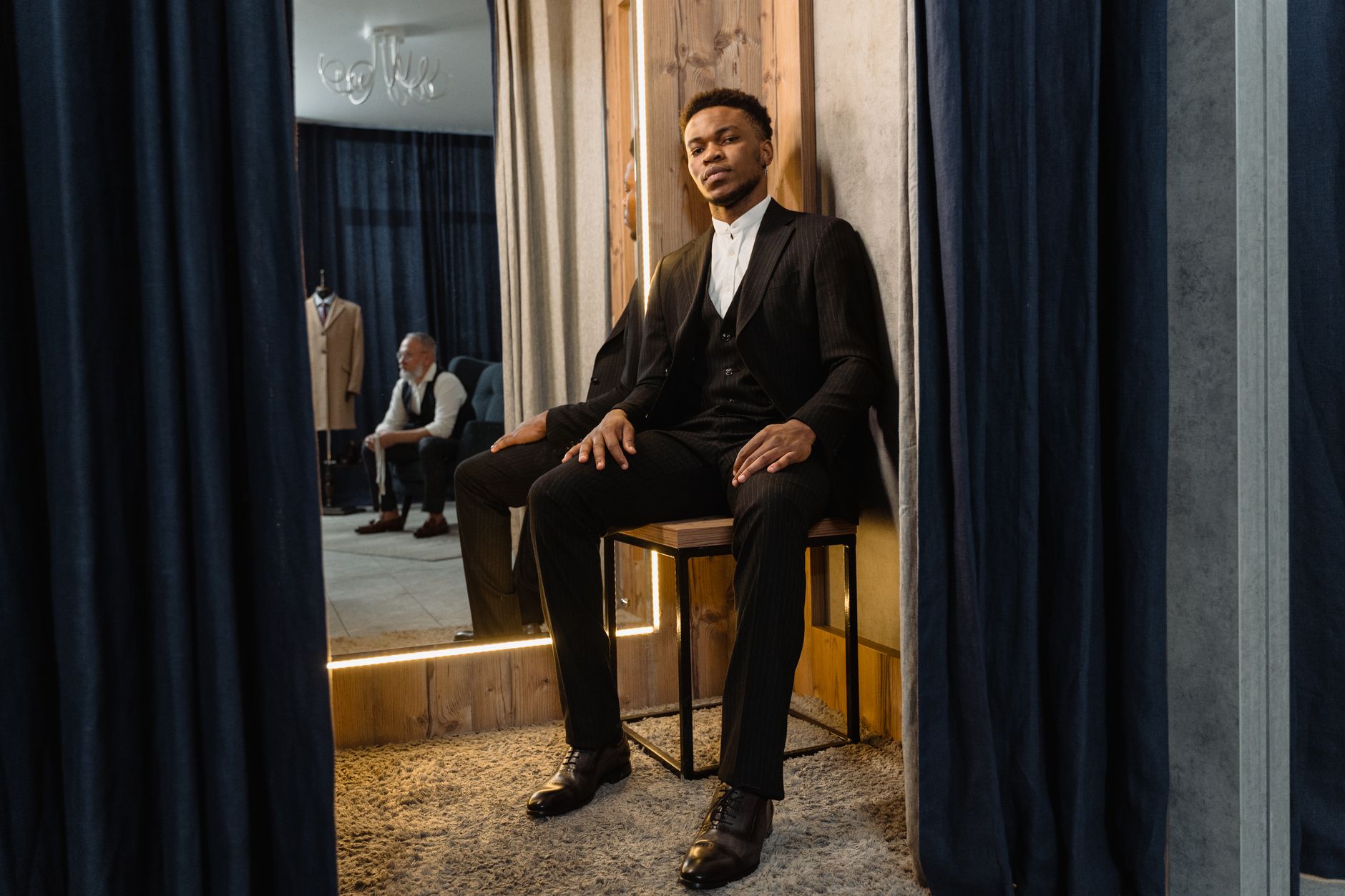
The Oxford isn’t disappearing – it remains the correct shoe for certain formal contexts, and a well-made Oxford in dark calf will always be defensible. But the dresser who once considered the Oxford the obvious answer is now more likely to reach for the Andres, particularly in any context that doesn’t require a tie. That shift in default choice is precisely where fashion moves before anyone writes about it, and the Andres has been accumulating those quiet decisions for years. The question isn’t whether it’s replaced the Oxford – it’s whether the Oxford has a compelling answer to a shoe that requires absolutely nothing of the person wearing it.