


The hair clip had its moment. For a stretch of seasons, the claw clip, the barrette, and the jaw clip cycled through every runway and street style gallery, becoming the shorthand for effortless, thrown-together chic. Now something quieter is taking over shelf space at boutiques and beauty counters: the padded headband, thick and structured, with a silhouette closer to an accessory than a functional tool.
What makes the shift interesting is how it happened – not through a single viral moment or a celebrity endorsement, but through a slow accumulation of styling choices that started signaling something different about how people want to wear their hair. The padded headband is not making hair invisible. It is making it intentional.
What the Padded Headband Actually Is
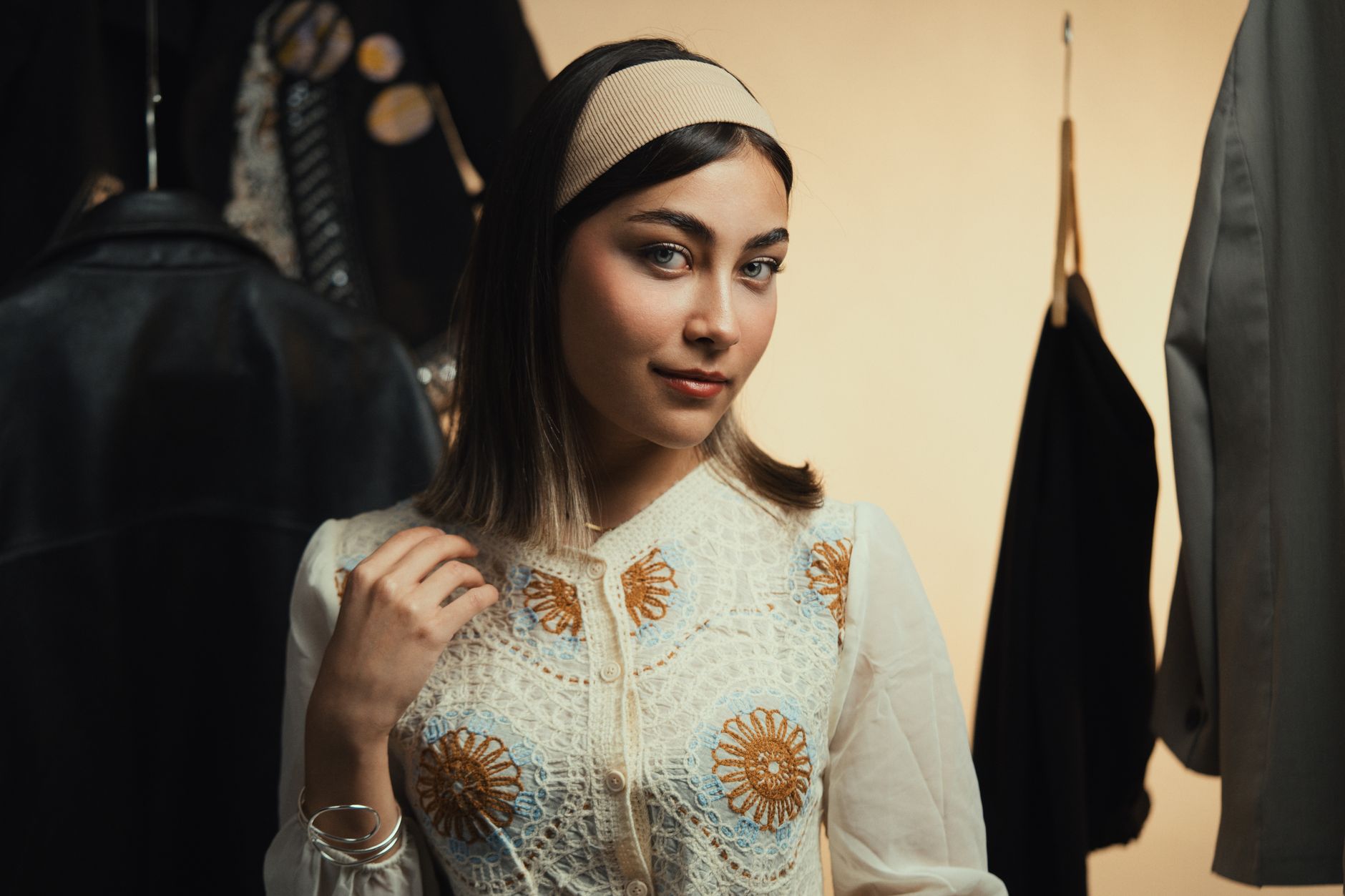
The version gaining traction now is not the thin elastic band of a decade ago, nor the stiff plastic hoop that pressed uncomfortably against the skull. The current iteration is wider – often two to four centimeters across – and upholstered in fabric: velvet, satin, quilted cotton, boucle, or leather-look materials that read as deliberate choices rather than afterthoughts. Some are padded with a slight cushion that makes them sit flush with the head without slipping. Others are structured enough to hold their shape when set down on a table.
The construction matters because it changes what the accessory communicates. A claw clip says “I needed my hair out of my face.” A padded headband says “I made a decision this morning.” It pushes hair back from the face cleanly, frames features with a consistent line, and holds through a full day without requiring adjustment. For anyone who has watched a barrette slide by noon, that reliability alone is enough to justify the switch.
Fabric choice is where the category gets genuinely varied. The velvet versions tend to read as evening-adjacent, even in casual contexts. The quilted or boucle styles pull directly from the same vocabulary as the structured bags and elevated knit accessories dominating the quiet luxury conversation. Leather versions have a sharper edge, working well against tailored coats or minimalist knitwear without looking costumey.
Why the Hair Clip Is Losing Ground
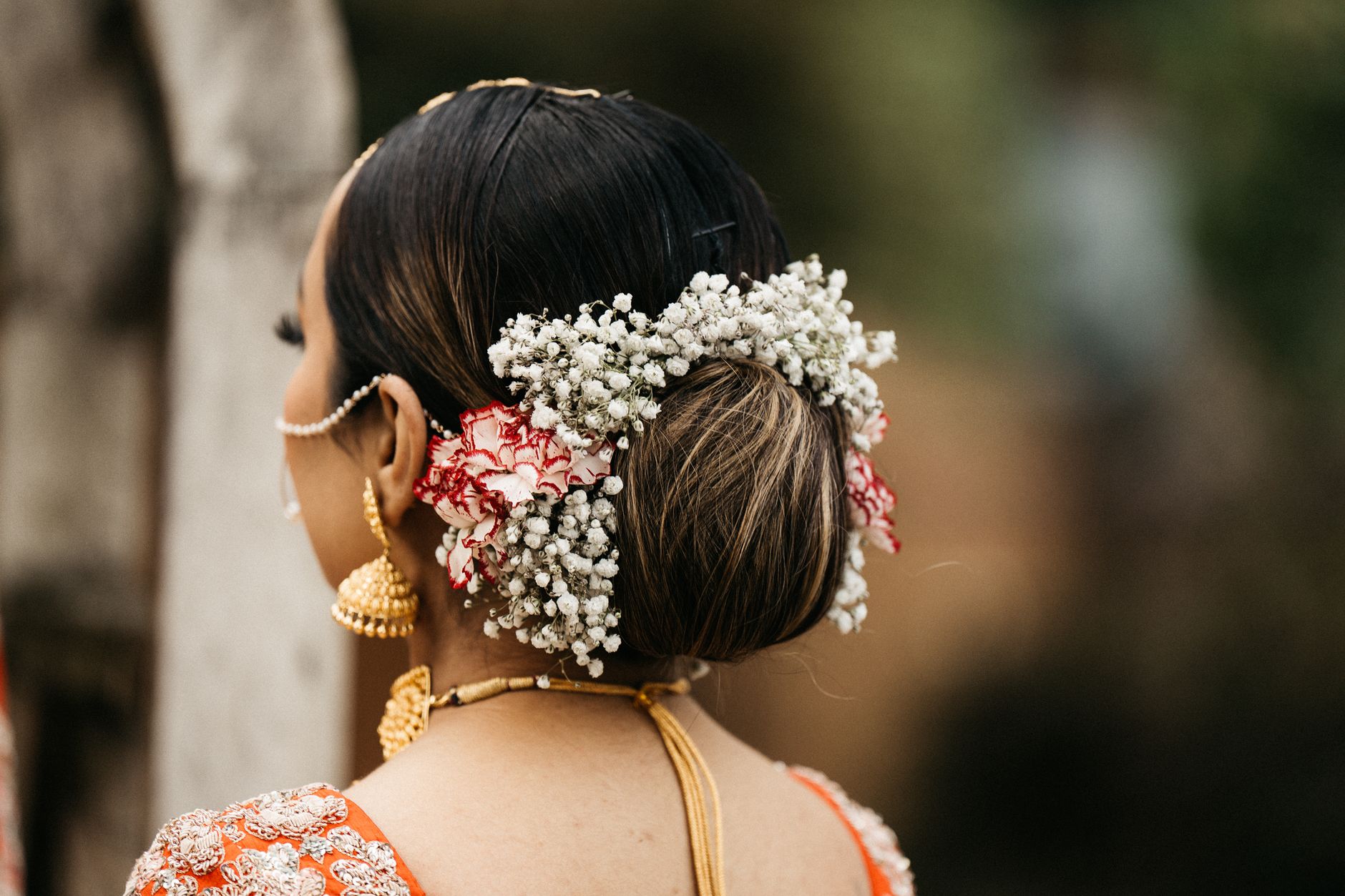
The claw clip’s popularity was built partly on nostalgia and partly on the genuine practicality of a low-effort half-updo. But after a few years of heavy rotation, it started to feel less like a style choice and more like a default. When every variation – tortoiseshell, clear, oversized, mini – has been cataloged and photographed exhaustively, the accessory stops feeling fresh. It becomes background noise.
The padded headband, by contrast, has not been cycled through every possible permutation yet. It sits at that window between “noticed” and “saturated,” which is exactly where fashion momentum builds. Brands releasing them now are working with a consumer who is ready for something new but not asking for anything radical.
How It Works Across Different Wardrobes
The padded headband’s strongest commercial argument is its range. It does not belong exclusively to any one aesthetic category, which is a meaningful advantage over an accessory like the claw clip, which tends to skew casual-relaxed almost regardless of context. A structured satin headband worn with a blazer and trousers reads as polished and considered. The same silhouette in quilted cotton over a knit sweater and straight-leg denim reads as relaxed but intentional. That kind of flexibility is rare in hair accessories.
It also plays well against the current appetite for “done” hair that does not look overdone. Blowouts are expensive and time-consuming. Elaborate updos require skill or a stylist. The padded headband achieves a similar effect – hair pulled back and framed, face fully visible, overall silhouette clean – with essentially no technical ability required. Wash-and-wear hair, with one structured piece doing the editorial heavy lifting.
The styling logic extends to how it interacts with different face shapes and hair textures. Unlike a barrette or clip, which works primarily on certain hair thicknesses and lengths, the headband functions across a broader range – from fine straight hair to thick natural hair to short cuts where a clip would have nothing to grip. That broader applicability is part of why it is gaining traction beyond the narrow style-forward consumer and into a wider market.
There is also a price argument working in its favor. A well-made padded headband from a mid-range brand costs less than a comparable hair clip from a heritage accessories house, but carries similar visual weight. At a moment when shoppers are rethinking where they spend on accessories – fewer statement pieces, more considered staples – the headband slots in as something that photographs well, travels flat, and does not break if dropped on a bathroom tile.
What no one has quite resolved yet is whether the padded headband can sustain the level of variation needed to stay interesting over multiple seasons. The claw clip had that problem too, but the headband’s construction opens up more material options – embroidery, mixed fabrics, hardware detail, color blocking. Whether brands push into those directions or play it safe with the same velvet and satin loop in twelve colorways will determine whether this accessory becomes a genuine wardrobe fixture or just the next clip waiting to be replaced.