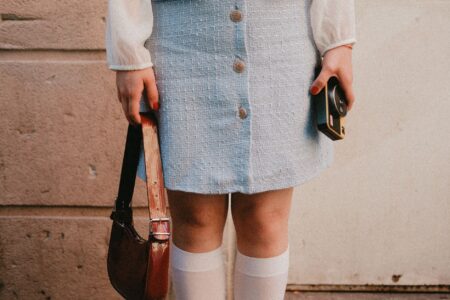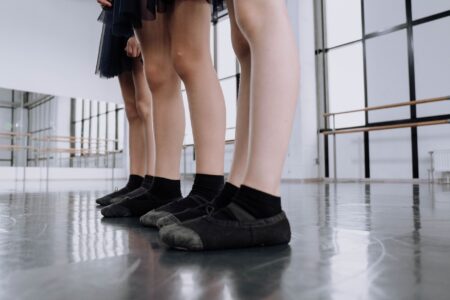


Ballet-core arrived loud – ribbon-tied flats, tulle skirts, and satin everything flooding every fast-fashion floor from Seoul to Stockholm. Most trends burn out on contact with overexposure. Miu Miu’s version keeps going.
How Miu Miu Built a Different Kind of Ballet Language
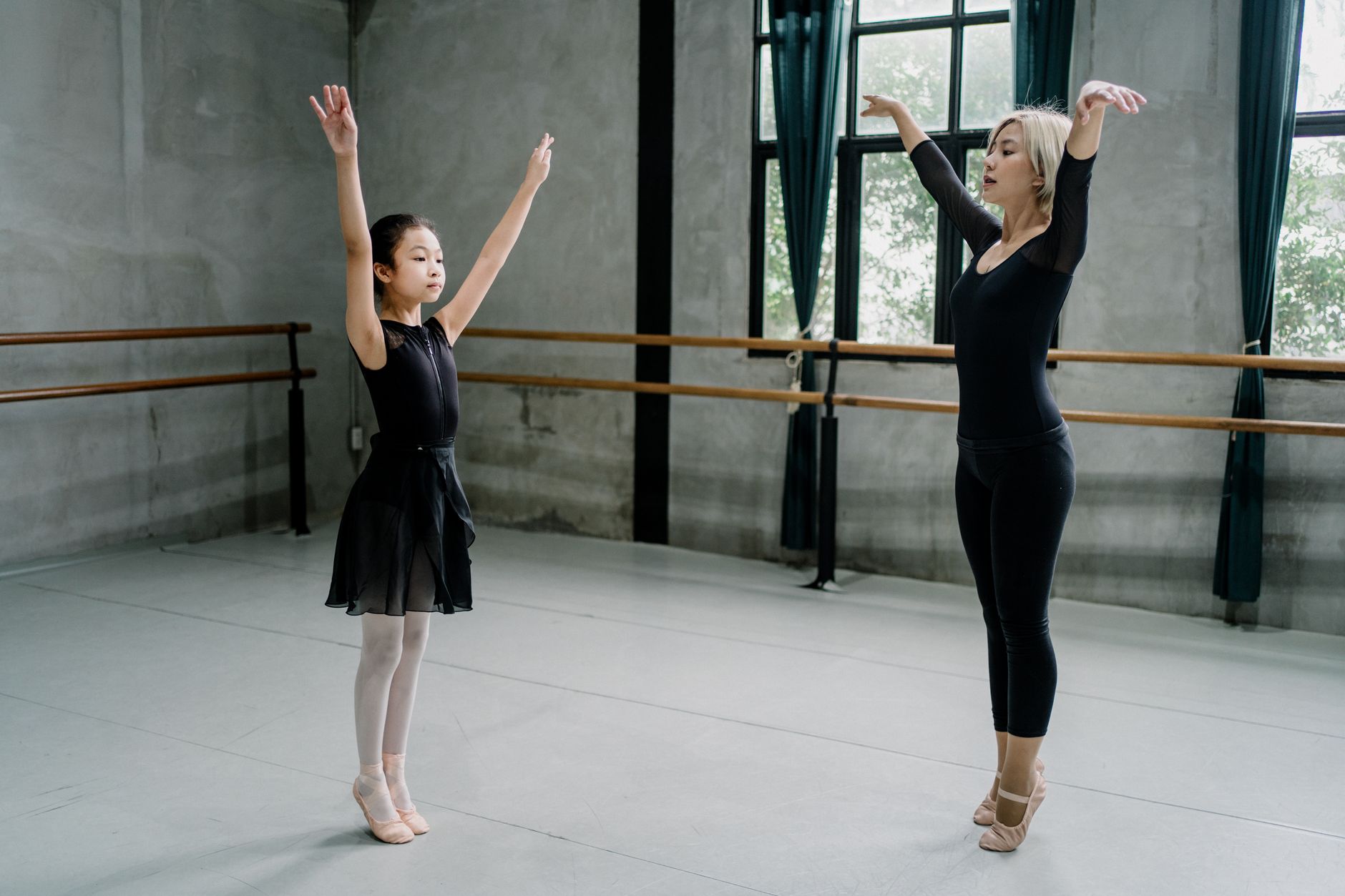
The distinction between Miu Miu’s approach and the broader ballet-core wave comes down to restraint. Where other brands rushed to translate the trend into obvious references – bows on everything, pink as a default, tutu silhouettes worn with zero irony – Miu Miu worked from a more structural place. The house didn’t dress women as ballerinas. It borrowed the underlying grammar: posture, proportion, the particular tension between fragility and discipline that ballet actually demands.
Creative director Miuccia Prada has long operated from a place of intellectual provocation, and the ballet codes she introduced didn’t feel like a response to what was trending on social media. The satin-trimmed cardigans, the cropped proportions, the flat shoes with elongated toe boxes – these read less as costume and more as a specific idea about how a woman holds herself. That distinction matters. Trend pieces get worn once for a photo. Clothes built around an idea get worn until they fall apart.
The silhouette work is worth examining closely. Miu Miu consistently returned to the cut-off cardigan, hemmed above the natural waist in a way that references a ballet warm-up rather than a stage performance. The reference is to the rehearsal room, not the theater – which makes it feel lived-in, practical, almost private. That’s a different emotional register than a tulle skirt worn to brunch.
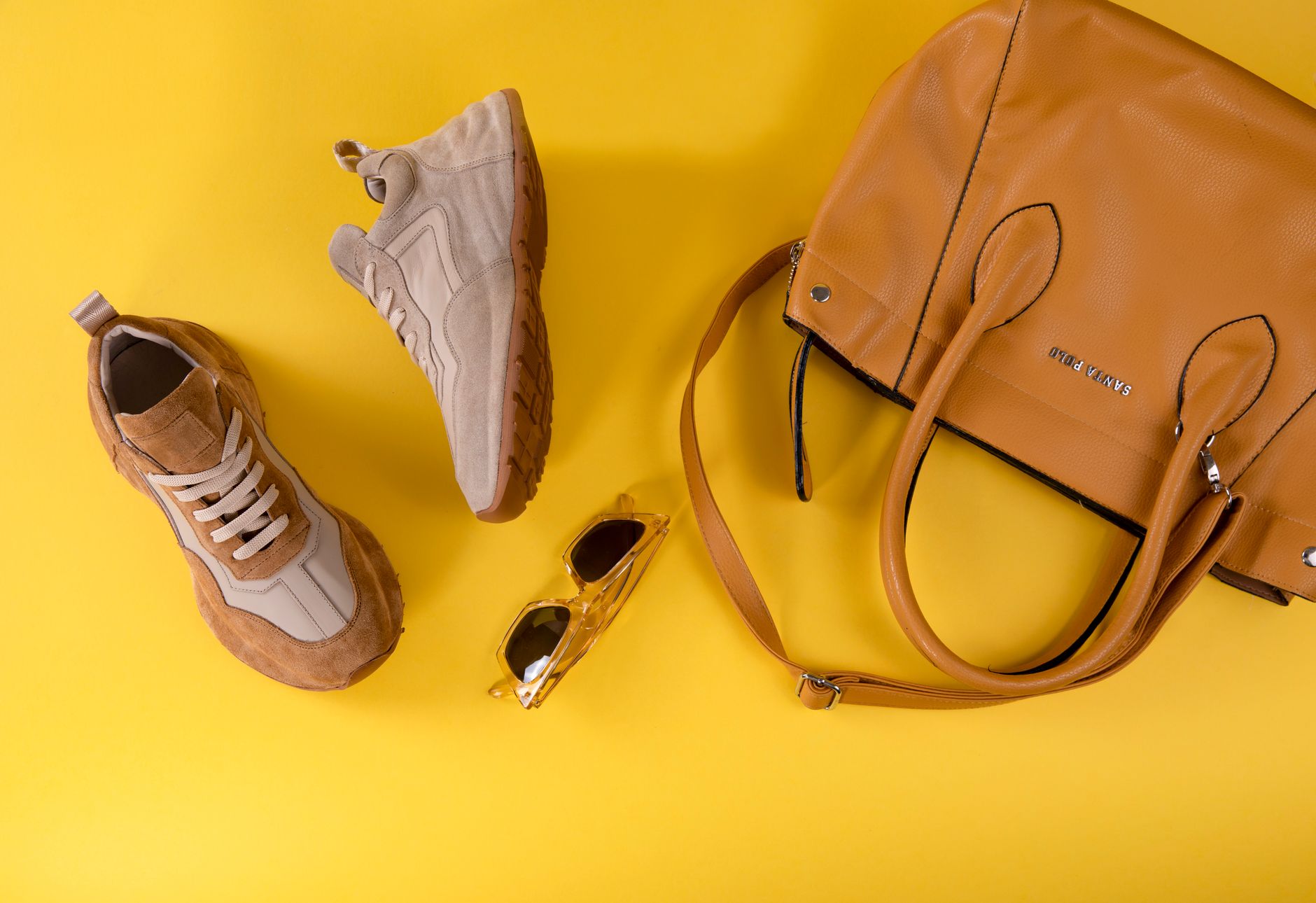
Footwear anchored the whole project. The house leaned into flats with a particular emphasis on the slipper silhouette, refined enough to read as evening but flat enough to feel considered rather than compromised. The broader shift away from heels toward more grounded, considered footwear gave Miu Miu’s ballet flats a longer runway than they might have had in a different moment.
Why the Codes Are Staying When the Trend Is Fading
Trend cycles have compressed significantly over the last decade, and ballet-core followed the standard arc: emergence on runways, saturation at street level, eventual parody on social media. The meme versions appeared around the same time the fast-fashion interpretations hit clearance racks. By most measures, the trend should be over. Miu Miu’s version isn’t behaving like it is.
Part of the reason is pricing and positioning – the brand operates at a level where customers are buying fewer pieces more deliberately. But that alone doesn’t explain it. Plenty of luxury houses have watched their trend-adjacent pieces date badly regardless of price point. The deeper reason is that Miu Miu’s ballet-inflected pieces don’t require the full trend context to make sense. A cardigan with satin trim works in 2025 without needing the cultural moment that made it feel urgent in 2023. That kind of independence is rare and largely intentional.
There’s also something specific about the customer Miu Miu has cultivated over the last several years – younger than the average luxury buyer, more likely to mix archive and contemporary pieces, less attached to wearing things as prescribed. That customer bought Miu Miu’s ballet pieces because they liked the construction and the attitude, not because ballet-core was the theme of the moment. When the trend conversation moved on, their relationship to the clothes didn’t.
The runway presentation helped build this. Miu Miu’s shows consistently frame the clothes inside a world rather than a trend. The casting, the staging, the music choices – everything signals a point of view that predates and will outlast any particular aesthetic wave. When that context surrounds a ballet-adjacent cardigan, the cardigan absorbs the larger meaning. It becomes part of Miu Miu’s ongoing argument about young womanhood, rather than a participant in that season’s trend report.
Resale data supports this holding pattern. Miu Miu pieces from the peak ballet-core seasons are trading at close to original retail, which is unusual for trend-specific items that typically shed value fast once the cultural conversation moves on. The satin-trim ballet flats in particular have maintained demand in a way that comparable pieces from trend-chasing brands haven’t. When resale value holds, it signals that buyers see the pieces as lasting rather than dated – a meaningful distinction in a market that moves quickly.
What Staying Power Actually Looks Like
Staying power in fashion isn’t about being timeless – that’s a myth usually deployed to justify boring design. It’s about building something specific enough to have a real identity, but not so narrowly coded that it expires the moment the reference point does. Miu Miu’s ballet work landed on the right side of that line because the actual source material – the rehearsal room, the discipline, the particular female experience of that world – has more depth than a seasonal trend can exhaust.
The more interesting question now is whether the house continues to develop the codes or lets them settle into the archive. Miuccia Prada has a history of returning to ideas across multiple collections, deepening rather than abandoning them – which suggests the ballet language isn’t finished yet, just quieter for a moment. The question isn’t whether it survived the trend cycle. It already did. The question is what it becomes when it no longer needs the trend cycle to explain it.