


There is a particular kind of refinement that does not announce itself. Loro Piana has built an entire brand identity around that principle, and the tricotine trouser is perhaps its clearest expression yet. While the fashion conversation has spent years orbiting the return of tailored trousers in general – pleated, wide-leg, cropped – a quieter shift has been happening at the fabric level. The wool pant, long the default for dressed-up dressing, is losing ground to a construction that most people cannot immediately name but will absolutely feel the difference in.
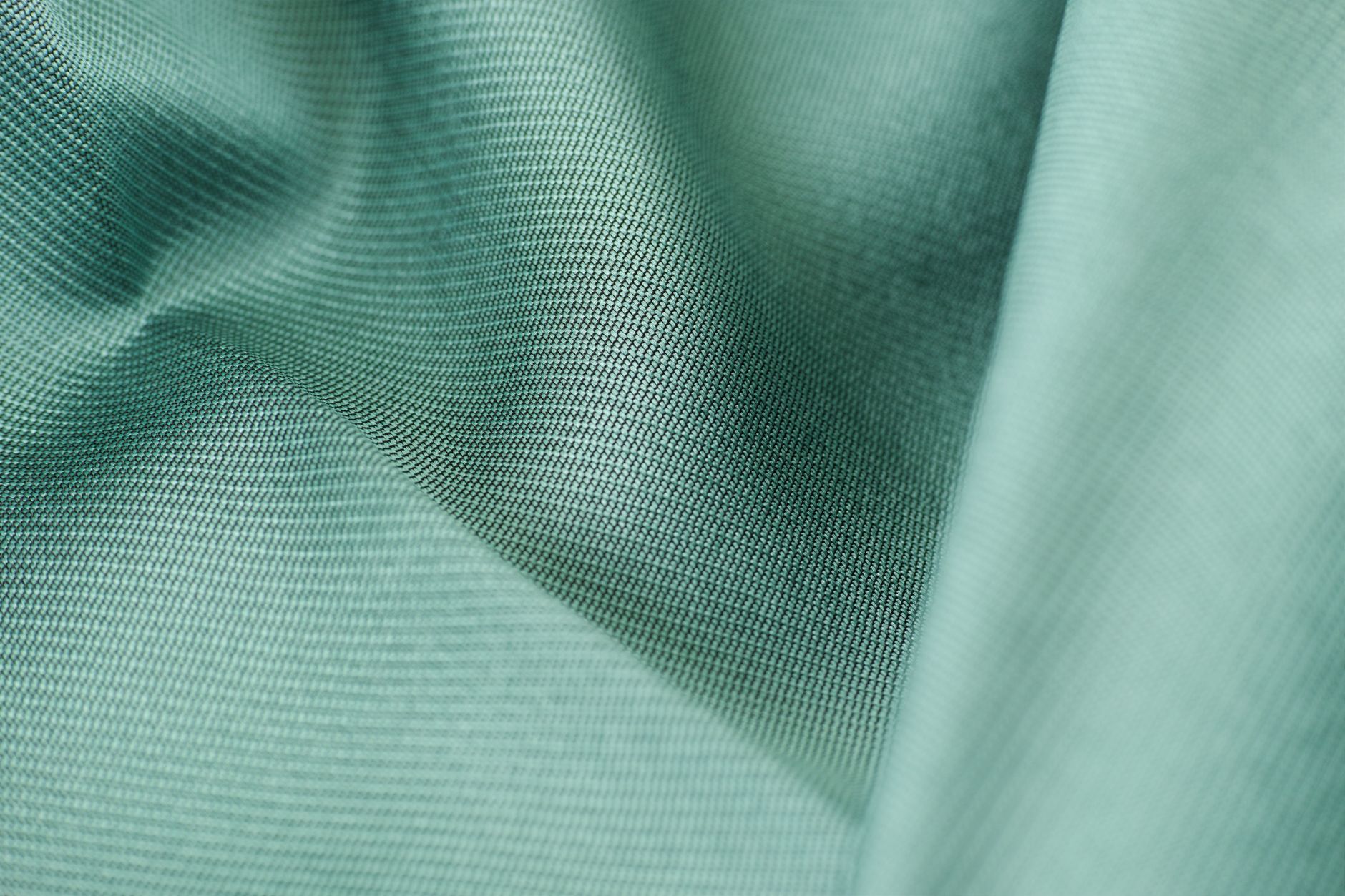
Tricotine is a tightly woven twill fabric, traditionally used in military uniforms and equestrian wear for its durability and resistance to creasing. Loro Piana’s version updates the structure with the kind of fiber sourcing the brand is known for – predominantly fine wools and cashmere blends that soften what was historically a stiff, utilitarian material. The result is a trouser that holds a clean line without the formality of traditional suiting wool, and drapes without the softness that makes a flannel pant look underdressed by noon.
Why Tricotine Now
The appeal is partly functional. Standard suiting wool, whether fresco or hopsack or cavalry twill, tends to require a specific context to read correctly – it belongs with a jacket, a dress shirt, a deliberate outfit. Tricotine sits differently in the wardrobe because its texture is refined enough for elevated settings but dense enough that it does not collapse into loungewear when paired with a simple knit or a shirt worn open. That crossover quality is what the market has been quietly rewarding.
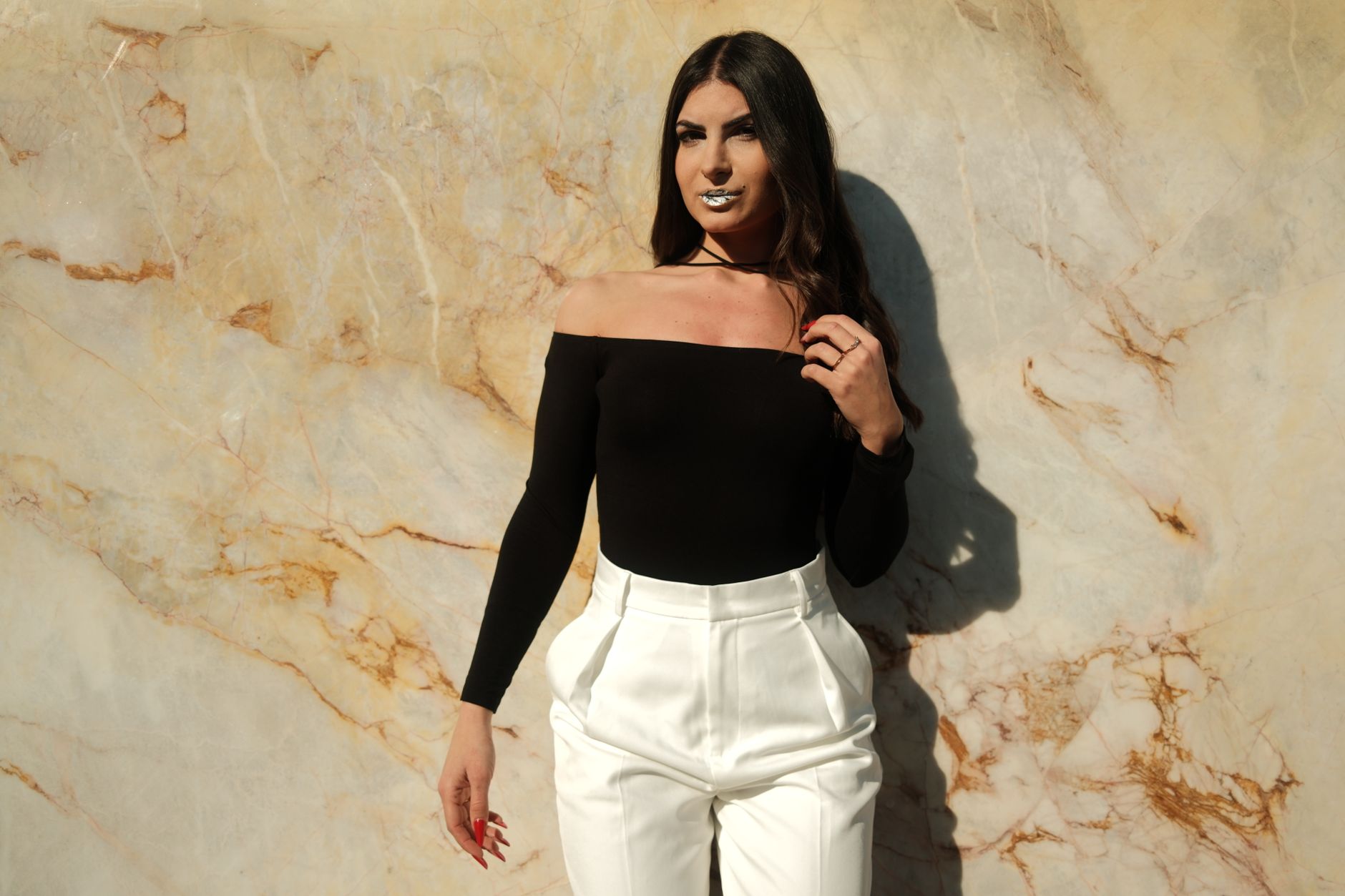
Loro Piana’s cut for the tricotine trouser leans slightly wider through the thigh before tapering, a proportion that works across body types without relying on the extreme silhouettes that have defined runway tailoring for the past few seasons. There is no radical statement in the shape. The statement, if you want to call it that, is entirely in the material – the way the fabric catches light, how it maintains structure through a full day of wear, the absence of the bagging at the knee that plagues even quality wool trousers over time.
Tricotine’s resistance to creasing is not a minor selling point. It is the central reason the fabric was abandoned in civilian fashion for decades – it was considered too stiff, too workmanlike – and the exact reason it makes sense now. The person buying these trousers is not dressing for a single occasion. They are building a wardrobe that moves between contexts without requiring a change of clothes or a steamer.
What the Wool Pant Is Losing
The classic wool trouser is not disappearing – nothing in tailoring ever fully disappears – but it is being pushed into more specific territory. Heavy wool flannel reads as cold-weather dressing. Lightweight tropical wool needs pressing more often than most people are willing to commit to. Both remain excellent choices within their contexts, but neither offers the year-round, occasion-spanning utility that a growing number of buyers are actively looking for when they justify spending at the Loro Piana price point.
The shift is also generational in a quiet way. Buyers who grew up with fast fashion have a different relationship to investment pieces – they expect those pieces to work harder, cover more occasions, and require less maintenance. Tricotine satisfies all three demands in a way that traditional suiting wool does not. It is not that wool has failed; it is that tricotine does more.
The Fabric’s Position in the Larger Market
Loro Piana is not alone in revisiting tricotine – some other heritage houses have experimented with the fabric in recent seasons – but the brand’s execution is distinct because of how it integrates the material into everyday separates rather than formal suiting. The trouser functions as a standalone piece, not as the bottom half of a matched suit, and that positioning is exactly where the premium separates market is growing. Buyers want pieces they can rotate rather than sets they have to wear together.
The price point, which runs significantly higher than comparable wool trousers from mid-market tailoring brands, is justified partly through the material and partly through longevity. Tricotine does not pill at the rate that softer wool blends do, and because the weave is denser, it holds its shape through repeated wear without the intervention of professional pressing. For someone buying one or two pairs of trousers per season, that durability argument carries real weight.
There is also a styling flexibility that wool – particularly the dressier iterations – cannot match. The tricotine trouser moves from a structured blazer to an oversized cashmere crew neck without looking like a mismatch. That pairing logic is similar to what has made certain tuxedo blazers and refined tailored pieces outlast what seemed like more versatile alternatives – the cleaner the construction, the more contexts it can absorb.
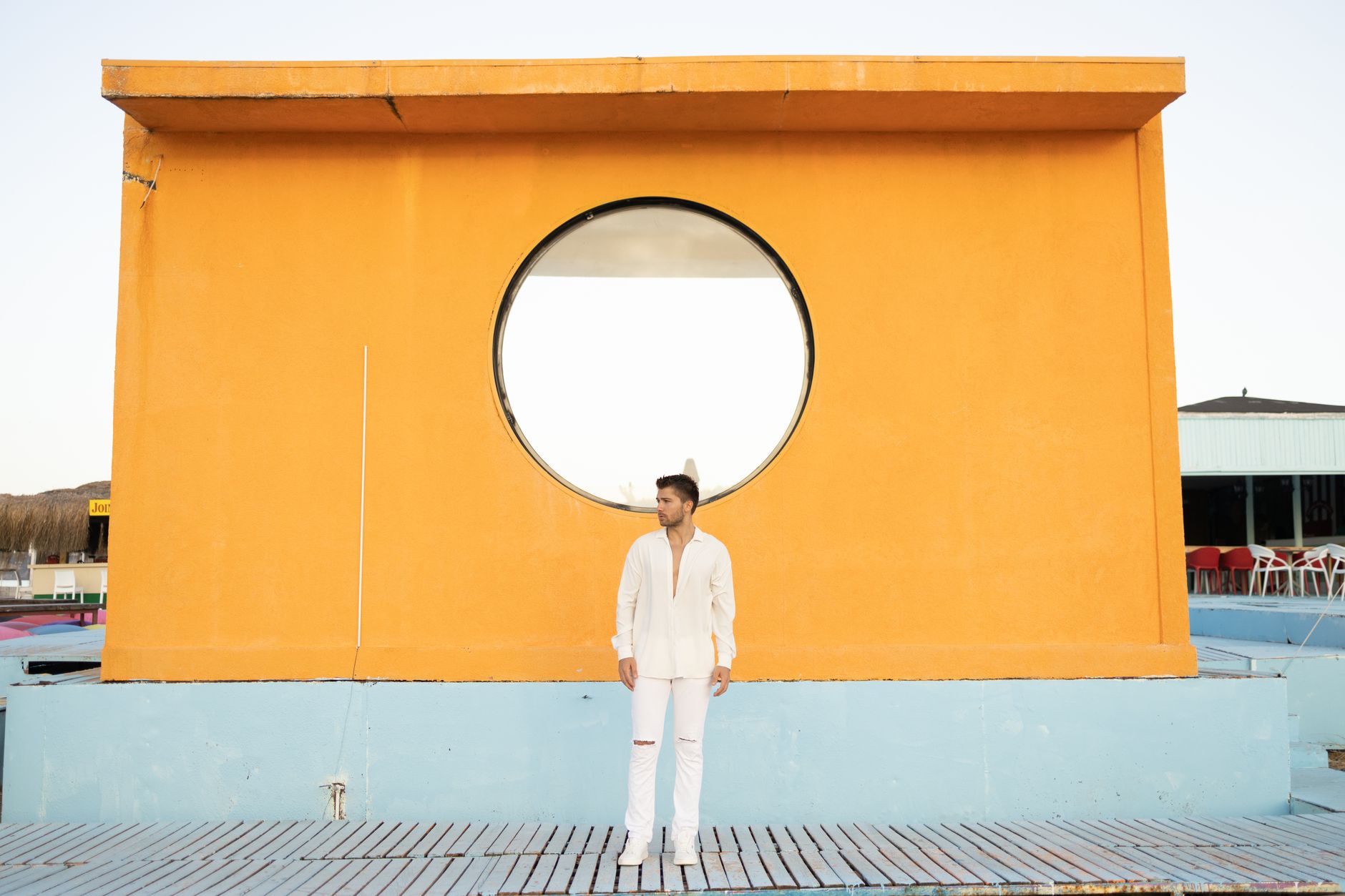
What makes the tricotine trouser a genuine category threat rather than a seasonal novelty is that its advantages are not trend-dependent. Crease resistance, year-round weight, structured drape – none of those qualities go out of fashion because none of them are fashion in the first place. They are performance characteristics dressed in luxury clothing. And once a buyer experiences a trouser that holds its line through a twelve-hour day without looking like it has been through one, returning to standard wool requires a very good reason.
Frequently Asked Questions
What is tricotine fabric?
Tricotine is a tightly woven twill fabric originally used in military and equestrian wear, valued for its durability, crease resistance, and ability to hold a clean shape over time.
How does Loro Piana’s tricotine trouser differ from a standard wool pant?
Loro Piana’s tricotine trouser resists creasing better than most wool trousers, maintains its structure through extended wear, and transitions more easily between casual and formal settings without requiring pressing.