



The driving shoe had a long run. For decades, it sat comfortably at the intersection of sport and luxury – rubber-pebbled soles, soft moccasin construction, the kind of shoe that signaled old money without trying. Now, Loro Piana’s cashmere loafer is doing something more interesting: it’s replacing the driving shoe on exactly the kind of feet that once swore by it.
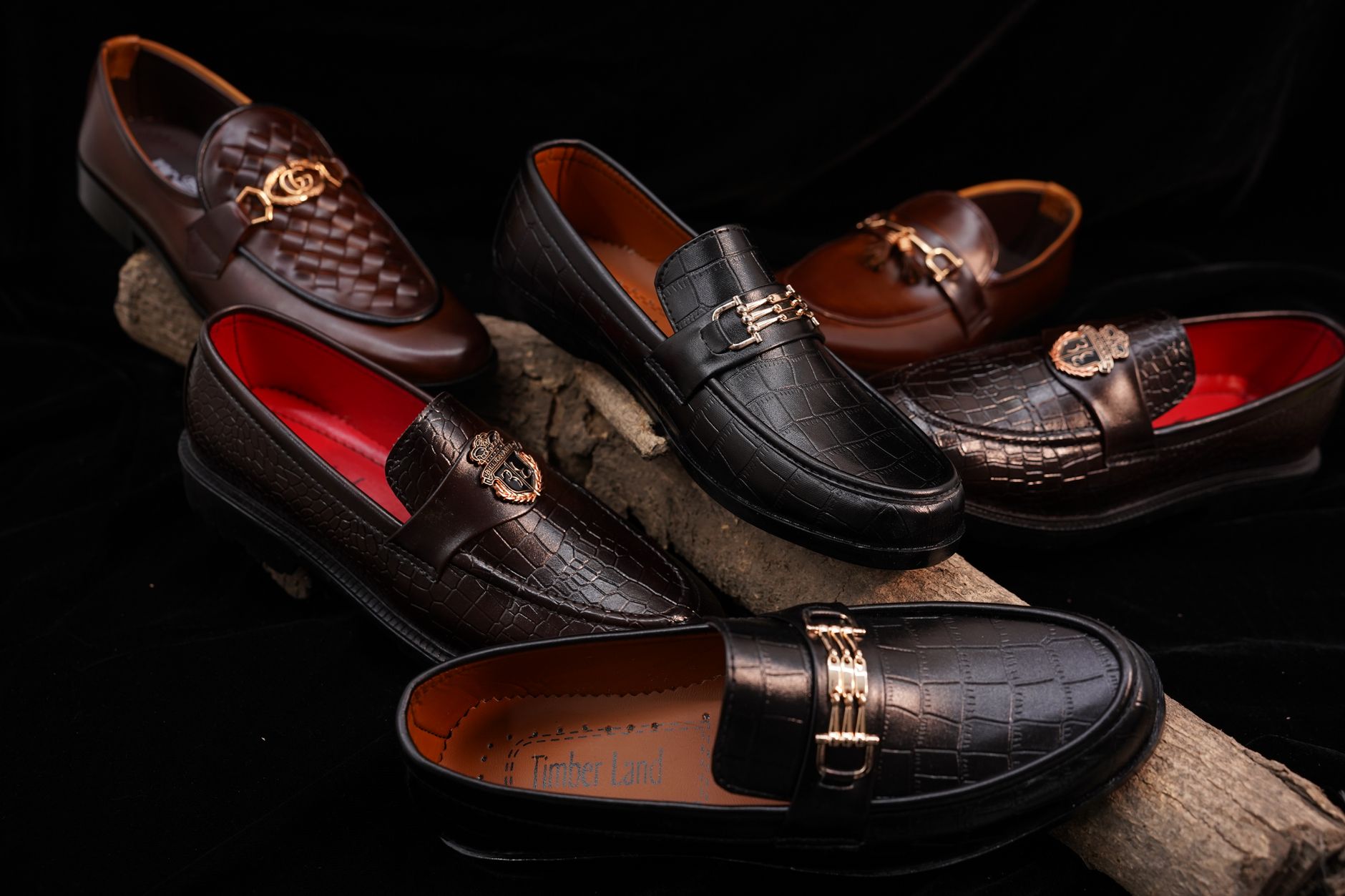
The Quiet Case Against the Driving Shoe
The driving shoe’s appeal was always functional at its core. Designed for slipping behind the wheel of an expensive car, the rubber nodules on the sole gripped the pedals, and the low, flexible construction kept the foot relaxed on long drives. It became a luxury signifier almost by accident – Tod’s built a brand around it, Gucci refined it, and eventually the shoe migrated from cars to boats to cobblestone streets in expensive European cities. For a certain kind of consumer, it was the default warm-weather shoe for twenty years.
The problem is that the driving shoe never fully escaped its casual ceiling. It reads as resort wear, or weekend wear, or vacation wear – categories that have blurred so much in recent years that the shoe’s original identity has become vague rather than versatile. When a shoe can go anywhere but belongs nowhere specific, it starts to lose its grip on the wardrobe. The driving shoe’s niche narrowed as the broader category of luxury casual expanded and gave buyers more options at the same price point.
Loro Piana’s cashmere loafer occupies a different kind of territory. It doesn’t ask you to think about where it came from or what it was designed for. It simply looks expensive, feels expensive, and – crucially – photographs expensive. That last quality matters more than it used to. A shoe that reads clearly in an image, that carries its provenance visibly, carries social weight that a rubber-soled moccasin can no longer claim in the same way.
The construction itself is the statement. Loro Piana uses its own cashmere – fabric the house has sourced and controlled for decades – to wrap a loafer silhouette that is close enough to classic to feel safe and refined enough to feel deliberate. The result is a shoe that doesn’t require context. You don’t need to know the brand’s history with fiber sourcing or textile production to understand that what you’re looking at is made from something rare. The material does the explaining.
How a Fabric Shoe Became a Status Object
Cashmere as footwear is not a new idea, but it has historically been treated as a novelty – a slipper, an indoor shoe, something soft and domestic. Loro Piana shifted the framing by treating cashmere as worthy of the same structural respect given to leather. The loafer silhouette was the right vehicle for this because it already carries associations with ease and refinement. It’s not a sneaker trying to be serious, and it’s not a formal shoe trying to be relaxed. The loafer sits exactly in the middle, which is where modern luxury dressing has settled.
The pricing positions the cashmere loafer firmly in collector territory. At over a thousand dollars in most configurations, it competes directly with high-end leather goods rather than with traditional footwear. Buyers in this bracket are not purchasing for function. They’re purchasing for the kind of quiet distinction that comes from wearing something most people can’t identify on sight but that insiders recognize immediately. That dynamic – obscure to the general public, legible to the right audience – is the defining logic of what’s sometimes called “stealth wealth” dressing. The loafer fits that logic more naturally than the driving shoe ever did.
There’s also a texture dimension that photographs and styling can’t fully capture. Cashmere at the foot level is genuinely unusual. It behaves differently from leather – softer, warmer, slightly more fragile – and that fragility is part of the appeal. A shoe you have to be careful with, that can’t be worn through puddles or scuffed on rough pavement without consequence, is a shoe that implies a particular kind of life. The driving shoe, for all its expense, was built for use. The cashmere loafer is built for an edited version of life where rough surfaces don’t appear.
Styling has followed accordingly. The cashmere loafer pairs with the kind of wardrobe that Loro Piana has spent years building around: wide-leg trousers in fine wool, unstructured blazers in technical fabrics, knitwear that matches or deliberately contrasts the texture at the foot. It’s a shoe that rewards thinking about, and that rewards dressing around. The driving shoe was easier – it worked with almost anything – but “easy” has started to feel like a liability in a market where the point is to look considered. On the question of considered dressing and the luxury codes that drive it, Saint Laurent’s tuxedo blazer is navigating a similar dynamic at the top of the menswear market.
The brand’s retail strategy amplifies all of this. Loro Piana stores are among the quietest environments in luxury retail – minimal signage, no visible logos on product, sales staff who don’t rush. The cashmere loafer sits in that environment as a natural extension of the brand’s larger argument: that the highest luxury is the kind that doesn’t announce itself. Buyers who have spent time in that world understand the message. Those who haven’t are the ones the brand is not targeting.
What the Driving Shoe Leaves Behind
The driving shoe isn’t disappearing. Tod’s still sells it in significant numbers, and Gucci’s horsebit variation remains one of the most recognized shoes in the world. But the driving shoe has moved from aspiration to familiarity, which in luxury is a form of slow retirement. When a product becomes so recognizable that it no longer signals anything specific about its wearer – when it’s as likely to appear at an airport as at a private marina – it loses the selective quality that justified its price in the first place.

Loro Piana’s cashmere loafer is not yet at that point, which is precisely what makes it interesting right now. It remains niche enough to function as a signal, expensive enough to restrict its own reach, and unusual enough in material that it doesn’t yet read as a uniform. Whether it can hold that position as it attracts more attention is the more pressing question – luxury’s oldest problem is that the things that make an object desirable are often destroyed by the desirability itself.
Frequently Asked Questions
What makes Loro Piana’s cashmere loafer different from a traditional driving shoe?
The cashmere loafer prioritizes material rarity and visual refinement over function, while the driving shoe was designed with utility in mind – rubber-pebbled soles for grip, flexible construction for driving.
Is Loro Piana’s cashmere loafer worth the price?
At over a thousand dollars, it targets buyers purchasing for distinction rather than durability – the cashmere construction is deliberately delicate, which is part of its luxury appeal.