

The espadrille has held its summer throne for decades – a reliable, romantic staple that signals vacation mode without requiring much thought. But something is shifting on the resort floors and street-style circuits this season, and it has a wooden sole.
Chloé’s Woody sandal, with its stacked wood-effect heel and clean leather straps, has been circulating quietly for a couple of seasons now. It hasn’t been pushed through a maximalist campaign or celebrity gifting blitz. Instead, it’s accumulated a kind of low-key momentum that the fashion crowd tends to trust more than anything manufactured – the kind that moves through careful buyers, repeat wearers, and wardrobe editors who hate obvious trends.
What the Woody Sandal Actually Is
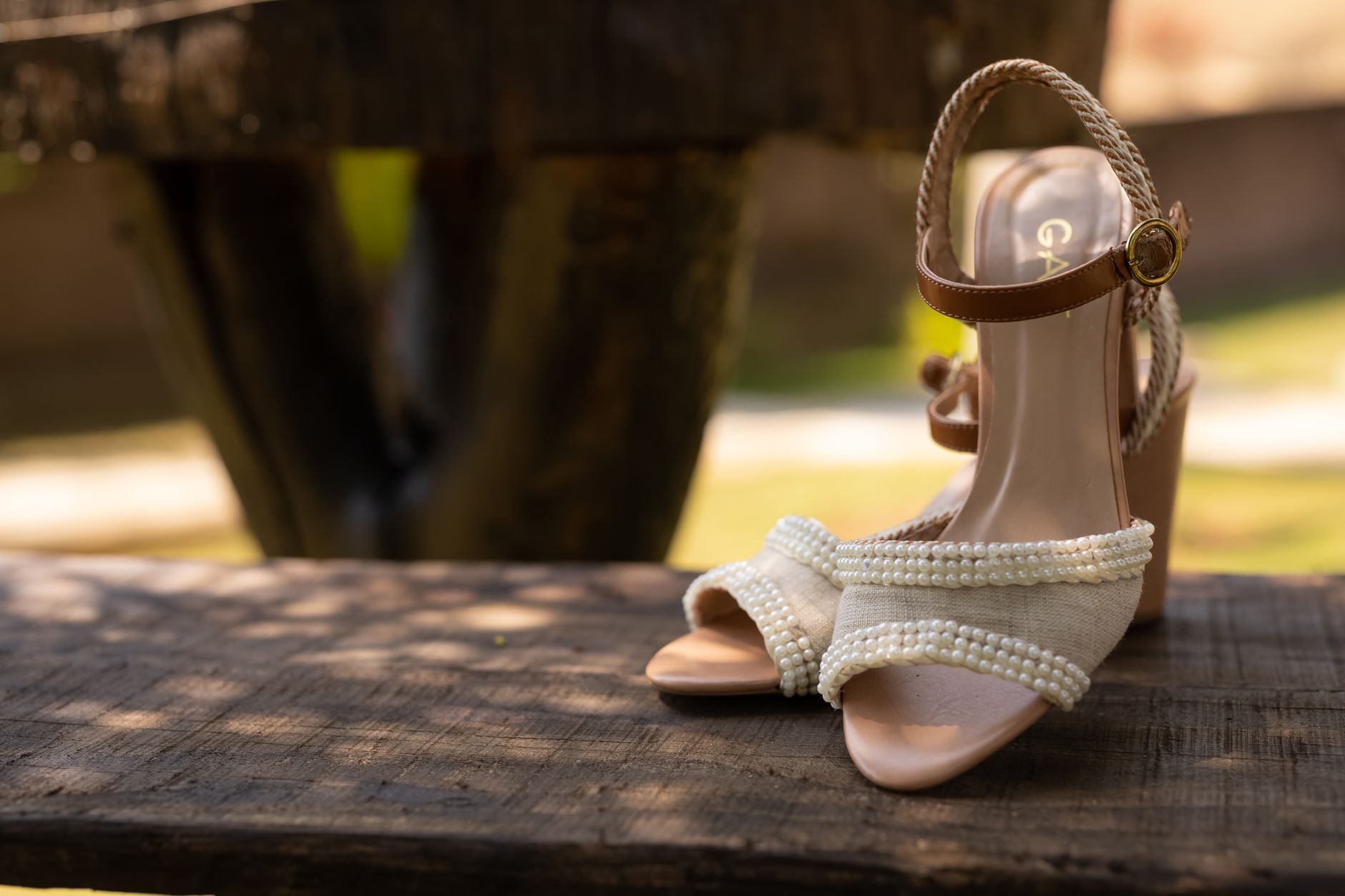
The Woody is a block-heeled sandal built around a sculptural wooden base – or a wood-effect resin that mimics it closely enough to carry the same visual weight. It sits at a modest height, somewhere between a flat and a kitten heel, which places it firmly in the category of sandals you can actually wear across a full day. The strap construction is minimal: clean lines, quality leather, a silhouette that doesn’t compete with clothing so much as anchor it.
Chloé has long understood the appeal of the lived-in luxury aesthetic – pieces that look expensive without performing extravagance. The Woody fits that sensibility precisely. It’s not a statement shoe in the traditional sense. It’s the kind of shoe that makes the rest of an outfit look more considered.
Why It’s Outpacing the Espadrille
The espadrille’s weakness has always been its associations. It signals a specific mode – Mediterranean leisure, linen trousers, a glass of rosé at noon – and while that’s appealing for roughly six weeks in summer, it’s a narrow register. The Woody doesn’t carry the same geographic or seasonal restrictions. The wood sole reads as artisanal without being folkloric, and the leather upper keeps it grounded in year-round dressing logic.
There’s also a durability argument. Espadrilles, by design, are fragile. The jute sole deteriorates with moisture, the canvas or fabric uppers scuff easily, and most pairs have a lifespan of one season if worn regularly. The Woody, built on a structured sole with proper leather construction, holds up differently – and buyers who’ve started treating footwear as an investment rather than a seasonal throwaway are noticing.
The heel height is doing specific work here too. Flat sandals, however elegant, can feel underdressed in contexts where jeans or tailored trousers are involved. A full wedge espadrille tips into resort territory that doesn’t translate well to city dressing. The Woody’s block heel sits exactly between those two points – enough lift to elevate an outfit, low enough to stay practical. That middle ground is genuinely hard to occupy, and most sandal silhouettes don’t manage it.
Chloé’s broader design direction under recent creative leadership has been gravitating toward pieces with artisan references – natural materials, handcraft details, textures that suggest process. The Woody benefits from being legible within that story without depending on it. You don’t need to know anything about the brand’s Parisian-meets-bohemian positioning to find the sandal appealing. It works on its own terms.

How Stylists and Buyers Are Using It
The Woody has been appearing in contexts where the espadrille would have been the instinctive reach two or three seasons ago – linen sets, relaxed suiting, midi dresses in organic fabrics. What’s telling is that it’s also showing up in cooler-weather resort dressing: worn with wide-leg trousers, with lightweight knits, in palette combinations that don’t scream August. That versatility is what positions it as a wardrobe fixture rather than a warm-weather prop.
The sandal’s color range plays into this. Chloé has offered the Woody in shades – tan, off-white, muted brown – that operate as neutrals across a broad range of wardrobe colors. Unlike the espadrille’s natural jute, which reads warm and summery almost involuntarily, the Woody’s leather tones sit alongside darker palette pieces without obvious friction. That’s a functional advantage that’s easy to underestimate.
The Resale Signal
One reliable indicator of a shoe’s staying power is what happens to it on the secondary market. Sandals that are truly seasonal – the ones bought in a moment of holiday enthusiasm – tend to surface on resale platforms at steep discounts within a few months. The Woody’s resale pricing hasn’t followed that pattern. Pre-owned pairs are holding close to retail, which suggests buyers who have them aren’t treating them as disposable and buyers who missed them are actively seeking them out.
This tracks with a wider appetite for footwear that carries craft references without crossing into costume. The category that’s performing well on resale right now – structured flats, quality sandals, shoes with visible material integrity – is the category the Woody belongs to. It’s adjacent to the kind of archival appetite that’s driven interest in certain archival pieces commanding resale premiums: the logic that quality construction and coherent design hold value in ways that trend-chasing doesn’t.
What makes the Woody’s position interesting is that Chloé hasn’t aggressively iterated on it the way brands typically do when something sells. There’s no maximalist version, no platform variation, no embellished capsule edition aimed at capturing a different customer. It has stayed largely itself – which is either a confident commercial decision or a quiet acknowledgment that the sandal works precisely because it hasn’t been overcomplicated. Either way, the espadrille is going to have to offer something more than nostalgia to compete with that kind of restraint.