

Khaite doesn’t advertise its dominance. The New York label, known for its quietly confident take on American luxury, has spent the past few years building something rarer than hype – a devoted secondary market that holds value without the brand ever asking it to.
Why Khaite Leather Holds Its Price
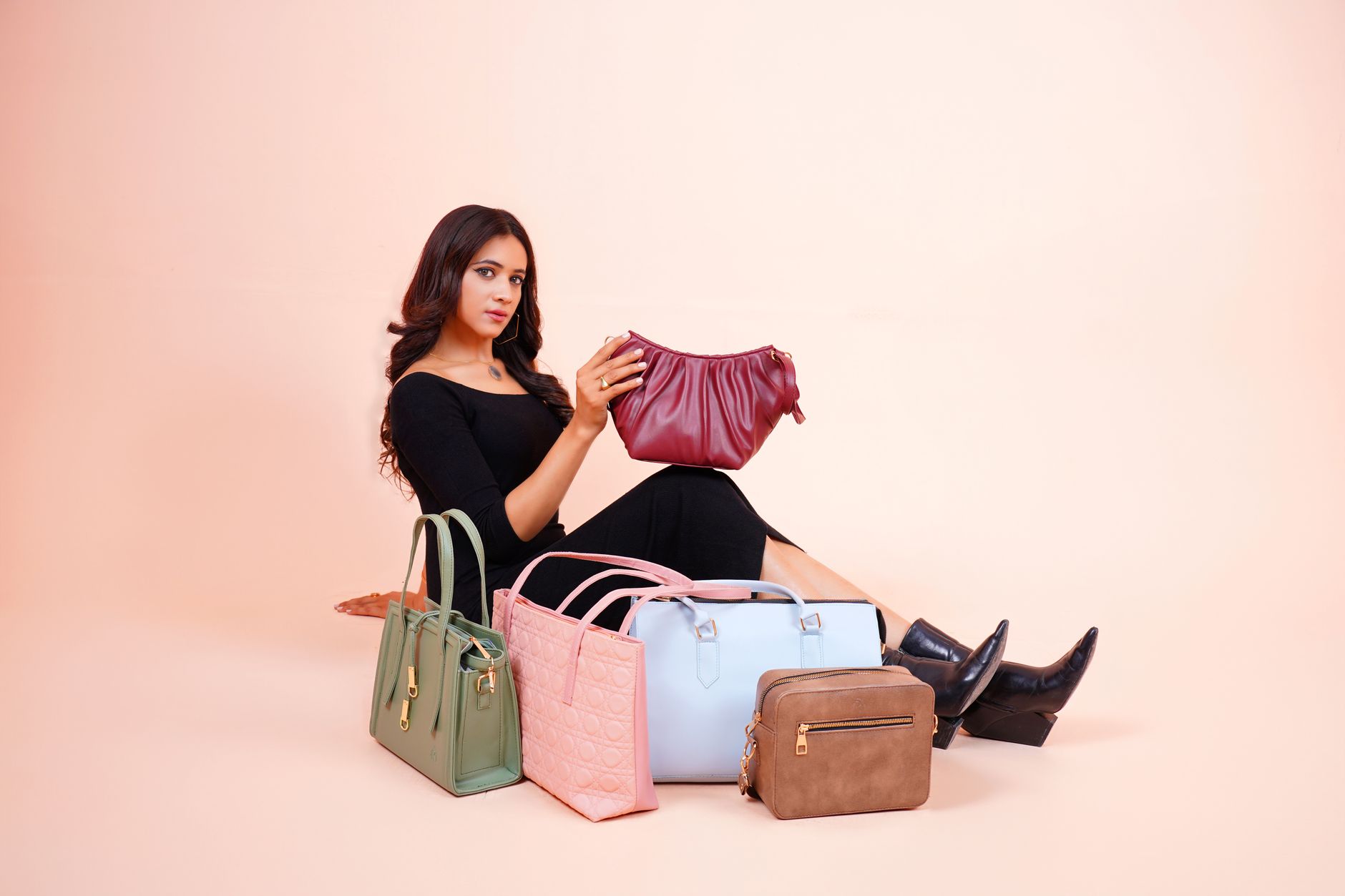
The brand’s leather pieces – structured totes, supple belts, tailored jackets – are showing up on resale platforms at prices that often hover close to, and sometimes exceed, their original retail tags. That’s a meaningful signal in a resale market where most contemporary fashion loses a third or more of its value the moment a purchase is confirmed. Khaite’s leather goods are bucking that pattern, and the reasons go deeper than trend timing.
Construction plays a significant role. Khaite uses full-grain and high-quality vegetable-tanned leathers that age visibly well – they develop patina rather than peeling or cracking, which is a real differentiator at the $800-$2,000 price point where plenty of competitors are working with bonded or corrected-grain materials. Buyers on resale platforms have started flagging this explicitly in listings, describing how pieces look better after two years of wear than they did in the box. That kind of word-of-mouth, specific and material-focused, builds credibility that no brand campaign can replicate.
Khaite also keeps its silhouettes restrained. The Sedona tote and the Osa belt bag, for example, have remained in circulation without dramatic seasonal reinvention. A bag that looks current for five seasons rather than one doesn’t end up in a donation pile – it ends up listed on a resale platform at a price the seller feels confident asking. That design continuity is doing real commercial work on the secondary market even if it reads as simple good taste on the surface.
The brand’s pricing strategy also matters here. Khaite sits below the mega-luxury tier – below Bottega Veneta and Celine at their most expensive – but above the accessible luxury bracket where depreciation is steep. That middle position creates a particular kind of buyer: someone who researched the purchase carefully, cares about longevity, and isn’t buying on impulse. Those buyers tend to maintain their pieces well, which means the supply hitting resale platforms is generally in better condition than average.

The Secondary Market Is Paying Attention
Resale platforms that track sell-through rates – the speed at which listed items actually sell – have quietly started categorizing Khaite leather in the same tier as heritage brands that have been building secondary market credibility for decades. This matters because sell-through rate is arguably a more honest measure of desirability than search volume or social media engagement. A piece that lists and sells within 72 hours is telling you something concrete about demand.
What’s particularly striking is the demographic spread of Khaite’s resale buyers. Early adopters of the brand, people who bought into Khaite when it was still being described as a “cult label” rather than an established one, are now listing their pieces as they cycle through wardrobes. But the buyers aren’t nostalgic insiders – they’re a newer wave of shoppers who encountered Khaite through editorials, dressed celebrity appearances, or the brand’s understated but consistent runway presence, and who are now using resale as their point of entry. That handoff between original buyers and new buyers, happening at healthy prices, is exactly what a functioning luxury resale ecosystem looks like.
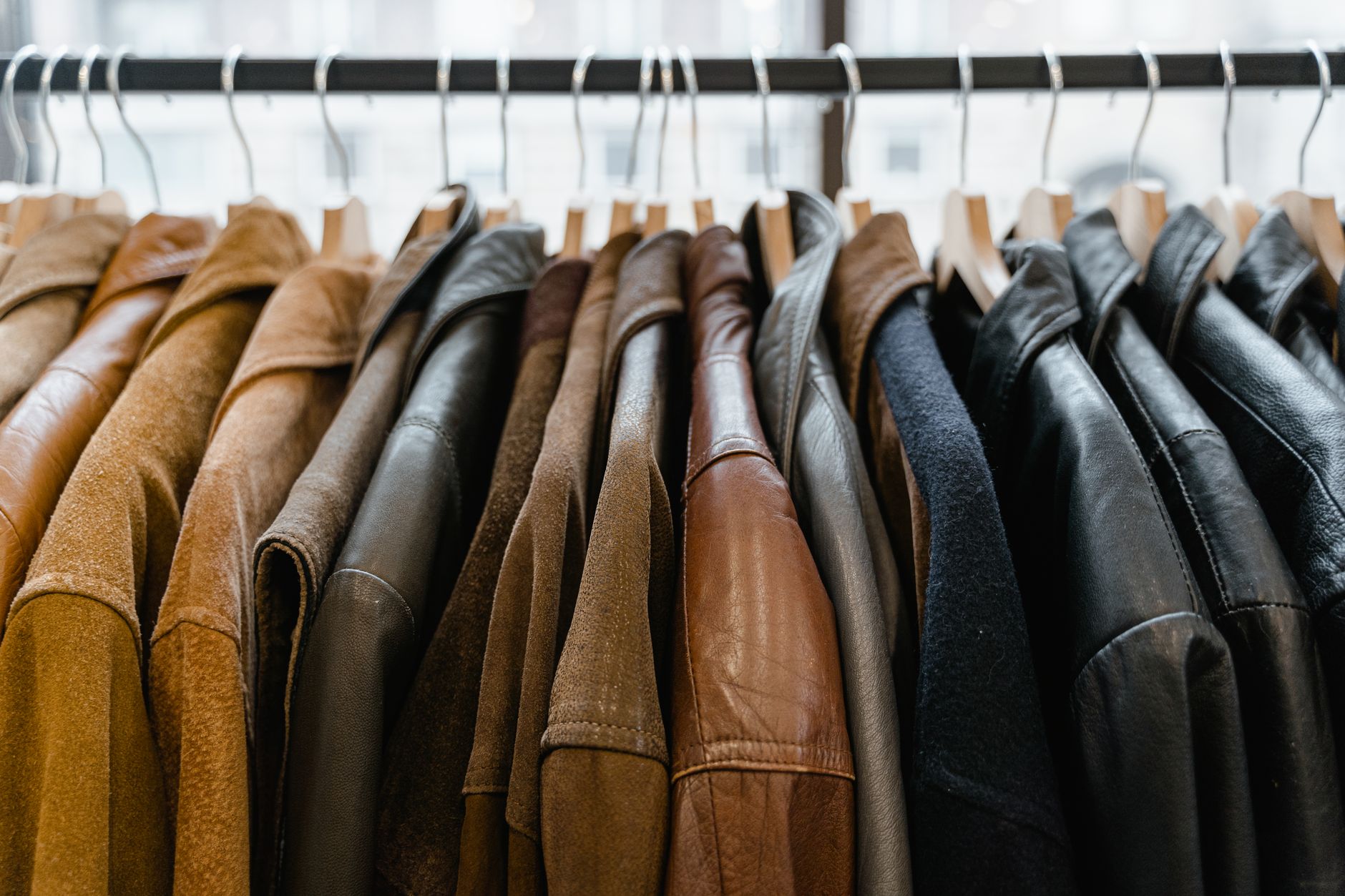
Khaite’s leather jackets deserve specific attention in this conversation. The label’s take on the moto jacket and the structured blazer-jacket hybrid has been one of its most consistent sellers at retail, and those pieces are now appearing on resale platforms with the kind of commentary that suggests buyers view them as long-term investments rather than trend purchases. Sellers are noting original purchase dates from three or four years ago alongside current asking prices that are barely reduced from retail – sometimes not reduced at all for limited colorways. This isn’t happening with most contemporary leather jackets, regardless of the brand’s general prestige.
The resale behavior around Khaite also speaks to a wider shift in how shoppers approach investment dressing. There’s a growing preference – visible in what actually sells on the secondary market versus what sits listed for months – for pieces that are quiet rather than logo-forward, and constructed rather than decorative. Khaite has been designing for exactly that buyer since Catherine Holstein launched the label in 2018. The resale market is now confirming what those original buyers intuited: the aesthetic has staying power precisely because it isn’t built around a moment. It’s also worth noting that Helmut Lang’s archive pieces are experiencing a similar resurgence, as shoppers gravitate toward considered minimalism with real construction behind it.
Authenticity verification has become an interesting wrinkle in the Khaite resale story. Because the brand doesn’t use overt logos or highly recognizable hardware in the way that some luxury houses do, authentication relies more heavily on material knowledge – the texture and weight of the leather, the consistency of stitching, the specific hardware finishes. This has, counterintuitively, made Khaite pieces more attractive to experienced resale buyers who know what they’re looking for and trust their own assessment. The market for the brand isn’t propped up by brand-name recognition alone, which makes it more stable, not less.
What This Signals for the Brand
A strong secondary market isn’t just flattering for a brand – it actively drives new retail sales. Shoppers who know they can recoup a significant portion of a purchase price if they change their minds are more willing to commit at full retail. Khaite’s leather goods are now functioning as something close to a considered purchase rather than a discretionary splurge, which positions the brand differently in a buyer’s mental accounting even before they’ve clicked checkout.
The real question is whether Khaite can maintain this position as the brand scales. Secondary market health is easy to lose: introduce too many SKUs, experiment with lower-quality materials to hit a lower price point, or allow the aesthetic to chase trends too aggressively, and the resale floor drops quickly. Khaite’s leather dominance on the secondary market is, for now, a product of restraint – and restraint is the one thing that gets harder to maintain as growth pressure increases.
Frequently Asked Questions
Why do Khaite leather pieces hold their value on resale?
Khaite uses high-quality full-grain leathers and maintains consistent silhouettes across seasons, which means pieces age well and don’t read as outdated – two factors that directly support resale pricing.
Which Khaite leather pieces are most sought after on resale platforms?
The Sedona tote, the Osa belt bag, and the brand’s leather jackets are among the most consistently listed and quickly sold items on secondary market platforms.