



The Quiet Takeover Happening in Luxury Outerwear
The fleece vest had a long run. For the better part of two decades, it served as the unofficial uniform of a certain aspirational class – tech workers, weekend warriors, and anyone who wanted to signal outdoorsy ambition without actually getting muddy. But something has been shifting on the street style circuit and in the wardrobes of the people who set the pace for luxury dressing. The Loro Piana Windmate jacket has started appearing in places the fleece vest used to own: over turtlenecks, under topcoats, thrown across the shoulders at country weekends and city dinners alike.
This is not a sudden spike driven by a single viral moment. The Windmate’s rise has been gradual, almost architectural in the way it has built a following – quietly accumulating devotees who prize understatement over logos and material quality over trend-chasing. At a price point that clears most people’s monthly rent, it occupies a very specific position: the piece you buy once and reach for constantly, because nothing else in your closet does exactly what it does.
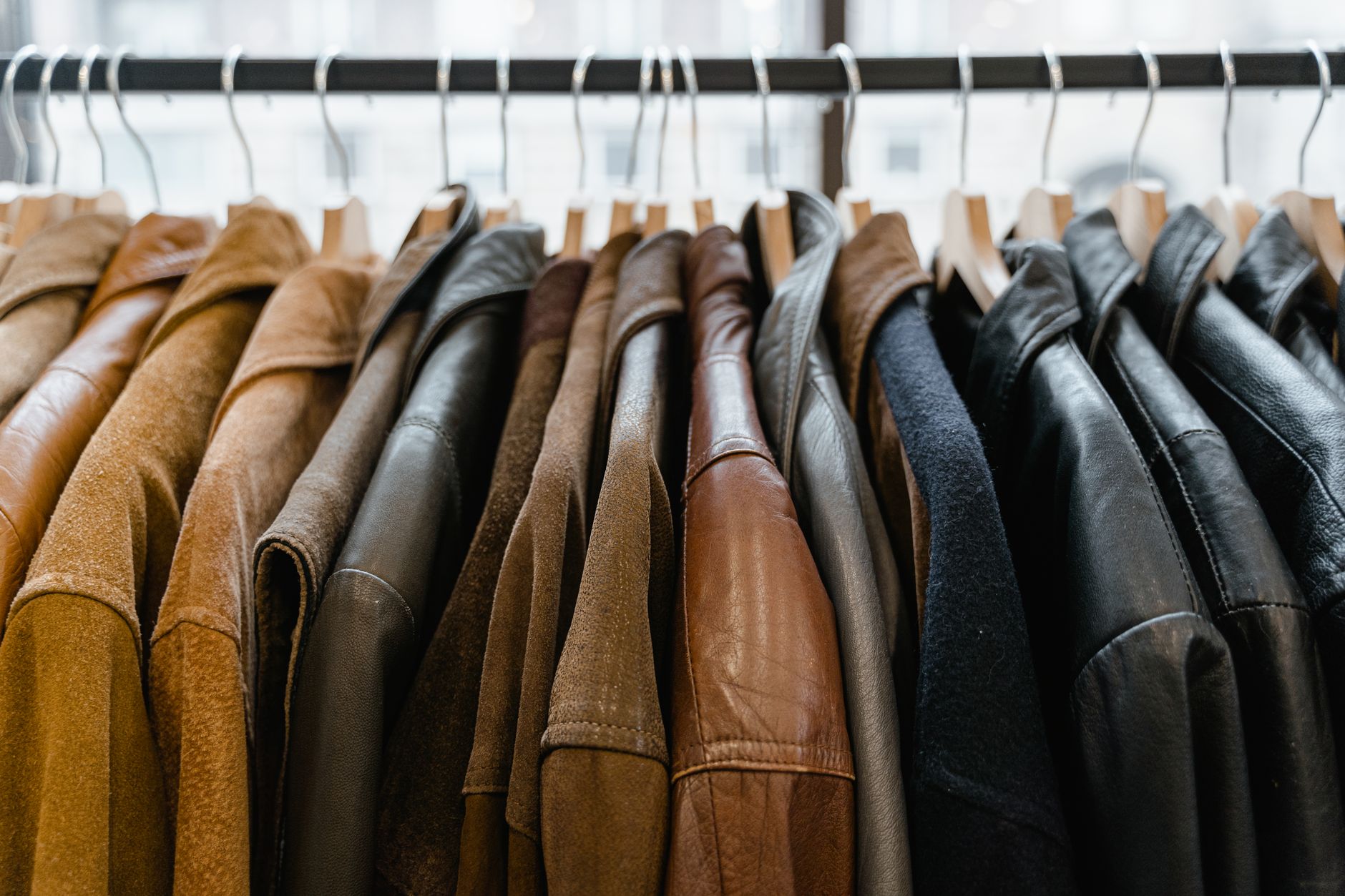
What the Windmate Actually Does
The jacket is built around Loro Piana’s proprietary Storm System fabric, a tightly woven shell that blocks wind and resists light rain without the crinkle or stiffness associated with technical outerwear. It packs down small, weighs almost nothing, and sits flat under a blazer. Those are functional details, but they carry serious implications for how people dress now. The modern wardrobe – especially at the upper end of the market – is increasingly built around pieces that earn their space by doing multiple things well. The Windmate fits that logic precisely.
What distinguishes it from a standard shell jacket is the finish. Loro Piana executes the Windmate in the same spirit as its cashmere and fine wool pieces: restrained palette, clean cut, no unnecessary hardware. The result is a technical garment that does not look technical. Wearing it over a suit or with tailored trousers does not create a category conflict. The fleece vest, for all its practicality, has always struggled with that problem. It codes too casually in certain contexts, too Silicon Valley in others, and too safely suburban in still others.
Why the Fleece Vest Is Losing Ground
The fleece vest became a status item almost by accident. When certain finance and tech cultures adopted it as quasi-uniform, its associations shifted from camping gear to corporate casual. That shift gave it cultural currency for a while. But cultural currency is perishable, and the vest’s association with a very specific professional archetype has started to feel limiting. Wearing one now can read as allegiance to an aesthetic that has calcified rather than evolved.
There is also a quality ceiling that fleece, as a material, cannot break through. Even the most expensive fleece vests – the Patagonia Synchilla, the Vince double-faced options – top out at a certain level of refinement. They are casual by construction. The fibers pill. The silhouette softens in ways that do not always flatter. For a buyer who is already spending seriously on tailoring and leather goods, a fleece vest starts to look like the weak link.
The Windmate sidesteps all of that. Its construction allows for a slimmer, more tailored profile than most vests or softshell jackets manage. It does not compete with a blazer’s structure – it cooperates with it. That compatibility has made it appealing to the same buyers who have been quietly moving away from conspicuous branding toward what gets loosely described as “stealth wealth” dressing: high price, low signal, high quality. Moncler’s puffer jackets have traced a similar path, migrating from ski slopes into dressed-up office environments as buyers look for outerwear that works across contexts.
It is also worth acknowledging that the vest’s sleeveless silhouette, once a practical selling point for layering, has become a style liability in certain circles. A jacket with sleeves creates a cleaner line. The Windmate’s slim cut through the arms means it layers without adding bulk, solving the same thermal problem the vest was meant to address while looking considerably more finished in the process.
The Loro Piana Effect on Aspirational Dressing
Loro Piana has long operated in a register that separates it from other Italian luxury houses. There are no runway theatrics, no celebrity ambassadors, no seasonal logo pivots. The brand sells on material provenance and craft, which means its customers tend to be committed rather than casual. When the Windmate started appearing on that particular type of buyer – the person who already owns the cashmere roll-neck and the double-faced wool coat – it carried a different signal than a trend piece would. It said: this is a considered purchase by someone who knows what they are doing.
That perception has a ripple effect. As more of those buyers gravitated toward the Windmate, it started appearing in contexts that set visual precedents – editorial shoots, travel content, the kind of street photographs that circulate among people who track this kind of thing. It became a reference point rather than just a product. The fleece vest, by contrast, stopped generating that kind of cultural energy some time ago.
How to Wear It and What It Competes Against
The Windmate’s most natural home is over mid-weight knitwear – a merino crewneck, a lightweight cashmere turtleneck – in the transitional months when a full topcoat is too much and a sweater alone is not enough. It also works as a liner under a structured overcoat when temperatures drop, functioning the same way a down gilet might but without the puffiness that disrupts a coat’s drape. That layering versatility is a genuine advantage and not one many jackets at this price point can claim.
Its real competition is not the fleece vest alone. It competes against the Moncler quilted jacket, against certain Arc’teryx pieces that have crossed into fashion territory, and against softshell options from brands that sit in the mid-luxury tier. What separates it from all of those is the fabric story. Loro Piana controls its supply chain with unusual depth, sourcing fibers directly and developing its own technical textiles in-house. That is not marketing language – it is the actual reason the Storm System shell feels and performs differently from comparable fabrics.
The jacket is available in a tight edit of colors – navy, stone, dark olive, black – which keeps it usable across most wardrobes without requiring a dedicated styling effort. That deliberate restraint in the color range is a clue to how Loro Piana thinks about the piece: not as a statement, but as infrastructure. Whether the fleece vest’s most loyal advocates eventually make the switch depends on whether they are buying for function, identity, or both – and the answer to that question is different for every wardrobe.