


Pleats Please Issey Miyake has been around since 1993, but it keeps finding new audiences without trying to. The line was built on a single technical idea – permanently pleated polyester fabric that holds its shape, resists wrinkles, and moves with the body rather than against it. There was no seasonal reinvention of the concept, no pivot toward a different customer. The clothes just worked, and a growing number of people are quietly rediscovering that fact.
What’s driving the renewed interest isn’t a campaign or a celebrity placement. It’s a mood shift in how people want to dress – toward pieces that solve actual problems without announcing themselves as solutions. Pleats Please sits exactly at that intersection: technically considered, visually calm, and built to last past a single trend cycle.

The Engineering Behind the Aesthetic
Issey Miyake’s original insight was that pleating fabric after it’s been cut and sewn – rather than before – allows the garment to retain memory. The polyester used in Pleats Please isn’t the stiff, static-prone material associated with fast fashion. It’s a fine, lightweight weave that’s heat-pressed into accordion folds, giving each piece a structural integrity that survives machine washing, folding, and constant wear. That’s not a minor detail – it’s the entire reason the line has lasted three decades without a formula change.
The result is clothing that occupies an unusual category. It’s not luxury in the traditional sense of precious materials and careful handling. It’s luxury in the sense of never having to think about maintenance, always looking intentional, and never wrinkling in a carry-on bag. For people who travel frequently or simply want fewer decisions in their morning routine, that’s a meaningful distinction.
Why Minimalism Is Landing Differently Now
Minimalism in fashion has always had cycles, but the current version is less about aesthetic purity and more about fatigue. After years of maximalist dressing – dopamine colors, clashing prints, volume for volume’s sake – a segment of fashion-conscious consumers is pulling back toward clothes that do less visually but more practically. Pleats Please fits that appetite almost accidentally.
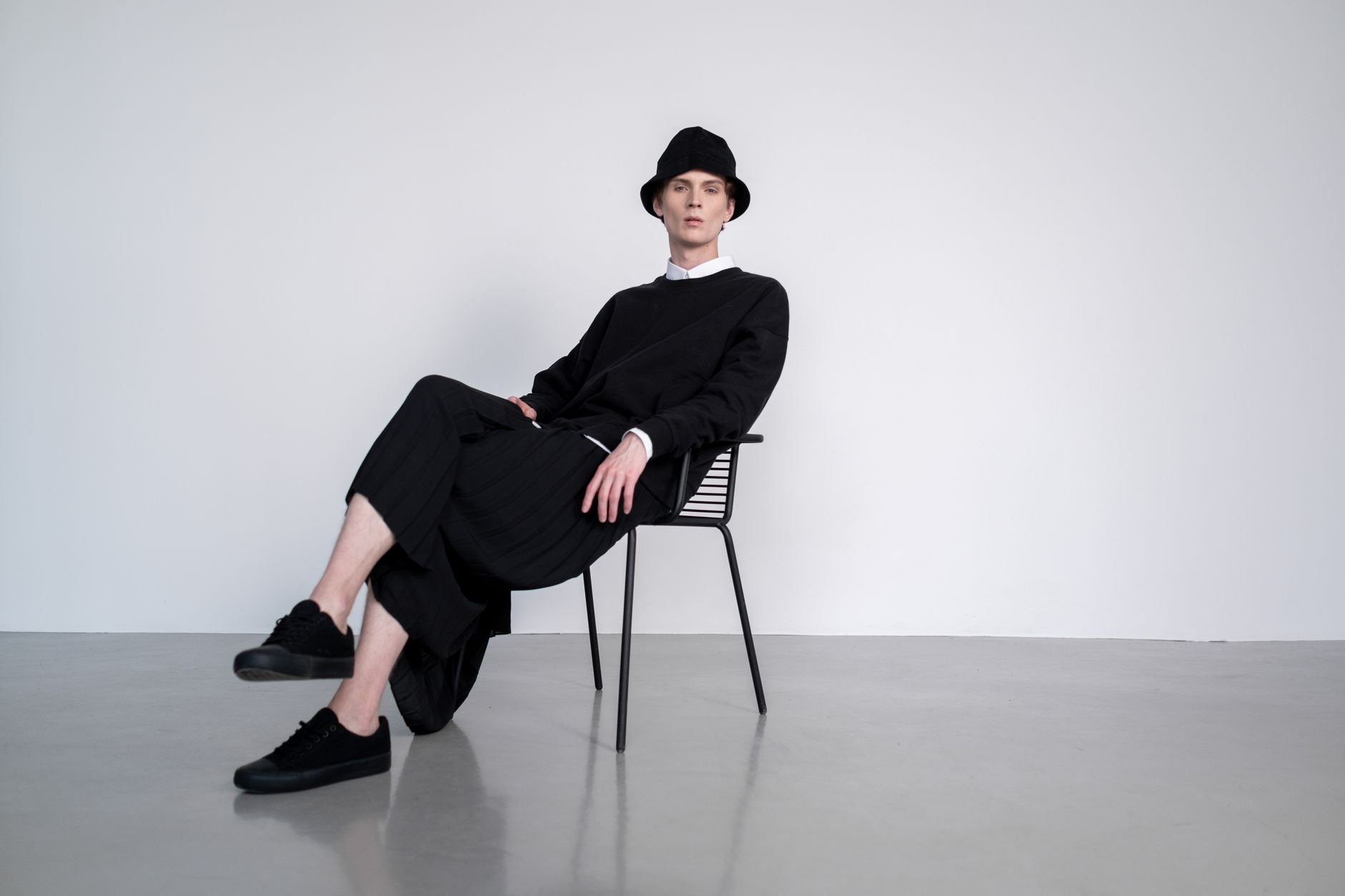
The line’s color range runs from neutrals to saturated solids with almost no pattern work. The silhouettes are loose, unconstructed, and deliberately non-fitted. On a rack, the pieces can read as understated to the point of plainness. On the body, with movement, the pleats create a kind of quiet kinetic energy – the fabric ripples and settles in ways that feel considered rather than accidental. That visual payoff is impossible to convey in a flat product image, which may partly explain why the line spreads more through direct experience than social media content.
There’s also a wearability argument that’s hard to dismiss. A Pleats Please tunic or trouser can move from a flight to a dinner to a gallery opening without looking out of place at any of them. That range of function used to be the selling point of what brands called “investment dressing” – the idea that one well-chosen piece could carry across occasions. Pleats Please delivers on that premise in a way that many higher-priced minimalist labels don’t, because the fabric’s behavior is actually doing work rather than just implying it.
The secondhand market has tracked this renewed interest closely. Vintage Pleats Please pieces from the 1990s and early 2000s are appearing more frequently in curated resale, and pricing on those items has been climbing. The demand isn’t coming exclusively from fashion insiders – it’s pulling in a broader group of buyers who may not know the brand’s history but recognize the quality when they handle the fabric. That kind of organic discovery tends to sustain itself in ways that trend-driven spikes don’t.
Where It Fits in the Current Wardrobe Conversation
The broader moment for Japanese design labels is real. Helmut Lang’s archive pieces are flooding vintage markets again, and the appetite for technically precise, philosophically grounded fashion from that era is clearly not a passing curiosity. Pleats Please belongs to a similar lineage – design that prioritized solving a problem over making a statement, and that aged well precisely because it wasn’t chasing a moment.
What makes Pleats Please distinct within that conversation is that it never disappeared. The line is still in production, still using the same core method, still releasing new colorways each season. Buying it new and buying it vintage are both legitimate options, which gives the line an unusual flexibility in how it enters a wardrobe. That’s a rare position for any fashion label to occupy.
The Practical Case for Buying In
For someone building or editing a wardrobe toward fewer, more considered pieces, Pleats Please presents a clear case. The entry price is lower than most European minimalist labels at comparable quality levels. The pieces don’t require dry cleaning, don’t need to be stored carefully, and don’t depreciate in the way trend-dependent items do. A black pleated midi skirt from 1998 and one from 2024 are essentially interchangeable in use – the line’s consistency works in the buyer’s favor over time.
Styling the line requires almost nothing. The pieces are designed to work together and to work with basics – a white shirt, a simple knit, a clean sneaker or flat sandal. That lack of styling demand is itself a feature for people who want a wardrobe that functions without constant management. The visual language is restrained enough that pieces can be added incrementally without disrupting what’s already there.
The one tension worth naming is fit. Pleats Please runs in numbered sizes – 1 through 5 – that don’t map neatly onto standard sizing, and the silhouettes are intentionally generous. For buyers accustomed to fitted clothing, the adjustment can feel counterintuitive at first. Those who commit to the proportions tend to become loyal to them. Those who don’t often find the pieces look unfinished rather than relaxed – and that gap between the line’s intention and a buyer’s expectation is the only real friction in the ownership experience.