



The Long Road to Luxury Credibility
For years, vegan leather carried a stigma in high fashion circles – a material associated with fast fashion imitation rather than genuine craftsmanship. Stella McCartney spent more than two decades pushing against that perception, building a luxury house on the premise that ethical materials could sit alongside cashmere, silk, and hand-stitched leather goods without apologizing for their origins. The fashion industry largely humored her. Now, it is starting to follow her.
The shift is visible in how buyers, press, and even rival fashion houses are now discussing McCartney’s signature Alter-Nappa and mycelium-based materials – not as novelties, but as serious contenders in the luxury materials conversation. Stockists who once quietly downplayed the brand’s ethical positioning are now leading with it. Something has changed in how luxury consumers assign value, and McCartney’s long bet is paying out in real commercial terms.
What Makes Stella’s Materials Actually Different
Not all vegan leather is created equal, and this distinction matters enormously when discussing McCartney’s standing in luxury. The cheapest alternatives to animal leather – bonded polyurethane, PVC-coated fabrics – degrade quickly, crack under use, and have a plastic sheen that reads as cheap even to untrained eyes. McCartney’s sourcing and development operation works at a fundamentally different level, investing in bio-based innovations that take years to move from lab to retail floor.
Her collaboration with Bolt Threads on Mylo – a material grown from mycelium, the root structure of mushrooms – produced a material with the suppleness and grain texture that luxury leather buyers expect. The manufacturing process is tightly controlled, the output expensive, and the resulting product looks and behaves in ways that previous synthetic alternatives simply did not. This is not a brand slapping a green label on pleather. The material itself has to perform, and at McCartney’s price points, her customers notice immediately if it does not.
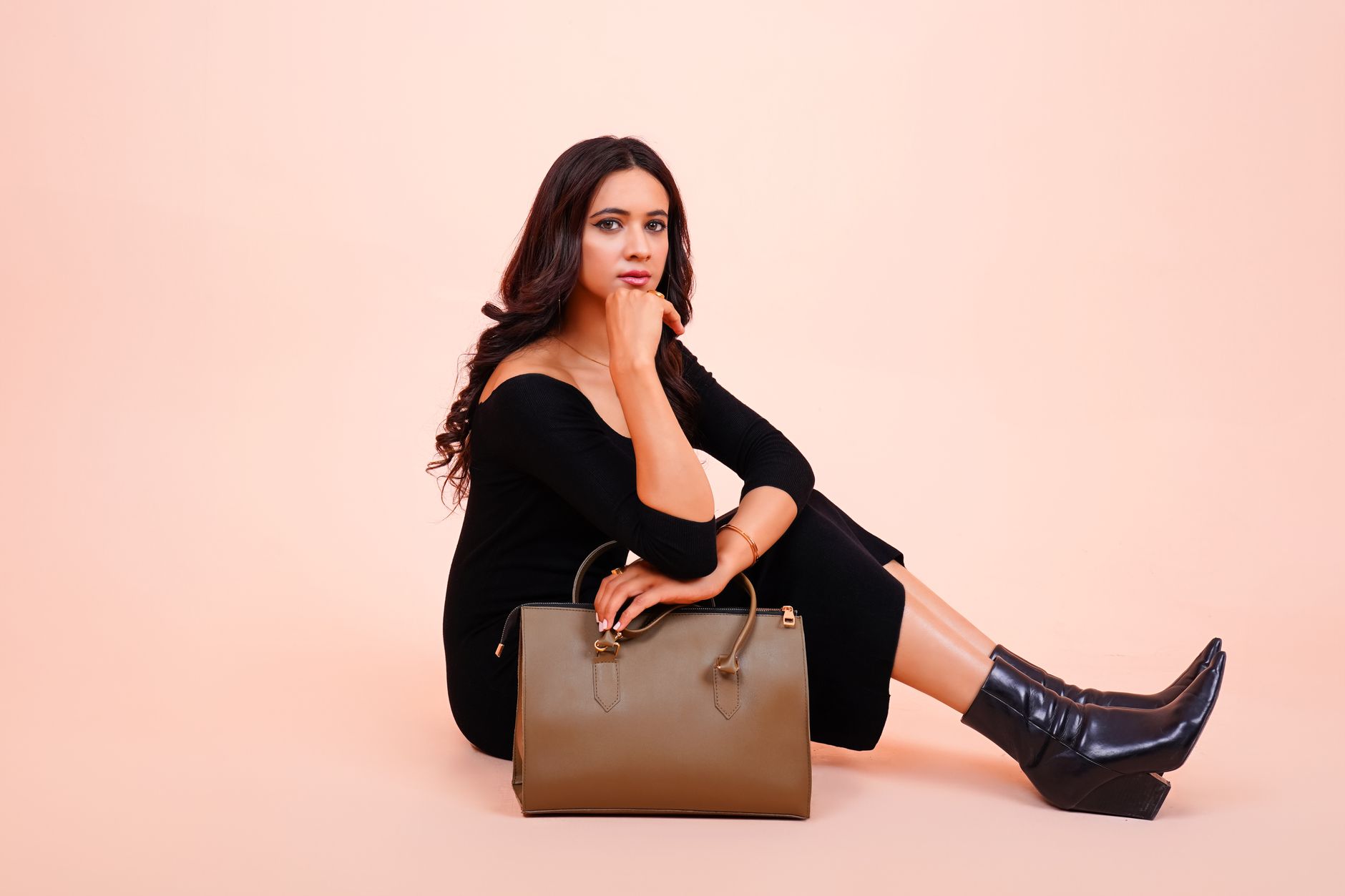
The Falabella bag remains the clearest proof of concept. Originally introduced as a vegetarian-friendly fashion bag, it has aged into a recognizable luxury object with genuine secondary market value – a benchmark the fashion industry uses to separate real luxury from aspirational product. Bags that hold or appreciate in resale price have passed a test that no amount of press coverage can fake. The Falabella’s continued presence in pre-owned luxury markets signals that the material has durability and desirability working together.

Why the Industry Took So Long
Luxury fashion’s resistance to vegan materials was never purely aesthetic. It was structural. The major French and Italian conglomerates own tanneries, leather goods workshops, and supply chain infrastructure built around animal hides. Accepting that bio-based materials could achieve equivalent quality threatened a vertically integrated business model worth billions. Publicly endorsing McCartney’s approach would have been, for those houses, a form of self-criticism.
That structural resistance is softening, though not because of any ethical awakening at the top of the industry. Younger luxury consumers – particularly in China, South Korea, and among millennial buyers across Western markets – are applying different criteria to luxury purchases. Provenance still matters. Craftsmanship still matters. But the question of what the product is made from, and what that production cost the natural world, is entering the buying conversation in ways it did not a decade ago. Brands that ignored this entirely are now scrambling to answer questions they were not prepared for.
The Credibility Gap Is Closing
McCartney’s position is now genuinely strong because she built the argument before she needed to make it commercially. Other brands arriving late to sustainable materials are doing so reactively, which shows. A house that launches a single “eco” capsule collection while the rest of its production remains unchanged reads as opportunistic. McCartney’s entire product offering – from handbags to ready-to-wear to footwear – has been built around the same ethical framework since the brand’s founding in 2001. That consistency is difficult to manufacture after the fact.
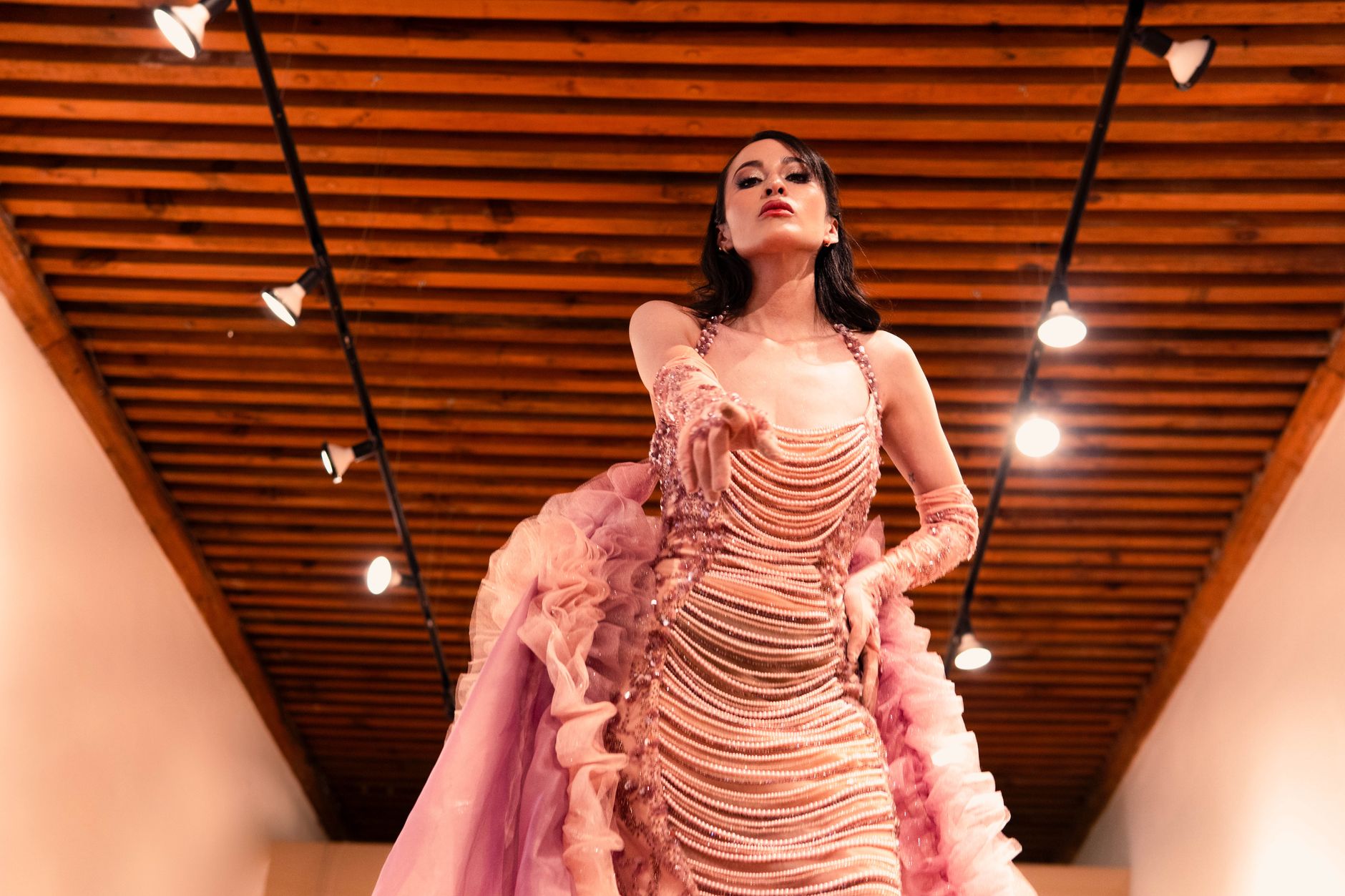
The fashion press, which spent years treating McCartney’s sustainability focus as a charming eccentricity, has recalibrated its coverage noticeably. Reviews now engage with the material innovation as seriously as they assess the silhouette or the construction. When a major fashion week collection receives coverage that leads with the textile development rather than treating it as a footnote, the editorial hierarchy has shifted. McCartney’s runway presentations are now evaluated as material exhibitions as much as fashion shows.
The competitive landscape is also changing in ways that validate McCartney’s approach without her needing to say so. A growing number of luxury brands are investing in bio-material research, forming partnerships with the same biotech firms McCartney was working with years earlier. The race to develop viable mushroom leather, apple leather, cactus leather, and lab-grown alternatives has attracted serious investment money. McCartney was not building a niche when she started this work – she was building infrastructure that the wider industry would eventually need.
What remains unresolved is whether luxury consumers will ultimately pay the same premium for bio-based materials as they do for calfskin or exotic leather – not because the materials are inferior, but because the mythology of luxury is still partly anchored in animal hides. Hermes’ waiting lists, Chanel’s caviar leather, the specific vocabulary of luxury goods all carry the weight of that history. McCartney is not trying to dismantle that mythology so much as build a parallel one, and the question is whether two mythologies can genuinely coexist at the top of the market, or whether one inevitably positions itself as the corrective to the other.