


When the Reading Lamp Doubles as a Stage Light
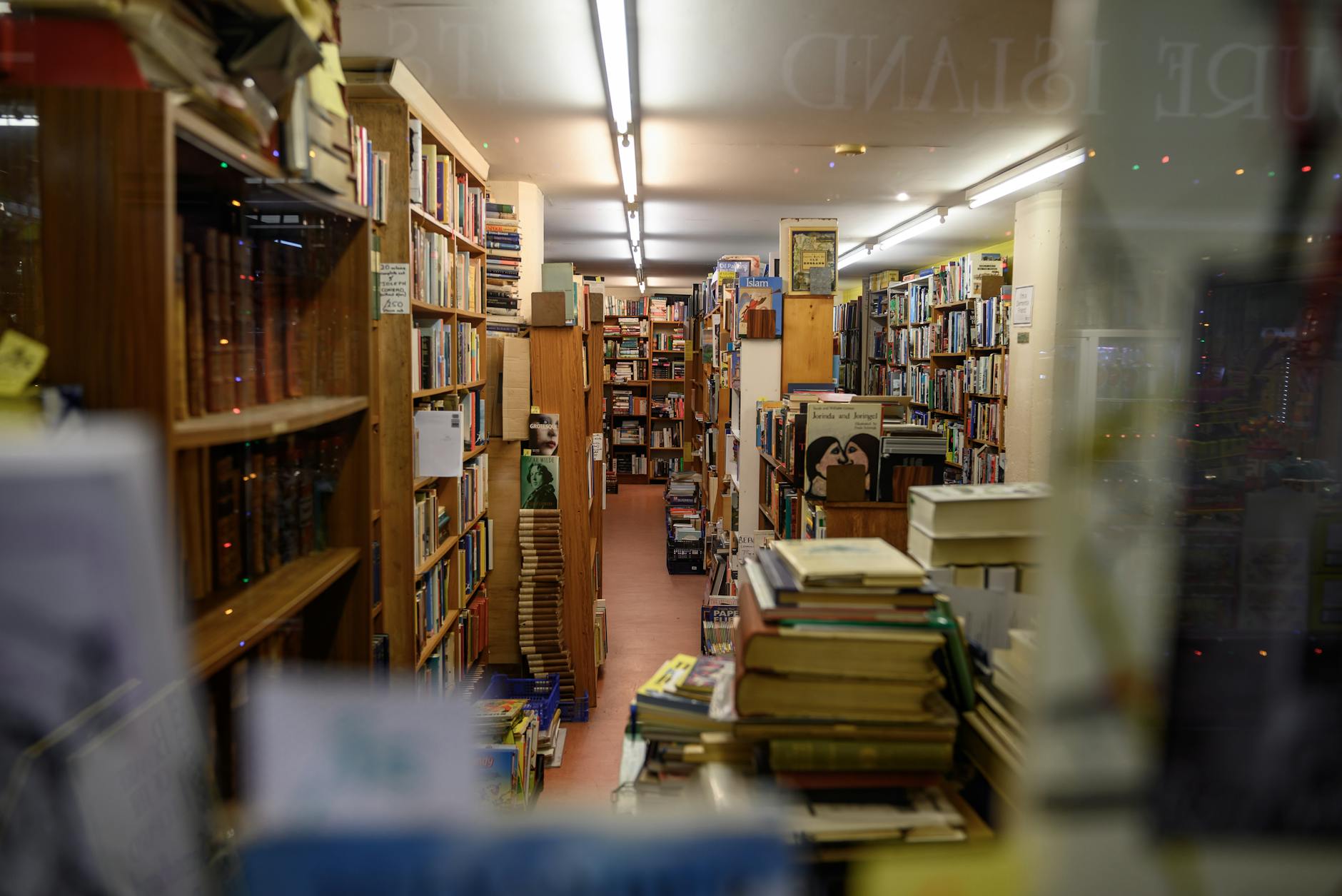
Walk into certain independent bookstores on a Friday night and you might find the fiction section rearranged, folding chairs packed between shelves, and a singer-songwriter tuning up three feet from the poetry wall. It is not a quirky one-off event. Across the country, a growing number of indie bookstores have quietly started hosting live music with enough regularity that it has become a second identity – part of what these shops are, not just something they occasionally do.
The logic is not hard to follow. Independent bookstores have been fighting for survival against digital retail for years, and the answer most of them landed on was the same: become a place, not just a store. Events, author readings, community programming – these were the lifelines. Live music is the next extension of that thinking, and for many shops, it is proving to be the most effective one yet.
Why Music and Books Actually Work Together
On the surface, a bookstore seems like an odd venue for amplified sound. The association with quiet is built into the culture of the space. But that assumption breaks down quickly once you consider what both books and live music are actually selling: an experience that pulls you out of the noise of daily life and puts you inside something specific. The overlap in audience is real. People who browse independent bookstores on weekends are often the same people looking for intimate concert experiences that do not involve stadium lighting or $18 beers.
The physical layout of a bookstore also turns out to be a feature rather than a problem. Tight spaces create natural acoustics. Shelves full of paper and cloth absorb sound in ways that make voices and acoustic instruments sound warmer than they would in a conventional bar or club. A performer playing to 40 people surrounded by bookshelves has a kind of presence that a mid-size venue simply cannot manufacture. Several musicians who have played these spaces describe them as the most attentive rooms they have ever performed in – partly because the audience came specifically, and partly because the space itself demands a certain kind of listening.
There is also something to be said for the absence of a traditional bar setup. Bookstores that serve wine or coffee during these events tend to keep the focus on the performance rather than the drink tab. The atmosphere leans closer to a house concert than a gig, which appeals to a specific kind of music fan – and a specific kind of artist – who finds the conventional venue circuit exhausting or inaccessible.
What Bookstores Are Actually Getting Out of This
The financial model is worth examining plainly. A ticketed evening event – even at a modest price – can generate more revenue in three hours than a slow weekday of book sales. When a store sells tickets, adds a small drinks offering, and captures foot traffic from attendees who browse the shelves before the set starts, the math starts to look very different from a standard retail operation. Some shops have reported that event nights reliably move inventory because people feel good in the space and buy books as part of the experience rather than out of deliberate shopping intent.
Beyond direct revenue, these events function as marketing that costs almost nothing. A local musician brings their own audience. That audience might never have walked into the store otherwise. Some portion of them return. The bookstore’s social media presence gets a boost from the musician’s promotional posts. It is a low-cost community-building strategy that compounds over time, and it does not require the bookstore to become something it is not.
The Artists Who Are Choosing Shelves Over Stages
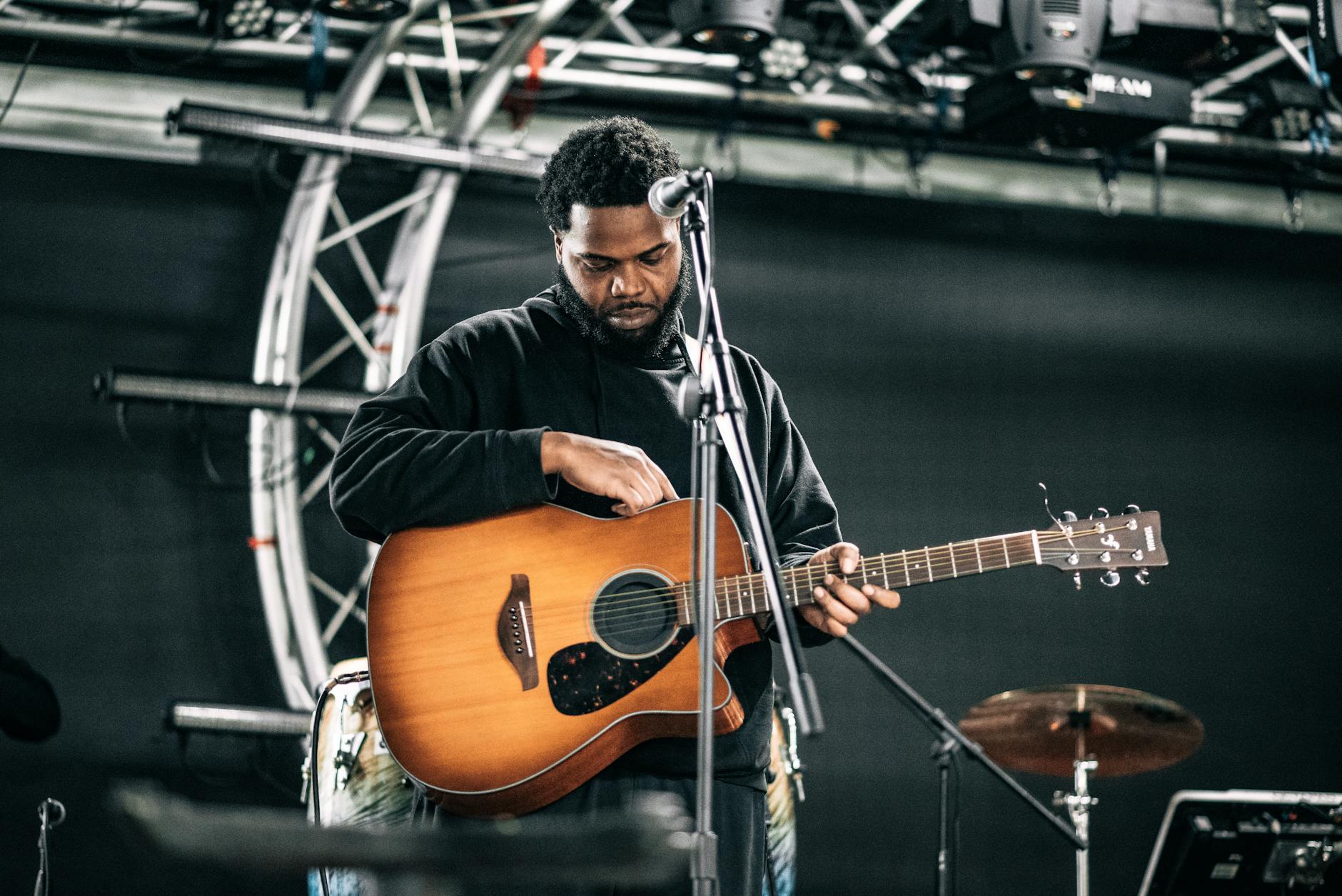
For independent and emerging musicians, the appeal is equally clear. Traditional venues take a cut of the door, impose sound requirements, expect a draw, and often treat small acts as filler between headliners. A bookstore residency – even an informal one – offers something different: a built-in audience of culturally engaged people, a setting that frames the performance as meaningful rather than background noise, and a booking relationship that tends to be personal rather than transactional.
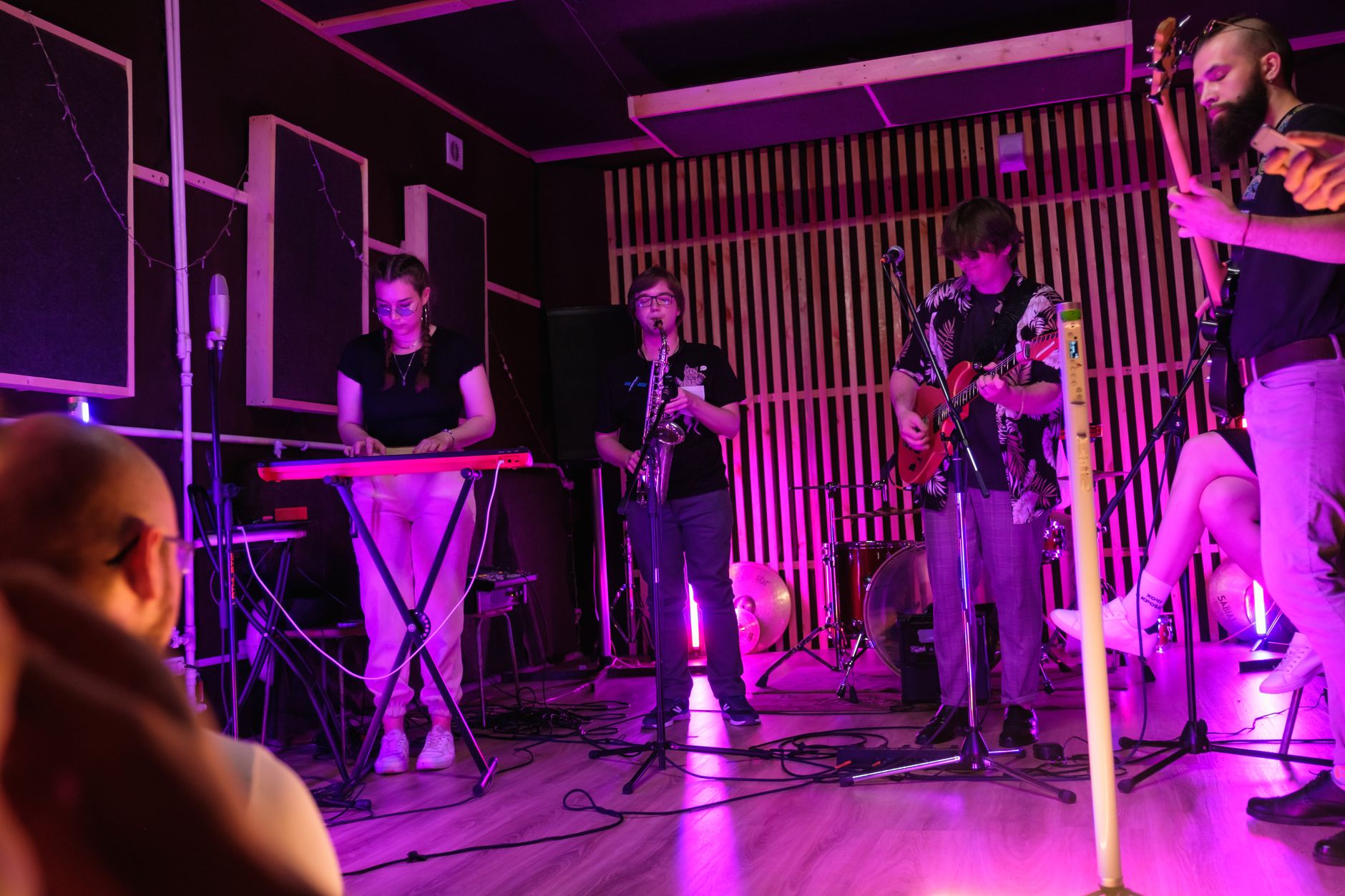
Folk, ambient, jazz, and singer-songwriter genres have taken to this format most naturally, though some stores have pushed further into indie rock and experimental sound. The constraint of the space filters toward intimacy almost by default. You are not going to fit a drum kit between the travel section and the graphic novels, but a duo with a guitar and a cello? That lands perfectly. The limitation becomes an aesthetic.
Some artists have begun treating bookstore appearances as intentional career moves rather than stepping stones to “real” venues. The audience tends to listen differently – actively rather than passively – and for musicians whose work rewards close attention, that is worth more than a larger crowd at a louder bar. There is also the matter of association: playing in a bookstore signals something about the kind of artist you are, and for certain musicians, that signal is exactly right.
The broader entertainment industry has been reckoning with the question of where emerging talent finds its footing outside of digital platforms. Broadway producers scouting TikTok creators for musical theater is one answer to that question – bookstore live music is a quieter, more analog one. Both point to the same underlying reality: the pipeline from unknown artist to recognized talent now runs through unconventional venues as often as traditional ones.
What makes the bookstore model interesting is that it has not been coordinated. There is no industry group behind it, no trend piece that launched it. Individual store owners, many of them responding to the same pressures and instincts, landed on the same solution at roughly the same time. The question worth watching now is whether these spaces can sustain it – whether the novelty holds, whether the logistics scale, or whether the intimacy that makes it work is precisely what prevents it from growing beyond a certain size.