

The stealth wealth aesthetic had a good run. Quiet luxury, with its devotion to oatmeal cashmere, logo-free everything, and the studied art of looking expensive without trying, dominated fashion conversations for the better part of three years. Now, the pendulum is swinging hard in the opposite direction.
The Shift Nobody Saw Coming
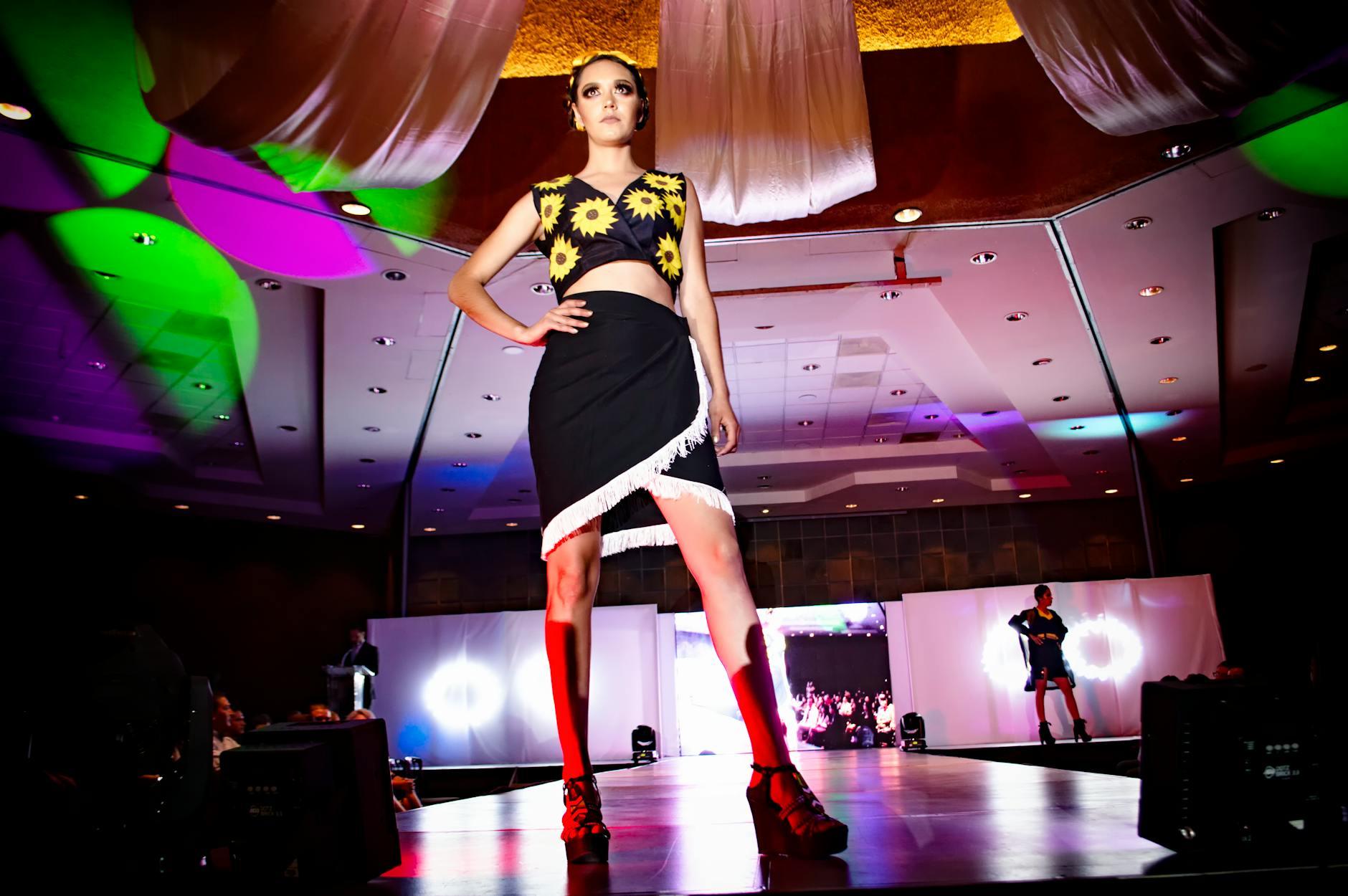
What’s happening on runways, red carpets, and increasingly on city streets is a full-throated return to maximalism – the kind that involves sequins before noon, clashing prints worn without apology, and accessories stacked until they clink. This isn’t a fringe movement or a single designer’s eccentric season. Multiple collections from major fashion weeks in Paris, Milan, and New York have pushed toward volume, color, and ornamentation in ways that directly contradict the quiet luxury playbook.
The reasons behind quiet luxury’s rise made sense at the time. After years of logoed streetwear saturation and the hyper-visibility of fast fashion hauls flooding social media, dressing down in the most expensive way possible felt like a pointed statement. It was the fashion equivalent of whispering in a room full of shouting. Brunello Cucinelli became a shorthand for the entire aesthetic. A plain white tee at a staggering price point became aspirational. The look said: I don’t need to prove anything.
That restraint, though, carries a ceiling. When everyone at a dinner party is wearing the same palette of sand, ivory, and slate, the aesthetic stops feeling exclusive and starts feeling like a uniform. A growing number of shoppers and stylists are openly describing quiet luxury as boring – not a criticism of the quality, but of the emotional flatness the look produces at scale. Fashion, at its core, is meant to create feeling. Muted tones worn head to toe rarely generate much of it.
There’s also a generational impatience at play. Younger consumers who came of age watching maximalist pop icons and Y2K revival content on their phones don’t have the same relationship to restraint that an older customer base might. For them, “blending in” is not sophisticated. It reads as playing it safe. And playing it safe, in the current cultural mood, is its own kind of unfashionable.
What Bold Dressing Actually Looks Like Right Now
Today’s maximalism is not the chaotic excess of the early 2000s, though it borrows freely from that era. The current version tends to be more deliberate – there’s a difference between wearing five clashing patterns because you’ve thought carefully about color theory and wearing five clashing patterns because you grabbed everything off the floor. The most talked-about looks of recent seasons show evidence of control: a voluminous hot-pink skirt paired with a structured jewel-toned blazer, or animal print layered over floral with a unifying color thread running through both.
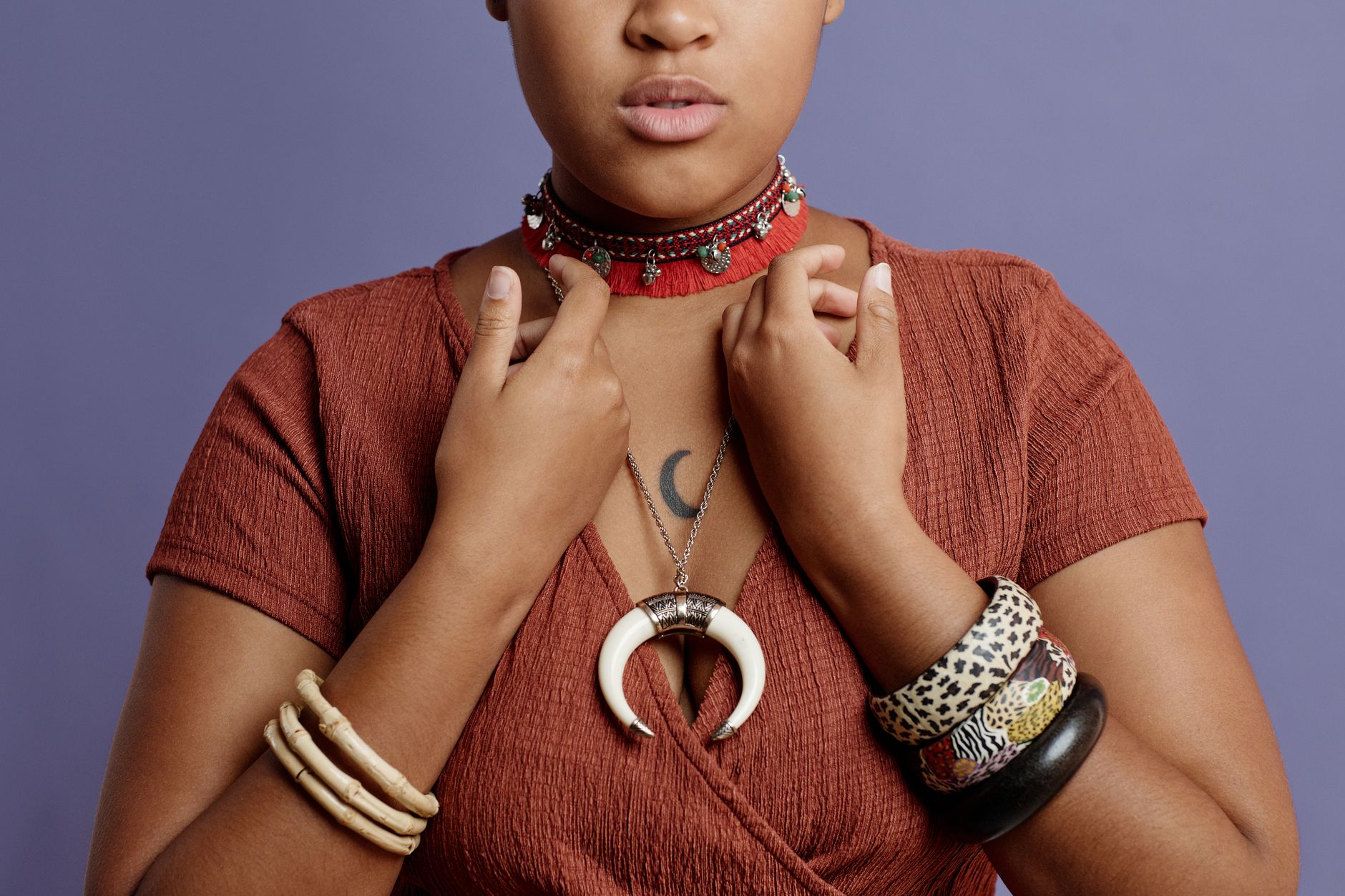
Jewelry has become the most accessible entry point for people testing the maximalist waters. Stacking rings across multiple fingers, layering necklaces at different lengths, wearing statement earrings dramatic enough to function as the entire focal point of an outfit – these choices signal a deliberate move away from the “one perfect piece” philosophy that quiet luxury encouraged. The “more is more” approach to accessories is visible at every price point, from high jewelers to independent designers selling through social platforms.
Color is doing work it hasn’t done in a few seasons. Electric blue, saturated red, chartreuse, and deep emerald are all showing up in ways that would have felt jarring against the quiet luxury backdrop. Monochromatic maximalism – dressing head to toe in one loud color – has become a red carpet staple again, and its influence is filtering down to everyday dressing in a way that feels natural rather than costume-like. Wearing head-to-toe cobalt to a work meeting no longer reads as trying too hard. It reads as knowing exactly what you’re doing.
Print mixing, once considered a beginner’s mistake, is now the mark of someone who understands fashion well enough to break its old rules confidently. Stripes with florals, plaids with geometric abstracts, two completely different animal prints worn in the same outfit – these combinations are showing up in editorial shoots and on influencer feeds with increasing frequency, and the response is enthusiastic rather than skeptical. The vintage band tee worn as a statement piece fits neatly into this pattern – it’s irreverent, personal, and built for visual impact, not blending in.
Silhouette is also going bigger. Wide lapels, exaggerated shoulders, floor-length drama in fabrics that move – these structural choices complement the color and print choices rather than fighting them. The body itself is being treated as something to decorate rather than minimize or subtly flatter. That’s a real departure from the lean, understated cuts that quiet luxury favored, and it requires a different kind of confidence to pull off.
What This Means for Wardrobe Decisions
None of this means quiet luxury is disappearing. Quality basics built to last are always going to have a place in any well-considered wardrobe. What’s changing is the cultural status of those pieces – they’re no longer the peak of what dressing well can mean. They’ve become the foundation, not the destination. The conversation is shifting toward what you build on top of that foundation, and that’s where maximalism is winning.
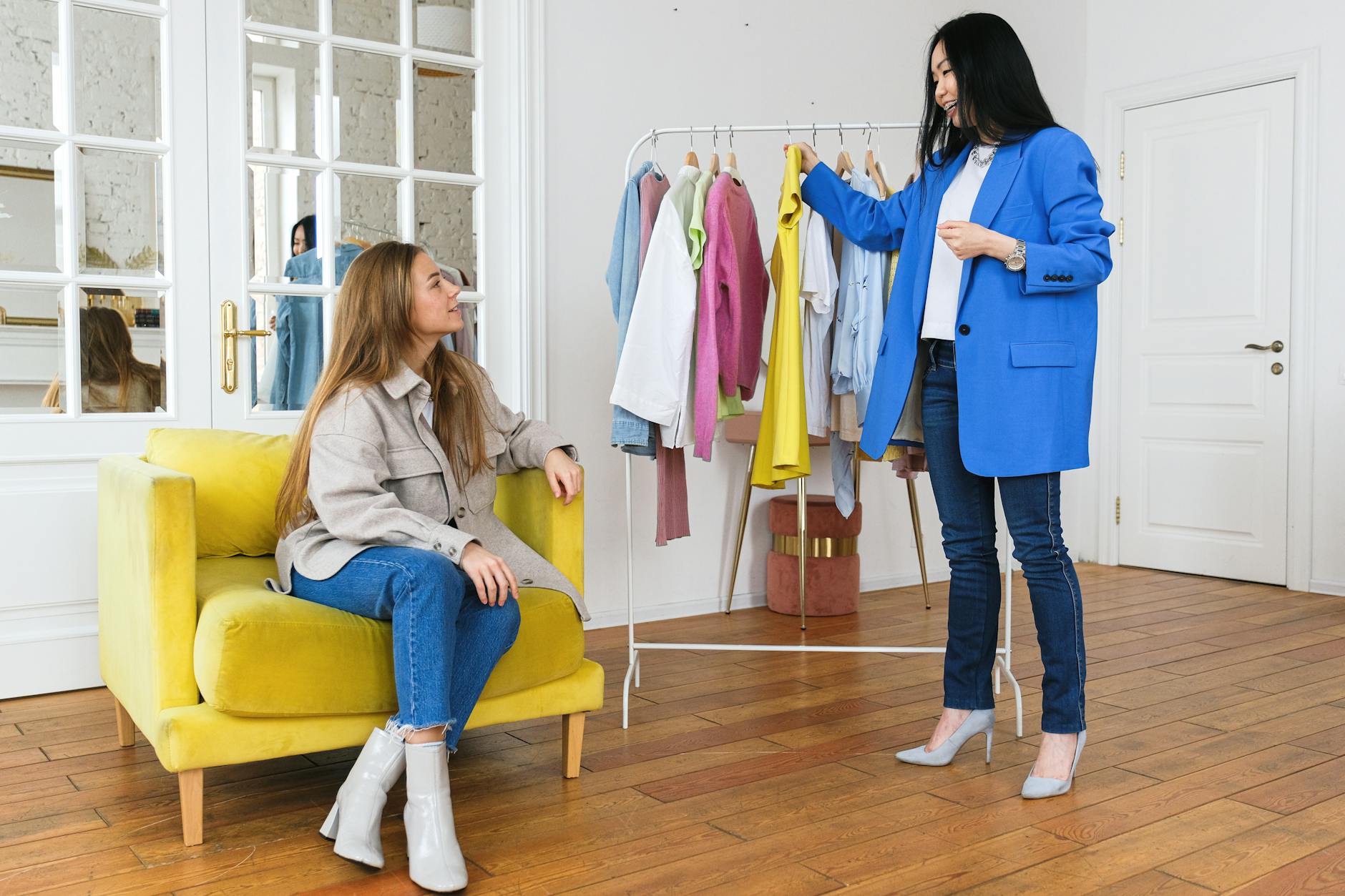
The practical question for anyone paying attention to this shift is where to put their money. Investing in one truly great maximalist piece – a sculpted architectural coat in a color that stops traffic, or a dress with enough embellishment to function as its own event – tends to generate more return in terms of wear-per-occasion and remembered style moments than accumulating several quiet pieces in close shades of neutral. That calculus is not lost on buyers, which is exactly why retailers are reporting stronger sell-through on bold, statement-driven inventory than on the quietly elevated basics they were overstocking just eighteen months ago.
Frequently Asked Questions
Is quiet luxury completely out of style?
Not entirely – quality basics still have a place in a well-built wardrobe, but they’ve lost their status as the ultimate expression of dressing well, with maximalism reclaiming that position.
How do you dress maximalist without looking chaotic?
The key is intention – use a unifying color thread across clashing prints, or anchor a bold silhouette with one dominant hue to keep the look deliberate rather than random.