


The Format That Refused to Die Is Now Winning Again
Vinyl records have been declared dead so many times that the music industry stopped counting. And yet, for the second time in the streaming era, physical vinyl sales are pulling ahead of CD revenue in the United States – a milestone that would have seemed absurd to predict even five years ago. The gap is not enormous, but it is consistent, and it is growing in a direction that nobody in the early 2000s would have bet on.
This is not a nostalgia blip. The numbers have been building for years, with vinyl crossing the CD revenue threshold for the first time in decades back in 2020, dipping slightly, and then reasserting itself with more staying power this time around. What is happening now feels less like a trend and more like a structural reset in how a meaningful portion of music buyers want to own what they love.
Why Vinyl Kept Growing While CDs Collapsed
The CD’s decline tracks almost perfectly with the rise of streaming. Once Spotify and Apple Music made accessing a catalog of millions of songs frictionless and cheap, the practical argument for owning a CD evaporated. A CD is a delivery mechanism – a disc that holds data in a format that requires a specific machine to play. When streaming made that machine redundant, the disc had nothing else to offer. No ritual, no cover art worth handling, no real presence in a room.
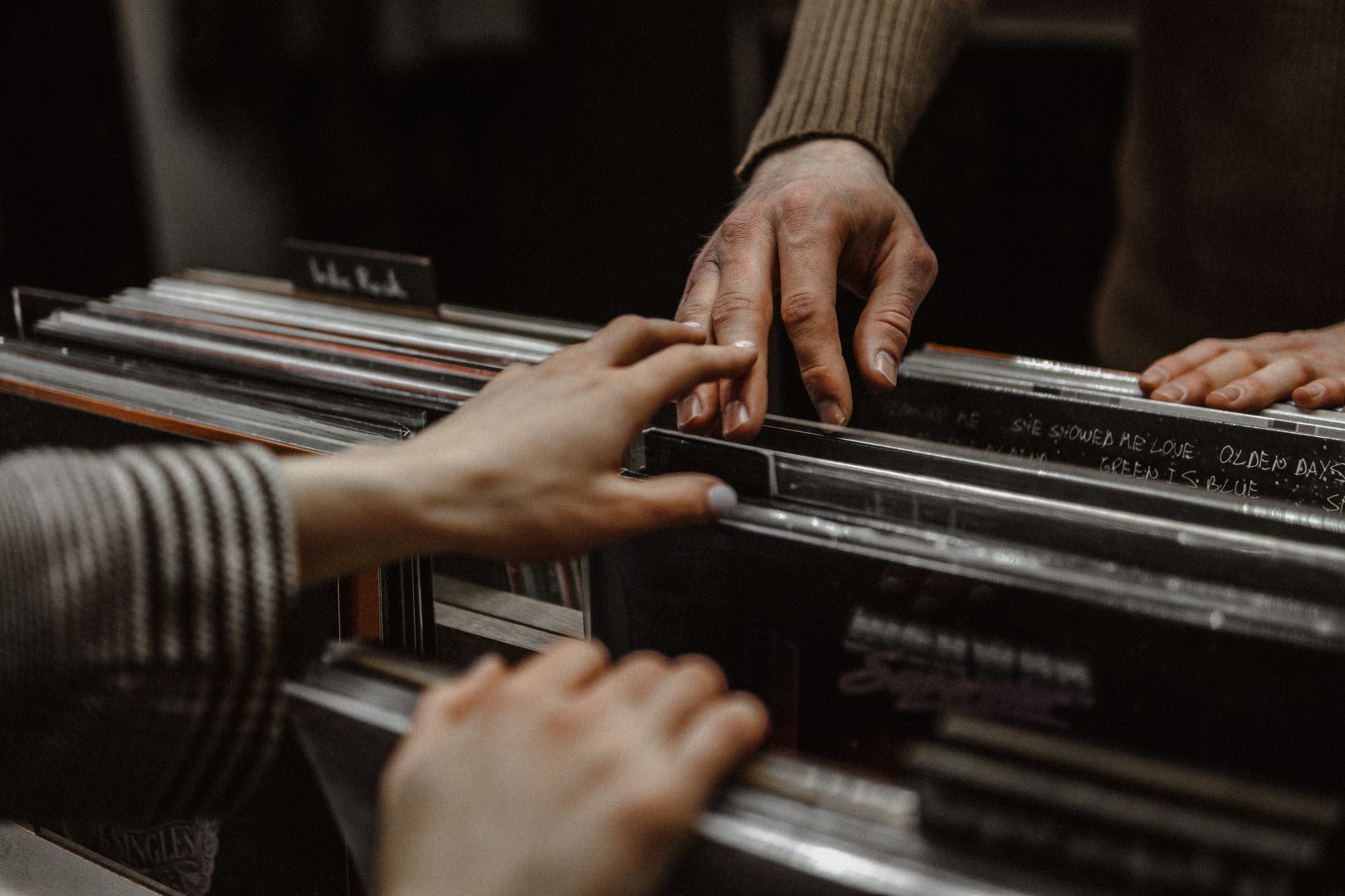
Vinyl survived precisely because it never tried to compete on convenience. Nobody buys a record because it is the easiest way to hear a song. They buy it because the experience of playing one is different in kind, not just degree – the physical act of pulling an album from a sleeve, placing a needle, and committing to a side of music is the opposite of shuffle-and-skip streaming culture. That friction is the product.
There is also the matter of shelf life as identity. A vinyl collection is visible in a way that a streaming library is not. It occupies space, it signals taste, it starts conversations. A playlist on a phone is invisible to anyone standing in your apartment. A stack of records is not. For a generation raised on digital-everything, the physicality of vinyl carries a novelty that CDs, which also looked like data delivery rather than objects of desire, never quite recaptured once streaming arrived.
Who Is Actually Buying Records
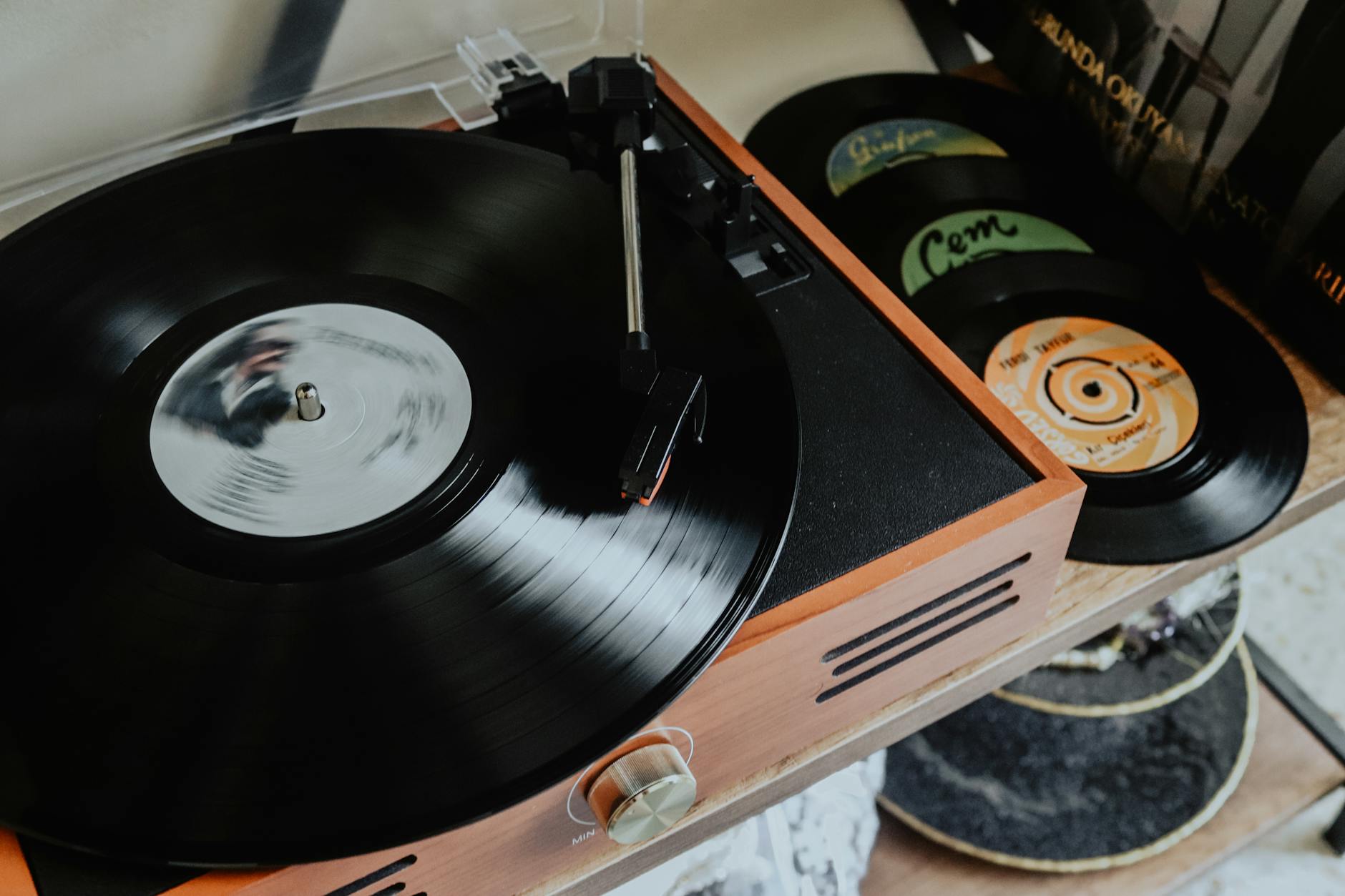
The common assumption is that vinyl buyers are older audiophiles chasing warmth and fidelity. The reality is more interesting. A significant and growing portion of vinyl purchasers are under 35, many of whom did not grow up with record players in their homes. They came to the format through artist merchandise tables, Record Store Day drops, and the simple visibility of seeing records displayed in retail spaces from Urban Outfitters to independent shops.
Artists have responded to this. Limited-edition colored pressings, album-exclusive bonus tracks, and elaborate gatefold packaging have turned records into collector objects with secondary market value. A limited pressing of a popular album can sell out within hours and appear on resale platforms at multiples of its retail price. This is behavior that belongs to sneaker culture and concert ticket markets – not the CD market, which never developed that kind of demand intensity.
The Streaming Paradox Driving Physical Sales
Streaming has not killed physical music – it may have accidentally saved one format of it. When everything is available everywhere for a flat monthly fee, nothing feels particularly special. The abundance of streaming creates its own scarcity problem: how do you signal that an album matters to you when owning it costs nothing extra? Buying the record is one answer. It is a declaration that this specific music is worth more than a fraction of a monthly subscription.
Labels have recognized this and leaned into it hard. Almost every major album release now includes a vinyl variant – often several, with different colors or packaging for different retail partners. The record itself has become part of the release marketing, with unboxing content on social media generating genuine engagement. The format that streaming should have made irrelevant has become one of the few ways labels can generate excitement and physical scarcity around new music.
The economics are favorable for labels in a way that CDs are not. Vinyl carries a higher retail price point, and consumers have demonstrated they will pay it. A standard LP retails for considerably more than a CD ever did at its peak, and deluxe editions push further. The margin conversation is not simple – vinyl manufacturing is slower and more expensive than CD pressing – but the willingness of buyers to pay premium prices for the format changes the revenue calculation significantly.
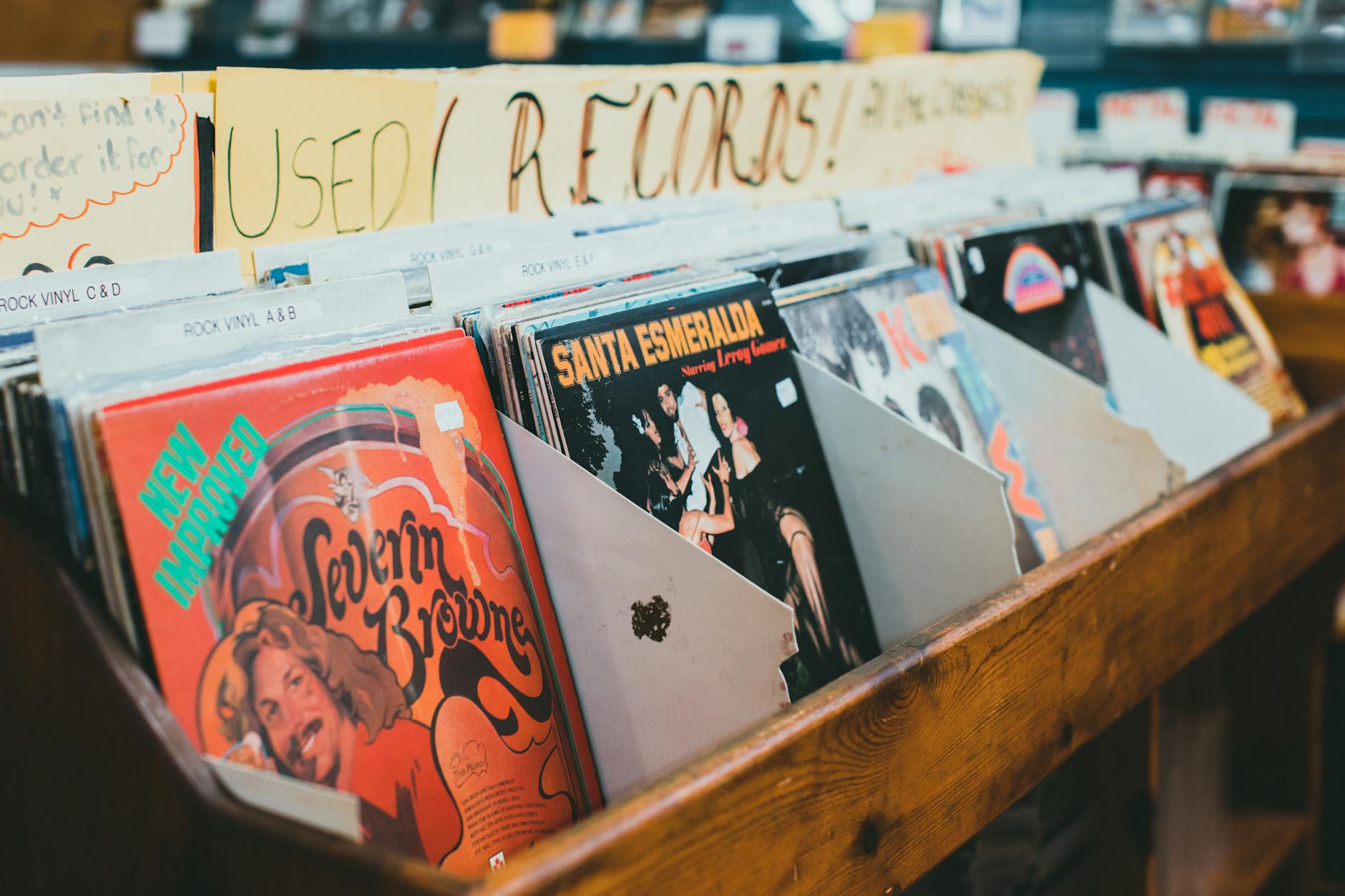
Independent record stores, which many predicted would disappear entirely, have stabilized around the vinyl resurgence. Record Store Day, now running annually each April and a second date in the fall, has become a genuine cultural event that drives foot traffic and media coverage. The stores that survived the streaming transition did so largely by becoming destinations for vinyl – offering listening stations, knowledgeable staff, and in-store events that no streaming interface can replicate.
The CD’s problem is not just that streaming replaced it – it is that vinyl took over the emotional and cultural space that CDs never fully claimed. CDs were always a practical format. Vinyl is something people feel strongly about, one way or another. And in a market where attention is the scarcest resource, strong feelings are worth more than convenience.