



Spotify Wants to Sell You the Ticket, Not Just the Song
Spotify has spent the last decade perfecting the art of knowing what you want to hear before you know it yourself. Now it wants to sell you a seat to hear it live. The streaming platform has been quietly building out a concert ticketing infrastructure that puts it in direct competition with Live Nation and its Ticketmaster subsidiary – the company that has long held a near-monopoly grip on how fans get through the door at major venues across North America and Europe.
The move is not entirely surprising. Spotify already has access to granular listening data for hundreds of millions of users – data that tells it exactly which artists a given fan is obsessive about, which tours are tracking interest online, and which cities are underserved by live event promoters. Turning that intelligence into a ticketing pipeline is a logical extension of the platform’s ambitions, and it puts Live Nation in an uncomfortable position it has rarely faced: a well-capitalized competitor that already owns the fan relationship.

What Spotify Has Already Built
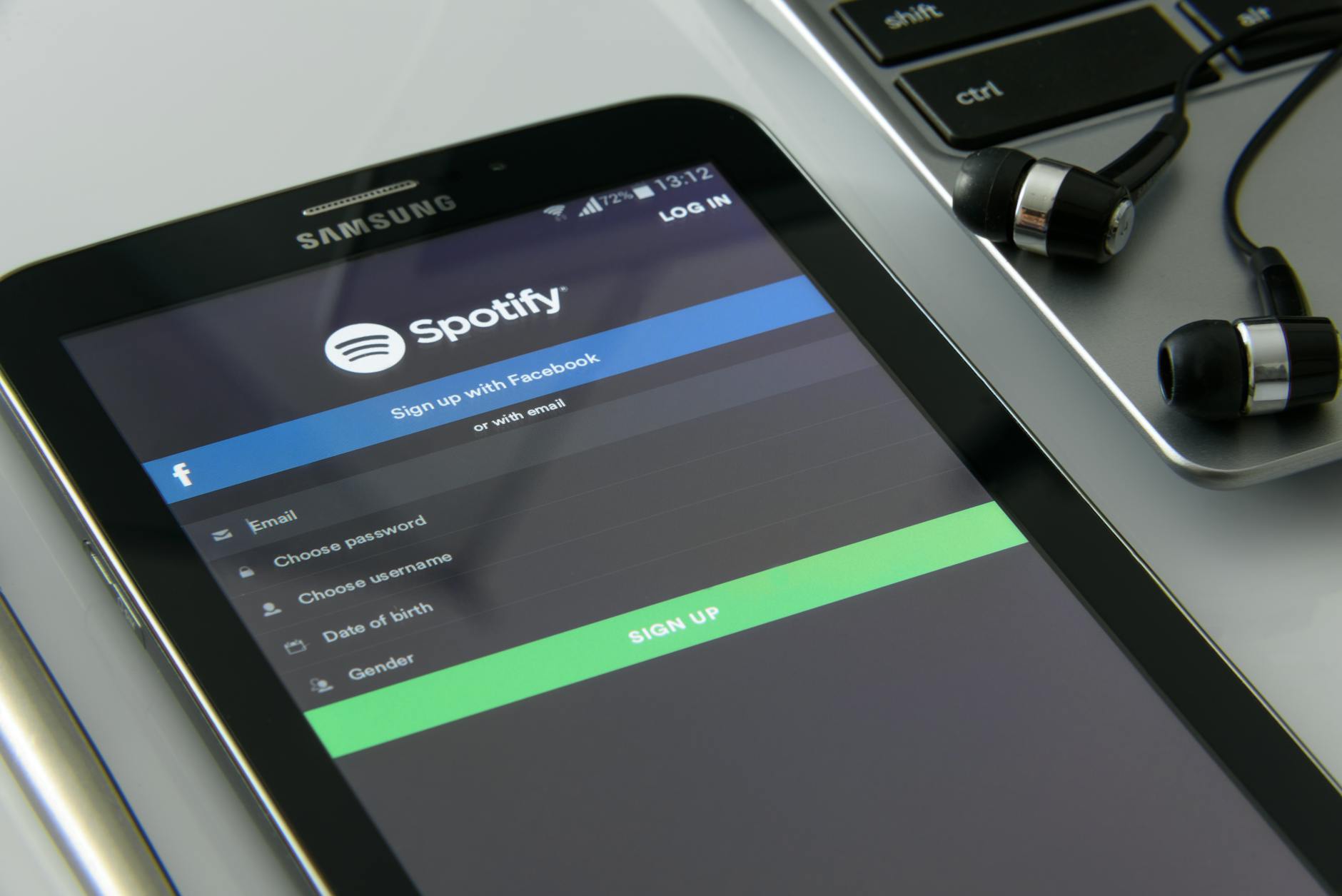
Spotify’s concert push did not start yesterday. The company has been integrating ticketing links into artist pages for years, initially through partnerships with third-party sellers. But more recently it has moved toward a tighter, more controlled experience – one where a listener can go from discovering an artist on a Friday playlist to purchasing a ticket without ever leaving the app. That frictionless loop is exactly what Live Nation has never been able to offer, because Ticketmaster lives on a separate platform with a checkout experience that fans have complained about for years.
The platform also introduced Concerts Hub, a personalized live events feed built directly from a user’s listening history. It surfaces upcoming shows from artists you actually listen to – not just the biggest names in your city – and it updates in real time as tours are announced. For casual concertgoers, that kind of curation is useful. For dedicated fans who track tour announcements across multiple platforms and social feeds, it is a genuine time-saver. Either way, it deepens the habit of checking Spotify first.
Why This Is a Real Threat to Ticketmaster
Live Nation’s power has always rested on three interconnected pillars: venue ownership, artist management through its promotions arm, and ticket sales through Ticketmaster. That vertical integration has made it nearly impossible for competitors to wedge themselves into the ecosystem because challenging any one piece of it means fighting all three at once. Spotify is not trying to own venues or manage artists. It is targeting the one piece of that chain where consumer frustration is highest and loyalty is lowest – ticketing.
Ticketmaster’s brand reputation among fans is notoriously poor. Service fees that can add thirty to fifty percent onto a face-value ticket price, opaque queue systems, and high-profile failures during major on-sales have made the platform a regular target of public anger and congressional scrutiny. The U.S. Department of Justice launched an antitrust lawsuit against Live Nation in 2024, arguing that the company uses its dominance to stifle competition across the live entertainment industry. That legal pressure creates an opening for alternatives, and Spotify is positioned to walk through it.
What Spotify offers that Ticketmaster cannot easily replicate is intent data. When millions of users are streaming a specific artist on repeat in the weeks before a tour announcement, that is a measurable signal of demand. Spotify can use that data to drive pre-sales, notify fans before tickets go on general sale, and in theory, help artists and promoters set pricing more accurately. That kind of intelligence is worth real money to touring acts who have watched bots and scalpers absorb the economic upside of high-demand shows.
Artists themselves have growing incentive to diversify away from the Ticketmaster ecosystem. The resentment is not just among fans – it runs through the industry. A growing number of touring acts have spoken publicly about the lack of alternatives and the way venue contracts often lock them into Ticketmaster-exclusive agreements. If Spotify can offer a credible ticketing channel with better data, lower friction, and a direct line to engaged listeners, some artists will take that deal.
The Limits of What Spotify Can Do Right Now
Spotify’s ticketing ambitions run into a structural wall almost immediately: it does not own or control venues. Live Nation’s real leverage comes from the fact that it operates hundreds of venues where the terms of ticket sales are set by the house. An artist who wants to play a Live Nation venue – which in many markets means playing anywhere with meaningful capacity – is often contractually required to use Ticketmaster. Spotify cannot change that without buying into the venue business, which would be an entirely different kind of company-building exercise.
There is also the question of whether Spotify can handle the operational complexity of large-scale ticket sales. Selling a ticket is not like streaming a song. It involves inventory management, fraud prevention, customer service at scale, and coordination with hundreds of promoters, venues, and artists across different markets with different rules. Ticketmaster is genuinely good at the infrastructure side of this, even when it is bad at the consumer experience side. Spotify would need to build or acquire that capability to compete at full scale.
Where the Pressure Lands
Even if Spotify never becomes a primary ticket seller for stadium tours, the pressure it creates at the margins matters. Every ticket Spotify moves through its own channels or affiliate partnerships is a data point that the Live Nation model is not the only model. For smaller venues, independent promoters, and artists playing theaters rather than arenas, Spotify’s ticketing tools are already relevant right now – not at some future point when the platform has scaled to full competition.
The real test comes when Spotify starts using its data advantages more aggressively in negotiations with artists and labels. Streaming royalties have always been the friction point in Spotify’s artist relationships. If the platform can offer a more compelling touring revenue pathway – better pre-sale access, smarter demand forecasting, lower fees passed to fans – it changes the nature of what Spotify is to an artist. It stops being just a distribution channel and starts being a business partner with skin in the touring economy.
Live Nation’s antitrust troubles are not going away. The DOJ lawsuit is ongoing, and the remedy being sought includes a potential forced separation of Ticketmaster from Live Nation’s venue and promotion businesses. If that breakup happens, the ticketing market opens up in a way it has not in decades – and Spotify would be among the best-positioned companies to capture a meaningful share of it. The question is not whether Spotify can eventually be a real player in concert ticketing. The question is whether the DOJ will hand it the market opening, or whether Spotify will have to build one itself.
Frequently Asked Questions
Is Spotify selling concert tickets directly?
Spotify has been integrating ticket sales into its platform through partnerships and its own Concerts Hub feature, allowing users to buy tickets without leaving the app.
How does Spotify compete with Ticketmaster?
Spotify uses its listening data to personalize concert recommendations and pre-sale access, offering a lower-friction experience that Ticketmaster’s standalone platform has struggled to match.