



Zendaya’s production company has quietly pivoted away from traditional narrative projects to focus primarily on documentary filmmaking, marking a significant shift in the actress’s behind-the-camera ambitions.
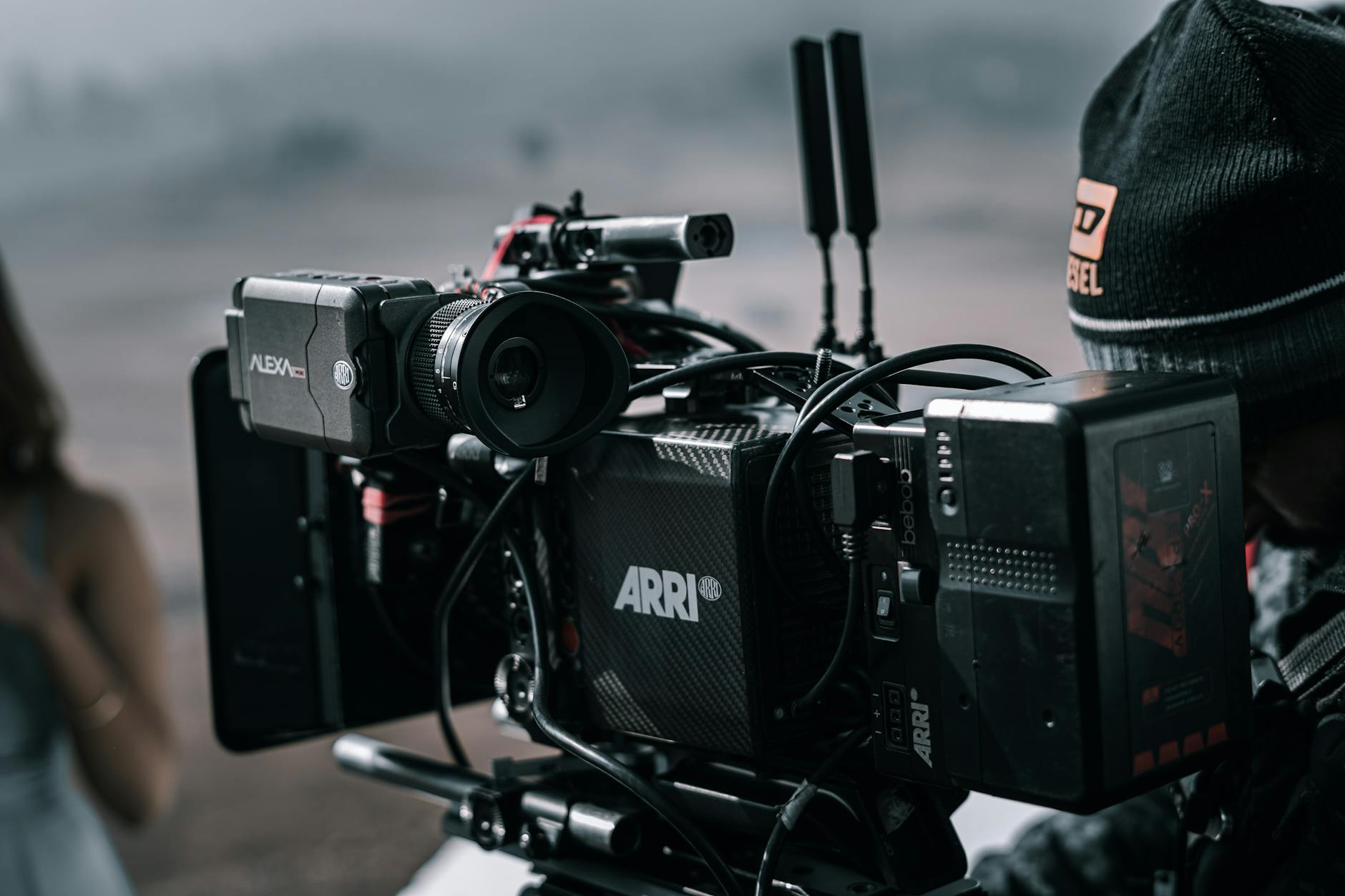
The Strategic Pivot Behind the Scenes
The move represents a departure from the expected trajectory for celebrity production companies, which typically chase prestige dramas or commercial hits. Zendaya’s team has instead chosen to invest resources in non-fiction storytelling, targeting stories that explore social justice themes and underrepresented communities. This decision reflects the actress’s long-standing commitment to using her platform for advocacy work.
Documentary production offers several advantages for emerging producers. The format requires smaller budgets than narrative features, allowing for more creative control and faster turnaround times. Projects can be developed and completed within months rather than years, enabling a production company to build a diverse portfolio quickly.
The documentary space has experienced remarkable growth over the past decade, with streaming platforms actively seeking non-fiction content to differentiate their libraries. Platforms are willing to pay premium rates for documentaries that align with their brand values or fill specific programming gaps. This market dynamic creates opportunities for production companies that can deliver compelling real-world stories.
Zendaya’s production team has reportedly been developing projects that focus on environmental activism, criminal justice reform, and youth empowerment. These topics align with the actress’s public statements and social media presence, creating authentic connections between her personal brand and professional ventures.
Market Dynamics Driving the Shift
The documentary market has become increasingly competitive, but also more lucrative for producers who understand audience preferences. Streaming services have discovered that documentary content generates strong engagement metrics and often creates cultural conversations that extend beyond the platform. This word-of-mouth potential makes documentaries valuable marketing tools for the services themselves.
Production costs for documentaries can vary dramatically, but generally remain lower than scripted content. A well-executed documentary might cost between $500,000 and $2 million to produce, compared to $5-15 million for a comparable narrative film. This cost efficiency allows production companies to take creative risks without facing catastrophic financial losses.
The awards landscape has also shifted in favor of documentary filmmaking. The Academy Awards, Emmy Awards, and other major ceremonies now give significant attention to non-fiction content, providing prestige opportunities that can elevate both filmmakers and their subjects. Recognition at major awards shows translates directly into increased distribution opportunities and higher acquisition prices.
Celebrity involvement in documentary production brings additional benefits beyond just financial backing. High-profile producers can attract media attention to important stories that might otherwise struggle to find audiences. They can also leverage their industry connections to secure interviews with difficult-to-reach subjects or gain access to exclusive locations and archival materials.
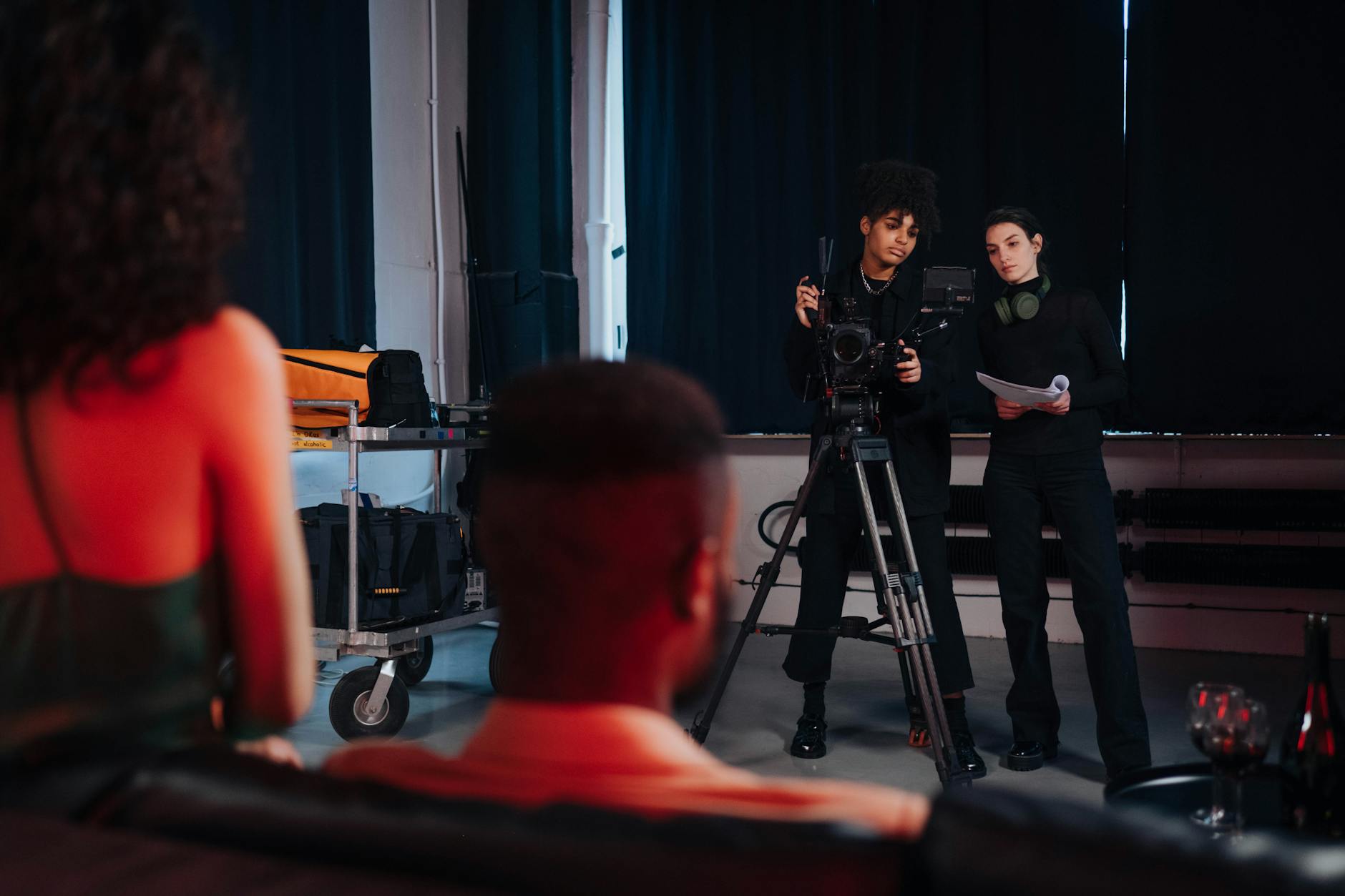
International distribution has become particularly attractive for documentary producers. Many countries have quotas for domestic content on their streaming platforms, creating demand for documentaries that can qualify under these regulations. Co-production agreements with international partners can significantly increase a project’s budget and distribution reach.
Industry Response and Future Implications
Other celebrity production companies have taken notice of this strategic shift. The success of documentary-focused ventures could inspire more entertainers to explore non-fiction content rather than competing in the crowded narrative space. This trend could lead to increased funding and attention for documentary subjects that have traditionally struggled to secure backing.
The choice to prioritize documentaries over narrative content also allows celebrities to maintain greater creative control over their projects. Documentary filmmaking typically involves fewer stakeholders and less studio interference compared to big-budget narrative productions. Independent film production requires similar strategic thinking about creative autonomy versus commercial viability.

However, documentary filmmaking presents unique challenges that celebrity producers must navigate carefully. Ethical considerations around subject consent, fair representation, and potential exploitation require experienced teams and clear protocols. The responsibility of telling real people’s stories carries different stakes than creating fictional narratives.