



Quiet luxury was supposed to be a mood, not a market. Then Toteme turned it into a business model – and the fashion world is still catching up.
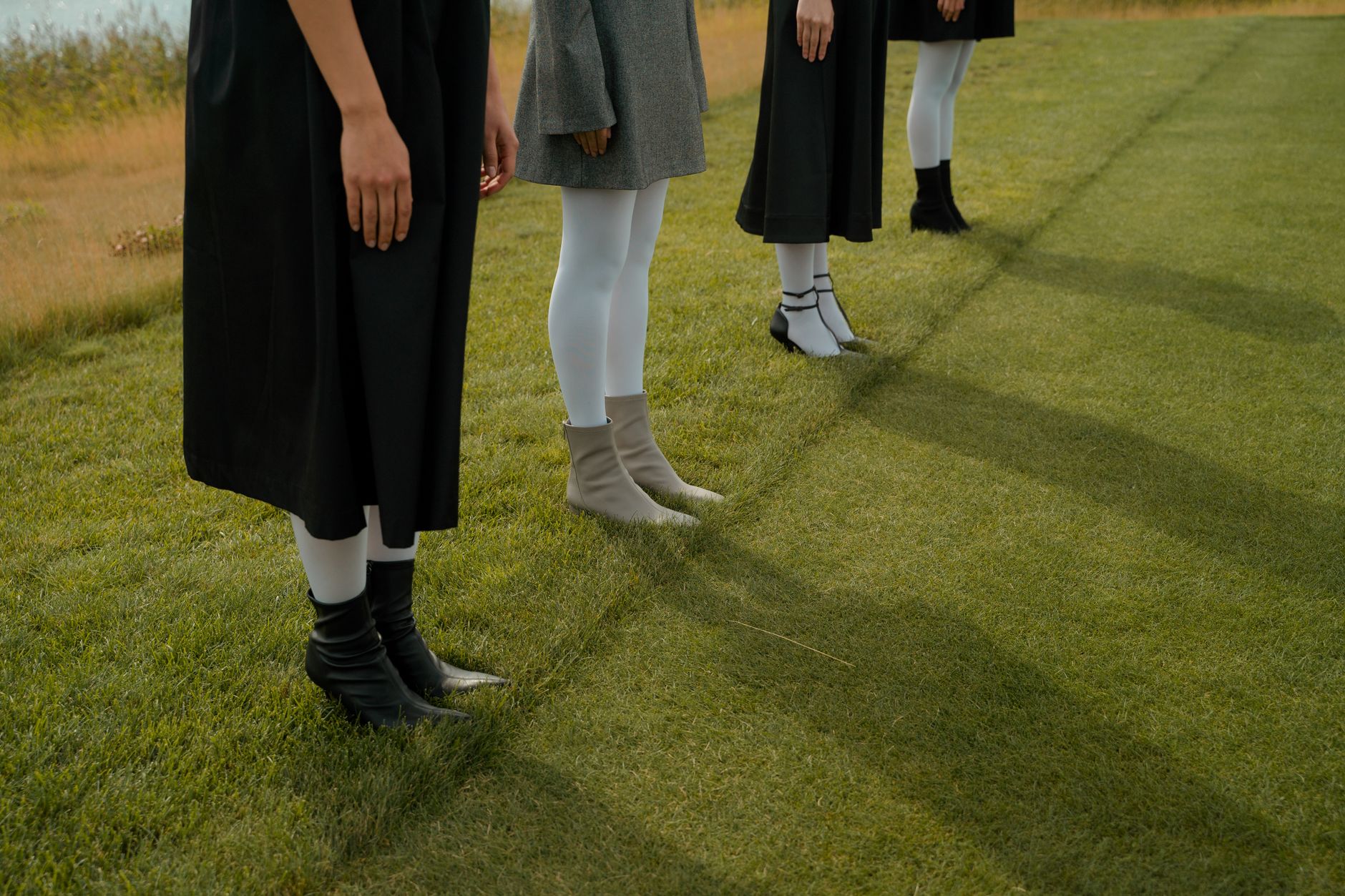
The Brand That Skipped the Noise
Founded in 2014 by Swedish couple Elin Kling and Karl Lindman, Toteme built its identity on subtraction. No logos. No seasonal gimmicks. No celebrity-driven campaigns that age badly by December. The Stockholm-born label opened with a narrow proposition – elevated basics for women who dress with intention – and has held that line with a consistency that most fashion houses abandon the moment revenue pressure sets in.
What made the timing sharp was that Toteme arrived just as a certain kind of dressing was losing its grip. The mid-2010s were oversaturated with maximalism: heavy branding, statement silhouettes, the kind of fashion that performed loudest in a thumbnail. Toteme went the other direction, banking on the idea that restraint was its own form of confidence. For several years, that bet looked like a niche play. Then the cultural appetite caught up.
The quiet luxury conversation – which peaked loudly somewhere around season two of Succession and every fashion week recap that followed – created a vocabulary for something Toteme had been doing without a label. Clothes that signal wealth through construction quality and fabric weight rather than visible insignia. Tailoring that fits with precision but never announces itself. The brand didn’t engineer this moment, it was simply already there when the moment arrived.
This is worth separating from the brands that pivoted into quiet luxury as a trend response. Toteme’s aesthetic wasn’t calibrated to catch a cultural wave – it predates the wave by nearly a decade. That gap matters because authenticity in fashion, while rarely visible on a seam, is almost always visible in longevity. Brands built for a trend cycle show the cracks when the trend recedes. Toteme has never had to pivot because it never positioned itself as fashionable in the first place.
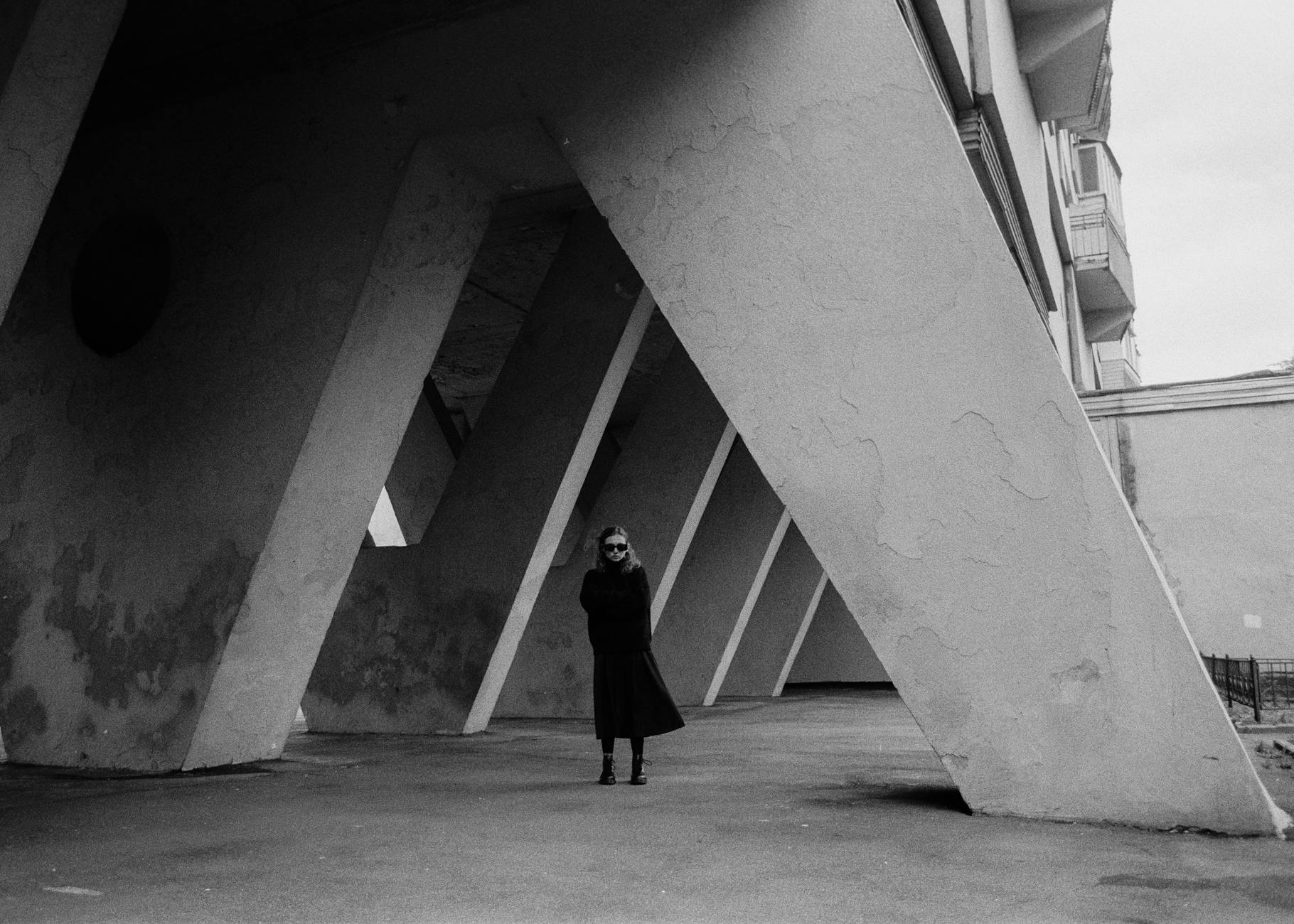
The Architecture of a Toteme Piece
The label’s signature isn’t any single item – it’s a sensibility that reads across everything. The Scarf Coat. The Cabas tote. The tailored trouser with a slightly elongated inseam. Each piece shares a structural logic: clean lines that don’t apologize, fabrications that hold their shape, and a palette that hovers in the territory of ecru, camel, charcoal, and navy. This is not accidental minimalism. It’s edited with the kind of deliberateness that takes real design conviction to sustain over multiple collections without sliding into monotony.
The tailoring specifically deserves attention. Toteme’s blazers and structured coats arrive in fabrics – wools, double-faced cashmere blends, technical gabardines – that justify their price point through touch before you’ve even considered the cut. The shoulders are set with enough structure to read as intentional without veering into costume. Lengths tend to run long, which communicates a certain authority without any of the aggression that power dressing once required. This is tailoring designed for women who have stopped trying to communicate anything through clothing except that they made a considered choice.
Critically, Toteme operates in a pricing tier that places it above accessible luxury but below the full heritage house stratosphere. A coat typically runs between $900 and $1,800. A blazer lands in the $700-$1,200 range. This is not cheap, but it positions the brand in a space where the customer is buying with the intention of keeping. That calculus – cost-per-wear over cost-at-purchase – is exactly how the brand’s core audience thinks about clothing. And it’s a purchase logic that sustains loyalty in a way trend-driven buying never does.
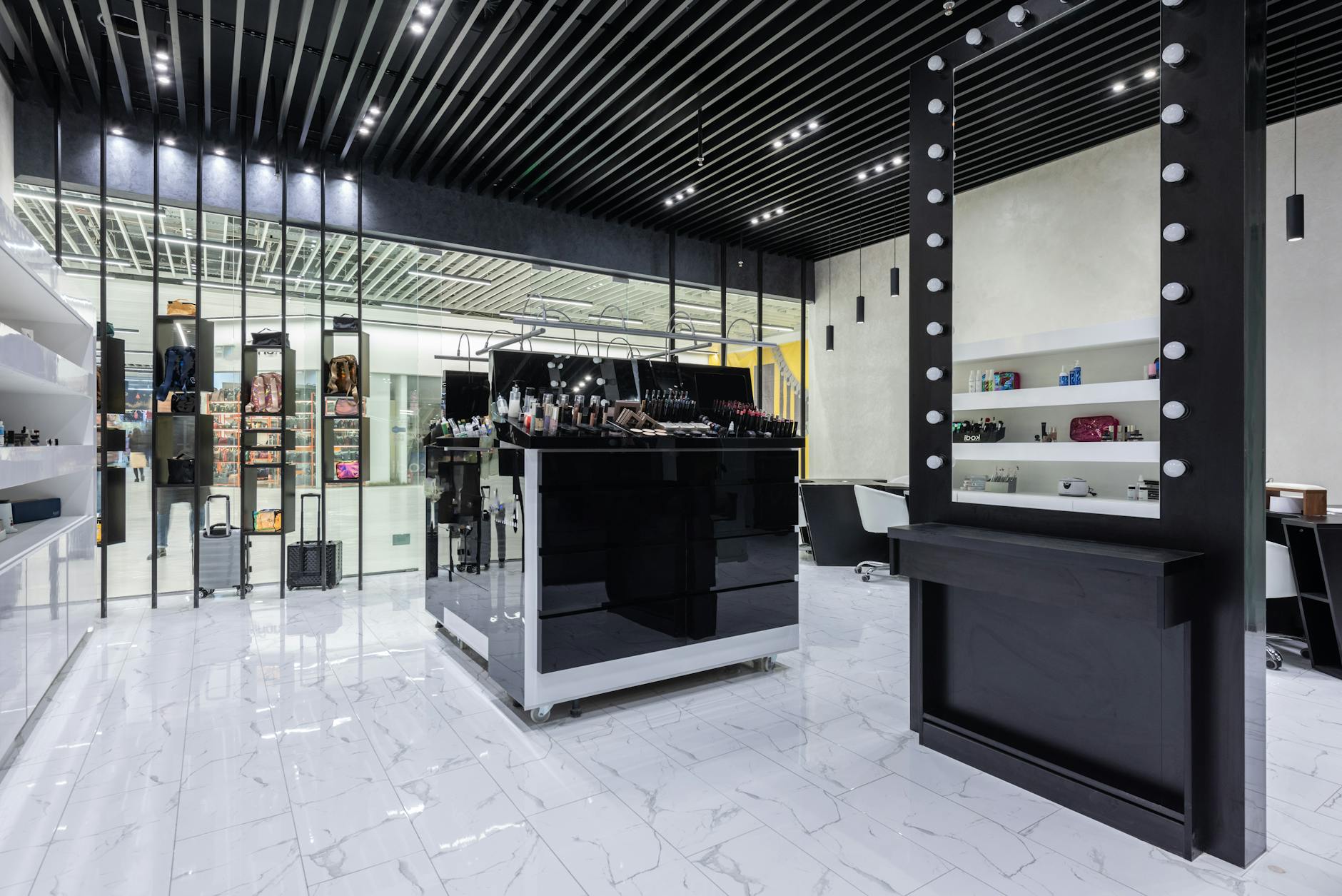
The brand’s retail strategy is equally deliberate. Toteme operates a small number of freestanding stores – Stockholm, New York, Paris, Los Angeles – alongside careful wholesale partnerships. The stores themselves are spare, architectural, almost uncomfortably quiet. No music at a disorienting volume, no aggressive sales floor energy. They function as an extension of the clothes: here is a space where you’re expected to think, not react. That retail environment is not accidental – it’s brand communication without a single word of copy.
There’s also the question of what Toteme is quietly filling. As Gucci’s maximalist era recedes and legacy houses recalibrate their visual identity, a gap opened for a brand that could offer considered, elevated dressing without the weight of heritage house mythology or the price tag that comes with it. Toteme stepped into that gap not with a campaign, but simply by continuing to do exactly what it had always done.
Why the Moment Belongs to Them Now
The current fashion appetite – moving away from logomania, away from the irony-heavy streetwear that defined the late 2010s, toward something more durable and direct – has essentially handed Toteme a platform it never asked for. Stylists are pulling the pieces for editorial shoots. Wardrobing credits in premium television land increasingly on the label. The brand shows up on the kind of well-dressed women who treat clothing as infrastructure, not punctuation. None of this happened because Toteme pushed for visibility. It happened because the market finally aligned with what the brand already was.
The real test for Toteme is whether it can hold the line as that visibility increases. Growth pressure does strange things to brands built on restraint – the temptation to expand categories, soften the aesthetic for a broader audience, or court the collaborations that bring short-term heat but dilute long-term identity is real and well-documented. Toteme’s entire value proposition rests on a disciplined refusal to be all things. Whether that discipline survives the moment it’s most rewarded is the question no clean-cut blazer can answer.