


The Structured Top Handle Had Its Moment
For the better part of a decade, the structured top handle bag ruled the accessories conversation. It signaled polish, restraint, and a certain kind of deliberate dressing – the bag you carried when you wanted to look like you had your life together. Fashion houses built waiting lists around it. Street style photographers treated it like punctuation at the end of a carefully constructed outfit.
Now something quieter is happening. The trapeze bag – with its triangular silhouette, soft swing, and relaxed architectural shape – is showing up on the arms of women who used to reach for a Lady Dior or a Polene cube without thinking twice. The shift is not loud. No one declared the structured top handle dead. But the trapeze is gaining ground in a way that warrants a closer look at why.
1. The Trapeze Shape Works With More Outfits
The structured top handle has always had a styling limitation: it belongs to a specific register of dressing. It pairs beautifully with a tailored coat or a silk midi dress, but it can read stiff against casual separates, weekend denim, or the kind of intentionally thrown-together looks that dominate how most people actually dress. The trapeze bag does not have this problem. Its soft construction and tapered base give it enough visual interest to elevate a simple outfit without overpowering it.
The triangular silhouette has a natural ease to it. Where a boxy structured bag sits rigidly on the arm or crooks of the elbow, the trapeze swings slightly when carried, giving it a relaxed quality that reads as effortless rather than studied. That movement is not incidental – it’s part of why the bag photographs well in motion and feels good to wear in real life, not just on a shelf.
This versatility matters more now than it did five years ago, when occasion dressing was more defined and the idea of a “smart bag for smart outfits” still had cultural logic. People are blending dress codes far more fluidly, and the bag that can cross those lines without looking out of place has a distinct advantage.
2. Soft Structure Is Having a Broader Moment in Accessories
The trapeze bag does not exist in isolation. It is arriving at the same time as a wider appetite for accessories that feel less architectural and more worn-in. Slouchy leather totes, unstructured hobo bags, and gathered-fabric clutches have all been gaining traction. The appetite for rigidity – in silhouettes, in styling rules, in the whole concept of a “proper” handbag – is cooling.
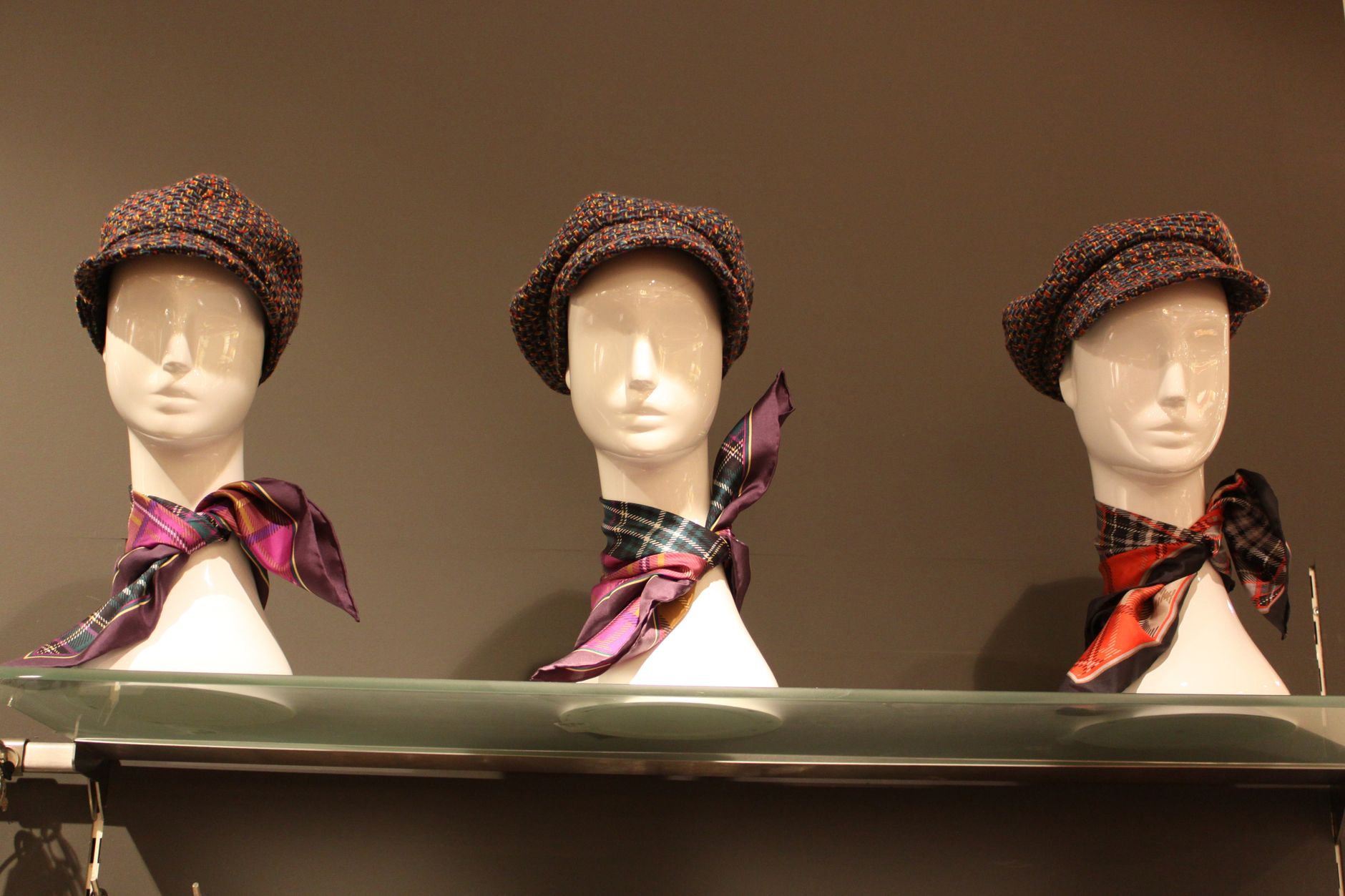
This connects to something happening across fashion categories. The tweed jacket is edging out the leather blazer for similar reasons: textures and shapes that suggest warmth and ease are outperforming those that project sharpness and authority. The structured top handle belongs to the same aesthetic family as the leather blazer – sleek, intentional, slightly formal. The trapeze, like tweed, offers structure without severity.
Soft structure is not the same as shapelessness. The trapeze bag still has a defined silhouette – the flared base and tapered top give it architectural bones. It just wears those bones more lightly, which is exactly what makes it feel current without trying hard.
3. The Price Point Conversation Is Changing
Structured top handle bags from heritage houses have become extraordinarily expensive. Many have crossed into price territory that positions them less as fashion purchases and more as financial assets – things to pass down or resell, not necessarily to carry on a Tuesday. That context changes how they feel to use daily.
The trapeze silhouette is being picked up by a wider range of brands, from accessible leather goods labels to mid-tier designers who are producing genuinely well-made versions at prices that do not require a waiting list or a secondary market. This is not a quality argument against the heritage top handle – it is an observation about where design energy and consumer attention are flowing. When a shape becomes available at multiple price points with real craftsmanship behind it, it enters everyday rotation in a way that rarefied bags cannot.
4. The Trapeze Photograph Differently – and That Matters
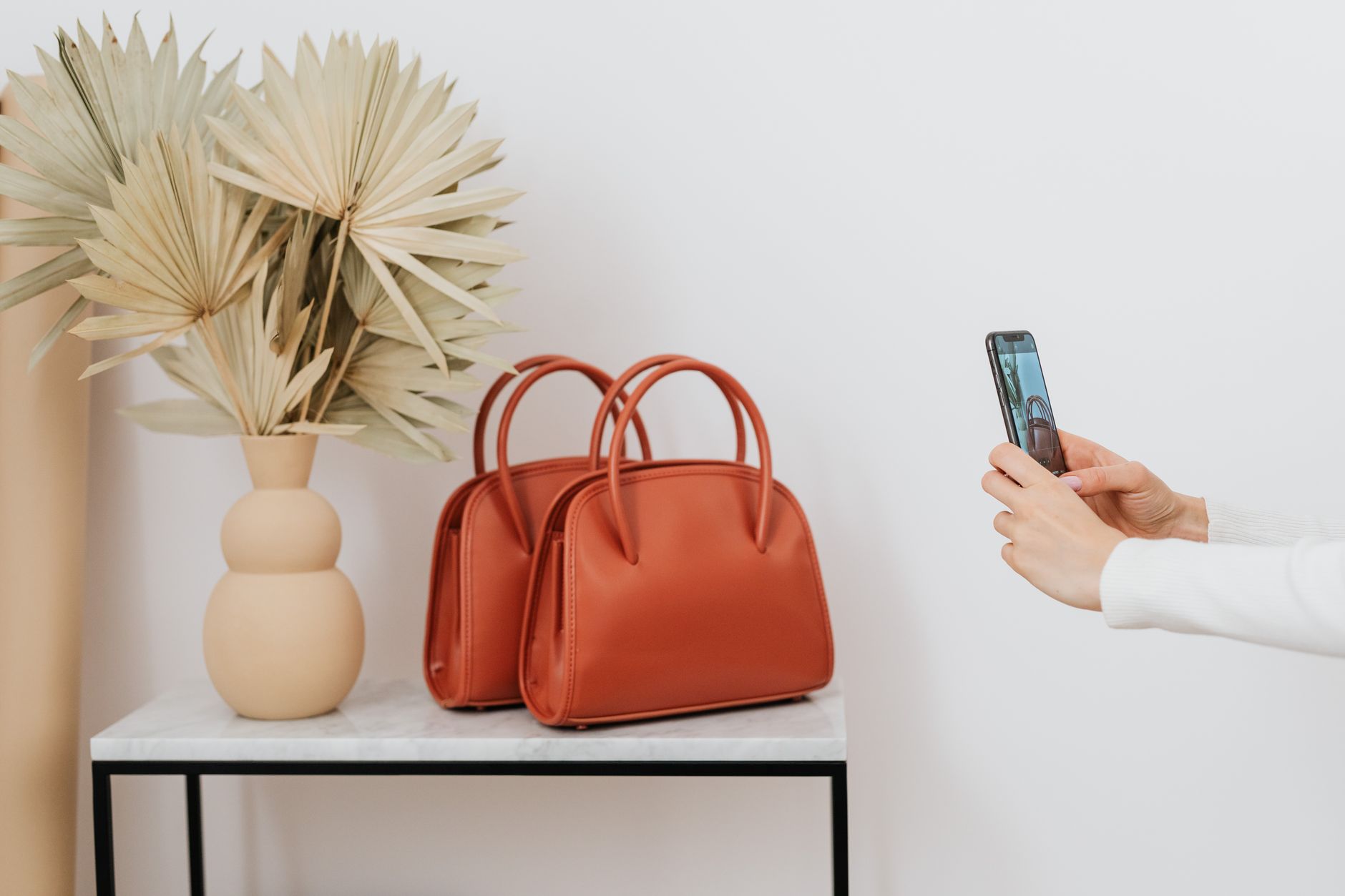
Social media has quietly reshaped which bag silhouettes get cultural traction. The structured top handle is a strong bag in person but can read as flat or predictable in photos, especially the kind of casual, spontaneous images that populate Instagram and Pinterest boards. It sits. It does not move. Its appeal is tactile – the weight of it, the hardware, the interior structure – and those qualities do not translate easily to a screen.
The trapeze has natural photographic drama. The triangular shape creates shadow and dimension. When worn on the shoulder or carried in hand, the flared base and tapered top make an interesting geometry against the body. It looks considered without looking posed, which is the precise quality that tends to generate saves and shares. That visibility loop – bag gets photographed, photographs get saved, saves create demand – is not trivial in how trends move through the market now.
It also helps that the trapeze shape reads clearly even in a small thumbnail. Scroll through enough imagery and you start to recognize it instantly, which is how silhouettes build cultural momentum.
5. It Carries More Without Losing Its Shape
The structured top handle’s other quiet weakness is capacity. Many of the most coveted versions are designed for elegance first, function second. They carry a phone, a card holder, and a lipstick beautifully. They carry a full day’s worth of necessities less elegantly, and the shape can distort under that weight.
The trapeze’s construction handles volume differently. Because the base is wider than the top, weight distributes naturally downward and outward without bulging at the sides the way a boxy bag does. The bag can hold more while maintaining its visual integrity. For anyone who has had to choose between their preferred bag and what they actually need to carry, this is a practical argument that lands.
Practicality rarely kills a trend by itself, but it sustains one. A bag that looks good and functions well gets carried more, gets seen more, and holds its place in a wardrobe longer than one that requires choosing between form and function every time you pack it.
6. The Right Designers Are Paying Attention
When a silhouette starts appearing across a range of designers simultaneously – not as a copycat moment, but as a shared instinct – it usually means something is genuinely shifting in what buyers are responding to. The trapeze shape has been appearing in collections from labels known for sharp tailoring alongside those known for relaxed, artisan-inflected design. That breadth suggests the shape is flexible enough to carry multiple design languages, which is a strong indicator of staying power.
The structured top handle is not going anywhere – heritage houses will continue to produce them, and they will continue to sell. But the design conversation is moving toward shapes that carry emotional warmth alongside physical structure. The trapeze is winning that conversation right now, not because it is new, but because it is exactly right for the moment fashion is in.
Whether it holds that position when the next silhouette arrives is the only real question left on the table.