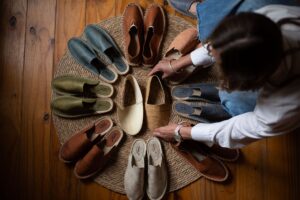



The raffia wedge had a good run. Woven, earthy, vacation-coded – it became the default warm-weather shoe for years running. But something is shifting on the racks this season, and it starts at ground level: the rope-sole sandal is making a quiet, confident case for replacing it.
Why the Rope Sole Is Having Its Moment
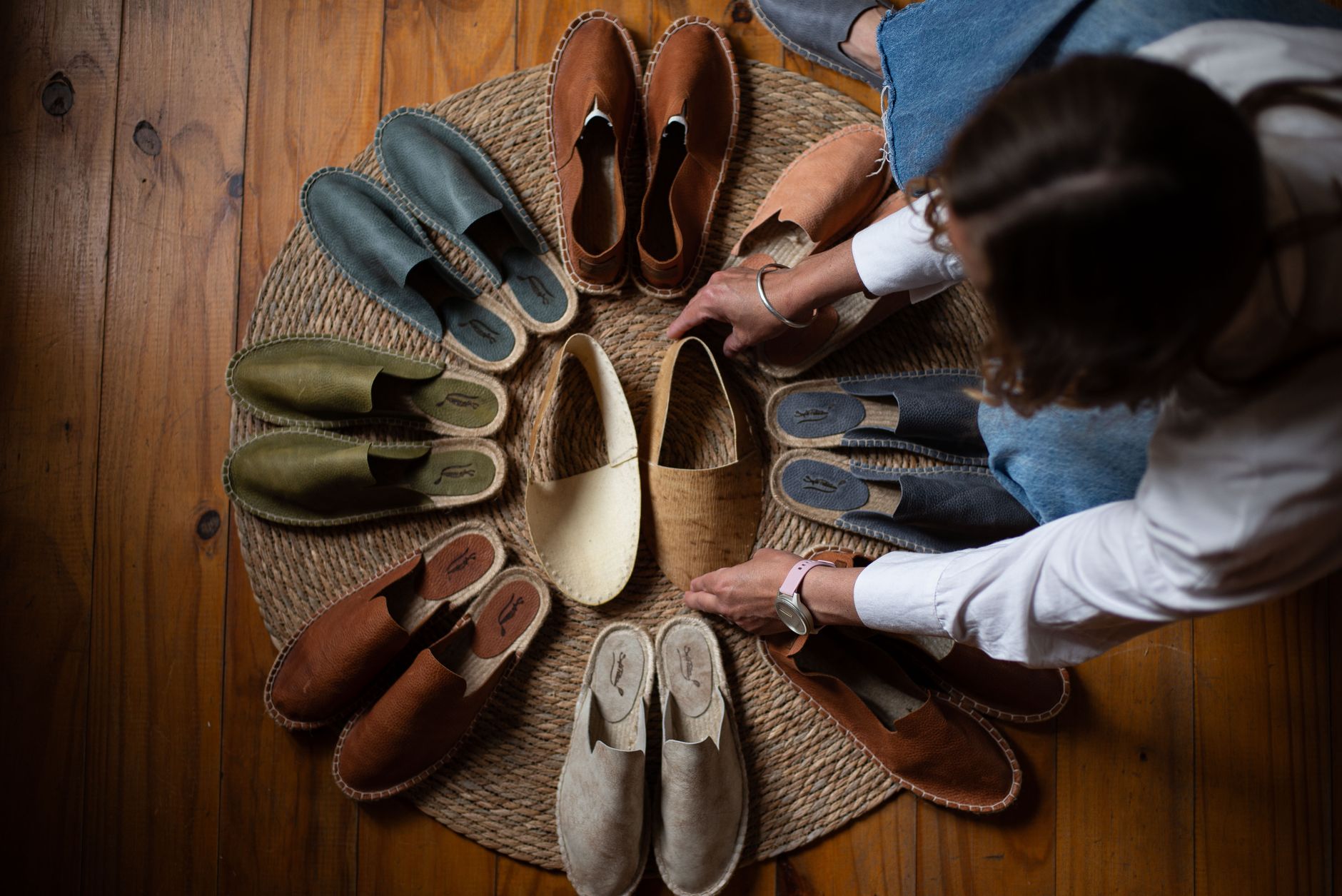
The rope-sole sandal – sometimes called the espadrille flat or jute-sole slide – strips away the wedge entirely and rests the foot almost flush with the ground. What sounds like a downgrade in formality actually reads as an upgrade in intention. There is a studied simplicity to it, the kind of shoe that looks deliberately chosen rather than defaulted to. Fashion cycles have a way of moving from ornate back to spare, and the rope sole sits squarely in that spare category right now.
What the raffia wedge offered was height without heel anxiety – the woven platform felt natural enough to justify wearing on cobblestones or at an outdoor dinner. It was practical glamour. The rope-sole sandal offers something different: a kind of Mediterranean working-class elegance that does not need height to communicate ease. The silhouette is lower and longer, visually grounding an outfit rather than lifting it. Styled with wide-leg linen trousers or a midi skirt with movement, the flat rope sole becomes an anchor point, not an afterthought.
Part of what is driving the shift is how the shoe photographs. The raffia wedge, for all its tactile appeal, can visually chop the leg in street-style images – the chunky sole creating a visual break that the algorithm-savvy fashion crowd has quietly noted. The rope-sole sandal, by contrast, extends the line of the foot cleanly. It reads well at ankle level, which is exactly where phone cameras tend to focus when capturing a full-length look. That might sound trivial, but visual shorthand matters enormously in how trends accelerate.
The construction itself is also worth paying attention to. Quality rope-sole sandals use compressed jute or braided sisal underfoot, which molds slightly to the foot over time and provides a surprising amount of natural cushioning. The upper straps vary widely – from a single toe post to a more elaborate lattice of leather or woven cotton – but the defining characteristic is always that flat, textured sole. It ages visibly and attractively, which is increasingly appealing to a consumer who has grown suspicious of shoes that look pristine forever.
How It Reads Across Different Style Contexts
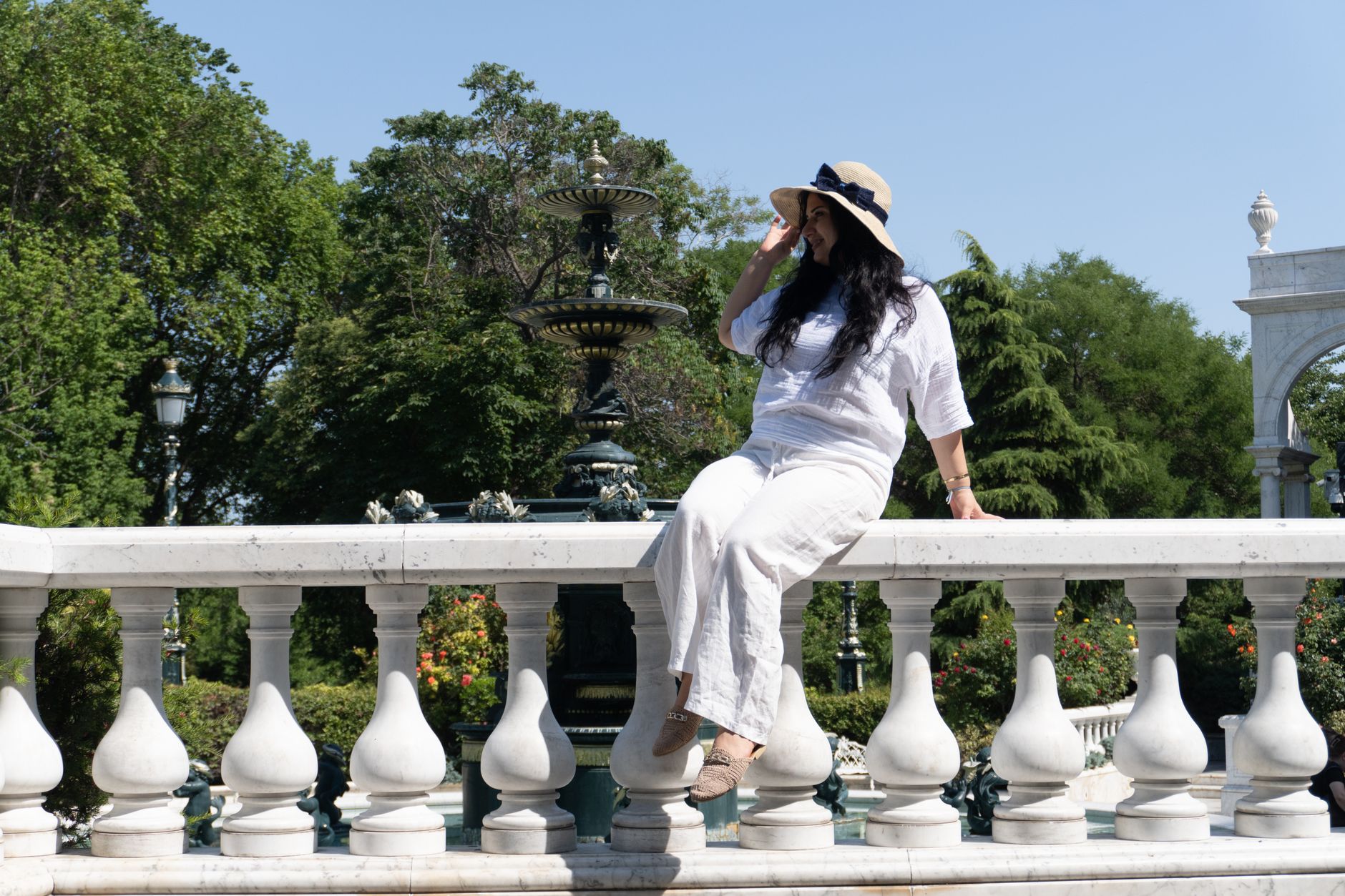
The rope-sole sandal has an unusual range for such a simple shoe. On a beach holiday, it covers the same ground the raffia wedge once did – natural materials, warm-toned palette, effortless pairing with linen and cotton. But it also works in contexts the wedge never convincingly managed. With straight-cut tailored trousers and a tucked white shirt, the rope sole reads as a sharp, considered choice rather than a vacation carryover. That crossover versatility is exactly the kind of thing that sustains a trend past a single season.
Color is one of the areas where the rope sole is pulling away from the wedge most clearly. The natural jute base works as a neutral that shifts tone depending on what sits above it – it reads warm against ivory, grounding against terracotta, and almost architectural against cobalt or deep navy. Brands experimenting with this format are pairing the sole with uppers in unexpected materials: vegetable-tanned leather, raw canvas, even macrame. The raffia wedge, by comparison, tends to demand the full natural palette – anything too saturated or structured against it looks mismatched.
There is also a silhouette logic at play. Wide-leg and relaxed-fit trousers, which have dominated the casual end of fashion for the past two years, actually sit better over a flat sole. The hem grazes the floor or skims the ankle without the visual interruption of a wedge lifting the trouser leg. The rope sole disappears into the look in a way that feels cohesive. The kitten heel has been doing similar work at the formal end of the shoe market – creating a clean line without the altitude of a full heel. The rope sole is the flat, warm-weather version of that same instinct.
Sustainability conversations are also nudging things in the rope sole’s direction. Jute is a rapidly renewable crop with a relatively low environmental footprint compared to synthetic foam wedges. Many rope-sole sandals use minimal hardware and no synthetic components, which makes them straightforwardly biodegradable in a way that EVA or rubber wedges are not. Whether or not a buyer is actively tracking these factors, the category benefits from a general cultural lean toward materials that look natural because they are.
The price point distribution is notably wider than the wedge market, too. A rope-sole sandal can be found at almost every retail tier without the quality difference being immediately obvious to the eye. The flat construction means there are fewer components to compromise on, and the handcraft tradition behind jute-sole footwear – historically rooted in Spanish and French regional shoe-making – gives even mid-market versions a heritage reference that holds up. Buyers are not feeling like they are trading down when they choose a rope sole at a lower price.
What the Wedge Still Has Going for It
To be fair, the raffia wedge is not disappearing. It still performs well for buyers who want visible height without the instability of a stiletto, and its silhouette reads as more formally festive – a garden party shoe, a wedding guest shoe. There are contexts where the rope sole’s studied flatness reads as underdressed, and the wedge remains the natural solution. The question is whether those contexts are multiplying or shrinking, and right now the evidence suggests the latter.
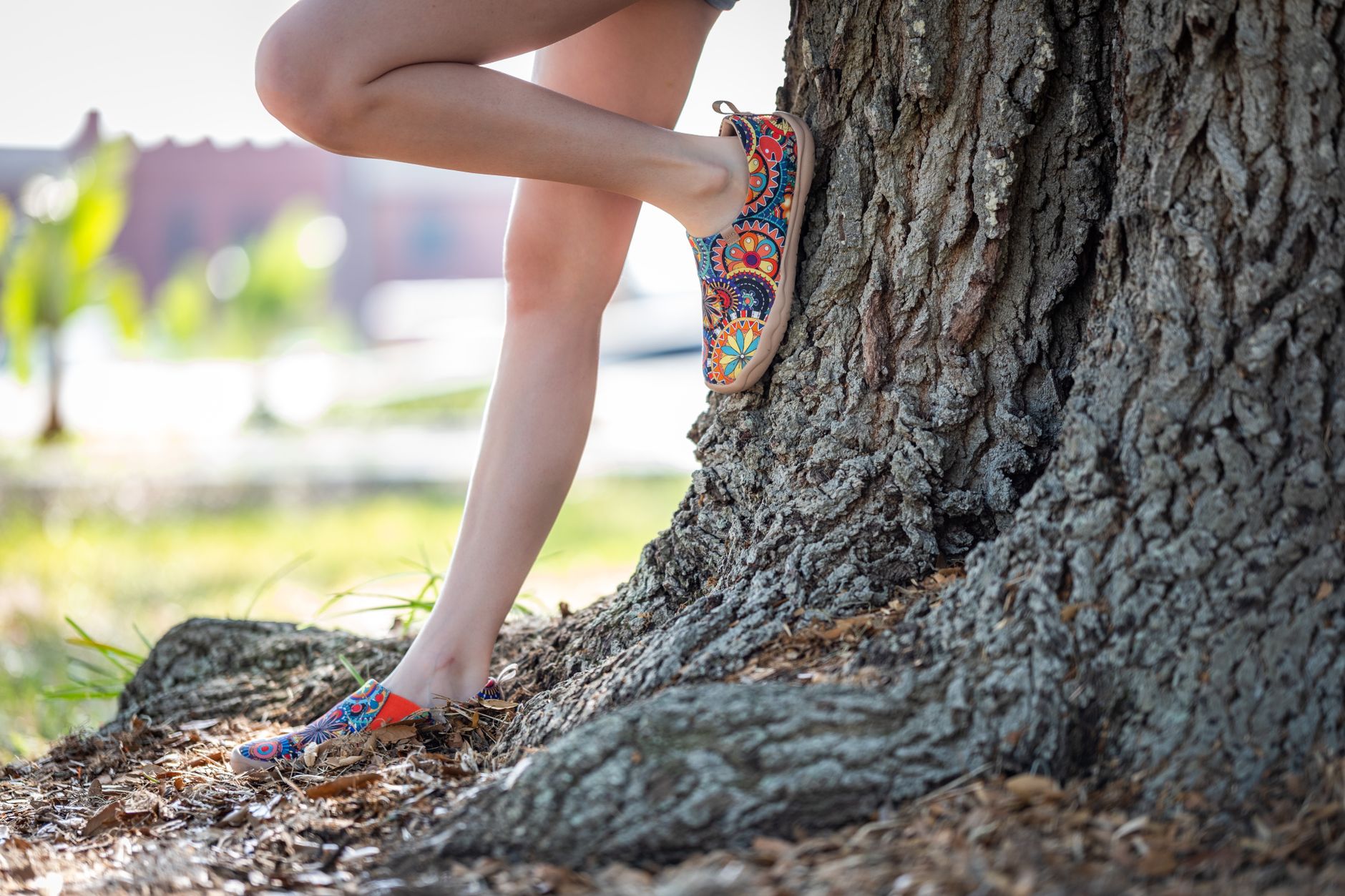
The rope sole’s real test will come at the end of the summer, when it either retreats back to specialty boutiques or starts appearing in autumn transitional looks styled with socks and heavier fabrics. That is the seasonal bridge the raffia wedge never successfully crossed. If the rope sole manages it – and a growing number of street-style references suggest it might – the wedge’s window as the default warm-weather choice could close faster than expected.