


The straight trouser had a long run. Clean, minimal, endlessly versatile – it became the default bottom for anyone who wanted to look put-together without trying too hard. But something has been shifting on the racks and the runways, in the back pages of fashion editorials and on the sidewalks of every city with a credible vintage market. The barrel-leg jean is moving in, and it is doing so without much fanfare.
What makes this particular shift worth watching is how quietly it is happening. There is no single moment, no single campaign, no single celebrity wearing them on a red carpet that sparked the conversion. Instead, the barrel-leg has accumulated a following through repetition – showing up in enough outfit formulas, enough shop windows, enough social media scrolls that it has started to feel less like a trend and more like a wardrobe fact.
What a Barrel-Leg Actually Is
The name does most of the explaining. A barrel-leg jean is wider through the thigh and hip, then tapers at the ankle – creating a rounded, almost sculptural silhouette that sits somewhere between a wide-leg and a relaxed straight cut. It is not a flare, because there is no dramatic sweep at the hem. It is not a skinny, obviously. And it is not quite a wide-leg, because the taper at the bottom keeps the shape controlled.
That middle-ground positioning is exactly what has made it so wearable for so many different body types. The volume sits where most people carry natural width – through the hip and thigh – while the tapered ankle keeps the whole look from reading as sloppy. It is a cut that flatters by working with proportion rather than fighting it.
Why the Straight Trouser Is Losing Ground
The straight trouser is not going anywhere entirely – it is too useful for that. But its dominance as the go-to daytime bottom has been eroding, and the reasons are practical as much as aesthetic. After several seasons of clean, minimalist tailoring, there is a growing appetite for something with a bit more personality. The straight trouser, by its very nature, is deliberately neutral. It does not add anything to an outfit – it simply refuses to distract from it.
The barrel-leg does the opposite. It is a statement through shape rather than color or embellishment. A plain white tee, a simple loafer, and a well-cut barrel-leg jean can build an entire look around the denim itself. That is a different kind of dressing – one where the silhouette carries the weight, not the accessories or the layering.
There is also a texture conversation happening. Straight trousers in wool, crepe, and tailoring fabrics have dominated office-adjacent dressing for a while, but the move toward more casual, lived-in wardrobes has made denim feel relevant again in a way it had not for a few years. Not the skinny jeans of the early 2010s, and not the ultra-distressed finishes of the streetwear era – but denim as a refined material, treated seriously, cut thoughtfully.
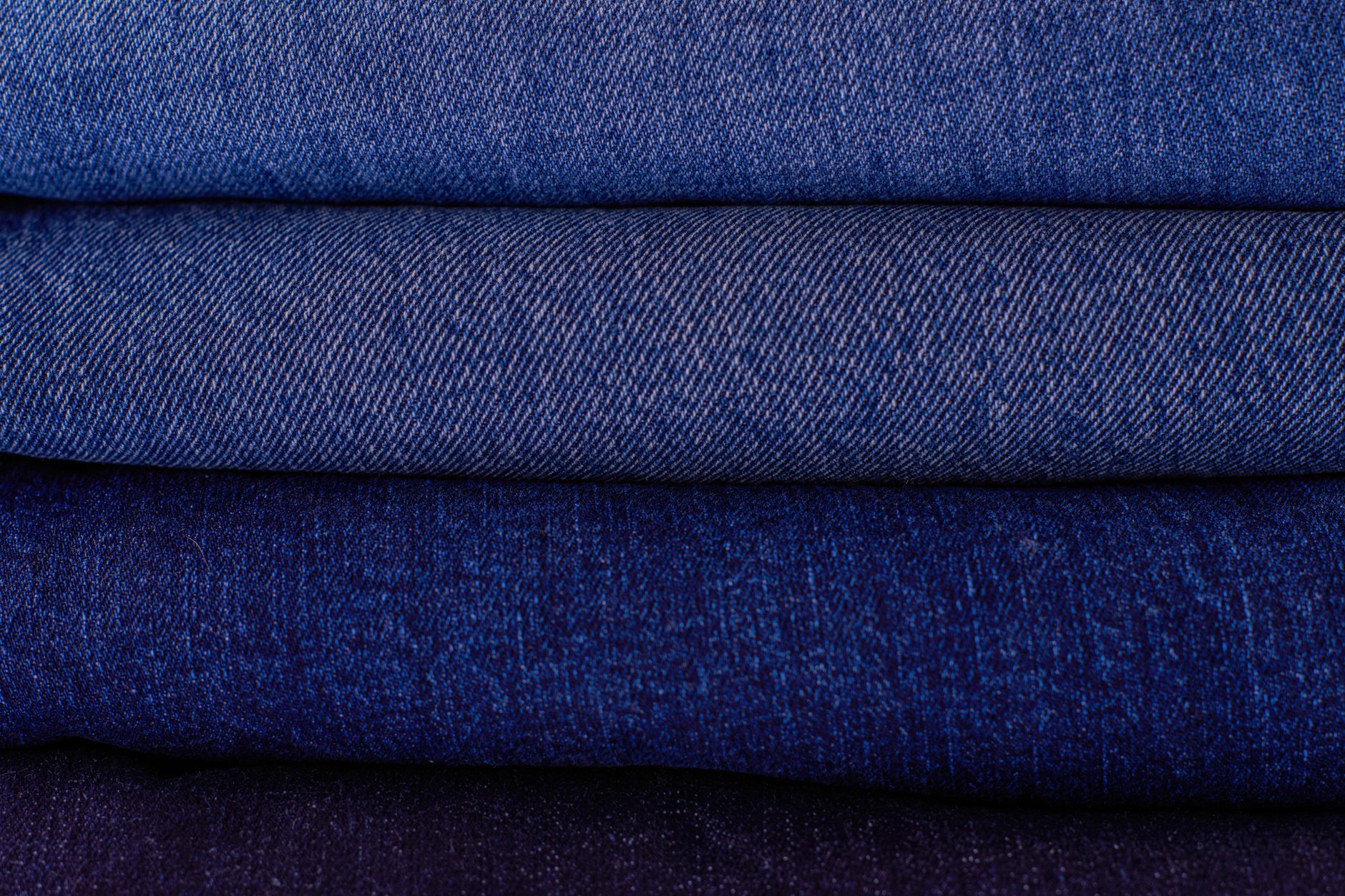
Washes matter here. The barrel-leg looks best in mid-range washes – not too light, not too dark – that let the shape speak clearly. A rigid dark indigo barrel-leg, worn with a relaxed blazer, is doing something that a straight trouser in the same fabric simply cannot: it is adding visual interest through form alone. That is a meaningful distinction for anyone who wants their outfit to feel considered without being complicated. Footwear choices shift too – a kitten heel oxford works particularly well against the tapered ankle, offering a delicate counterpoint to all that volume.

How Brands Are Reading the Moment
Denim brands have noticed the momentum. Mid-range labels that built their reputations on straight and slim cuts have been quietly expanding their barrel-leg offerings over the past two to three seasons. It is showing up in new arrivals sections with increasing regularity, often described in product copy as “relaxed tapered” or “sculptural fit” – the terminology varies, but the silhouette is consistent.
What is notable is that the barrel-leg is not being marketed as a trend item. It is being folded into the core ranges, presented alongside the classics as if it has always been there. That is a sign that brands are betting on longevity rather than cycle-dependent hype – a meaningful distinction in how product decisions get made.
Styling the Shape
The barrel-leg rewards proportion dressing more than almost any other cut. The general principle is simple: volume on the bottom calls for something fitted or structured on top. A tucked-in shirt, a close-cut knit, a cropped jacket – all of these work because they define the waist before the denim takes over. Going loose on top and loose on the bottom is possible, but it requires more deliberate styling to avoid reading as shapeless.
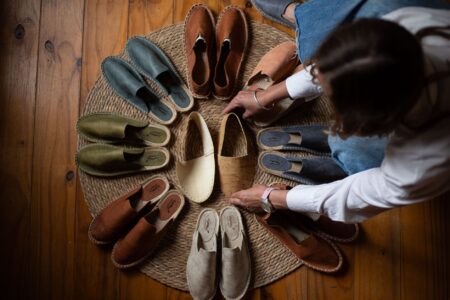
Shoes are a significant variable. Because the hem tapers, the ankle is exposed – which means the footwear choice reads clearly. Ballet flats have become a natural pairing, lending a soft, almost nostalgic energy to the look. Loafers work in a more polished direction. Pointed-toe boots in particular play up the contrast between the wide-through-the-thigh construction and the narrow hem, creating a visual tension that feels deliberate rather than accidental.
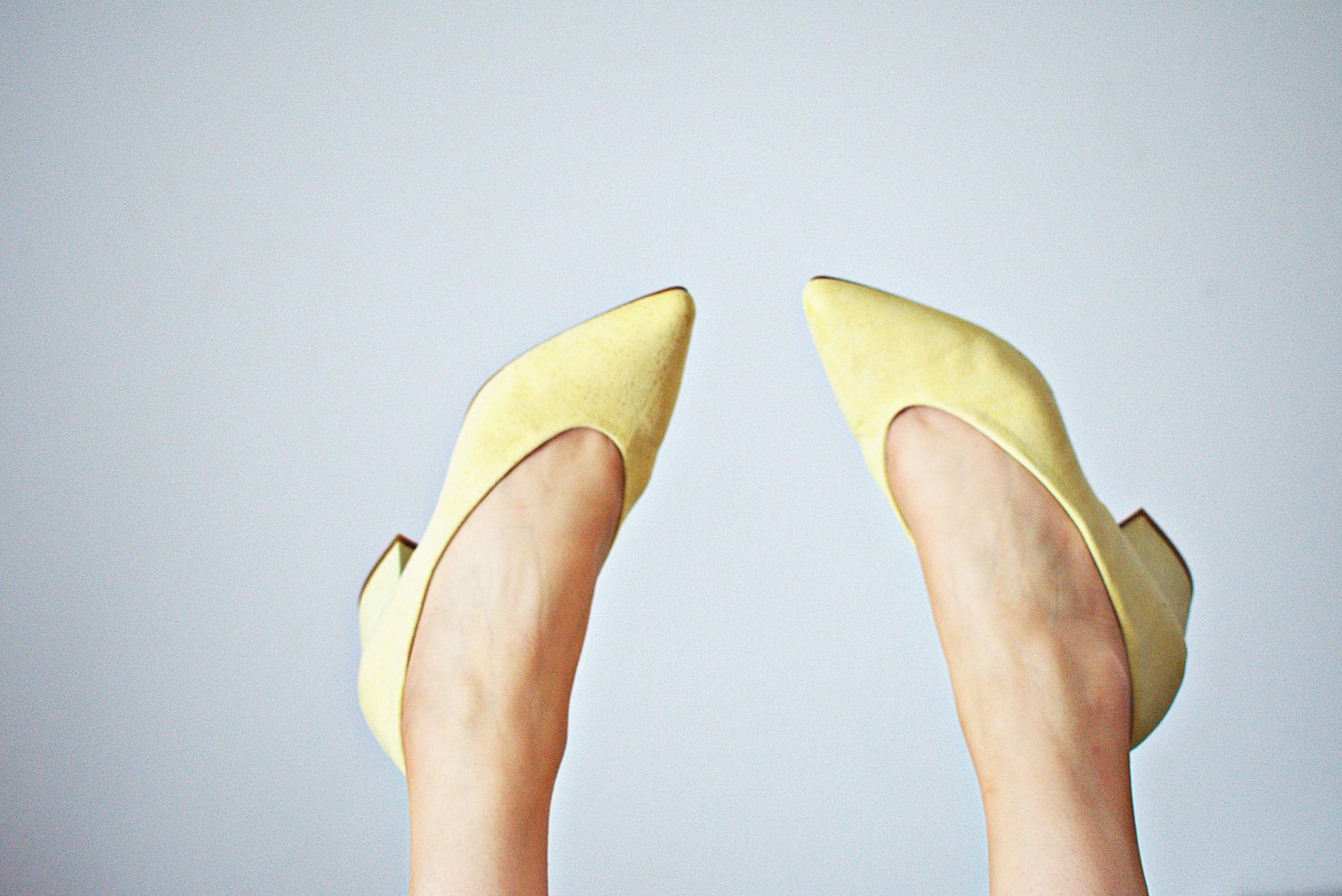
Heels are less obvious but not wrong – a low block heel can handle the proportions without competing with the denim’s own presence. What does not work as well is a chunky platform sneaker, which flattens the taper and erases the architectural quality that makes the barrel-leg interesting in the first place. The cut is doing specific work, and the styling needs to support it rather than obscure it.