


The structured coat has long been fashion’s answer to looking put-together without trying too hard. A sharp wool overcoat or a tailored camelcoat signals intention – someone who dressed with purpose and left the house ready for something. But a quieter, softer alternative has been steadily pulling attention away from the coat rack, and it does not involve buttons or a lining or a dry-clean-only label.
The longline cardigan – floor-grazing, oversized, often in chunky knit or bouclé – has moved well beyond weekend loungewear territory. It is showing up in editorial shoots, on airport departure boards, and in the kind of outfit photos that actually get saved rather than just liked. The silhouette is the same as a coat. The ease is considerably greater.
Why the Longline Cardigan Works as an Outerwear Replacement
The appeal is not just about comfort, though that is part of it. A longline cardigan creates the same vertical line that a structured coat does – it elongates the body, defines the silhouette, and adds weight to an outfit without stiffness. What it drops is the formality, and for a lot of people right now, formality is the thing they are most willing to leave behind. A draped, oversized cardigan worn over tailored trousers and a simple turtleneck reads as deliberately styled, not underdressed.
There is also a layering logic to it that a coat cannot replicate. A cardigan sits closer to the body, moves with the wearer, and works indoors without requiring a coat check or an awkward bundle over a chair. When the temperature swings – as it reliably does in spring and fall – a cardigan adjusts in a way a structured wool coat simply cannot.
The Textures and Silhouettes Driving the Trend
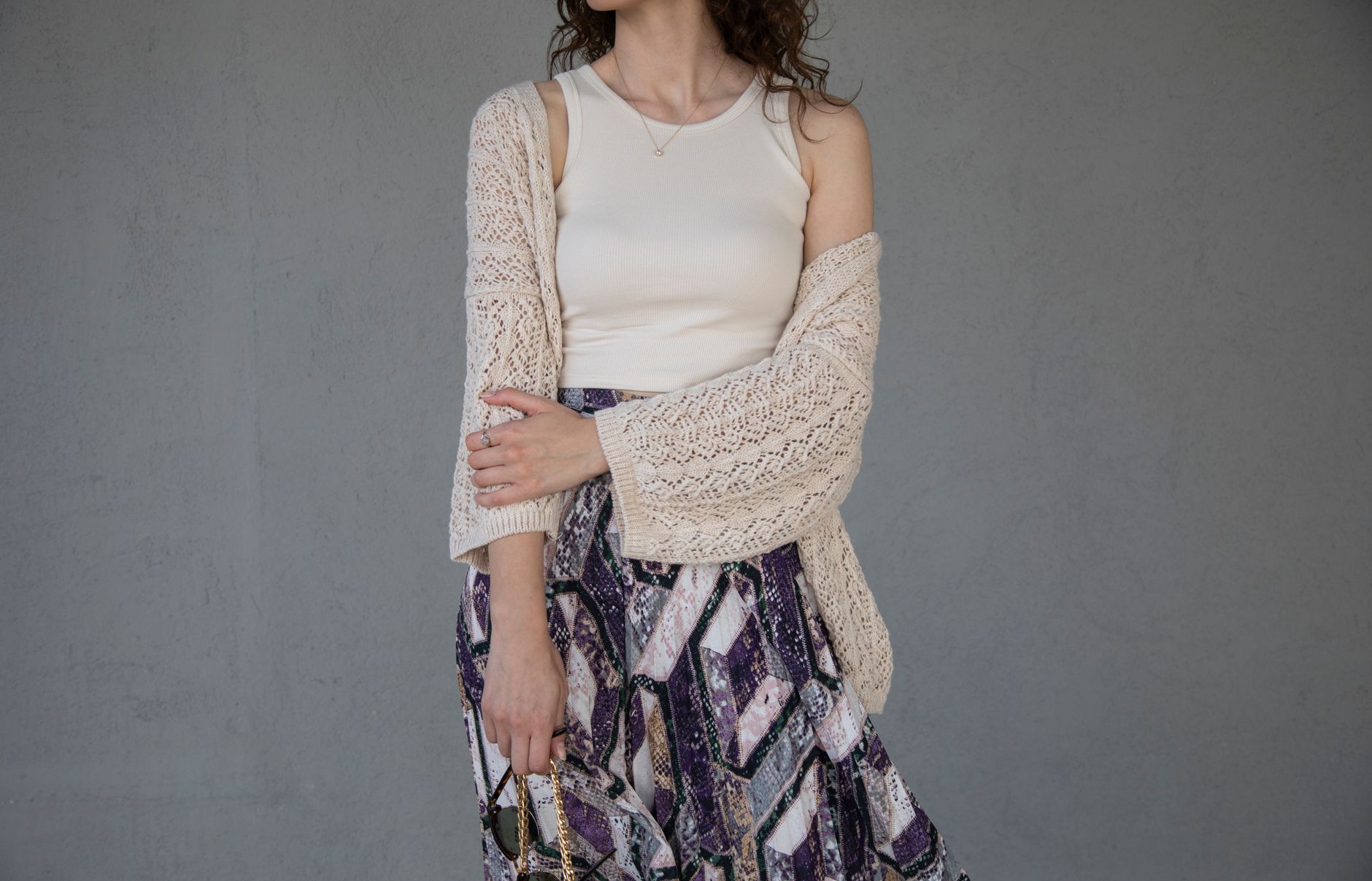
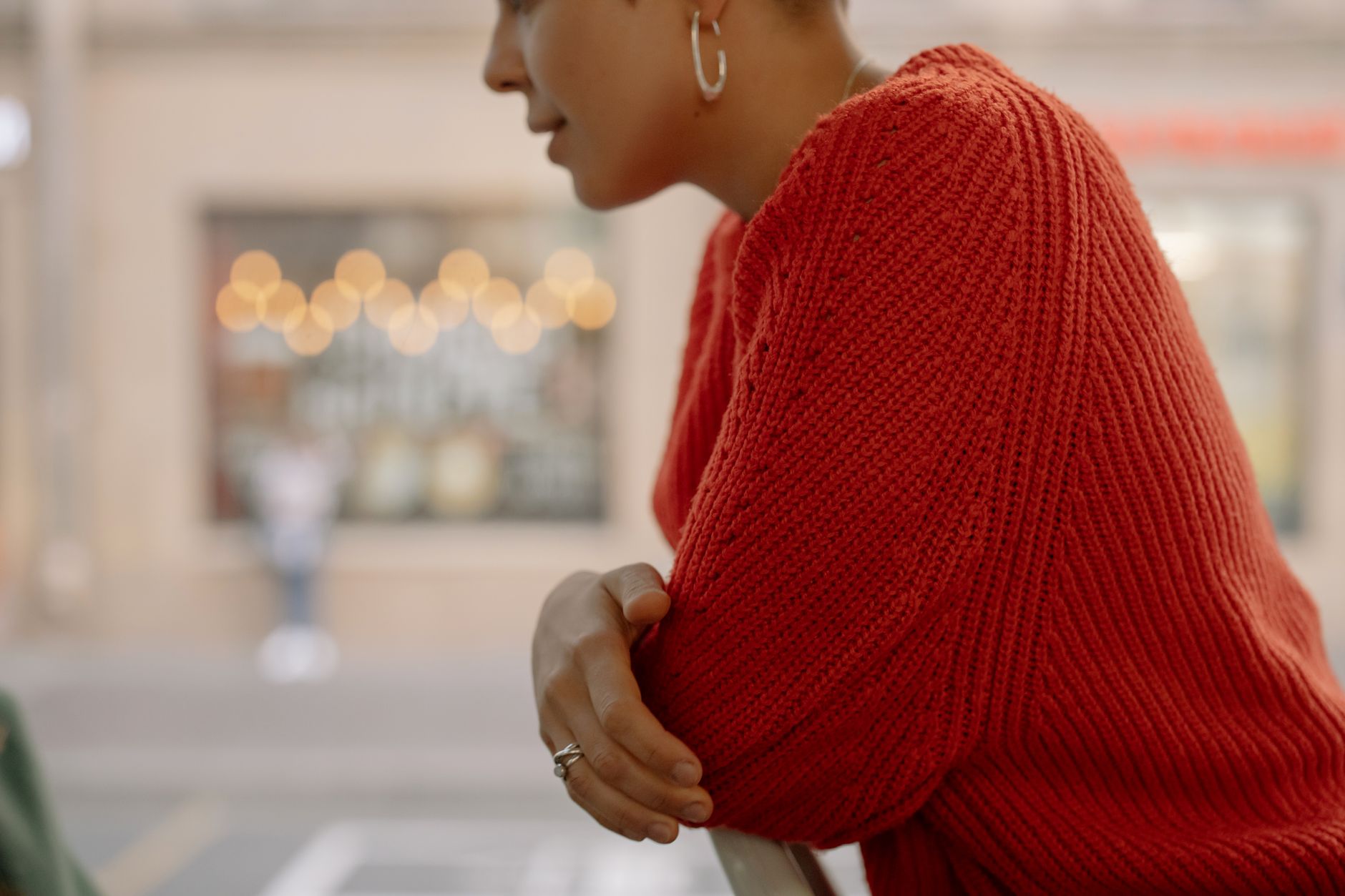
Not every longline cardigan is earning a spot as an outerwear substitute. The versions gaining real traction tend to share a few qualities: substantial weight, a relaxed but not sloppy fit, and some kind of textural detail that earns its keep visually. Chunky cable knits, boucle with visible nubby texture, and open-weave constructions in neutral tones are the ones showing up most frequently in the kind of outfit styling that moves from editorial to actual purchase.
Color plays a role too. The longline cardigans replacing coats are not the pastel, grandmotherly versions – they are coming in deep camel, charcoal grey, oat, and forest green. These are coat colors borrowed for a softer format, and the translation works because the palette does the heavy lifting that structure would have done otherwise.
Length matters more than most people realize. A cardigan that hits mid-thigh reads more like a long sweater. One that reaches the knee or beyond enters coat territory in a way that actually changes how an entire outfit reads from the outside. The longer the hem, the more the garment functions as the anchor of an outfit rather than a layer within it. That shift in function is exactly what is allowing the longline cardigan to compete with outerwear in a meaningful way.
Belting has also become a key styling move. Cinching a longline cardigan at the waist with a leather or cord belt immediately gives it the kind of structure that a traditional coat arrives with built-in. It is a finishing detail that turns a draped knit into something that photographs and performs like intentional outerwear, without losing any of the softness that makes the style worth reaching for in the first place. The slim scarf has become a natural companion here – layered over the collar of a longline cardigan, it adds the kind of polished detail that ties the whole look together without adding bulk.
How It Is Being Styled Right Now
The most-repeated formula pairs the longline cardigan with straight-leg or wide-leg trousers, a fitted base layer underneath, and a simple leather boot or loafer. The cardigan does the work of a coat in that equation – it is the outermost layer, the statement piece, the thing that anchors the proportions. Bags tend to be structured to balance the softness of the knit, and the overall effect sits somewhere between casual and dressed without committing fully to either.
A less obvious pairing that is gaining ground is the longline cardigan worn over a midi dress – particularly slip dresses or simple jersey styles. This combination is where the cardigan-as-coat logic becomes most visible, because the cardigan is genuinely functioning as an outer layer over an otherwise complete outfit, adding warmth and weight in exactly the way a light coat would. The difference is that it photographs warmer, moves easier, and does not require the same level of formality from the rest of the look.
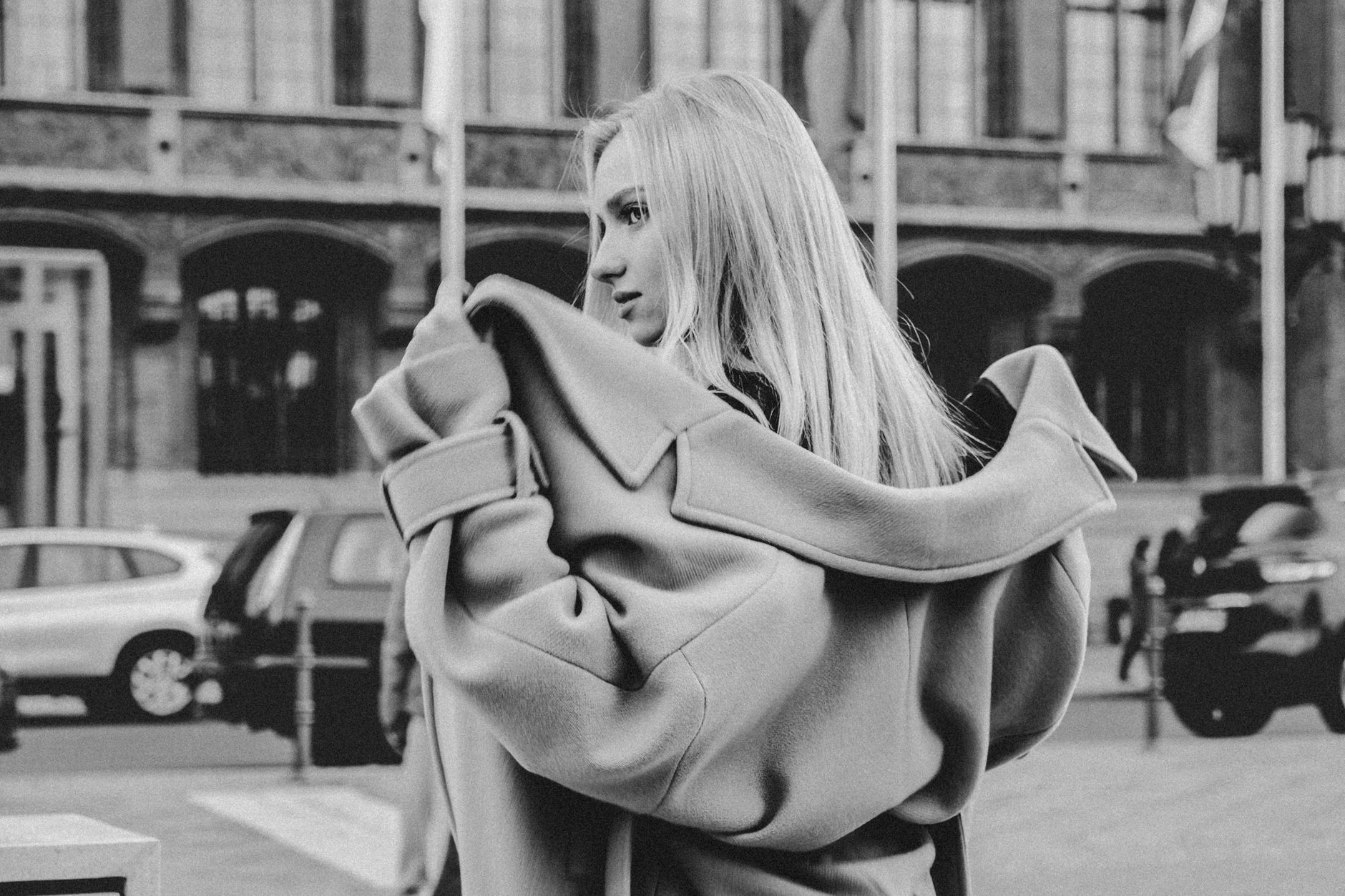
What This Means for the Structured Coat
The structured coat is not disappearing. It still owns certain occasions – a January commute in a cold city, a formal evening event, anything that requires the kind of authority that comes from a sharp lapel and a deliberate shoulder. But its monopoly on the “finishing layer” role in an outfit has weakened. For moderate temperatures, transitional seasons, and the kind of everyday dressing that makes up most people’s actual lives, the longline cardigan is now a genuine alternative rather than a compromise.
Retailers have noticed. The category of longline and maxi-length knitwear has expanded considerably at both the high-street and designer levels, with brands adding more weights, more lengths, and more structure-adjacent details to cardigans that would have previously been shelved in the loungewear section. The price points still vary widely – which is part of the appeal. A quality longline cardigan can be found at a fraction of the cost of a comparable wool overcoat, and it requires significantly less maintenance.
What makes this particular shift durable rather than seasonal is that it aligns with how people are actually choosing to dress – prioritizing pieces that work across multiple contexts, require less effort to maintain, and offer flexibility without sacrificing the visual weight of a complete outfit. The longline cardigan does not ask you to decide between comfortable and put-together. That is a harder argument to make for the structured coat, which has always demanded a little more in return for what it offers.