



The strappy heel had a long run. Season after season, it showed up on runways, red carpets, and brunch tables alike – a reliable go-to that worked equally well with a midi dress or wide-leg trousers. But something has been shifting quietly in the shoe aisles and styling choices of women who pay close attention to footwear. The slingback pump is moving in, and it is doing so without much fanfare.
What makes this swap interesting is how understated the takeover feels. The slingback is not a new shoe. It has existed in various forms since the mid-20th century, cycling in and out of mainstream attention with the patience of a wardrobe classic. But the version gaining traction right now carries a different energy – cleaner, more deliberate, and far more versatile than its revival appearances in previous decades suggested.
Why the Slingback Works Now
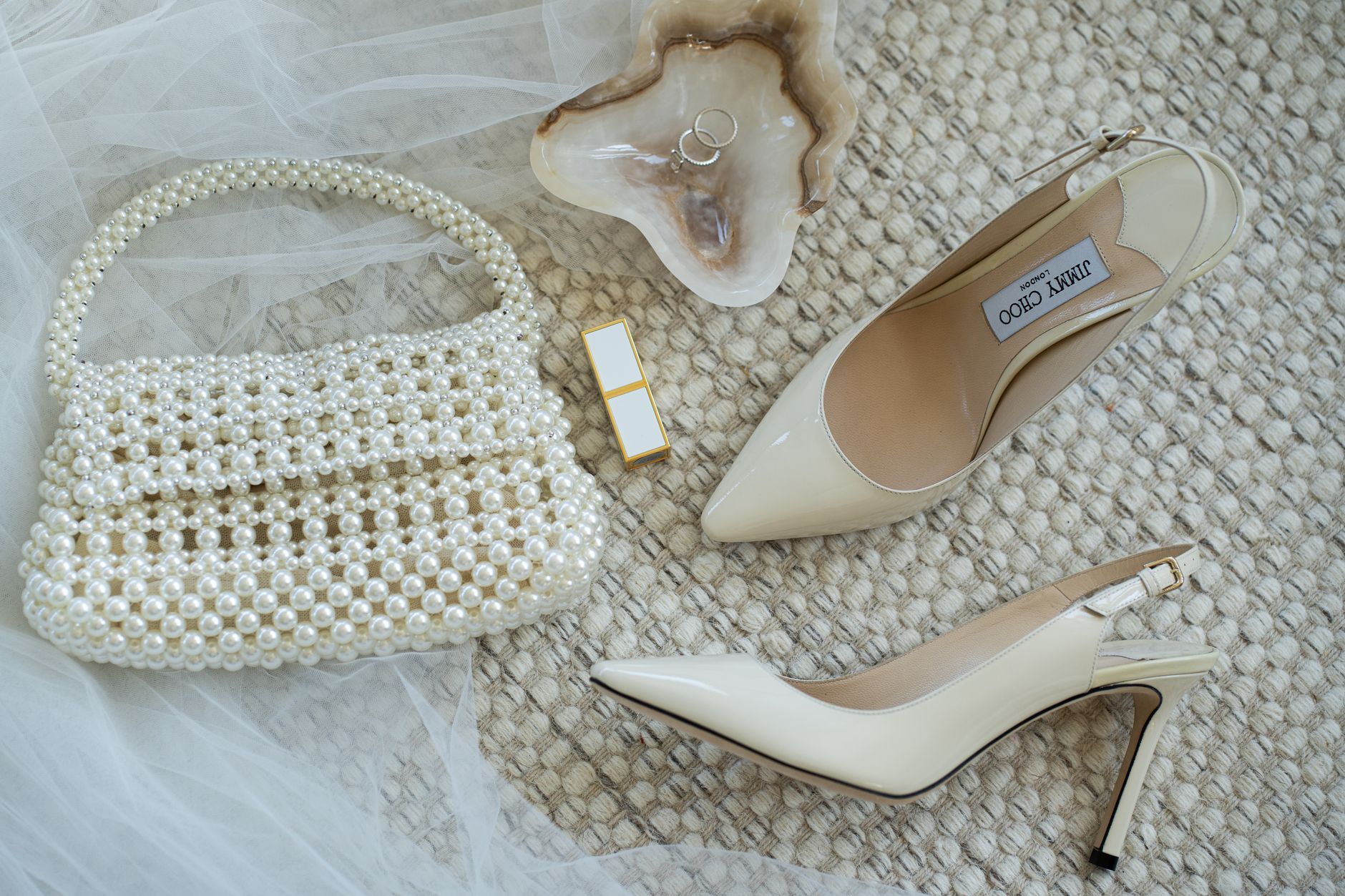
The appeal of the slingback pump in this particular moment comes down to proportion. As silhouettes in clothing have moved toward the tailored and the precise – think sharp-shouldered blazers, straight-leg trousers, and fitted column skirts – the strappy sandal has started to feel visually busy at the foot. The slingback, by contrast, gives a clean line from ankle to toe that reads as intentional rather than decorative.
There is also the question of wearability. A slingback pump with a modest block or kitten heel can carry someone from a morning meeting to an evening event without the physical toll that strappy heels often demand. The single back strap holds the foot securely without cutting across the ankle or requiring constant adjustment. That practical advantage is not lost on women who have spent years choosing between comfort and polish.
The Style Shift Happening Season by Season
If you track recent runway collections, the evidence is consistent. Slingbacks in pointed-toe silhouettes appeared across multiple ready-to-wear shows, styled with everything from structured suiting to fluid evening separates. The strappy heel was not absent, but its presence felt more occasional – chosen for a specific aesthetic purpose rather than used as the default dressy shoe.
Street style photography has told a similar story. The slingback pump, particularly in neutral tones like camel, bone, and black patent, has been appearing with increasing regularity on the kind of women whose outfits tend to circulate widely online. It pairs with the wide-leg denim and cropped blazer combination that has dominated casual-professional dressing for the past two years, and it does so more cleanly than most strappy options.
Colorways matter here too. The slingback lends itself to tonal dressing in a way that strappy styles often resist. A nude or blush slingback disappears at the foot, elongating the leg without drawing attention away from the rest of the outfit. Strappy heels, by design, add visual detail at the ankle – which works beautifully with certain looks but can disrupt a clean, monochromatic line.
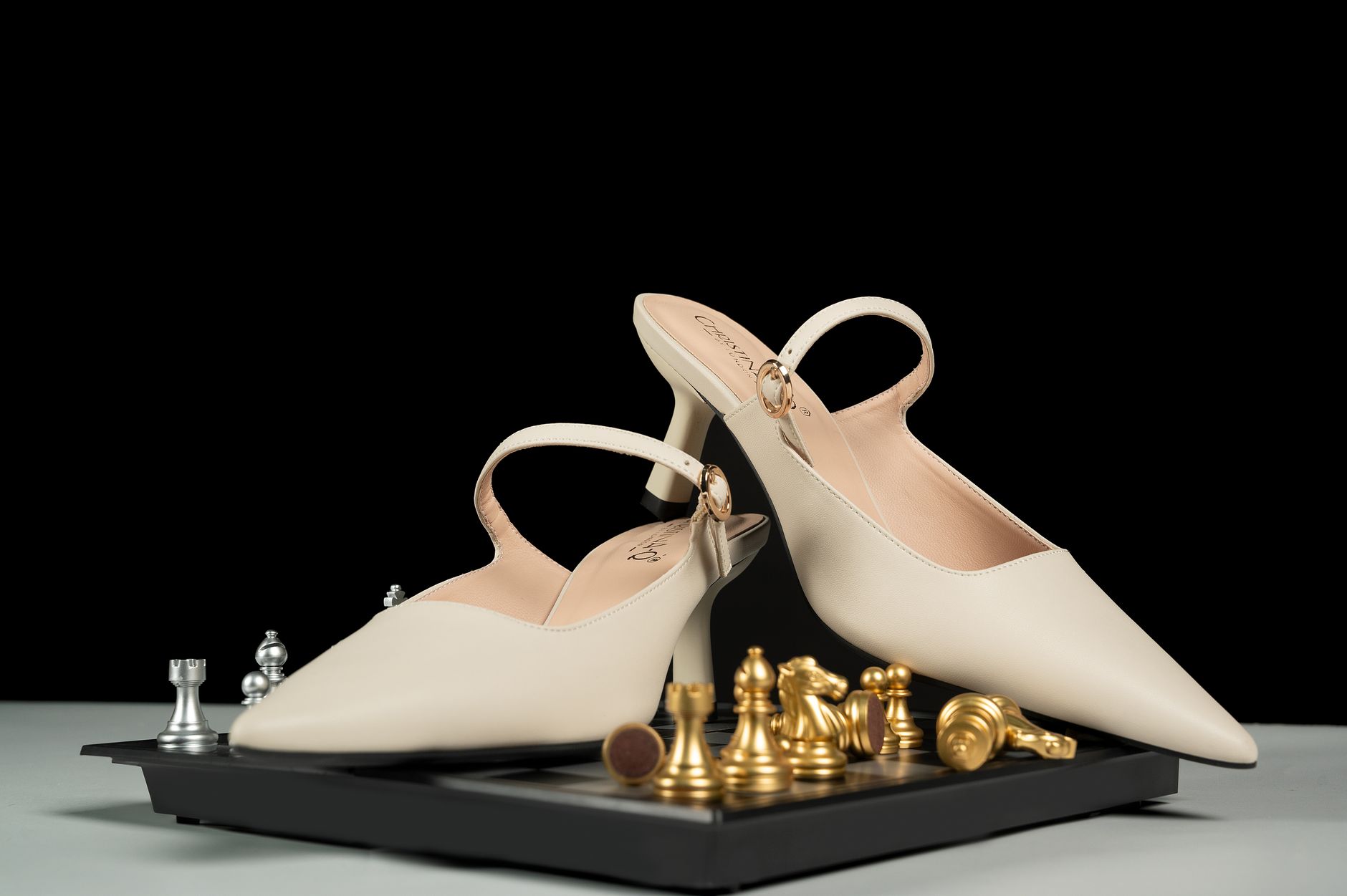
The kitten heel version of the slingback deserves its own mention. As kitten heel silhouettes continue to challenge flatter strappy alternatives, the slingback format has proven to be the shape that carries the low heel most elegantly. It sits at the intersection of retro reference and modern restraint, which is exactly the register that feels current right now.
What the Strappy Heel Still Does Better
To be fair, the strappy heel is not disappearing. It still owns certain occasions – outdoor weddings, beach resort evenings, anything where the dress is the kind of layered, textured confection that calls for a shoe with equal personality. The visual conversation between an elaborate gown and a delicate strappy sandal is one the slingback cannot always replicate.
There is also a youthfulness to the strappy heel that the slingback does not attempt. For a certain kind of night out – casual, festive, deliberately fun – multiple ankle straps and a barely-there sole read as effortless in a way that the pump format does not. The slingback carries a more composed energy, which is exactly why it is winning in office and daytime contexts but has not entirely claimed the weekend.
Where This Is Headed
The brands producing the most talked-about slingback styles right now tend to be those already associated with considered, minimal design. The shoe is appearing in capsule collections and season-defining pieces rather than trend-driven fast fashion assortments, which suggests that buyers and creative directors view it as a longer-term investment in the category rather than a seasonal experiment.
Pricing reinforces that positioning. Well-made slingback pumps from established footwear labels are holding their price points and, in some cases, maintaining waitlists – a signal that demand is not purely impulsive. Women are treating the style as a foundational wardrobe piece in the same way a quality loafer or a clean white sneaker might be considered essential.
What remains unresolved is whether the slingback’s current dominance in polished dressing will eventually push designers to take more creative risks with the silhouette itself. Right now, the most popular versions are relatively restrained – pointed toes, mid-height heels, minimal hardware. If the silhouette starts absorbing the embellishment and experimentation that characterized the strappy heel at its peak, the line between the two styles may blur more than either camp currently anticipates.
Frequently Asked Questions
Why is the slingback pump becoming more popular than strappy heels?
The slingback offers a cleaner leg line and greater wearability, making it a natural fit for tailored, minimal dressing styles that are currently dominant.
Can a slingback pump replace strappy heels for formal occasions?
For most work and daytime events, yes. For highly festive or resort occasions, strappy heels still hold their ground due to their decorative quality.