


The Quiet Shift Happening at Shoe Level
The derby shoe had a long, comfortable run as the go-to structured flat for anyone who wanted polish without effort. Lace-up, open-tab construction, clean silhouette – it became a wardrobe default for professionals, students, and anyone navigating the increasingly blurred line between office and street. But something has been shifting on runways, in showrooms, and on the streets of fashion-forward cities: the kitten heel Oxford is showing up more consistently, and the derby is quietly losing ground.
This is not a dramatic overthrow. It is the kind of slow, deliberate replacement that happens when a slightly more refined option becomes accessible enough to go mainstream. The kitten heel Oxford keeps the intellectual, borrowed-from-menswear energy of its flat counterparts, but adds just enough lift to change the entire posture of an outfit. That two-inch distinction is doing a lot of heavy lifting.
Why the Oxford, and Why Now
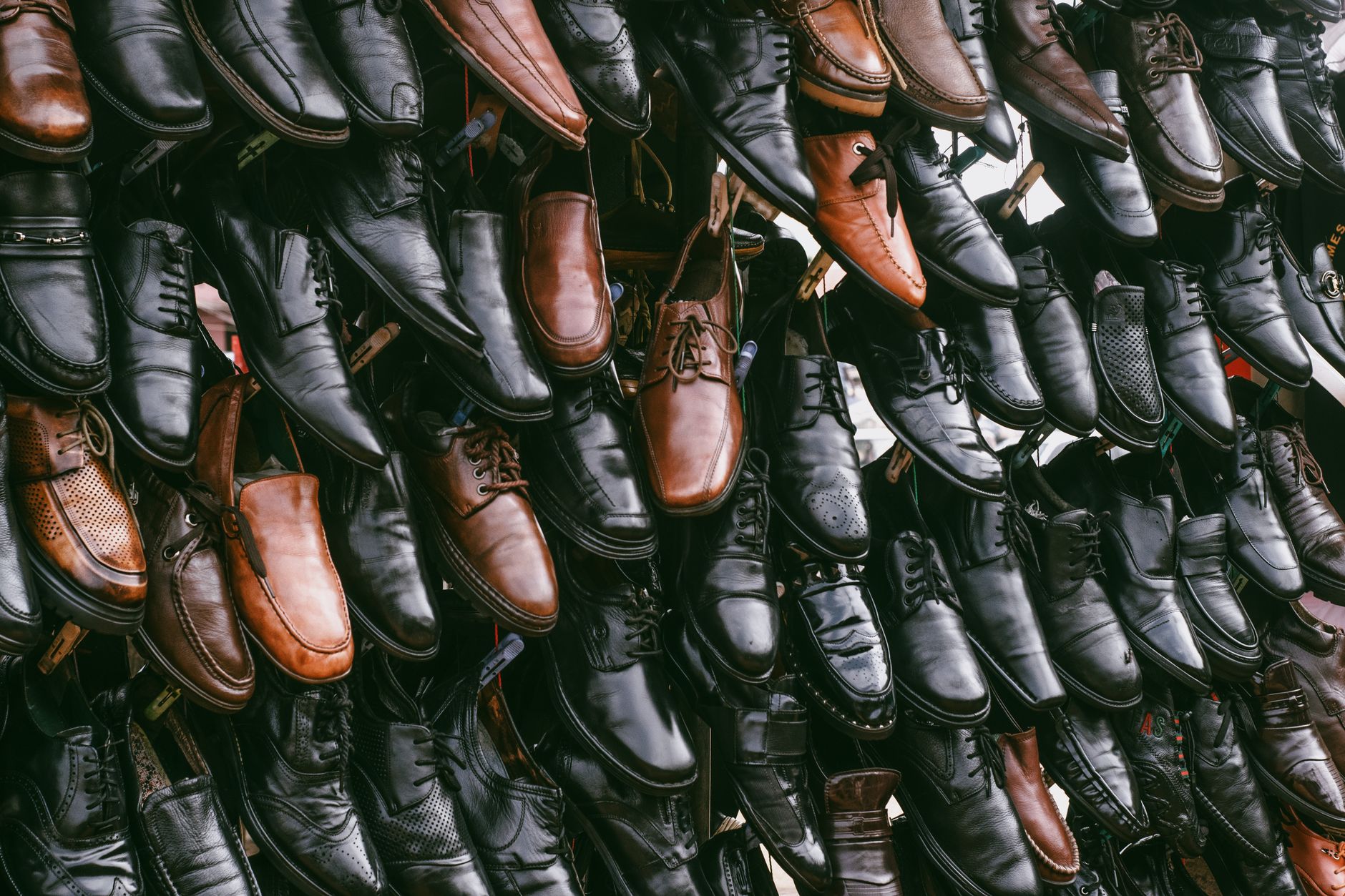
The Oxford – defined by its closed lacing system where the quarters stitch under the vamp – has always carried more formal weight than the derby. It reads as intentional in a way that the derby, with its relaxed open tab, does not. Adding a kitten heel to that construction leans into the formality without tipping into discomfort. The result is a shoe that works harder across more contexts than almost anything else in the current market.
Styling the kitten heel Oxford has become almost effortless because it sits at the intersection of multiple trends running simultaneously. Tailoring is everywhere – wide-leg trousers, boxy blazers, pleated skirts – and the Oxford’s structured toe and heel work with all of it without competing. It grounds an outfit the way a flat loafer might, but with a verticality that feels more dressed.
The shape also photographs well, which matters more than it probably should. On a wider trouser leg, the small heel and pointed or almond toe creates a clean break at the ankle that is visible and graphic. The derby, being flatter and rounder in most of its popular iterations, gets lost in that same silhouette. It disappears into the hem rather than anchoring it.

What the Derby Got Right, and Where It Fell Short
The derby earned its popularity honestly. It is comfortable, widely available at every price point, and inherently versatile. The open lacing construction also makes it more accommodating for different foot widths and instep heights, which gave it a functional edge over the Oxford for years. Brands from heritage shoemakers to fast fashion retailers stocked it as a core style because it moved reliably and required almost no education at the point of sale.
Where it started losing ground is in the styling gap between casual and dressed. The derby’s relaxed construction, while comfortable, reads as slightly unfinished next to the sharper tailoring that has dominated recent collections. When paired with wide-leg trousers or midi skirts – two silhouettes that have defined the past several seasons – the derby can feel underdressed. The kitten heel Oxford fills that gap without requiring the wearer to commit to a full heel.
The Kitten Heel’s Complicated Comeback
The kitten heel spent years dismissed as a compromise – too low to be a real heel, too elevated to be a flat, belonging fully to neither category. That in-between status, once a liability, is now the point. Dressing in 2024 and into 2025 has been defined by exactly this kind of deliberate ambiguity: not fully casual, not fully formal, but something considered and specific. The kitten heel Oxford captures that register better than most shoes currently in production.
It also helps that the silhouette carries a particular cultural reference weight. The kitten heel has associations with mid-century dressing, with European sophistication, with a kind of femininity that is precise rather than soft. Styling it on an Oxford – a shoe with strong menswear roots – creates a productive tension that feels current. It is wearing two opposing codes at once, and that kind of contradiction is exactly what contemporary dressing rewards.
Price accessibility has also played a role in the Oxford’s momentum. In previous years, a well-constructed kitten heel Oxford was primarily a luxury purchase – the kind of shoe that required a trip to a specialty retailer or a significant spend. That has changed. Mid-market brands and even fast fashion labels have introduced versions that maintain the silhouette’s key visual features at lower price points. When a trend becomes available across the market simultaneously, it tends to consolidate quickly.
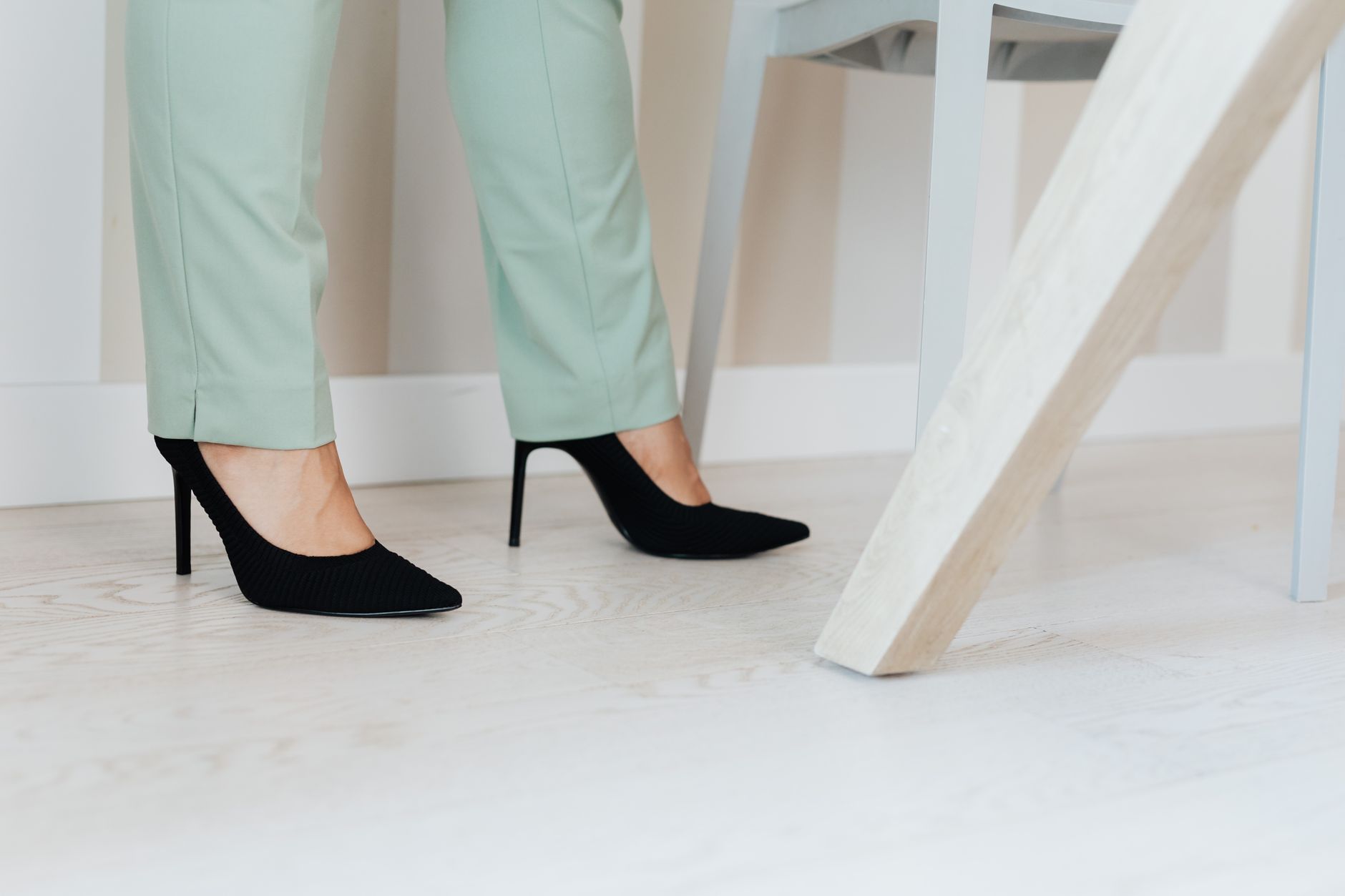
The kitten heel’s broader return across footwear categories suggests this is not an isolated Oxford moment but part of a wider recalibration around what elevated-but-wearable actually means. And within that recalibration, the structured Oxford format is winning because it offers exactly what this moment wants: clarity of shape, a nod to tradition, and just enough height to read as dressed without requiring a commitment to discomfort. The derby, for all its practicality, never quite delivered that. The question now is whether it adapts – a pointed-toe, slightly elevated derby exists and sells – or whether it cedes the dressed-flat category entirely to the Oxford and waits for casual minimalism to cycle back in its favor.