



The blazer has always been shorthand for authority – clean lapels, covered seams, a silhouette that signals you mean business. That logic is being quietly dismantled by a jacket that turns its construction inside out, literally.
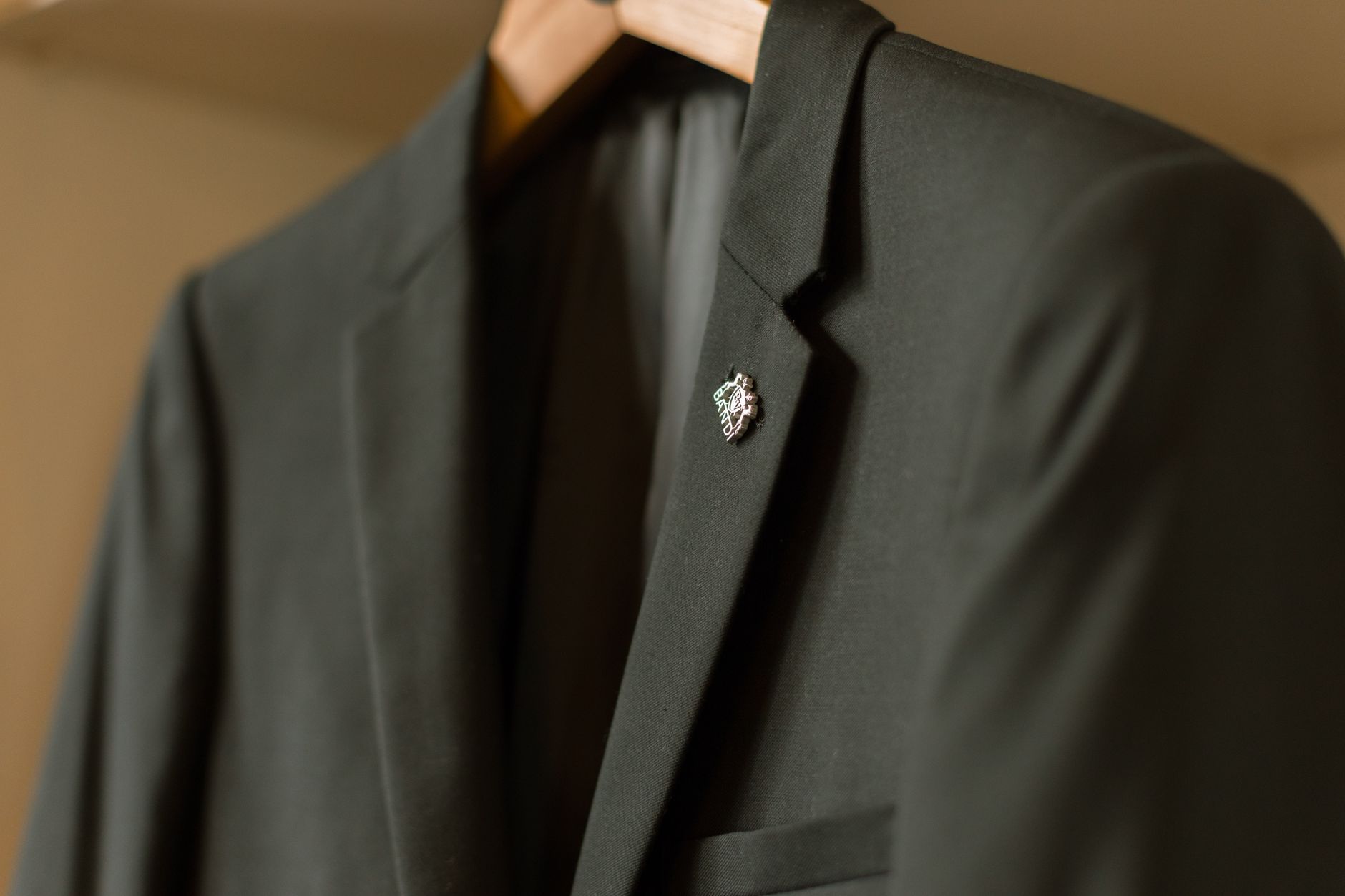
The Case for Showing Your Work
Exposed seam construction – where the raw edges, topstitching, and internal structure of a garment face outward rather than being hidden beneath a lining – has roots in workwear, tailoring schools, and the deconstructivist fashion movements of the 1980s and 90s. Designers like Martin Margiela built entire philosophies around refusing to conceal how clothes were made. What once read as a radical statement is now circulating through ready-to-wear at every price point, from independent labels to high street names experimenting with unlined, seam-forward blazer silhouettes.
The appeal is not purely aesthetic. A blazer with exposed seams is typically unlined, which makes it lighter, more packable, and far easier to move in than its structured counterpart. The seams themselves often become the decorative detail – contrast topstitching, raw edges left to fray slightly at the hem, visible interfacing at the collar. These are not mistakes or cost-cutting shortcuts. They are the point.
What makes this moment different from previous deconstructivist cycles is the pairing. Exposed seam blazers are showing up worn over bias-cut slip dresses, over wide-leg tailored trousers, over simple white T-shirts. They work because the rawness of the construction creates a tension with whatever they’re layered over. The blazer reads undone while everything beneath it reads precise, and that contradiction is exactly what makes an outfit feel intentional rather than accidental.
The polished, fully-lined jacket is not disappearing. Power dressing is not dead. But there is a growing appetite for a blazer that signals sophistication without formality – something that carries the structural authority of a jacket while rejecting the stuffiness that often comes with it.
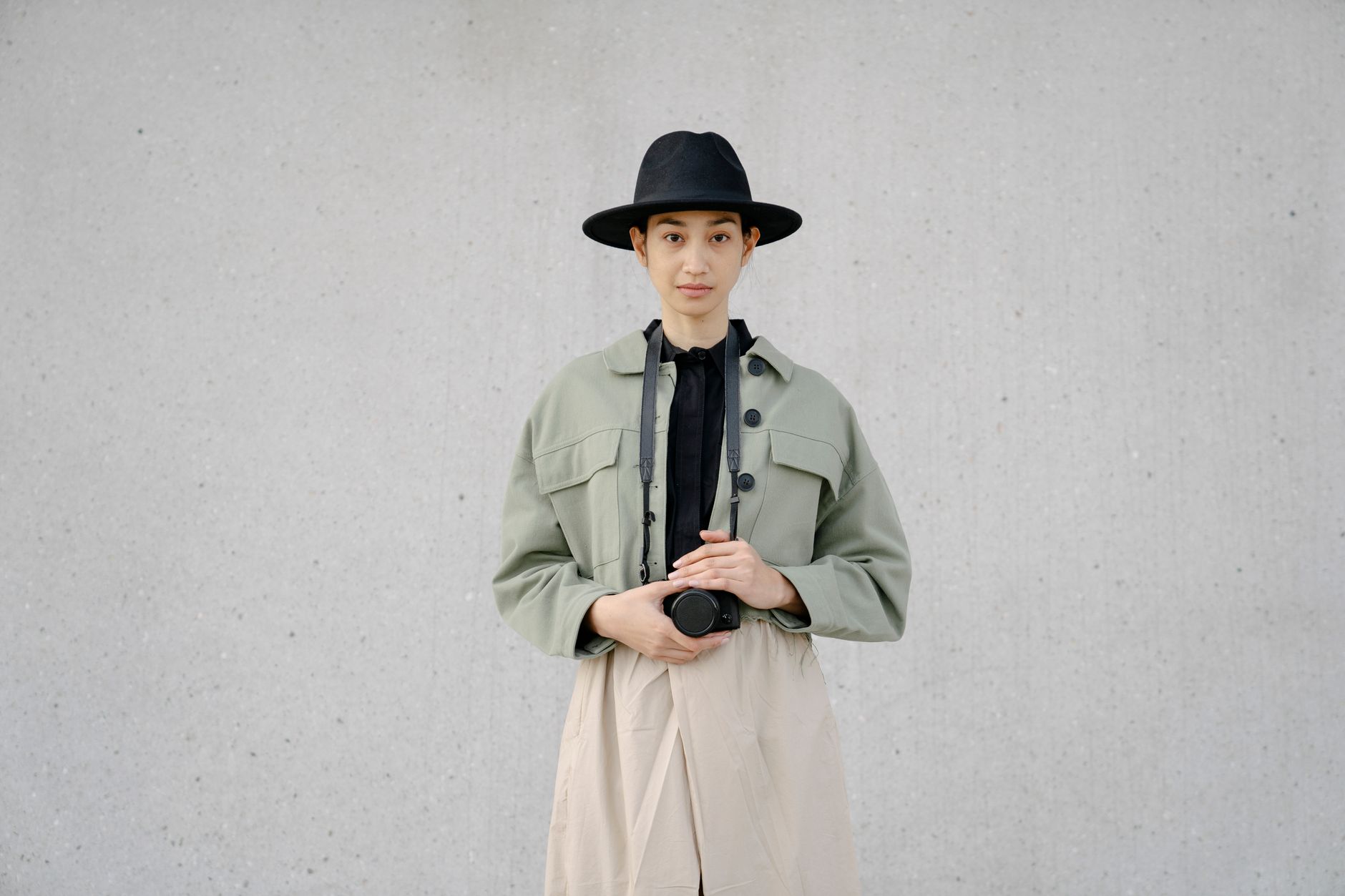
Why This Works Beyond the Runway
The exposed seam blazer translates better into everyday dressing than most runway-adjacent trends because it does not require a wholesale outfit rethink. You can pull one over what you were already going to wear and the exposed seams do the work of elevating the look without demanding coordination. That ease is a large part of why the style is gaining traction outside of fashion capitals and finding its way into offices, dinners, and weekend wardrobes.
Fabric choice matters enormously here. The styles gaining the most traction tend to use materials that hold structure without rigidity – heavy linen, raw silk, boiled wool, textured cotton blends. These fabrics work with exposed seam construction because the edges behave rather than unravel uncontrollably, and because the texture of the fabric itself becomes part of the visual language. A flimsy fabric with exposed seams reads unfinished in the wrong way. A substantial one reads deliberate.
Color plays into this too. Neutral tones – ecru, stone, charcoal, a washed black – dominate because they let the construction details read clearly without competing with pattern or print. When a seam is the focal point, it needs space to breathe. Some labels are pushing into terracotta, deep olive, and navy, but the most wearable iterations tend to sit in that quiet, tonal range that allows the jacket to function as a wardrobe foundation rather than a statement piece.
Fit is where the exposed seam blazer departs most clearly from traditional tailoring. These are not slim-cut or sharply padded. The silhouette tends toward the relaxed – slightly dropped shoulders, a longer hem that grazes the hip, minimal darting at the waist. This is a jacket that does not try to reshape the body beneath it. The structure comes from the seams themselves, not from internal padding or shaping. That restraint is part of the appeal for a consumer who has grown tired of clothes that feel like costumes.
The styling that keeps appearing, across editorials and street style alike, pairs the exposed seam blazer with something deliberately simple underneath – a fitted ribbed tank, a straight-leg trouser in a complementary tone, flat leather loafers or pointed-toe mules. This is not a jacket asking to be the loud centerpiece of an outfit. It works by being the most interesting quiet thing in the room. That sensibility connects to the same instinct driving interest in sheer layering pieces that replace the expected wardrobe classic – the desire for texture and intention over polish and predictability.

The Wardrobe Math
What makes the exposed seam blazer a practical investment rather than a seasonal novelty is its versatility across dress codes that no longer have hard edges. The collapse of strict office attire, the rise of dinner occasions that are neither casual nor black-tie, and the general blurring of when and where certain clothes are appropriate – all of this creates room for a jacket that resists categorization. It is dressed-up enough for a client meeting and relaxed enough for a weekend gallery visit, without making any apologies in either direction.
The question worth sitting with is whether the exposed seam blazer becomes as durable a wardrobe staple as the classic lined jacket, or whether its appeal depends on the novelty of seeing construction made visible. Once exposed seams are everywhere, do they stop being interesting? The polished jacket survived decades by committing entirely to concealment. The exposed seam blazer is betting that honesty about how something is made is more interesting than hiding it – and right now, that bet looks like it is paying off.