


Wide-leg jeans have had an extraordinary run. For the better part of four years, they dominated the fashion conversation – appearing on runways, filling store floors, and becoming the default off-duty choice for anyone who wanted to look current without trying too hard. But something is shifting on the streets of Paris, Milan, and New York, and it has nothing to do with skinny jeans making a comeback.
The pleated trouser is moving in. Not aggressively, not with the fanfare of a declared trend, but with the quiet confidence of something that was always there and simply waited. Style-conscious dressers who once reached automatically for their wide-leg denim are now pulling on high-waisted, front-pleated trousers in wool, cotton, and technical fabrics – and finding they don’t miss the jeans at all.
Why the Wide-Leg Jean Is Losing Its Grip
The wide-leg jean succeeded partly because it offered a silhouette correction – volume at the hem balanced slouchy tops and created the illusion of height. It was forgiving, relaxed, and required almost no styling effort. For a period when “effortless” was the dominant fashion value, that was enough.
The problem with any silhouette that reaches saturation is that it stops reading as a choice. When every person on every street corner is wearing the same trouser shape in indigo denim, the garment loses its visual interest. Fashion moves on not because the clothes become unflattering but because they become invisible. Wide-leg jeans didn’t fail – they just stopped surprising anyone.
There is also a texture fatigue at play. Denim, as a fabric, communicates a specific register: casual, American, democratic. That register suited the mood of a few years ago, when dressed-down aesthetics ruled. The appetite now is for something slightly more considered – fabrics with drape, structure, and a hint of formality that doesn’t tip into stiffness. Pleated trousers answer that without requiring anyone to wear a suit.
The Pleated Trouser’s Particular Appeal
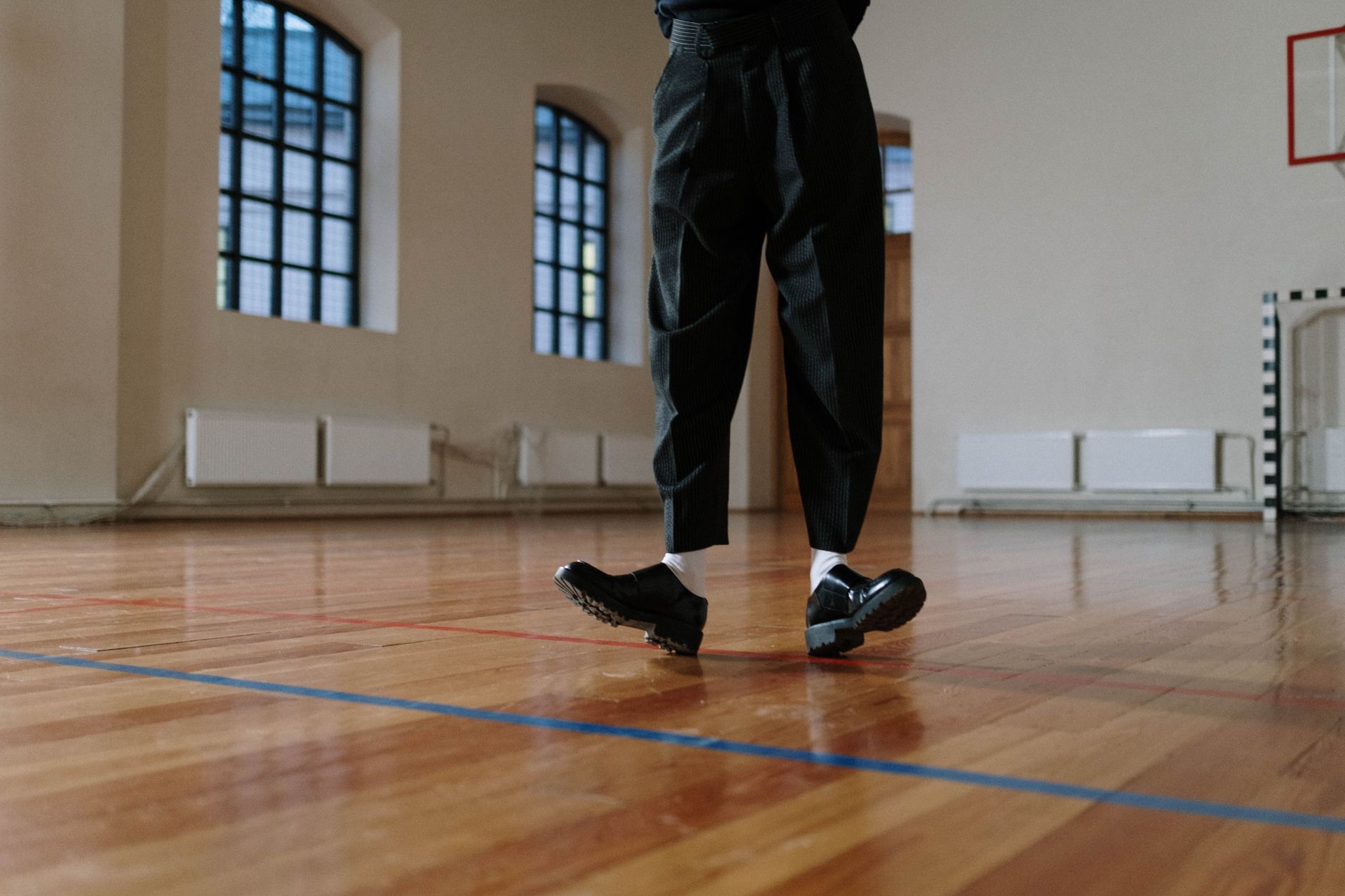
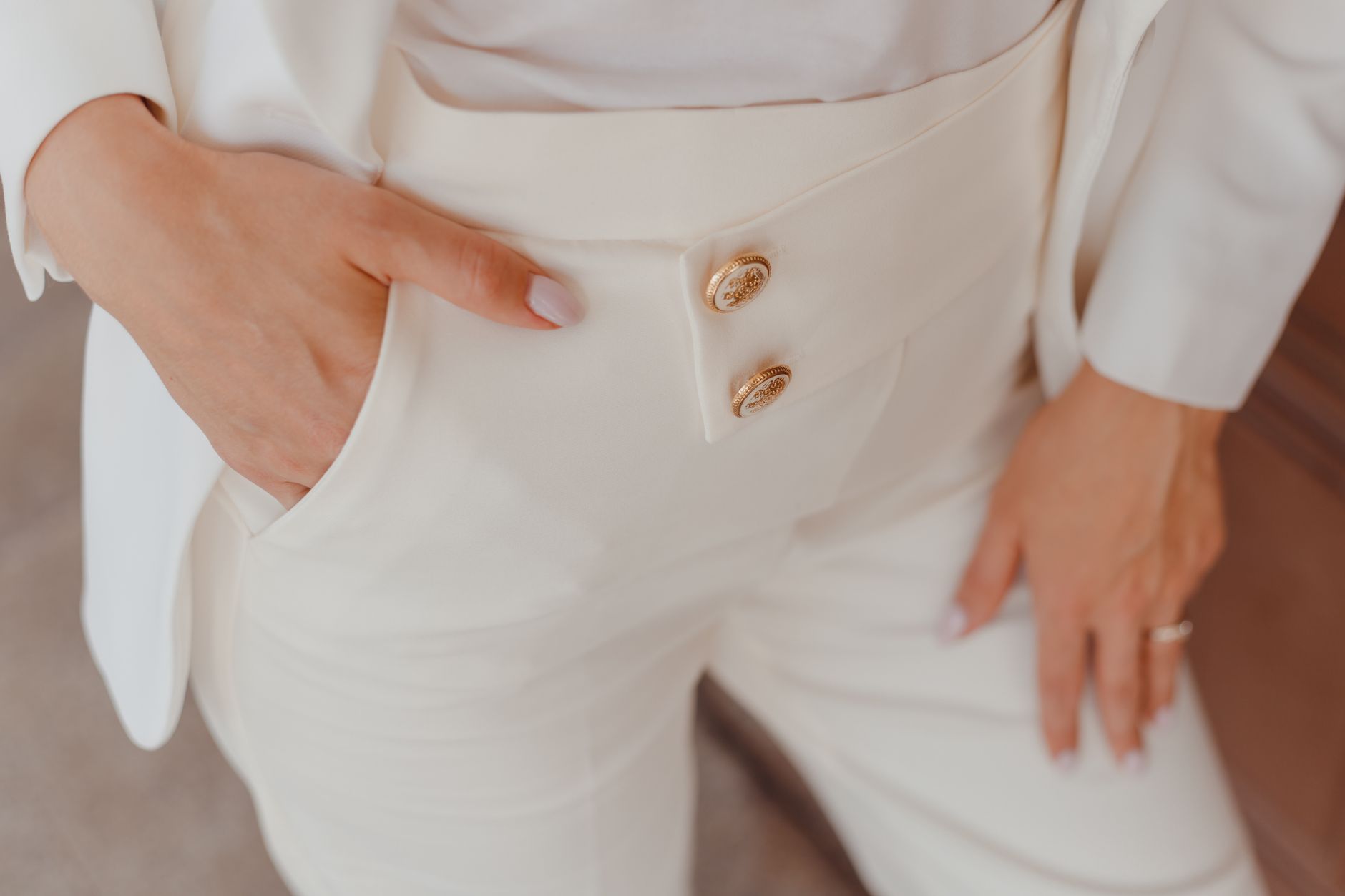
What makes the pleated trouser feel right for this moment is the way it holds two contradictions at once: it is structured but relaxed, tailored but not corporate. The pleat itself – that fold of fabric at the waistband – creates volume that flows naturally with movement, giving a similarly generous silhouette to the wide-leg jean while communicating something more intentional. You don’t fall into a pleated trouser the way you can fall into jeans. Putting one on requires a small decision, and that decision shows.
The styling math is also simpler than it looks. Pleated trousers work with the same oversized shirts and fitted knits that already populate most wardrobes. They pair naturally with loafers, mules, and – for those tracking the parallel shift in footwear – the kind of low-heeled boot that has been quietly replacing the ankle boot in fashion-forward closets. The trouser does not demand a new wardrobe. It asks only to replace the denim.
How the Shift Is Playing Out
The trouser’s re-entry is visible at multiple levels of the market. At the high end, houses that have long championed tailoring – think of the relaxed suiting traditions of Italian menswear translated into womenswear – are seeing stronger sell-through on pleated styles than in previous seasons. At the contemporary level, brands that built their identity on denim are now quietly expanding their trousers category, offering pleated styles in neutral wool blends and lightweight technical fabrics that retail at accessible price points.
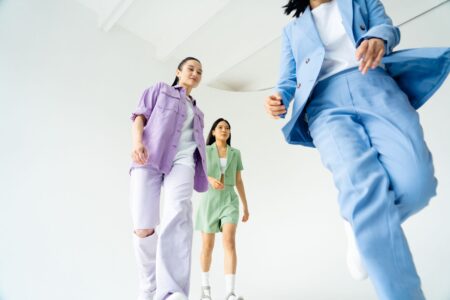
Street style documentation from recent fashion weeks showed a noticeable drop in wide-leg denim and a corresponding uptick in pleated styles worn in unexpected combinations: with graphic tees, with oversized blazers worn as coats, with simple tank tops and statement shoes. The combination reads as more put-together than jeans would in the same context, without sliding into the territory of “trying too hard” – the perennial risk with anything that approaches formal.
The demographic driving the change skews toward women in their late twenties and thirties who have been wearing wide-leg denim for years and are ready for something that signals a shift in taste without requiring them to overhaul how they dress. The pleated trouser offers exactly that: a single-garment update that changes the entire register of an outfit. It is the kind of fashion move that looks instinctive rather than trend-driven, which is precisely why it’s gaining ground.
Menswear has always understood this. The pleated trouser never really left men’s tailoring; it was simply waiting for womenswear to catch up. Designers like Lemaire, whose approach to relaxed but precise dressing has influenced how an entire generation thinks about elevated basics, have consistently offered pleated styles that straddle the line between casual and formal. The women buying those trousers now are not replacing casual clothes with formal ones – they are replacing one casual silhouette with a slightly more refined version of the same idea.
Wide-leg jeans will not disappear overnight. They are too embedded in the contemporary wardrobe for that, and denim’s fundamental practicality ensures it never fully exits the picture. But the pleated trouser has already done the hardest part of any fashion shift: it has made itself feel necessary to people who weren’t looking for it. Once a garment achieves that, the market follows. The question now is which fabrications and colors define the next phase – whether the trouser stays in its current neutrals and earth tones or pushes into the brighter, more confident palette that tailoring historically favors when it’s feeling its influence most strongly.