



The trench coat has held its place as the default outer layer for decades – structured, belted, reliably polished. But something is shifting in how people actually dress when they leave the house. The oversized shirt jacket, that relaxed hybrid sitting somewhere between a heavyweight flannel and a slouchy blazer, is showing up with increasing frequency on the kind of people who used to reach for a trench without thinking.
It is not a loud takeover. There are no red carpet moments declaring the shirt jacket the new outerwear standard. The shift is happening in the way most real fashion changes do – quietly, through accumulated choices made by people who stopped needing a reason to look slightly underdone.
The trench coat is not going anywhere. But it is, for the first time in a long while, being passed over.
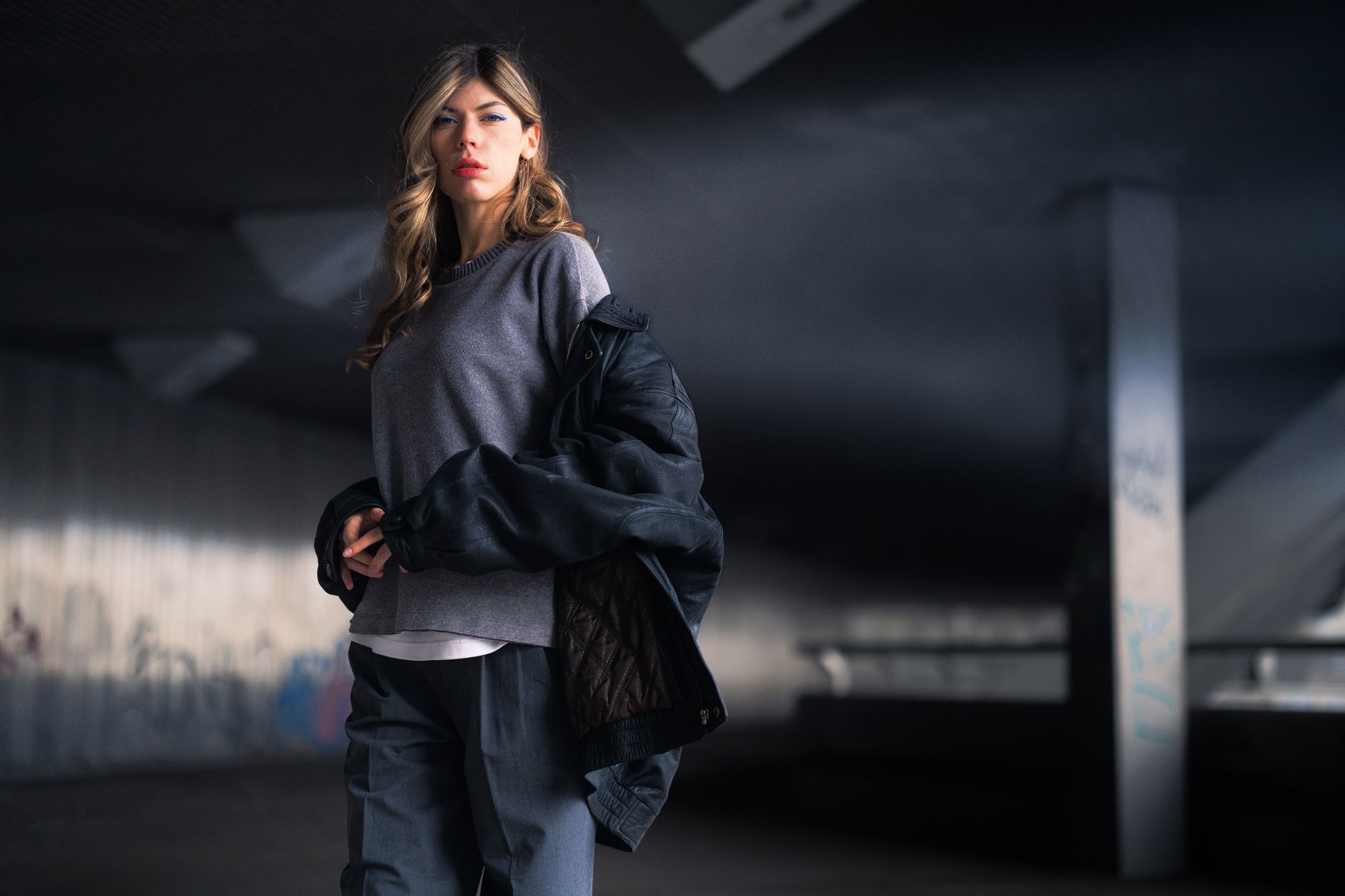
Why the Shirt Jacket Works Where the Trench Doesn’t
The trench coat asks something of the person wearing it. It has a silhouette that implies intention – a belt to tie, a collar to position, a formality that doesn’t disappear just because the fabric is weathered. That structure was once the point. Now, for a growing number of dressers, it reads as effort they are no longer interested in performing.
The oversized shirt jacket operates without those demands. Worn open over a white tee and straight-leg trousers, it functions as a layer with no agenda. It does not taper the waist or square the shoulders. It does not signal that the wearer studied the dress code. That absence of visible effort is precisely what makes it feel current – the same logic driving the preference for exposed seam blazers over their polished counterparts. The rougher, looser version wins because it looks chosen rather than assembled.
Fabric plays a significant role here. Shirt jackets arrive in textures that trench coats rarely attempt – heavy brushed cotton, washed canvas, textured wool flannel, overshirt-weight denim. These materials soften with wear rather than stiffening with age, which gives the garment a lived-in quality that functions as its own kind of style credential. A trench coat that looks worn just looks old. A shirt jacket that looks worn looks right.
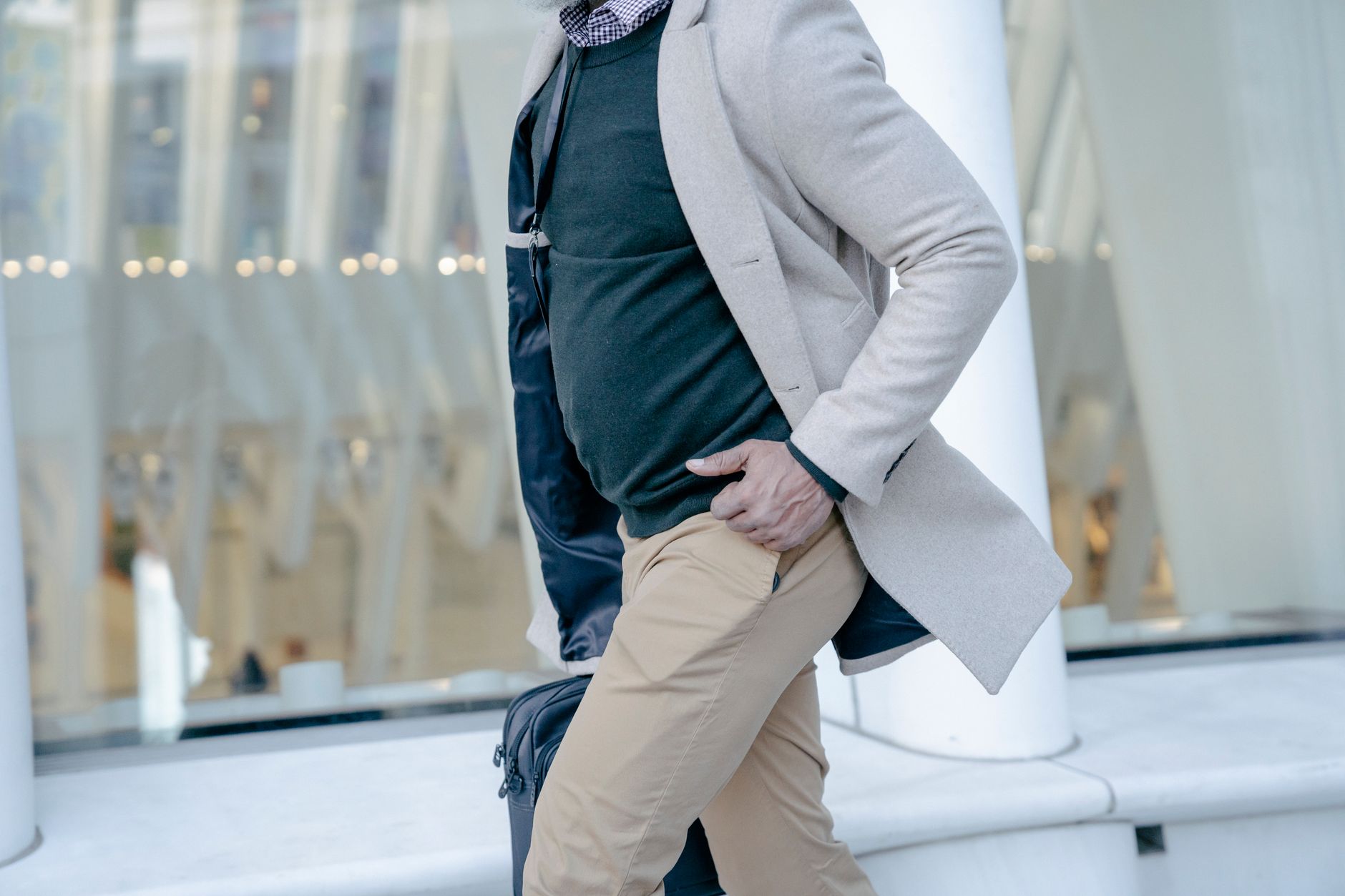
How It Gets Worn – and Who Is Wearing It
The styling range of the shirt jacket is wider than its casual reputation suggests. It closes the gap between dressed-up and dressed-down without requiring a conscious decision about which side to land on. Buttoned over a slip dress with loafers, it reads as intentional and put-together. Left open over a graphic tee and wide-leg jeans, it is entirely relaxed. The same garment covers both registers, which is a practical advantage that few outerwear options match.
Color is another factor working in its favor. Shirt jackets tend to arrive in the kind of tones that function as neutrals without being boring – slate, sand, tobacco, washed olive, faded burgundy. These are colors that work with almost any existing wardrobe, which lowers the barrier to adoption. The trench, by contrast, typically comes in camel or navy, and while those are genuinely timeless options, they carry a specific visual language that some dressers find limiting.
Proportions tell the rest of the story. The oversized fit works with the baggier trouser shapes that have been gaining ground for several seasons. A trench coat, especially a belted one, fights that silhouette – it tries to impose a waist where the rest of the outfit is deliberately avoiding one. The shirt jacket just agrees with what is already happening below it. That compatibility with current trouser trends alone explains a significant portion of its momentum.

The Quiet Case Against the Trench
None of this means the trench coat has become unfashionable. It remains a strong option for anyone who wants polish, structure, or the particular authority a well-cut belted coat communicates in a professional setting. But the cultural moment is not favoring that kind of authority right now. The aesthetic driving mainstream fashion interest is about ease, texture, and a certain deliberate casualness – and the trench coat, at its core, is not a casual garment.
The shirt jacket also carries fewer associations. The trench coat comes loaded with references – Humphrey Bogart, British prep, the detective archetype, the fashion week street style shot. Those associations are part of its appeal for some wearers and exactly what makes others avoid it. The shirt jacket arrives without that baggage. It has no iconic film moment, no single defining image. It is just a large, comfortable layer with good proportions and versatile fabric, which turns out to be enough.
What will be worth watching is whether the shirt jacket holds its ground once the brands that manufacture consensus catch up with the trend. Right now, its appeal is partly rooted in the fact that it still feels like a personal discovery rather than a market directive. The moment it starts appearing on every retailer’s homepage under a banner that reads “the new outerwear essential,” some of its current energy will drain out of it – and the trench coat, patient and permanent, will still be there.