


The Quiet Shift Happening at Shoe Level
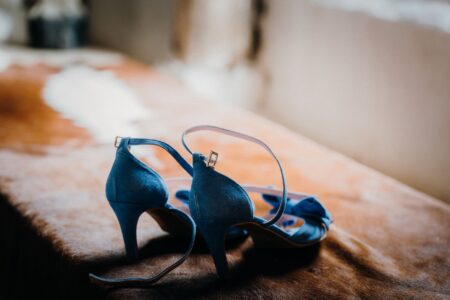
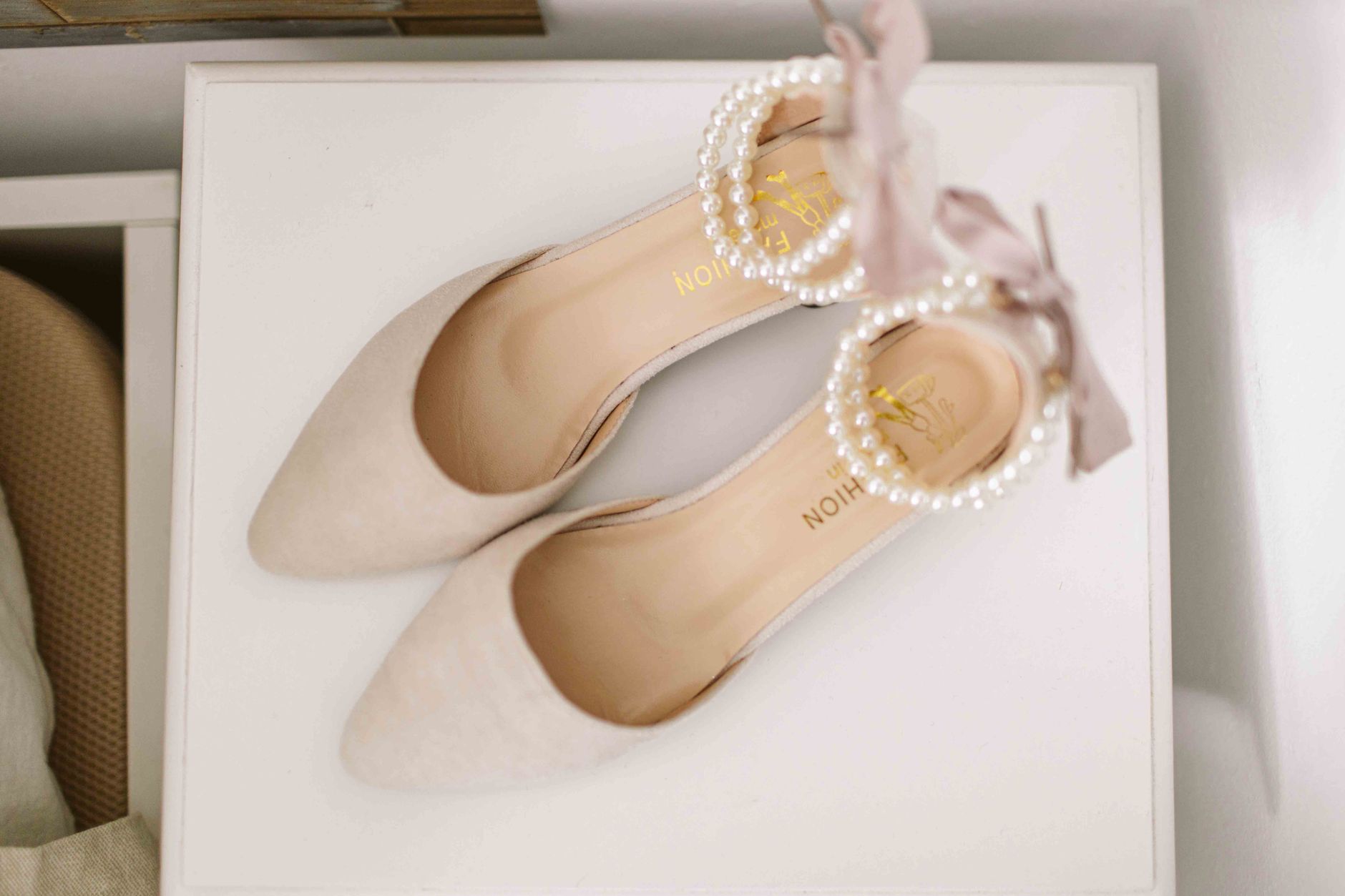
The embellished mule had a long run. Crystal buckles, feathered trim, jeweled toe straps – for several seasons, the flashier the slide, the better. Shoe designers competed to out-ornament each other, and fashion editors obliged by treating footwear as the centerpiece of an outfit rather than its foundation. That era is not over, exactly, but something is quietly pulling focus away from it.
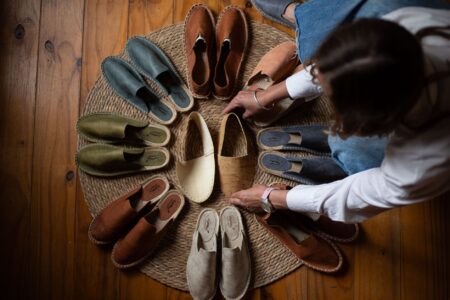
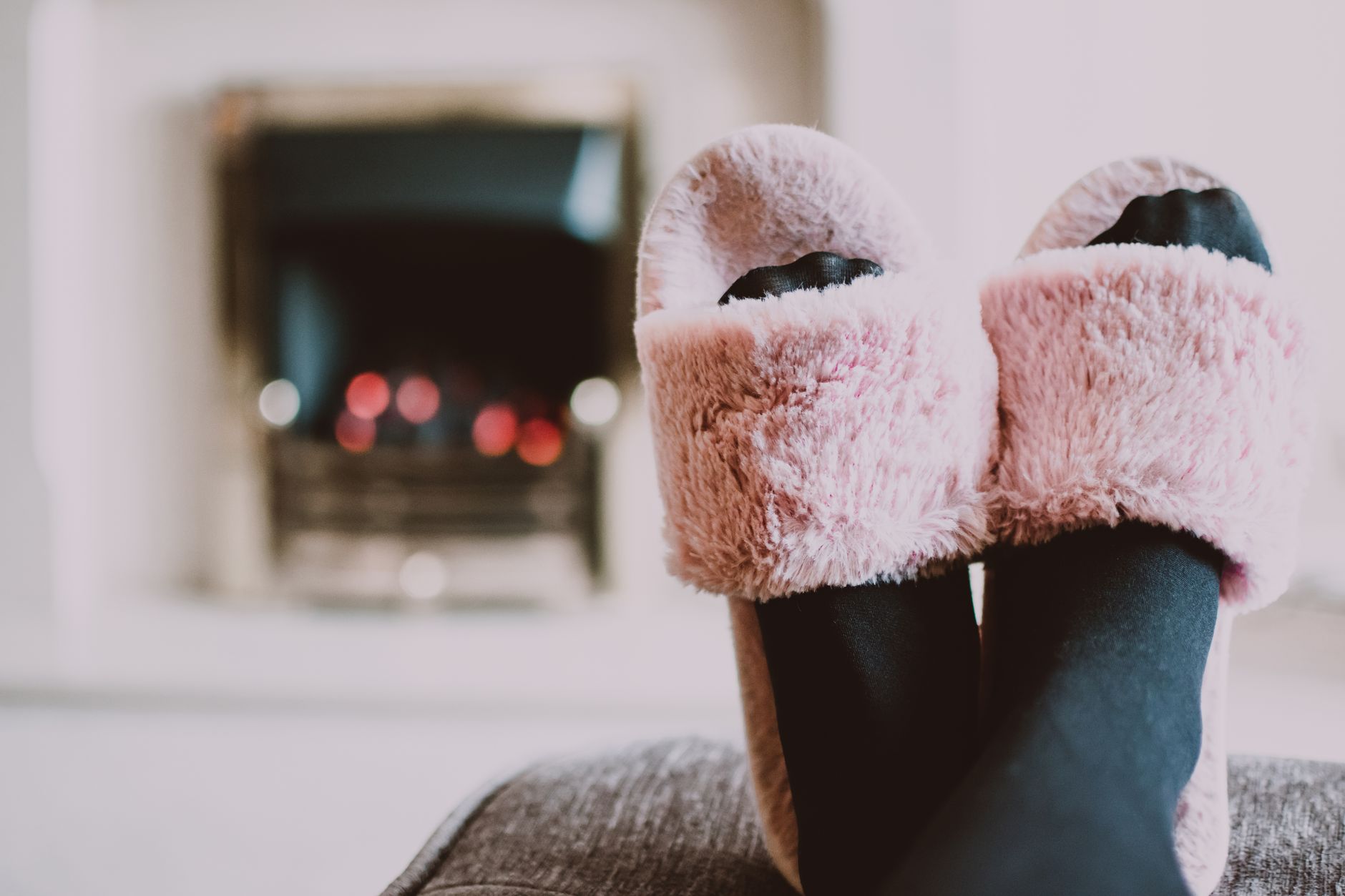
The draped slipper – a deceptively simple silhouette defined by soft, folded fabric at the toe, a low or flat profile, and a deliberately undone quality – is appearing on runways, in street style photography, and in the wardrobes of women who previously would have reached for something shinier.
It does not announce itself.
Why the Drape Is Winning
The appeal of the draped slipper is rooted in its relationship to ease. Where the embellished mule communicates effort – someone made a decision, they assembled an outfit, they chose the crystal version – the draped slipper reads as instinctive. It looks like something you pulled on because it was the right shoe, not because you deliberated over it. That effortlessness is doing a lot of work right now, particularly as the broader fashion mood moves away from maximalism and toward something quieter and more considered.
Fabric is central to why this silhouette feels different from its predecessors. The drape is typically executed in satin, silk, or a similarly liquid material that catches light without screaming for attention. The fold at the vamp – sometimes structured, sometimes loose and almost haphazard – creates visual interest through construction rather than decoration. There are no additions, no hardware, no embellishments glued on after the fact. The shoe’s personality comes entirely from how the material behaves, which gives it an inherently elevated quality that is difficult to fake at lower price points.
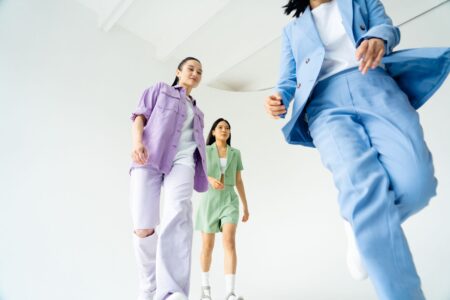
This is also why the draped slipper tends to pair so naturally with tailored pieces. A wide-leg trouser, a column skirt, a relaxed blazer worn as a top – all of these silhouettes benefit from a shoe that closes the look without competing with it. The embellished mule often required its surrounding outfit to be dialed back to give the shoe room to breathe. The draped slipper works in reverse: it elevates whatever is around it without demanding the floor.
The Runway Logic and the Street Reality
Designers working in the luxury space have been exploring draped footwear for a few seasons now, with the silhouette appearing in collections focused on what might be called relaxed formality – clothes that read as dressed-up but feel like a second skin. The slipper format, with its closed or barely-there back, carries an inherent casualness that the shoe’s fabric finish then elevates into something that works across contexts. It is the same instinct driving the wider trend toward quiet accessories – the kind of piece that signals taste without broadcasting it. This overlaps with the sensibility behind the slim scarf edging out the statement necklace: decoration is not disappearing, it is just becoming less insistent.
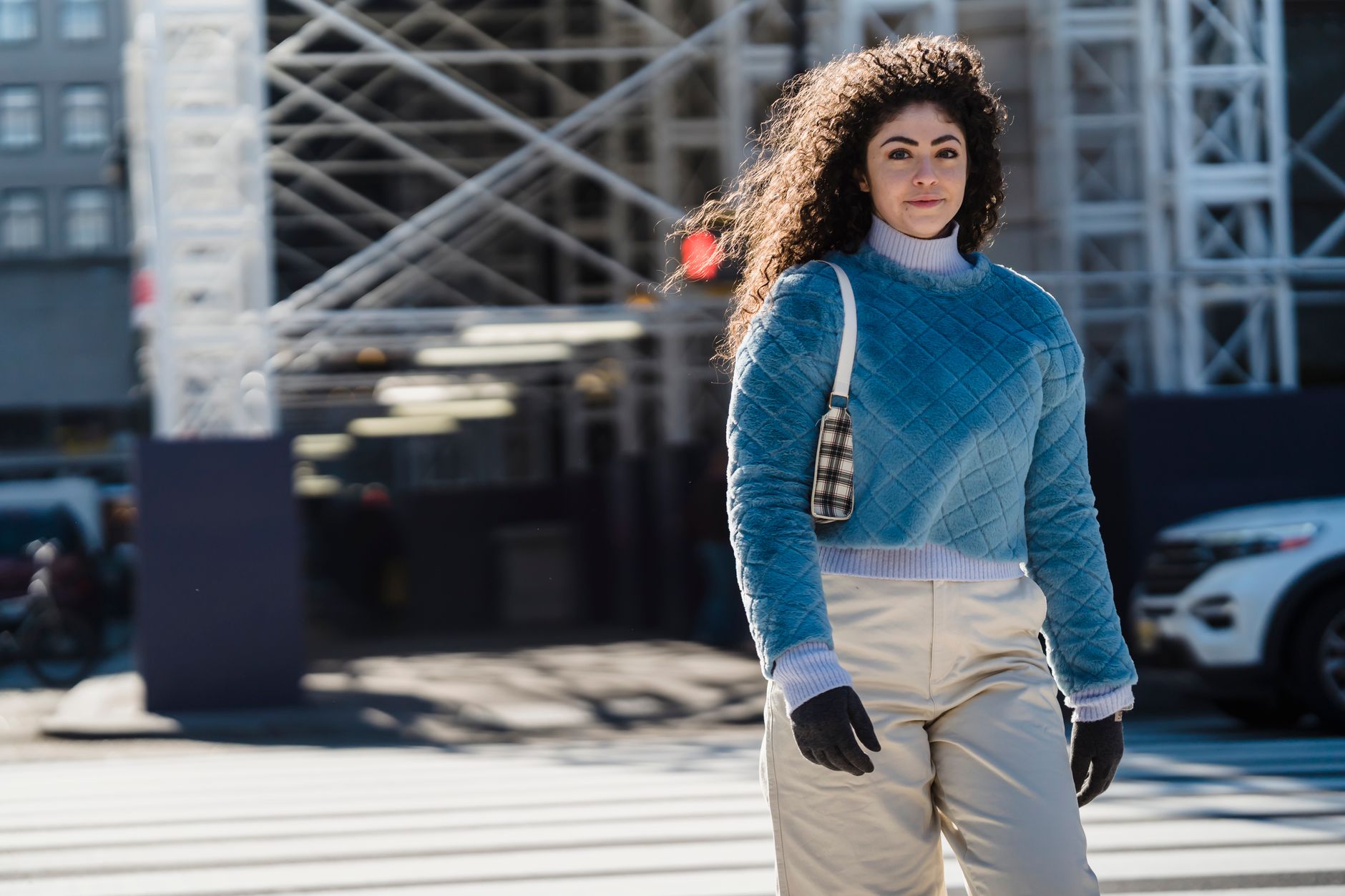
On the street, the draped slipper is gaining ground across a wider age range than the embellished mule ever managed to hold. The mule at its peak was very much associated with a particular kind of dressed-up evening aesthetic – cocktail parties, dinners, occasions where heels were expected but a full shoe felt like too much. The draped slipper has no such occasion specificity. It appears at gallery openings and on afternoon coffee runs with equal credibility, and that versatility is a major part of its momentum.
It is also worth considering what has happened to the consumer’s tolerance for impracticality. The embellished mule could be precarious – crystal details caught on things, feathers shed, metallic finishes scratched. Maintenance was part of the implicit contract. The draped slipper asks for far less while delivering a comparable visual statement, and in a market where people are thinking harder about what they actually wear versus what they buy and shelve, that equation matters.
The Accessory Choice That Changes an Entire Outfit
What makes the draped slipper’s rise interesting is not that it is a radical new invention – fabric slippers have existed in various forms across decades and cultures – but that it has arrived at precisely the moment when fashion is reexamining what it means for a shoe to be special. Ornament used to answer that question automatically: add crystals, add a bow, add something that catches light. The draped slipper offers a different answer, one built on material quality and cut rather than applied decoration. Whether that answer holds for another two seasons or becomes a permanent fixture in the elevated casual wardrobe is the question the mule’s devotees are now quietly asking themselves.