


The Fabric Shift Happening in Plain Sight
Walk through any well-dressed city this season – Milan, Copenhagen, New York’s Soho – and a pattern emerges. The crisp white cotton button-down, that decades-long wardrobe staple, is increasingly sharing rack space with its softer, more textured rival. The linen shirt has stopped being a resort-only consideration and started showing up in contexts that once belonged exclusively to cotton: board-adjacent meetings, dinner reservations, weekend street style that actually looks intentional.
This is not a seasonal fad driven by a single runway moment. The shift is slower and more structural than that – rooted in how people now want to feel in their clothes, not just how they want to look. Comfort, breathability, and a certain studied ease have become the new markers of dressing well, and linen, more than almost any other fabric, delivers all three without requiring much effort from the wearer.

Why Linen Is Winning on Practicality Alone
Cotton button-downs have one persistent problem: they perform best when they are pristinely pressed, and they stop performing the moment they are not. A cotton shirt crumpled from a commute reads as neglected. A linen shirt with similar wrinkle texture reads as deliberate. That is an enormous practical advantage, and once you understand it, the math becomes obvious. Linen essentially absorbs the human tendency toward slight dishevelment and reframes it as aesthetic.
There is also the temperature question, which is no small thing in a warming world where air-conditioned offices and outdoor heat create a constant thermal whiplash. Linen’s hollow fibers allow air to circulate against the skin in a way cotton weave simply cannot replicate at the same weight. A medium-weight linen shirt worn into a July afternoon will outperform a comparable cotton oxford every time, and the person wearing it will look like they planned that comfort rather than stumbled into it. That combination – functional superiority wrapped in stylistic plausibility – is exactly what slow-burn fashion trends are built on.
The Style Case: Texture as the New Status Signal
Fashion has been quietly devaluing smoothness for several seasons now. The obsession with a perfectly laundered, wrinkle-free surface – long coded as polish and professionalism – has given way to an appreciation for materials that show their own character. Linen does this better than almost any woven fabric: it has a visible grain, a slight slub, a way of catching light differently depending on how it drapes. Wearing it signals that you are comfortable with imperfection, which is currently a more interesting statement than signaling that you ironed something.
Color also behaves differently in linen. Dye settles into the fiber with a slightly faded, organic quality that makes even saturated shades look considered rather than loud. A cobalt blue linen shirt does not read the same way a cobalt blue cotton shirt does. The former looks curated; the latter can veer toward synthetic brightness. This tonal quality has made linen particularly attractive to the quieter end of the fashion spectrum – the same consumer gravitating toward understated accessories and investment-minded wardrobe building rather than trend-chasing.
The silhouette conversation matters here too. Linen’s natural drape tends to produce a slightly more relaxed fit even in tailored cuts, which aligns with where menswear and womenswear have both been moving: away from the constricted, close-to-the-body proportions of the 2010s and toward shapes with a little more air in them. A linen shirt tucked into wide-leg trousers or worn open over a simple tank reads as intentionally modern in a way that a fitted cotton poplin struggles to achieve right now.
What is particularly telling is how linen is being styled beyond the obvious warm-weather contexts. Designers are pairing linen shirts with tailored wool trousers for transitional dressing, layering them under lightweight knitwear in cooler months, and treating them as the foundation of year-round wardrobe architecture rather than a warm-weather seasonal swap. The cotton button-down, by contrast, is increasingly trapped in its own formality – useful for certain occasions, but less adaptable across the broader range of how people actually dress their lives.
What the Brands Are Doing
Across both luxury and accessible price points, brands are expanding their linen offerings at a pace that would have looked aggressive five years ago. What was once a small capsule tucked into a spring collection has become a year-round fabric category with its own dedicated design attention. The variety of weights, weaves, and washes available now – from gossamer Italian linen to heavier Belgian weaves to stonewashed finishes that look already broken in – gives the fabric a range it historically lacked.
Cotton is not disappearing. It remains dominant in formal dress shirts, structured workwear, and categories where precision of finish matters more than relaxed texture. But the middle ground – the everyday shirt worn for most of adult life in most casual-to-business-casual contexts – is where linen has been steadily gaining ground, and that middle ground is where wardrobe identity actually lives.
The Sustainability Factor
Linen is made from flax, a plant that requires significantly less water than cotton to grow and can thrive in poor soil conditions without heavy pesticide use. This is not a marginal environmental distinction – conventional cotton farming is one of the more water-intensive agricultural processes attached to the fashion supply chain. For consumers who factor material sourcing into their purchasing decisions, linen offers a cleaner conscience alongside the aesthetic benefits.
Durability compounds this advantage. High-quality linen gets softer and more characterful with each wash rather than pilling or degrading the way lower-grade cotton tends to do. A well-made linen shirt, worn regularly and washed simply, can look better at three years than it did at three months. That longevity changes the cost-per-wear calculation considerably and makes the typically higher price point easier to rationalize.
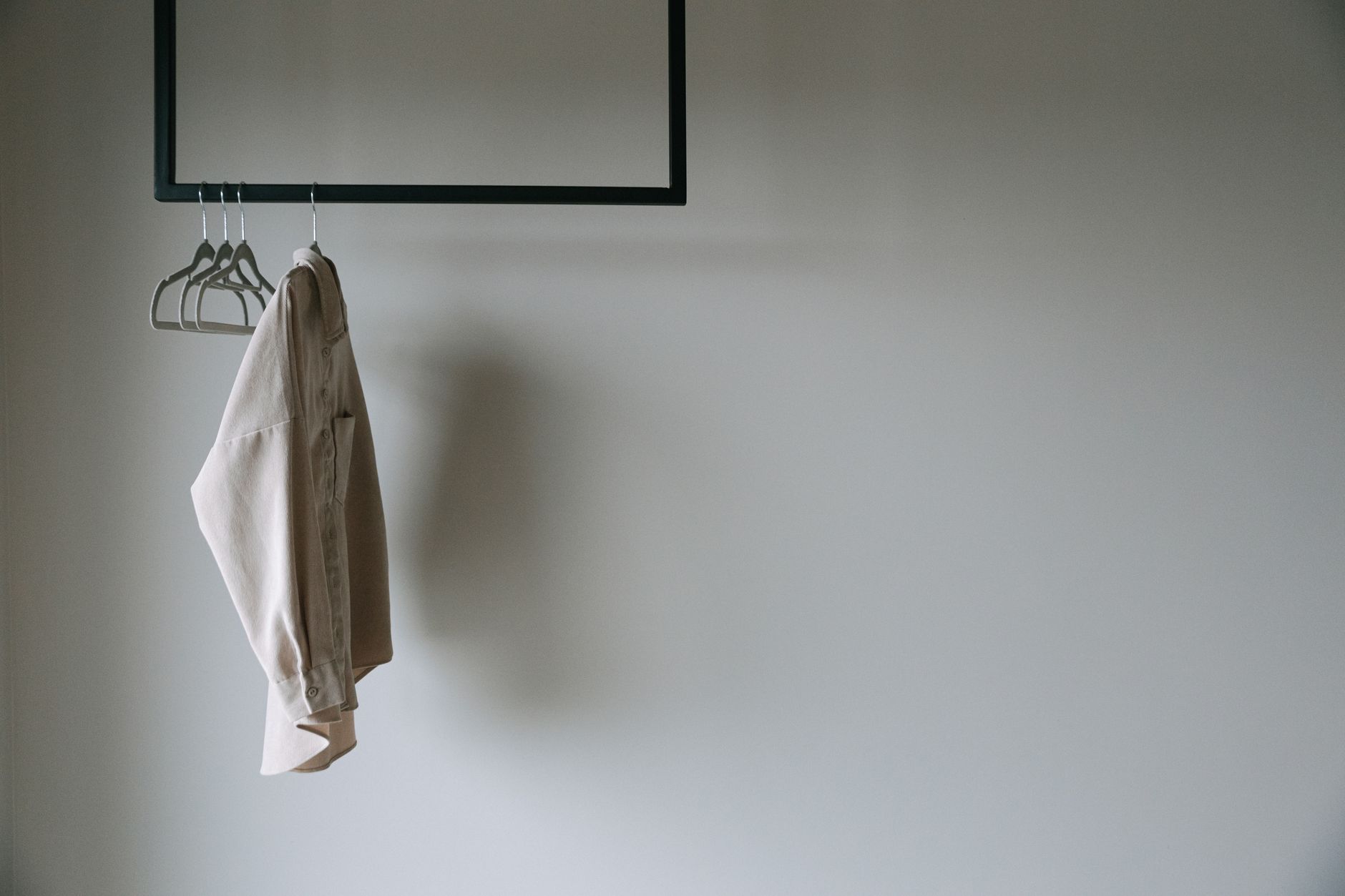
The practical and philosophical cases for linen end up pointing in the same direction: it rewards the wearer over time rather than front-loading its appeal. Cotton button-downs, particularly at the accessible end of the market, often do the opposite – they look their best the first time they are worn and lose ground steadily from there. In a moment when people are buying less and expecting more from what they keep, that is not a sustainable position for cotton to hold.