


The Subtle Shift Happening on Every Stylish Woman’s Shoe Rack
The ballet flat had a long, celebrated run. From the mid-2000s through its major revival in the early 2020s, it became the shorthand for a certain kind of effortless, Parisian-adjacent dressing – the shoe you reached for when you wanted to look polished without looking like you were trying. But something has been shifting at street level, on runways, and in the buying habits of women who pay close attention to how a shoe changes the entire logic of an outfit. The kitten heel mule is moving in, and it is doing so without any particular fanfare.
This is not about a heel height war or a declaration that comfort is out. The kitten heel mule is winning because it does something the ballet flat stopped doing the moment it became ubiquitous: it feels specific. Right now, in a wardrobe moment defined by intentionality – where every piece is chosen rather than defaulted to – specificity matters more than ease.
Why the Ballet Flat Lost Its Edge
The ballet flat’s decline is not about the shoe itself. It is about what happened to it culturally. Once it became the default answer to “what shoe works with everything,” it stopped being a choice and started being a placeholder. A growing number of women who built their wardrobes around quiet luxury or elevated basics found themselves cycling through ballet flat after ballet flat without any of them feeling considered. The shoe became invisible in the wrong way – not understated, but just absent of personality.
There is also a silhouette problem. The ballet flat sits flush against the ground, which is fine on its own, but when paired with the wider-leg trousers and longer hemlines that have dominated recent seasons, the proportional result is often unflattering in a way that is hard to articulate but immediately felt. The foot disappears. The leg shortens. The outfit loses its finish line.
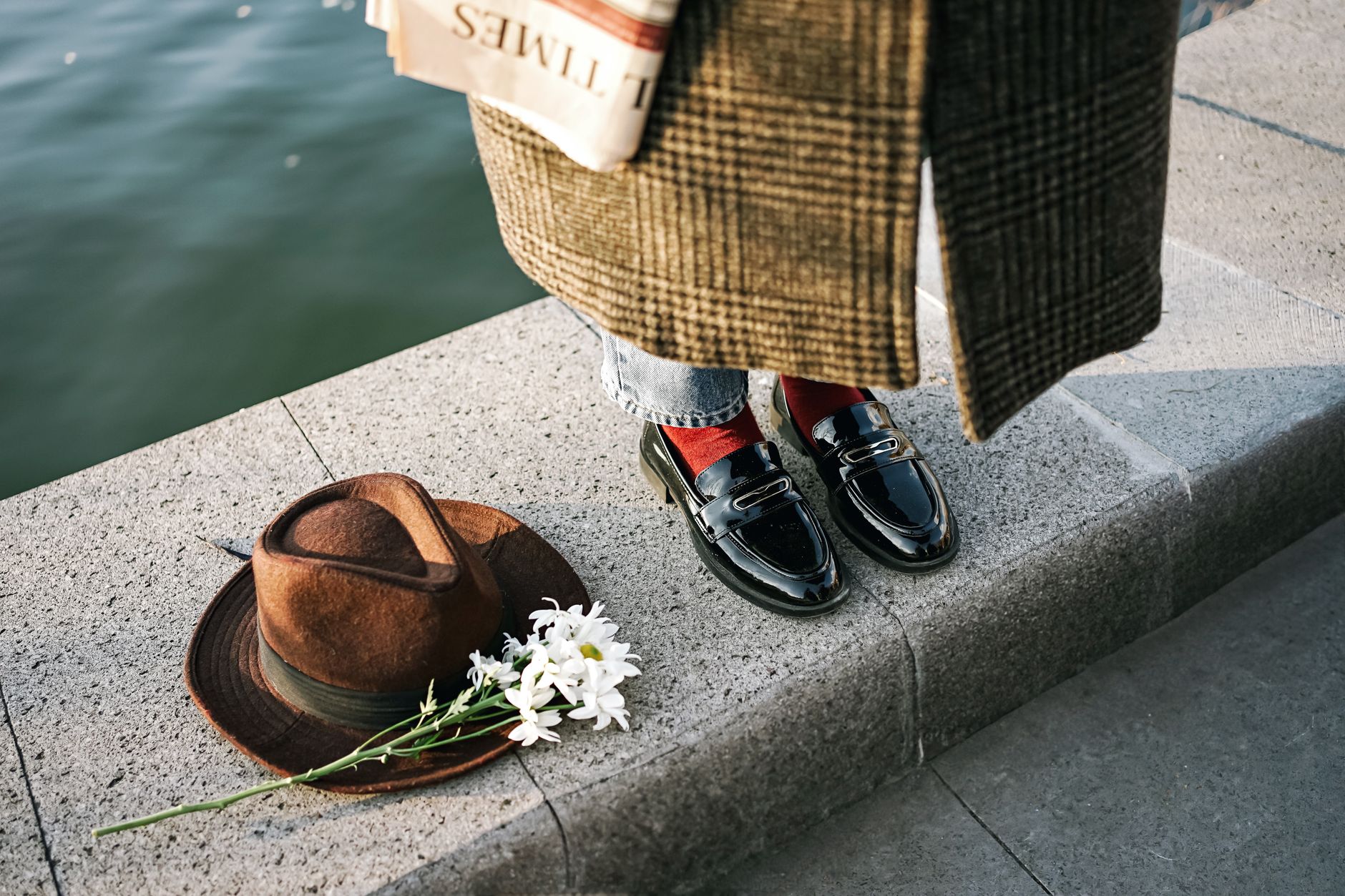
What the Kitten Heel Mule Actually Does for an Outfit
The kitten heel mule solves the proportion problem without asking anything dramatic of the wearer. A heel that sits between one and two inches is enough to lengthen the leg slightly, create a small visual break at the ankle, and give a wide-leg trouser or midi skirt the grounding it needs to read as intentional rather than shapeless. It does all of this without changing your gait, requiring a different bag, or making you reconsider your commute.
The mule silhouette specifically adds an element of studied casualness that feels current. There is a slipping-on quality to the mule that reads as relaxed in a way that a strappy sandal or even a slingback does not. It suggests you have dressed with care but also that you have somewhere to be and you got there without overthinking your footwear. That particular register – careful but uncontrived – is exactly where fashion appetite is sitting right now.
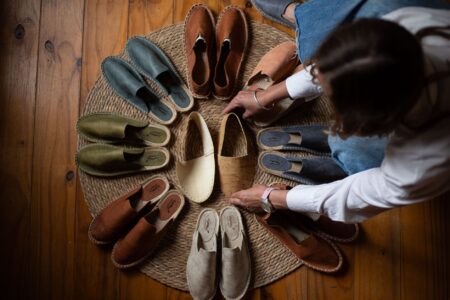
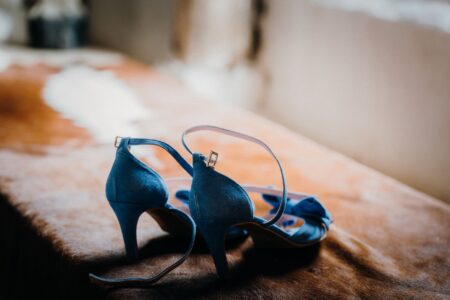
The material story matters too. Kitten heel mules are appearing in suede, leather, satin, and raffia-adjacent textures, which gives them a range that the ballet flat, largely stuck in leather or fabric variations, cannot always match. A suede kitten heel mule worn with tailored trousers and a simple knit reads entirely differently from the same shoe in satin with an evening dress. The shoe can move across dress codes without needing to be swapped out. That versatility is doing real work for the style-conscious woman who wants a smaller, smarter shoe wardrobe rather than a larger one. And for anyone already rethinking their accessories more broadly – the pointed-toe kitten heel specifically has been building this case for several seasons now, proving that heel shape and toe shape together can carry the whole weight of an outfit’s mood.
Color is also playing a role. Nude and bone tones in kitten heel mules create that elongating, leg-extending effect that stylists have recommended for decades – but with more visual interest than a flat nude shoe, which tends to read as purely functional. The small heel creates a shadow, a dimensional quality that makes even a simple shoe look like something that was chosen on purpose.
How the Runways and Street Style Converged
The kitten heel mule’s current momentum is not coming from a single runway moment or one brand decision. It is the result of multiple collections, across multiple price points, arriving at the same answer around the same time. Quiet, low-heeled mule silhouettes appeared consistently in recent ready-to-wear seasons, styled against exactly the kinds of outfits – tailored separates, fluid trousers, relaxed suiting – that represent how a significant portion of style-conscious women actually dress. When the runway and the actual wardrobe are aligned, a trend gains real traction rather than theoretical credibility.
Street style has confirmed this with its usual bluntness. The women photographed outside shows and at fashion weeks who consistently register as having the sharpest eye for current dressing have been reaching for the kitten heel mule with noticeable frequency. Not as a statement, not as an ironic reference, but as simply the shoe that finishes the outfit. That unselfconsciousness is the clearest indicator that a shoe has stopped being a trend and started being a staple.
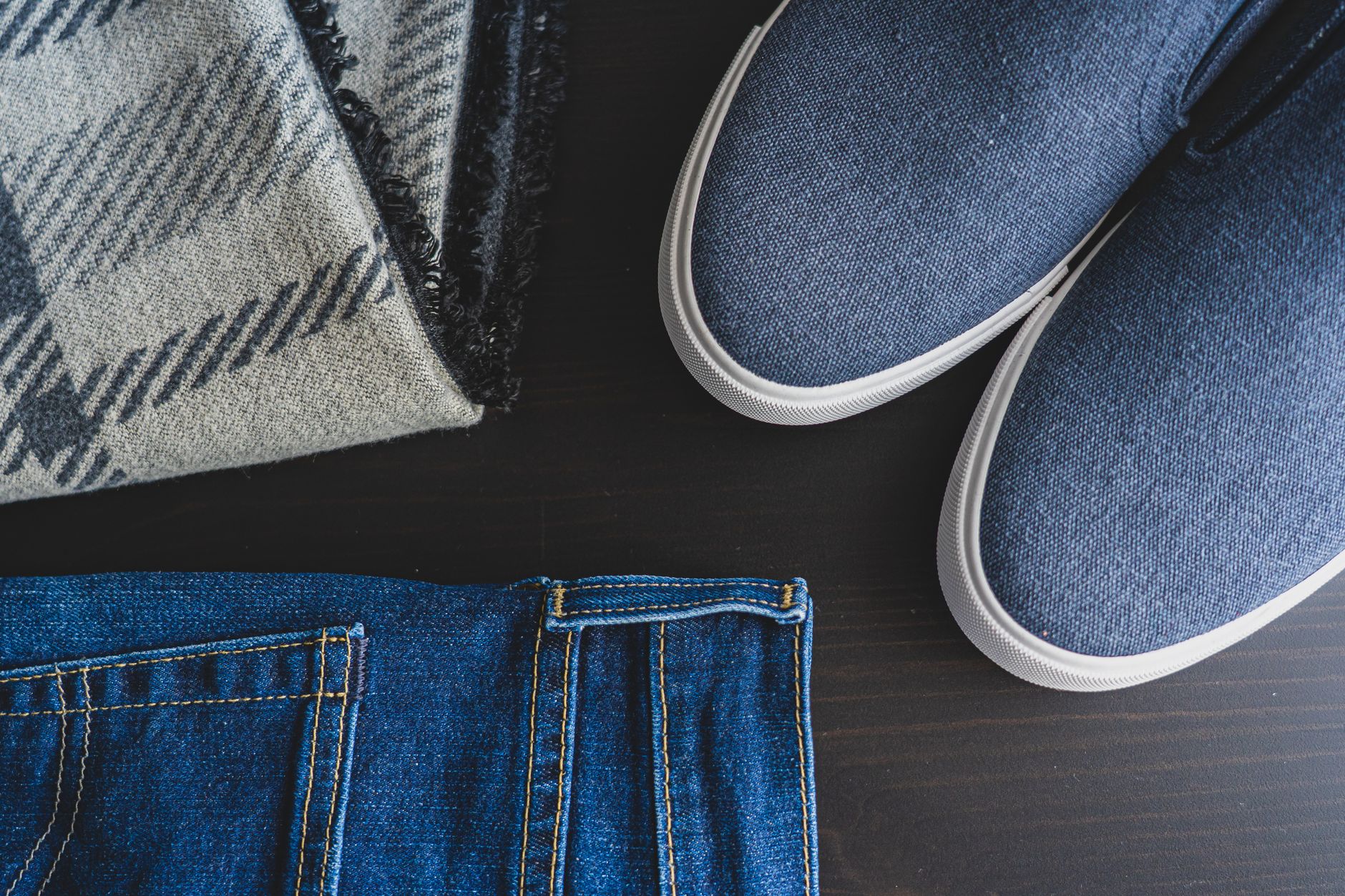
The Buying Decision: What to Look For
For anyone considering adding a kitten heel mule to the rotation, the toe shape is the first decision. A pointed toe will lean more formal and directional, pulling an outfit toward something sharper. A rounded or slightly squared toe reads softer and lends itself to more casual dressing without losing the shoe’s inherent polish. Neither is wrong – they are just calibrated for different moods within the same wardrobe.
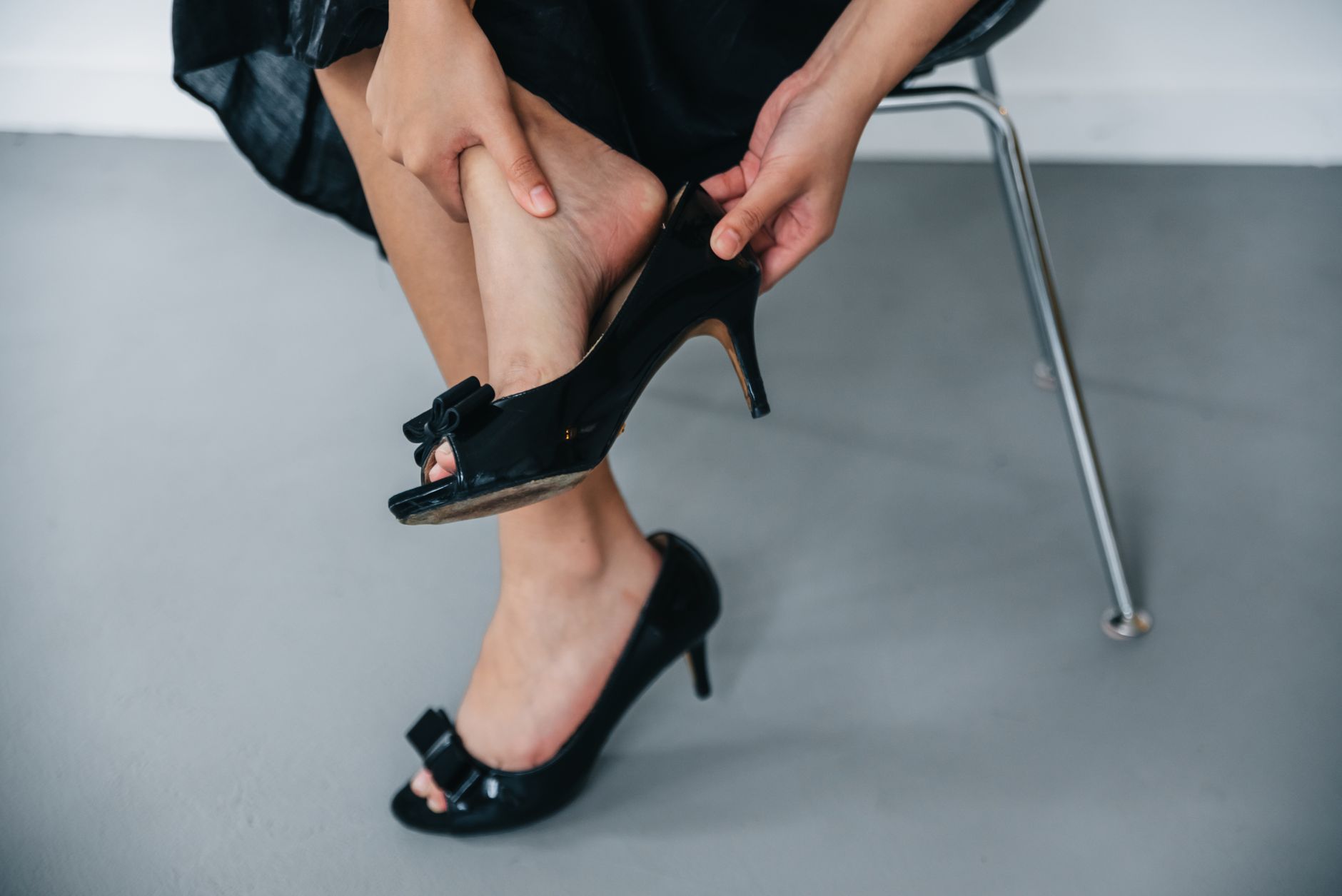
Heel construction is worth examining more carefully than it might seem necessary for such a modest height. A thin, tapered heel reads more refined and pairs naturally with tailored or delicate pieces. A slightly thicker, block-adjacent kitten heel is more forgiving and works better against casual or relaxed separates. Getting this wrong does not ruin the shoe, but getting it right sharpens everything else. The difference between a kitten heel mule that looks considered and one that looks transitional is often two millimeters of heel width.
The last thing to resist is overcomplication at the upper. The kitten heel mule works best when the heel is doing the quiet lifting and the upper stays simple – a clean vamp, minimal hardware, no excessive strapping. The shoe’s appeal is in what it withholds. Load it up and you lose the whole point of choosing it over something louder in the first place. A single tonal stitch line or a modest square buckle is more than enough.