


The ankle boot had a long run. For the better part of a decade, it anchored nearly every fall and winter outfit across every price point – from fast fashion to designer runway. But something has shifted quietly in the shoe aisles and on the style-conscious streets: the kitten heel boot is showing up more, and the ankle boot is showing up less. Not dramatically. Not suddenly. Just steadily, the way a trend actually moves before anyone writes the headline.
The kitten heel boot is not a new invention. It draws from the 1950s and early 1960s, when low, delicate heels were considered the mark of refined dressing rather than a compromise between flats and real heels. What makes this moment different is where the style is landing – not just in polished office wardrobes or cocktail party looks, but in the same casual, everyday rotation where the ankle boot used to dominate without competition.
Why the Ankle Boot Is Losing Ground
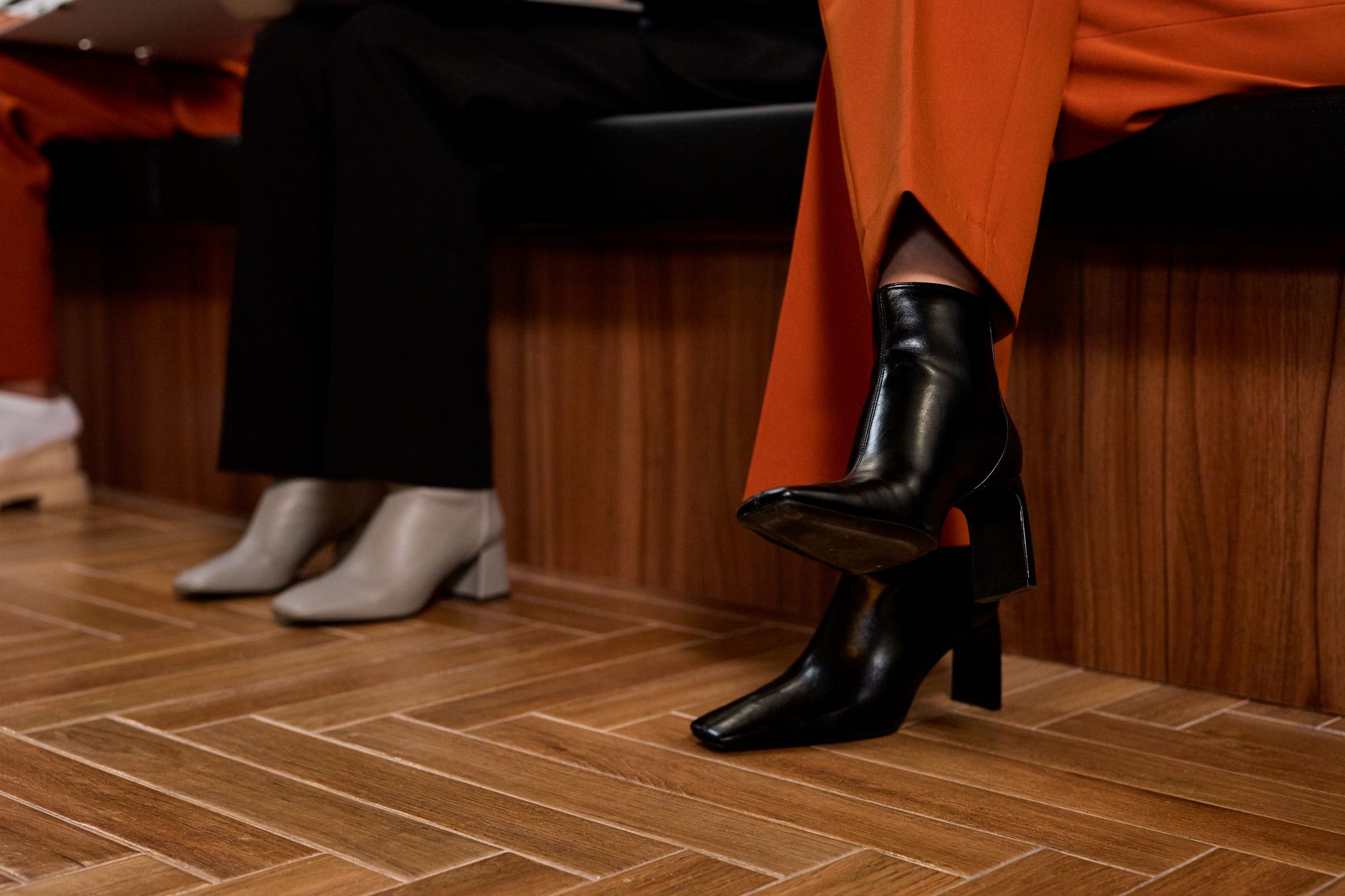
The ankle boot succeeded for so long because it solved a problem. It was practical without being frumpy, slightly elevated without being high-maintenance, and it worked with jeans, trousers, midi skirts, and dresses. That versatility was its entire selling point. But versatility, once it becomes ubiquitous, stops feeling like a virtue and starts feeling like a default. When every outfit has the same foundation, the foundation becomes invisible.
There is also a silhouette issue that has been building. Cropped trousers, wide-leg pants, and longer hemlines – all of which have dominated the past few seasons – do not flatter the ankle boot the way they once did. A boot that cuts off at the ankle can visually shorten the leg when the trouser hem grazes it at an awkward point. The kitten heel boot, which often sits closer to the natural ankle or rises slightly higher in a more tapered cut, navigates that proportion problem more cleanly.
Flat boots, which had their own moment as the practical anti-heel response, now read as deliberately casual in a way that works against dressed-up styling. The kitten heel sits in a different register entirely – low enough to walk comfortably, high enough to signal intention. That 1.5-to-2-inch lift changes the entire energy of a look without demanding anything physically demanding from the wearer.
The Femininity Factor
There is a broader appetite right now for dressing that reads as considered rather than casual. The ladylike glove returning to the evening look is part of the same current – a drift back toward deliberate, composed femininity after years of emphasizing comfort and informality above all else. The kitten heel boot fits that mood without requiring a full style reinvention. It is an easy upgrade from what most people already own and already know how to wear.
Designers have noticed. Pointed-toe kitten heel boots have appeared in recent collections alongside square-toe and almond-toe variations, signaling that the silhouette is being explored rather than just revisited. The styling on runways and in lookbooks pairs them with tailored trousers, belted coats, and structured knitwear – precisely the kinds of outfits that the ankle boot used to own. That deliberate substitution is meaningful.

How Shoppers Are Actually Adopting the Shift
The real story of this trend is not on the runway – it is in how everyday shoppers are quietly rearranging their priorities. A growing number of women who have worn the same Chelsea boot or block-heeled ankle boot for years are reaching for something slightly different when they shop for a new pair, and the kitten heel silhouette keeps surfacing as the answer. It photographs well. It works for both day and evening. And crucially, it does not feel like a costume or a commitment to a maximalist direction.
The boot’s leg-lengthening quality is a recurring reason women cite when explaining the appeal. The slight heel creates enough visual lift to change the line of the leg, and when the boot is worn in a tonal or monochromatic outfit, it creates a long, clean vertical that the flat ankle boot simply cannot replicate. For anyone working with cropped hemlines or wide silhouettes, that difference is practical, not just aesthetic.
Price accessibility has also helped. Kitten heel boots are now widely available at mid-market price points, which means the style is no longer code for designer-only dressing. Shoppers who spent years investing in well-made ankle boots are applying the same logic to kitten heel versions – buying fewer, buying better, and treating them as a genuine wardrobe pillar rather than a trend experiment.
What the ankle boot had going for it, ultimately, was confidence – the quiet assurance that it would work no matter what. The kitten heel boot is starting to carry that same energy. Not because it is flashy or directional, but because it keeps looking right in a wide range of contexts, and right now that consistency is enough to pull a loyal audience away from what they wore before. The ankle boot is not disappearing, but it is no longer the automatic answer when someone opens their closet and reaches for a boot.