


The crewneck sweater has spent decades as a wardrobe anchor – reliable, inoffensive, and easy to grab without thinking. But something is shifting on the racks this season. The sheer cardigan, once considered a niche layering piece or a relic of 1970s dressing, is turning up everywhere: on fashion week street style, in brand lookbooks, and increasingly in the carts of women who previously swore by their go-to knitwear.
What makes this swap so interesting is how quiet it has been. There was no single viral moment, no major celebrity endorsement that set it off. Instead, the sheer cardigan has built its momentum through steady accumulation – more brands stocking it, more stylists reaching for it, more women discovering that it solves problems the crewneck never quite addressed.

What the Sheer Cardigan Actually Offers
The appeal is not purely aesthetic, though the visual argument is strong. A sheer cardigan worn over a simple tank or slip dress adds texture, structure, and a layer of visual interest without adding visual weight. The crewneck, for all its comfort, tends to read as a single block of color and fabric. The sheer version lets the outfit breathe – literally and stylistically.
Fabrication matters here more than people realize. The best versions are woven from fine cotton gauze, lightweight linen blends, or open-knit mesh, which means they work across a much wider temperature range than a traditional knit. You can wear one in a warm office in September or over a satin camisole in May without overheating. The crewneck simply cannot cover that ground – it belongs to a specific seasonal window, and it stays there.
There is also a layering logic that stylists have been working with for a few seasons now. A sheer cardigan sits differently over a cashmere tank than a traditional cardigan does – it skims rather than compresses, which changes the silhouette of everything underneath. The result feels considered without looking overdone, which is exactly the register that defines what people are reaching for right now.
Where the Crewneck Started Losing Ground
The crewneck’s weakness has always been its rigidity. It reads as finished – you put it on and that is the outfit. The sheer cardigan, by contrast, functions more like a layer than a garment, which gives it flexibility that a crew-neck pullover structurally cannot match. Open-front styling alone means it can be worn belted, draped off one shoulder, thrown over a dress, or left to hang loose. That range of styling options is something a crewneck will never offer.
Casualwear also moved in a direction that quietly made the crewneck feel heavy. As people gravitated toward lighter fabrications and more relaxed silhouettes, the dense knit of a standard crew started to look dated in a way that was hard to articulate but easy to feel. It did not disappear – it just stopped feeling fresh, which in fashion is often a more damaging verdict.
How the Trend Is Playing Out Across the Market
At the higher end of the market, sheer cardigans have been appearing in collections that previously would have defaulted to fine-gauge cashmere or cotton knits. Brands working in the quiet-luxury register have embraced the piece because it photographs beautifully and photographs differently depending on what is worn beneath it – which matters for editorial and e-commerce imagery alike. That practical consideration has driven more stocking decisions than any fashion editor trend report.
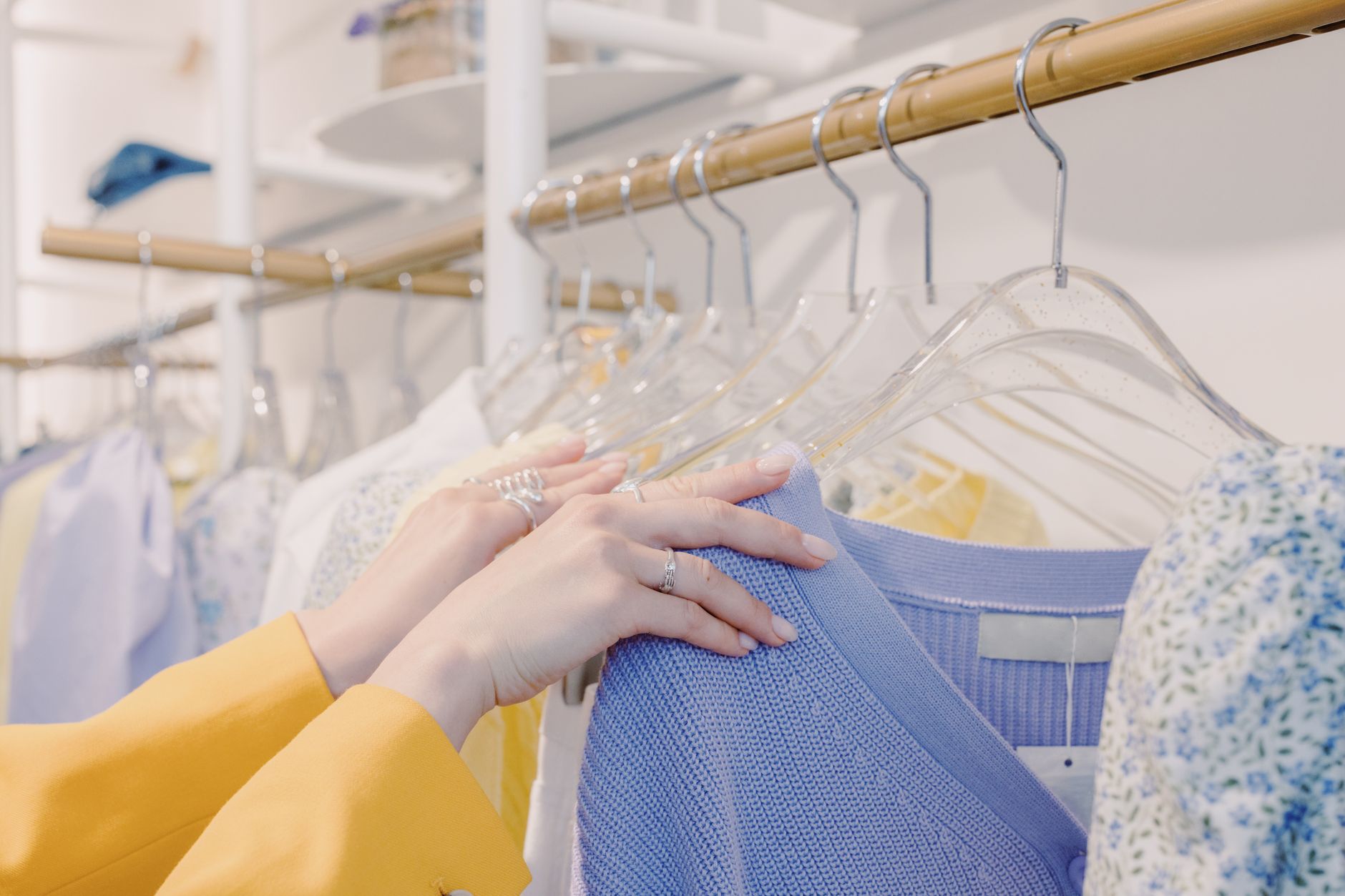
At the mid-market level, the response has been almost equally fast. High-street brands have moved the sheer cardigan out of the accessories section – where it used to be treated as an afterthought – and onto mannequins at the front of stores, styled as the centerpiece of an outfit rather than a finishing touch. That shift in merchandising tells you something real about how retailers are reading consumer demand.
The color palette arriving with this trend is worth paying attention to. Early iterations leaned heavily on neutrals – ivory, oatmeal, black – which kept the piece approachable for buyers uncertain about committing to something so different from their knitwear defaults. But the current wave is introducing dusty pinks, sage greens, and even deep burgundies, which signals that the sheer cardigan is no longer being positioned as a transitional experiment. It is being treated as a wardrobe staple in its own right.
Fit, though, remains the dividing line between a sheer cardigan that works and one that looks like an afterthought. The proportions have to be deliberate: too oversized and the open weave reads sloppy; too fitted and the construction becomes awkward across the shoulders. The versions that have landed best tend to follow a slightly relaxed but structured cut – enough ease to feel effortless, enough shape to look intentional. Getting that balance wrong is what has kept some brands’ versions sitting on the sale rack while others sell out in the first week.
The crewneck is not going anywhere. It is too embedded in how people dress to disappear from the market. But its position as the default layering and casual knit choice is genuinely being challenged, and the sheer cardigan is the piece doing the challenging – not because it is louder, but because it is simply more useful across more situations.
Frequently Asked Questions
How do you style a sheer cardigan?
A sheer cardigan works best layered over a tank, camisole, or slip dress. Keep the base layer simple and let the cardigan provide texture and structure.
What fabrics are sheer cardigans made from?
The most wearable versions use cotton gauze, linen blends, or open-knit mesh – all lightweight materials that work across seasons.