



The Hat Shift Nobody Announced
Something is happening on street corners, airport terminals, and fashion week sidewalks that no single brand orchestrated and no trend report predicted. The fisherman cap – that low-profile, bucket-adjacent silhouette with a short, stiff brim that circles the entire crown – is turning up everywhere the baseball hat used to dominate. Not as a novelty. Not as a seasonal experiment. As a default.
The baseball hat is not disappearing. It still sells in enormous volumes and carries the weight of a century of American cultural identity. But among the style-conscious set, the group that cycles through trends quickly and signals what the broader market eventually adopts, the fisherman cap is accumulating real momentum. The switch feels small on its surface. The implications for how people dress from the shoulders up are worth paying attention to.
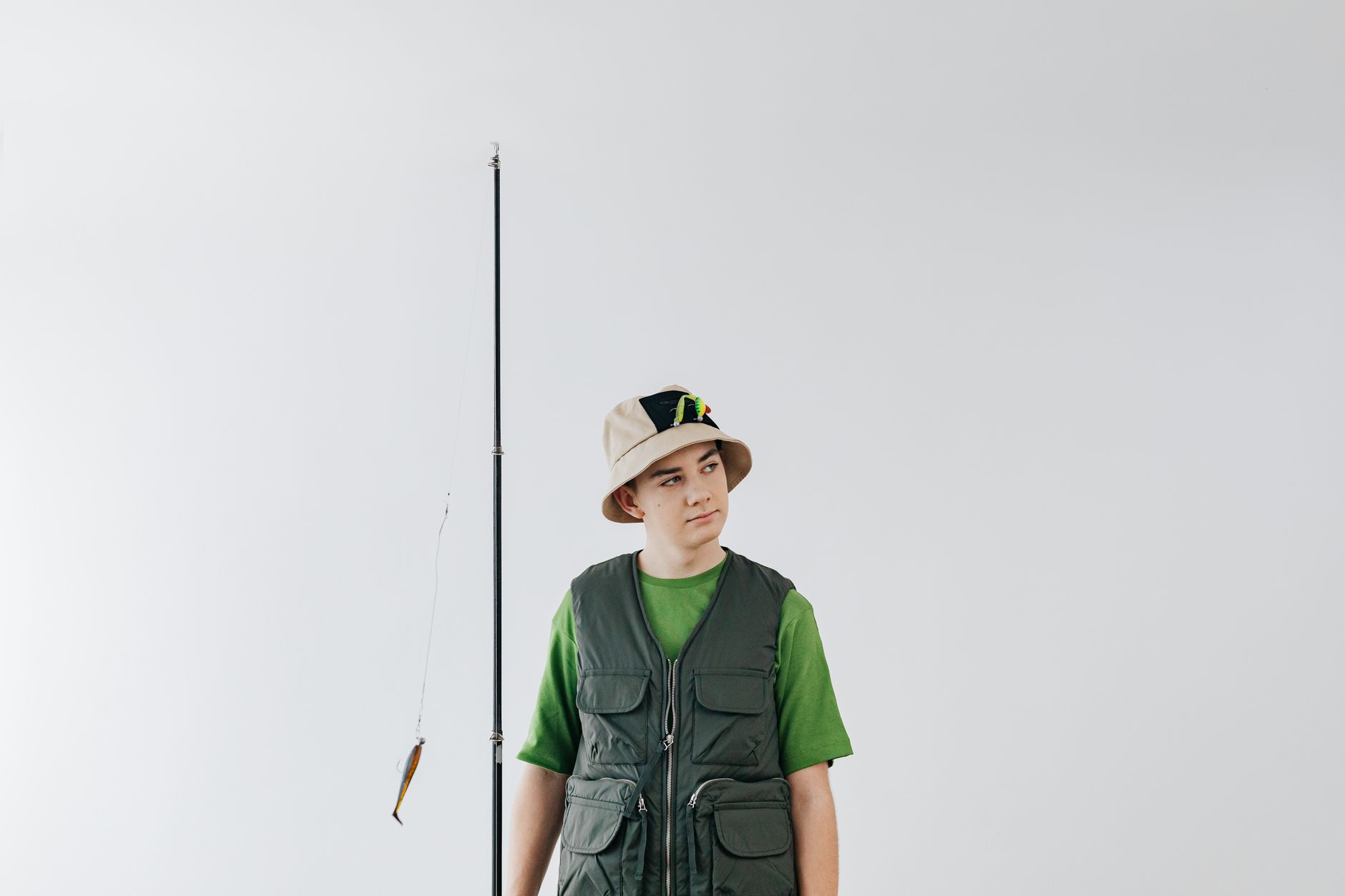
Where the Fisherman Cap Came From
The cap’s origins are exactly what the name suggests: functional workwear designed for people spending long days on water. The all-around brim offered protection from sun and wind that a forward-facing bill simply could not. For most of the 20th century, it lived in the wardrobes of actual fishermen, old men in parks, and the occasional jazz musician. It was not a fashion object. It was closer to a utility item.
That changed gradually through the 1990s and early 2000s, when the cap began drifting into streetwear and hip-hop styling. It appeared on artists and skaters who valued its worn-in, no-frills aesthetic. But it never quite shook its association with a certain age demographic or working-class coastal identity – which, as it turns out, is precisely why a new generation of dressers is drawn to it now. The anti-logo, unpretentious quality reads as deliberate restraint in an era of very loud headwear.
The corduroy version, the washed canvas version, the wool tweed version – each material adaptation has broadened the cap’s range without changing its essential shape. That silhouette flexibility is part of what lets it work across contexts the baseball hat increasingly struggles with: formal-casual situations, European-inflected outfits, and the kind of quiet, considered dressing that has been gaining ground in fashion for the past few years.
What the Baseball Hat Lost
The baseball hat’s dominance was never really about aesthetics. It was about ease, familiarity, and an avalanche of branded product that made it the default choice by sheer volume. Every sports team, every streetwear label, every luxury house at some point put out a baseball cap, and that ubiquity eventually became its problem. When every category from high fashion to fast food has the same silhouette, the silhouette loses its ability to say anything specific about the person wearing it.
There is also a proportional issue that rarely gets discussed directly. The structured crown and forward bill of a baseball cap create a strong horizontal visual line that can overwhelm smaller or more delicate facial features. The fisherman cap, by contrast, sits lower and softer on the head, its brim more suggestion than statement. It does not compete with the face. For people experimenting with the more tailored, proportion-aware dressing that has been running parallel to the wider trouser trend, that subtlety matters.

Why It Works Now
The timing of this shift aligns with a broader appetite for dressing that signals knowledge rather than volume. The fisherman cap is not immediately recognizable as expensive or branded. It requires a certain familiarity with fashion history and subcultural reference to wear confidently, which is exactly the kind of understated fluency that style communities currently reward. Anyone can buy a logo cap. Knowing how to style a salt-washed canvas fisherman hat with a linen overshirt and straight-leg trousers requires more intentionality.
Color is also working in the fisherman cap’s favor right now. The cap appears most naturally in the muted, earthy palette that has been running through collections and street style simultaneously: ecru, olive, slate, navy, and tobacco. These are not colors that baseball caps are traditionally associated with. Most baseball hats lean toward team colors, black, or white – tones that fit a sportswear context better than a considered casual one. The fisherman cap arrived pre-matched to the palette that fashion is living in.
There is a gender dimension here worth naming. The baseball hat has always carried a stronger masculine coding, while the fisherman cap sits in a more neutral space visually. Its rounded shape and softer presence read as accessible across gender expressions in a way that has made it a reliable choice for the unisex styling that a wide range of brands and consumers are gravitating toward. That cross-appeal gives it reach that the baseball hat, despite its cultural ubiquity, does not always have.

The version doing the most work on the street right now is not the stiff-brimmed, logo-heavy fishing hat of a decade ago. It is a slightly slouched, minimally branded style in natural fabrics – the kind that photographs well without looking like it tried to. That specific quality, the appearance of effortlessness that actually requires considerable curation, is exactly what the current fashion moment keeps rewarding. The baseball hat, for all its staying power, has never quite managed to look accidental. The fisherman cap almost always does.
Frequently Asked Questions
What is a fisherman cap?
A fisherman cap is a low-profile hat with a short, stiff brim that circles the entire crown, originally designed as functional workwear for people at sea.
How do you style a fisherman cap?
Fisherman caps work best with relaxed, considered outfits in muted tones – think linen overshirts, straight-leg trousers, or layered knits in earthy palettes.