


There is a particular kind of status bag that does not announce itself. No logo hardware, no quilted chain, no brand monogram visible from across a restaurant. The Loro Piana Wish Bag operates on a different frequency entirely – one that rewards recognition over spectacle. And right now, it is pulling customers away from the structured tote that has dominated the luxury carry conversation for the better part of a decade.
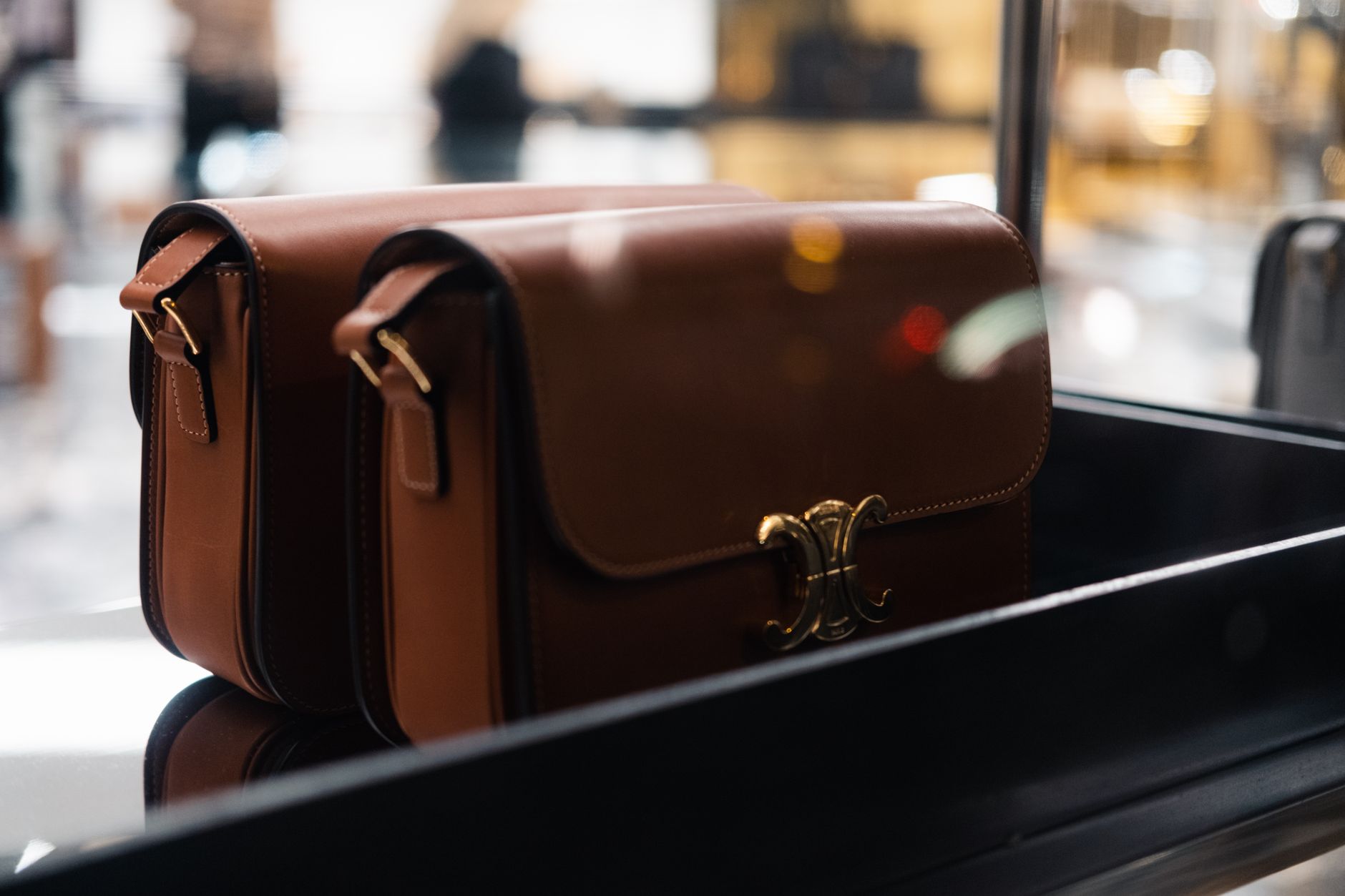
The Wish Bag is not new. Loro Piana introduced it quietly, as the house tends to do with most things. But over the past two seasons, it has broken through from a niche favorite among fabric obsessives and quiet luxury devotees into something closer to a consensus choice. Women who previously lived by the Celine Cabas or the Bottega Veneta Arco are reportedly crossing over. The silhouette is different. The logic behind it is different. And the material – almost always vicuna, cashmere, or the house’s signature baby cashmere – is entirely its own.
What the Wish Bag Actually Offers
The bag’s shape is soft and unstructured, closer to a bucket than a box, but with a drawstring closure that cinches the top into something almost sculptural when pulled taut. It is carried by a single top handle, short enough to rest in the crease of an elbow. There is no shoulder strap option, which in the current market is either a dealbreaker or a statement of intent, depending on who you ask. Loro Piana’s position seems to be the latter.
What makes it genuinely distinct from the tote is the absence of utility theater. The tote’s appeal has always been rooted in practicality – it holds a laptop, a water bottle, a folder, a lunch. The Wish Bag holds considerably less and makes no apology for it. A wallet, a phone, keys, perhaps a small notebook. This is not a bag for running errands. It is a bag for lunch at somewhere quiet and well-lit, or for a gallery opening where you are not carrying anything you absolutely need.
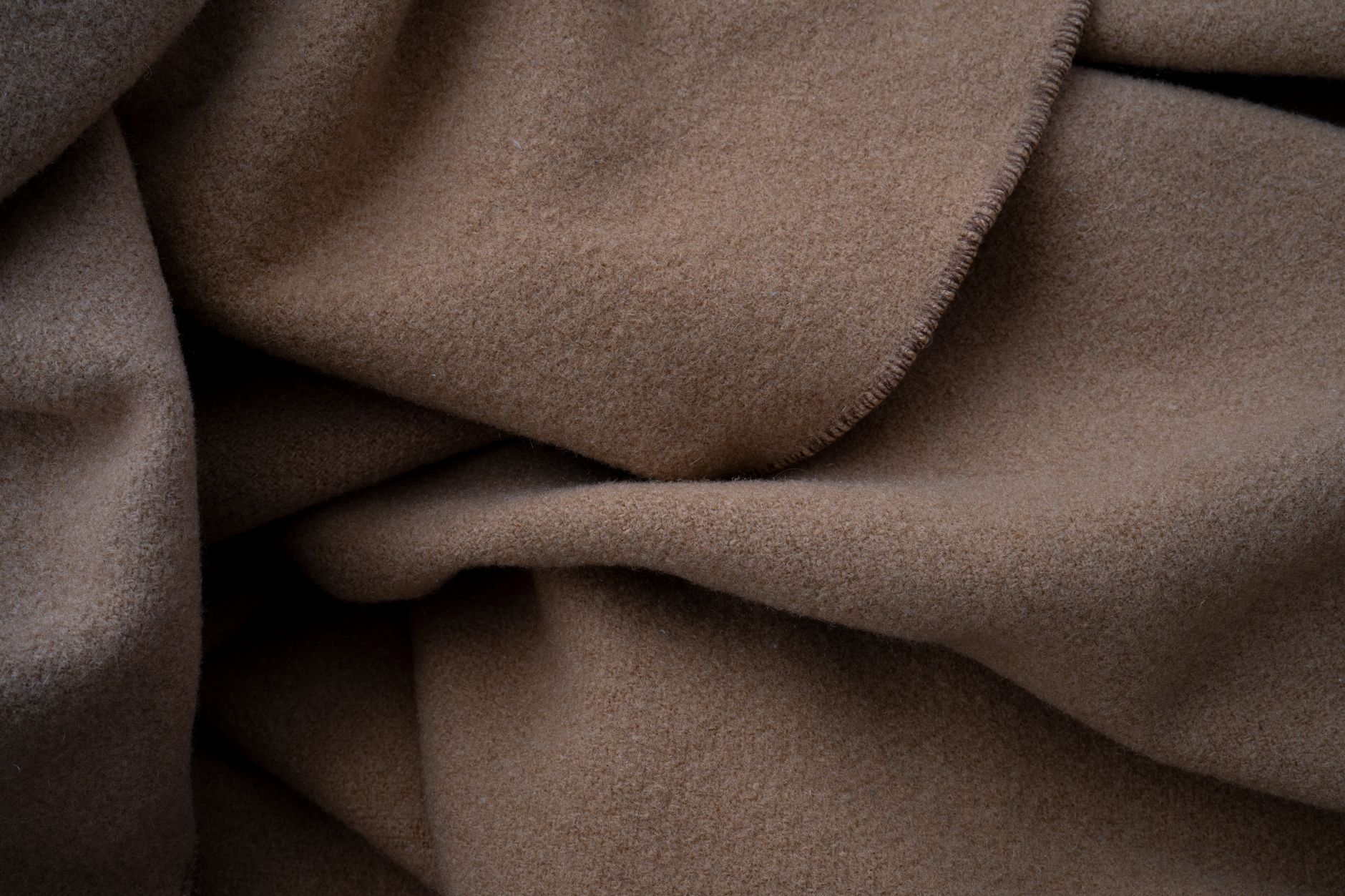
The materials are the real argument for the price point, which runs well into four figures. Loro Piana’s cashmere sourcing is among the most closely controlled in the industry – the house has long-standing relationships with herders in Inner Mongolia and works directly with suppliers in a way that most luxury brands do not. The fabric on the Wish Bag is not decorative softness. It is the actual product. The bag is the textile, held in a shape.
The Quiet Luxury Current Running Underneath It
The broader appetite for what has been loosely called quiet luxury – understated, quality-forward dressing with no visible branding – has created a natural runway for Loro Piana’s accessories. The house was producing this aesthetic before it had a name. Its customers were never the logo crowd, and the Wish Bag sits perfectly within that self-understanding. Where other brands have scrambled to strip their hardware or soften their logos in response to the trend, Loro Piana simply continued doing what it has always done.
The tote’s decline in this context is less about the bag itself and more about what it signals now. The oversized canvas tote became democratized to the point where the format lost its luxury association. High street versions, grocery store collaborations, branded giveaways – the silhouette absorbed all of it. The structured leather tote held on longer, but it carries a kind of deliberate functionality that sits awkwardly alongside the current move toward ease and restraint. The Wish Bag looks like you are not trying too hard. That is its entire appeal, and it is an appeal that costs a significant amount of money to project convincingly.
How It Moves Through the Fashion Conversation
The Wish Bag’s rise has been largely word-of-mouth and visual – spotted on the arms of women whose style is closely tracked, appearing in the background of carefully composed photographs rather than as the deliberate centerpiece. This is consistent with how Loro Piana’s most devoted customers talk about the brand: with a slight reluctance to explain it too much, because the explanation risks sounding like the kind of self-conscious status performance they are trying to avoid. The bag works precisely because it is not explained.
Resale data tells part of the story. Platforms tracking pre-owned luxury goods have noted the Wish Bag’s steady price retention, with certain colorways – the natural undyed tones, the deeper winter shades – holding or exceeding retail in the secondary market. This is not a bag that buyers are flipping for quick returns. The secondary demand reflects a genuine shortage of available inventory, which Loro Piana manages carefully. The house produces in relatively limited quantities, and the handmade construction of many pieces means production cannot simply be scaled up to meet demand.
The styling logic around the bag is also worth examining. The Wish Bag pairs naturally with the kind of wardrobe that has been gaining ground over structured or trend-forward dressing – the pleated trouser edging out the wide-leg jean, the unlined jacket, the cashmere knit worn instead of a blazer. It does not work as well with the boxy, statement-shouldered looks that dominated recent runway cycles. The bag has a specific stylistic home, and the moment that home is becoming more broadly inhabited.
There is also a generational current worth noting. Younger luxury buyers – those entering the market now rather than those who built their wardrobes in the logo-driven years – are approaching investment pieces differently. The Wish Bag reads to this group as the opposite of an entry-level luxury purchase: it requires existing fluency to appreciate. You have to already know what Loro Piana cashmere feels like, already understand why the absence of hardware is a considered choice rather than an oversight. The bag functions as a kind of insider credential that only works if you do not need to explain why it works.
Which raises the only real tension in the Wish Bag’s growing visibility: once enough people know about it, does it stop doing the thing it does so well? Loro Piana has navigated versions of this question before, and the house’s answer has consistently been to tighten supply rather than broaden access. Whether that holds as demand continues climbing is the one unresolved question the bag carries around with it.