


The Quiet Takeover Happening in Every Wardrobe
The prairie dress had a good run. For several seasons, its floor-grazing hemlines, puffed sleeves, and wholesome floral prints dominated every fashion week street style gallery, every “what to wear” feature, and roughly half of all Instagram outfit posts. It sold the fantasy of meadows and simplicity. But something quieter, more considered, and a lot more wearable has started crowding it out of the frame.
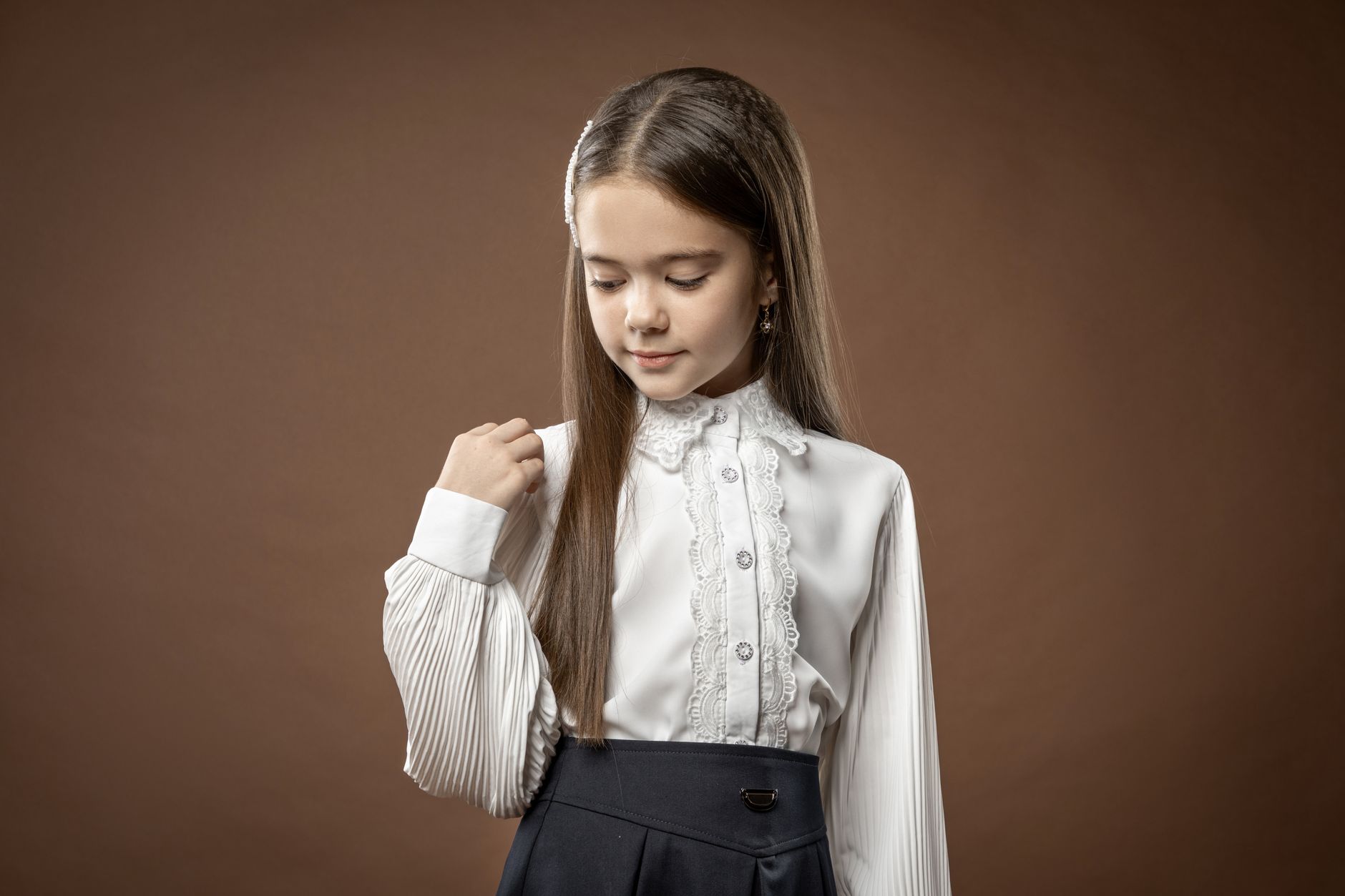
The broderie anglaise blouse – that delicately eyelet-embroidered cotton top with its origins in 16th-century European needlework – is turning up everywhere from resort collections to high-street rails, and women are reaching for it instead of the full prairie look.
It is not a replacement so much as an upgrade.
Why the Prairie Dress Lost Its Hold
The prairie dress peaked at exactly the right cultural moment. There was an appetite for escapism, for softness, for looks that felt romantic without being overtly sexy. Brands responded fast, and the market flooded with variations on the same silhouette: tiered cotton, smocked bodice, tiny buttons down the front. The problem with that kind of saturation is predictable. Once a garment appears in every price bracket simultaneously – from fast fashion to designer – it stops feeling like a choice and starts feeling like a uniform.
There is also a practicality argument that the prairie dress never quite won. It is a committed piece. You are wearing it fully, or not at all. It does not layer easily under a blazer. It does not work with the trousers already in your wardrobe. It exists in its own sartorial world, which made it exciting at first and slightly exhausting after a while. Dressing felt performative rather than effortless, and the fashion mood has been sliding steadily toward the latter.
The blouse format solves this. It slots into an existing wardrobe rather than demanding you build a new one around it.
What Broderie Anglaise Actually Offers
Broderie anglaise works because it delivers the same visual language as the prairie trend – femininity, craft, a kind of studied softness – without any of the logistical friction. A well-cut broderie blouse in white or cream can read as beach cover-up, gallery opening, or garden party depending entirely on what it is paired with. That range is something the prairie dress, by design, cannot offer. The silhouette is contained, the embroidery does the decorative work, and the rest of the outfit remains open to negotiation.
The fabric itself has a lot to do with the current appetite for it. Cotton broderie is breathable in a way that synthetic prairie alternatives simply are not, and there is a growing preference for natural materials that can be dressed up without discomfort. The eyelet pattern also catches light in a way that photographs beautifully without requiring filters or golden hour timing, which matters more than anyone in fashion will officially admit. A broderie blouse looks good in a fluorescent office bathroom selfie. That is not a small thing.
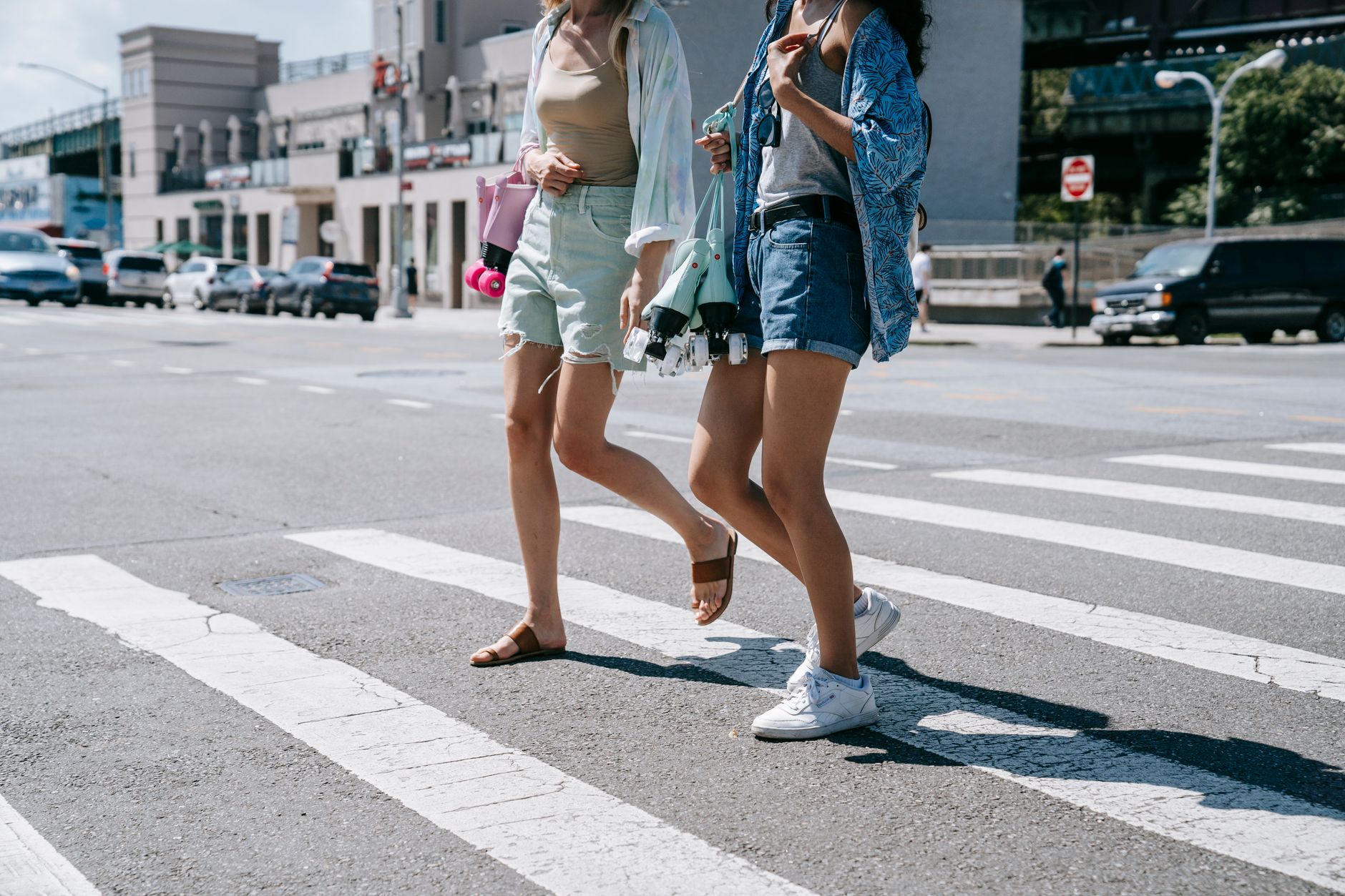
Styling flexibility is where the blouse really separates itself. Tucked into wide-leg trousers, it suggests quiet luxury with minimal effort. Worn loose over bike shorts, it hits a sportswear-adjacent note that the prairie dress cannot approach. Knotted at the waist over a midi skirt, it borrows the prairie aesthetic without surrendering to it entirely. The garment functions as a kind of dial rather than a fixed setting. This kind of wearable range – reminiscent of how the mesh top displaced the fitted bodysuit by offering more styling options for the same aesthetic moment – tends to signal a trend with staying power.
Where the Look Is Landing
Spring and resort collections have been notably consistent in how broderie anglaise is showing up. It appears at multiple price points, which is usually a reliable signal that a trend has moved past early adoption. Independent boutiques are stocking it alongside major retailers, and the styling across both tends to lean toward simplicity: clean trousers, minimal jewelry, flat sandals. The embroidery carries the visual weight so nothing else has to.
Street style from recent fashion weeks has confirmed the shift. Prairie dresses – when they appear at all – tend to look slightly dated next to the more edited looks beside them. The broderie blouse, by contrast, sits comfortably next to tailoring, denim, and suiting in a way that suggests it is building toward a longer shelf life rather than burning through a single season.
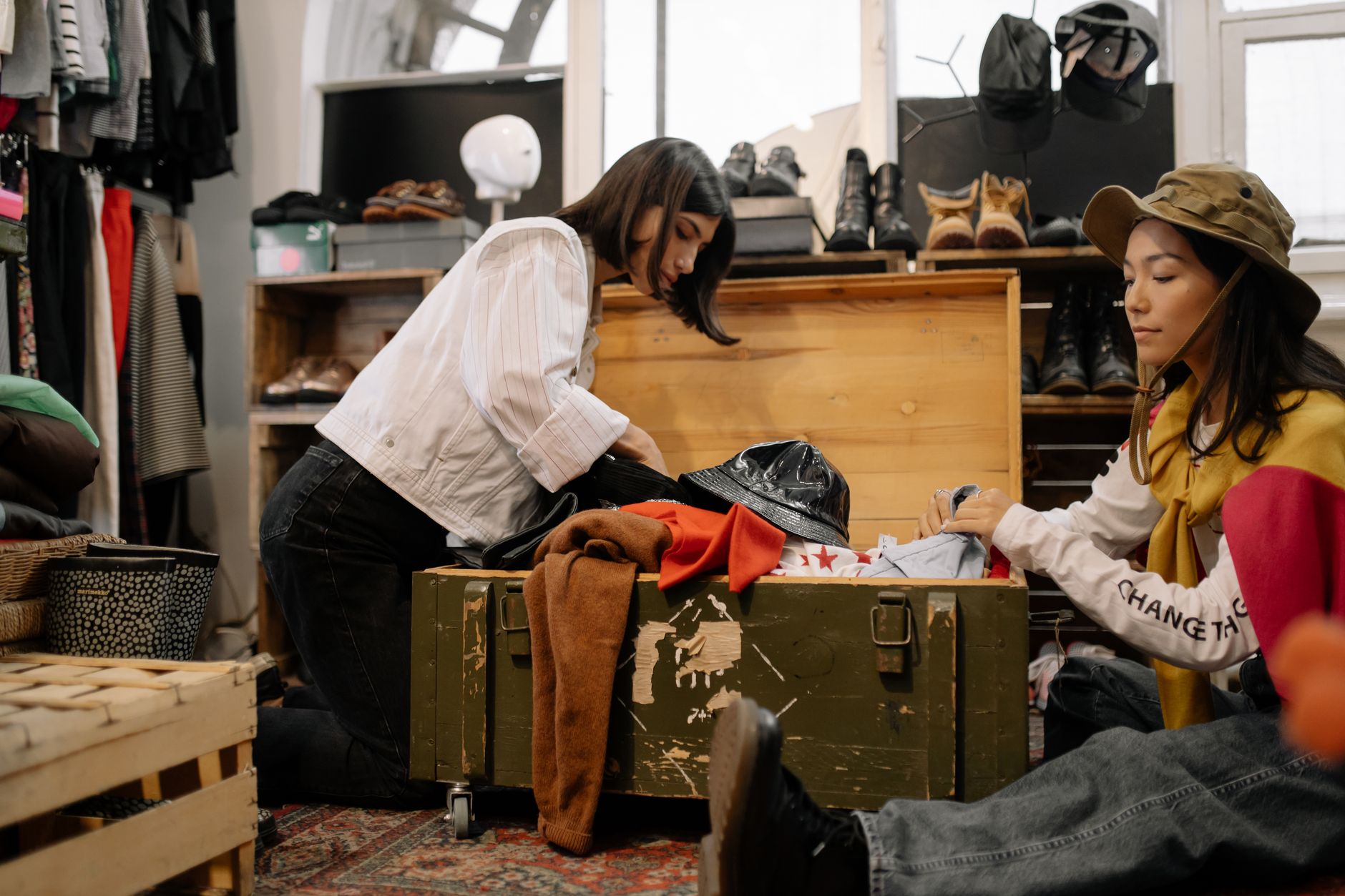
Vintage markets have also seen an uptick in broderie anglaise pieces moving quickly – the 1970s iterations in particular, with their slightly looser cuts and raw-edged hems. That vintage appetite usually arrives just before the high-street version floods in, which means the broderie blouse may still be near the beginning of its commercial cycle rather than at the top of it. The prairie dress, for all its charm, never quite generated that kind of archival interest. People were not hunting for vintage prairie dresses. They were just wearing what was available. That distinction matters more than it might seem.
A Trend That Earns Its Place
What separates a short-lived trend from one that actually earns a permanent wardrobe slot is usually function, not aesthetics. The aesthetics of broderie anglaise are not radically different from what the prairie dress offered – both draw from the same well of romantic femininity and artisan craft. But the blouse format removes the all-or-nothing commitment of the dress and hands control back to the wearer. The prairie dress asked you to step into its world. The broderie blouse works in yours – which is exactly why it is winning.