


[2026-09-03 18:00:18] Anthropic API HTTP 520, retry 1/3…
The midi skirt had a long run. For several seasons it was the reliable anchor of the “put-together but effortless” wardrobe – a silhouette that flattered most body types, worked across occasions, and photographed beautifully in that golden-hour soft-lens way that fuels Pinterest boards and Instagram grids alike. But something has been shifting on the rails of boutiques and in the editorial spreads of major fashion publications: the asymmetric hem dress is taking up more room, and the midi is quietly losing ground.
The shift is not loud. There is no single runway moment that declared the midi dead or the asymmetric hem the new standard. Instead, it is the cumulative weight of styling choices, street style photography, and the way certain silhouettes keep reappearing season after season until they stop feeling like a trend and start feeling like a wardrobe fixture. That is exactly where the asymmetric hem dress is right now.
What Makes the Asymmetric Hem Different This Time
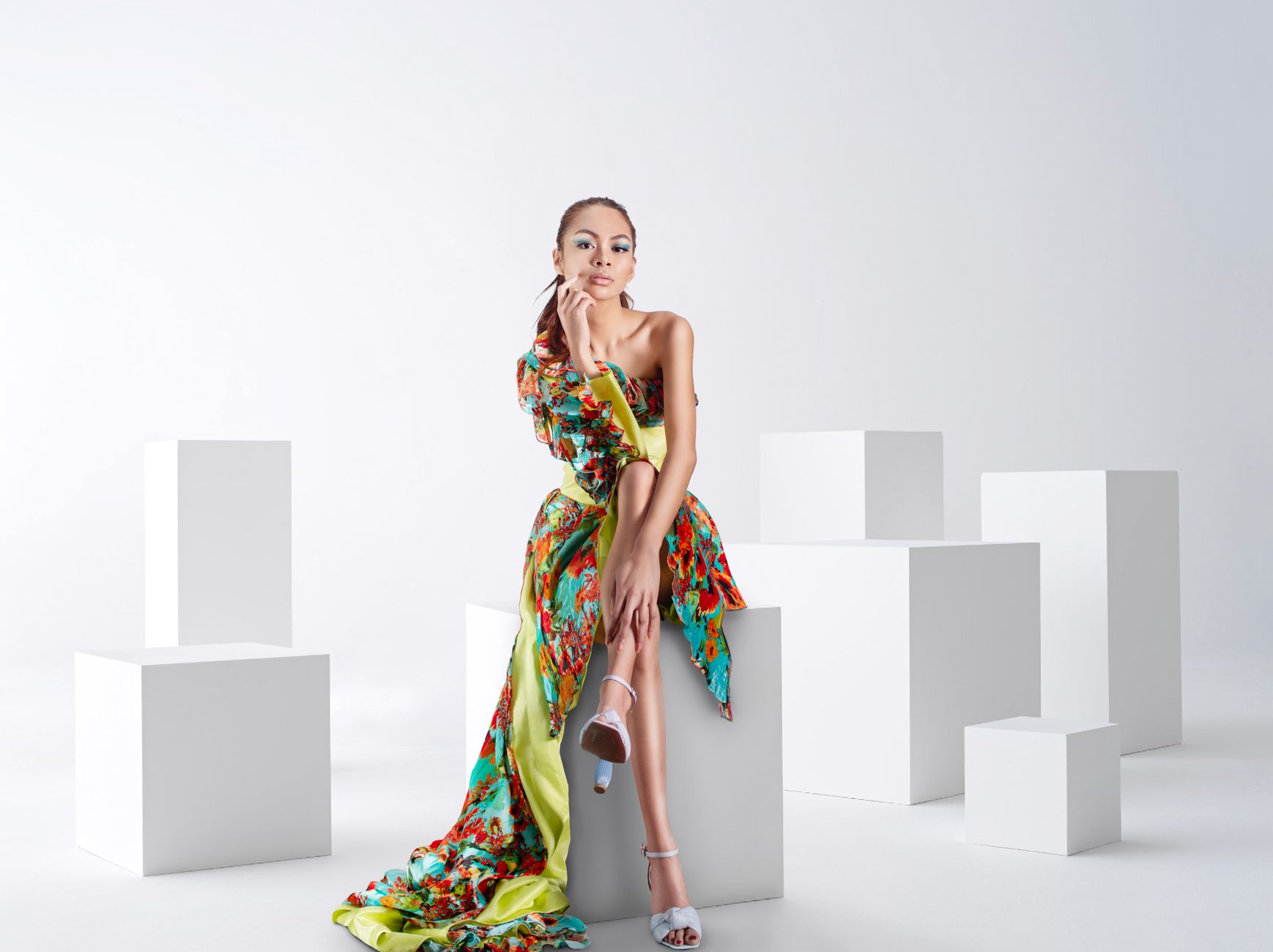
Asymmetric hems have appeared in fashion cycles before, usually attached to avant-garde collections or positioned as a bold statement piece for the fashion-forward customer only. This iteration is different. The current wave of asymmetric hem dresses is built around wearability – longer at the back, shorter at the front, with clean cuts that do not require editorial courage to put on a Tuesday morning. The silhouette reads as intentional rather than experimental, which broadens its appeal considerably.
The styling logic is simple and effective. An asymmetric hem creates visual movement without requiring prints, embellishments, or layering. A solid-color dress in this cut already has built-in interest because the eye follows the diagonal line of the hem rather than settling on a flat horizontal finish. That movement does a lot of work – it elongates the leg, creates proportion variation, and gives a dressed-up feeling without requiring heels to complete it. The midi skirt, by contrast, works best when the rest of the outfit has clear direction. The asymmetric dress largely does that styling work on its own.
Why the Midi Skirt Is Losing Its Grip
The midi skirt became a wardrobe staple partly because it solved a specific problem: it was neither too formal nor too casual, neither too covered nor too revealing. It occupied a comfortable middle ground that made it versatile across dress codes. That versatility, though, has started to feel more like vagueness. When a piece works for everything, it risks becoming the background of an outfit rather than the point of it.
There is also a fit issue that rarely gets discussed directly. The midi length sits at a point on the leg that can visually truncate the silhouette, particularly for petite frames. Achieving the proportions that make a midi skirt look genuinely sharp – rather than just fine – often requires specific footwear, a tucked or cropped top, and some deliberate thought about volume. It is not a difficult formula, but it is a formula, and the asymmetric hem dress removes the formula entirely.
Street style photographers have been clocking this change. The midi skirt, which dominated candid fashion photography for years as the go-to bottom for the effortlessly chic set, is appearing less frequently as a standalone focal point. When it does appear, it tends to be heavily styled – paired with statement boots, oversized outerwear, or layered under longline jackets. The asymmetric dress, meanwhile, shows up in photographs looking complete without much around it. That ease reads differently on camera and in real life.
It is worth watching what happens at the accessories level, too. The midi skirt’s reign coincided with the rise of the quiet luxury aesthetic, which prioritized understated pieces that worked together in neutral, considered combinations. That aesthetic is not going away, but appetite for silhouette interest – for a garment that does something visually without relying on branding or texture – is growing. The asymmetric hem dress delivers that without requiring a loud fabric or a statement shoe to justify it.

The Occasions It Is Taking Over
The asymmetric hem dress is appearing across a wider range of dress codes than its previous fashion-cycle appearances would suggest. Resort collections, workwear edits, and wedding guest roundups are all pulling from the same silhouette now, which is a reliable sign that a piece has moved from trend to category. Brands positioning the style in their “occasion” sections – alongside cocktail dresses and dressy separates – are treating it as a genuine event-ready option rather than a fashion-week novelty.
Bridal adjacent dressing has embraced it particularly hard. The asymmetric hem dress in ivory, champagne, or soft blush has become a recurring suggestion for rehearsal dinners and engagement parties, where the guest wants something that reads formal enough for the occasion but still feels personal. The cut allows for movement on a dance floor without the hemline becoming a concern, and it photographs well from multiple angles – both practical considerations that the midi skirt does not resolve quite as cleanly.
The Designers and Retailers Driving the Transition
High street retailers have been the clearest signal. When a silhouette moves from designer collections to mass-market offerings in volume, the trend has crossed from aspiration into adoption. Across multiple price points, asymmetric hem dresses have been appearing in higher quantities per season, with more colorways and fabric options than in previous years. That breadth of offering is a sign that buyers believe the customer is ready to commit to the shape beyond a single statement purchase.
Designer collections have been reinforcing the same message from the top down. Several ready-to-wear labels that built their visual identity around clean, architectural tailoring have incorporated asymmetric hem dresses as key looks rather than accent pieces. When a brand known for precision uses an asymmetric cut not as decoration but as structure, it signals that the silhouette has design credibility beyond its novelty factor.
The fabric choices have also evolved. Early asymmetric hem dresses leaned heavily on fluid fabrics – silk, jersey, chiffon – where the diagonal cut created a draped, flowing effect. The current wave includes more structured options: cotton poplin, suiting fabric, even denim. A structured asymmetric hem dress carries the same tailored authority as a sharp midi skirt without the proportional challenge, and that expansion into sturdier materials is what makes the silhouette genuinely competitive rather than just seasonally interesting. The question now is whether the midi skirt will adapt – borrowing some of that asymmetric logic into its own hemlines – or cede the ground entirely.
Frequently Asked Questions
What is an asymmetric hem dress?
An asymmetric hem dress features an uneven hemline, typically shorter at the front and longer at the back, creating a diagonal cut that adds visual movement.
How do you style an asymmetric hem dress?
The cut does most of the styling work on its own. Flat sandals, block-heel mules, or ankle boots all work well, and the dress reads complete without heavy layering or accessories.